Island of Spirits: How Isolation Shapes Japan’s Ghost Stories
Isolated by the sea, Japan's coasts and mountains gave rise to distinct traditions of spirits and ghosts.
In the archipelagic tapestry of Japan, islands have long occupied a peculiar place. Cut off by wind and wave, isolated shores carry a resonance that mainland landscapes do not, with a sense of threshold where the living world meets the realm of the uncanny.
Across Japan’s islands, a sense of liminality has given rise to a rich tradition of yokai folklore, maritime ghosts and ancestral spirits whose stories reflect both geography and community.
Yokai of the Sea
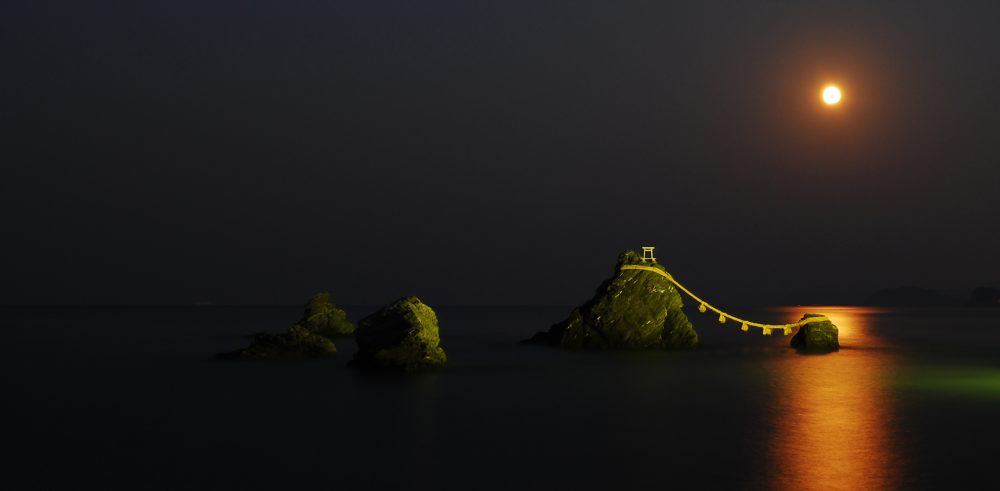
Japan’s long coastline and cluster of islands have produced a remarkable body of folklore tied to the sea. Among the most evocative of these are ayakashi, a class of sea-dwelling spirits and yokai that appear on watery surfaces, often as ghost lights or shadowy figures rising from misted waves.
In western Japan, especially around Nagasaki, coastal residents tell of ayakashi no kaika, or atmospheric flames on the beach that look like a child walking through fire at dusk, which are believed to be the restless spirits of those lost to the depths. These spectral lights and figures embody both wonder and warning, manifestations of the sea’s power and unpredictability.
Along similar shores, funayurei (the ghosts of drowned sailors) linger in fog or still water, reaching phantom hands toward passing boats or mimicking silent skiffs gliding toward danger.
In coastal regions like those off Kyushu and the Izu archipelago, these boat ghosts are woven into local lore about maritime disaster and remembrance, as communities once dependent on fishing sought meaning in unexplained drownings or sudden storms. The sea’s vastness and mystery, coupled with centuries of perilous navigation, make it a natural stage for spirits and personifications of loss, memory and nature’s caprice.
Forest Trails and Ancestral Echoes
Inland, isolation breeds other forms of spirit tales shaped by mountains, forests and ancestral rites. Islands and isolated valleys often blur ecological boundaries, giving rise to beliefs in tree spirits or echoes of the past.
Across Japan’s rugged terrain, spirits like the yamabiko echo in mountain hollows, its name given both to the folkloric creature and to the echo itself, as an auditory ghost that answers calls in the forest with uncanny precision.
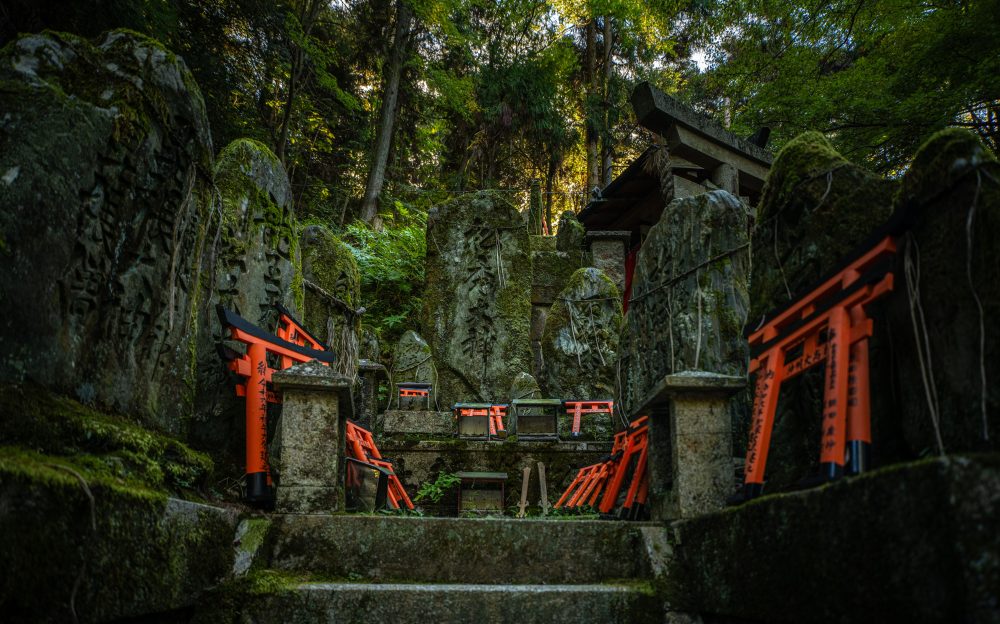
These inland phenomena sit alongside coastal narratives to form a continuum of spirit belief rooted in lived experience. In many island communities, seasonal rituals and shrine customs developed to placate or honor the dead and otherworldly forces, thereby reinforcing a sense of reciprocal relationship between humans and the unseen.
The isolation of island life, where families and lineages have endured generations in relative seclusion, makes ancestral reverence and spirit lore part of daily identity. Such stories are embodiments of place, history and community, passed down from elders to children as explanations for weather, tragedy or the inexplicable.
From Folk Belief to Modern Imagination
The persistence of these spirits in Japanese cultural life speaks to their adaptability across centuries. Such entities live in oral tradition, art, literature and popular media.
From Edo-period ghost stories collected in Kwaidan to contemporary games like Ghostwire: Tokyo, which integrates yokai and yurei into a narrative of spirits walking modern streets, the supernatural remains a vibrant lens through which Japanese society explores fear, belonging and identity.
More globally, such depictions highlight a key difference in spirit lore. Whereas Western ghost stories often focus on vengeful spirits tied to trauma, Japanese folklore embraces a broader spectrum of presences, from mischievous or indifferent to deeply sorrowful entities.
These figures reflect a worldview where the boundary between human and spirit is porous, shaped by the environment and ancestral continuity, with narratives molded by landscapes and myths that continue to shape identity from the remotest village to the collective imagination.