Japan Drugstore Guide: Best Menopause Relief in Japan
Over-the-counter remedies for menopause symptoms at Japanese drugstores—and when to see a gynecologist
Hot flashes, broken sleep, irritability and stiff shoulders are hard enough to deal with on their own. Add a drugstore aisle full of unfamiliar boxes, and finding relief in Japan can feel like one more chore.
However, Japanese drugstores carry a solid range of OTC products aimed at menopause symptoms, from herbal women’s health medicines to kampo (traditional Japanese herbal medicine) formulas that gynecologists in Japan also commonly prescribe. In Japanese, the menopausal transition is called konenki, and that word appears on the packaging of most of the products below.
Overall, the key is matching a product to your symptoms and general constitution, since many kampo remedies are labeled by body type as well as by complaint.
This article is intended as a general guide, not medical advice. Always read the package instructions carefully, and speak to a pharmacist, registered drug seller or doctor if you are unsure which product is appropriate for you, particularly if you already take prescription medication.
What Is Konenki? Menopause in Japan Explained
Konenki refers to the years around menopause, which Japanese women reach at about 50 on average. The Japan Society of Obstetrics and Gynecology (JSOG) lists these common symptoms:
- Emotional symptoms: low mood, loss of motivation, irritability, emotional ups and downs and insomnia
- Vasomotor symptoms: hot flashes, flushing and sweating
- Physical symptoms: dizziness, palpitations, headaches, stiff shoulders, back and joint pain, cold extremities, numbness and fatigue
Best Menopause Relief in Japan: Quick Guide
| Product | Best for | Type | Typical adult dosage |
|---|---|---|---|
| Inochi no Haha A 命の母A | A broad mix of menopause symptoms | Women’s health medicine | 4 tablets, 3 times daily after meals |
| Kracie Kamishoyosan Extract Tablets 「クラシエ」漢方加味逍遙散料エキス錠 | Fatigue, hot flashes, anxiety and irritability | Kampo | 4 tablets, 3 times daily |
| Tsumura Tokishakuyakusan Extract Tablets A ツムラ漢方当帰芍薬散料エキス錠A | Feeling cold, tired and lightheaded | Kampo | 1 packet (1.875g), 2 times daily |
| Kracie Keishibukuryogan Extract Tablets 「クラシエ」漢方桂枝茯苓丸料エキス錠 | Hot flashes with cold feet | Kampo | 2 tablets, 3 times daily (48-tablet pack) |
| Equelle エクエル | Daily supplement for midlife women | Food supplement (not a medicine) | 4 tablets daily |
Important: None of the medicines below are hormone treatments. Kampo formulas can share crude-drug ingredients, so avoid combining several herbal products without first checking with a pharmacist.
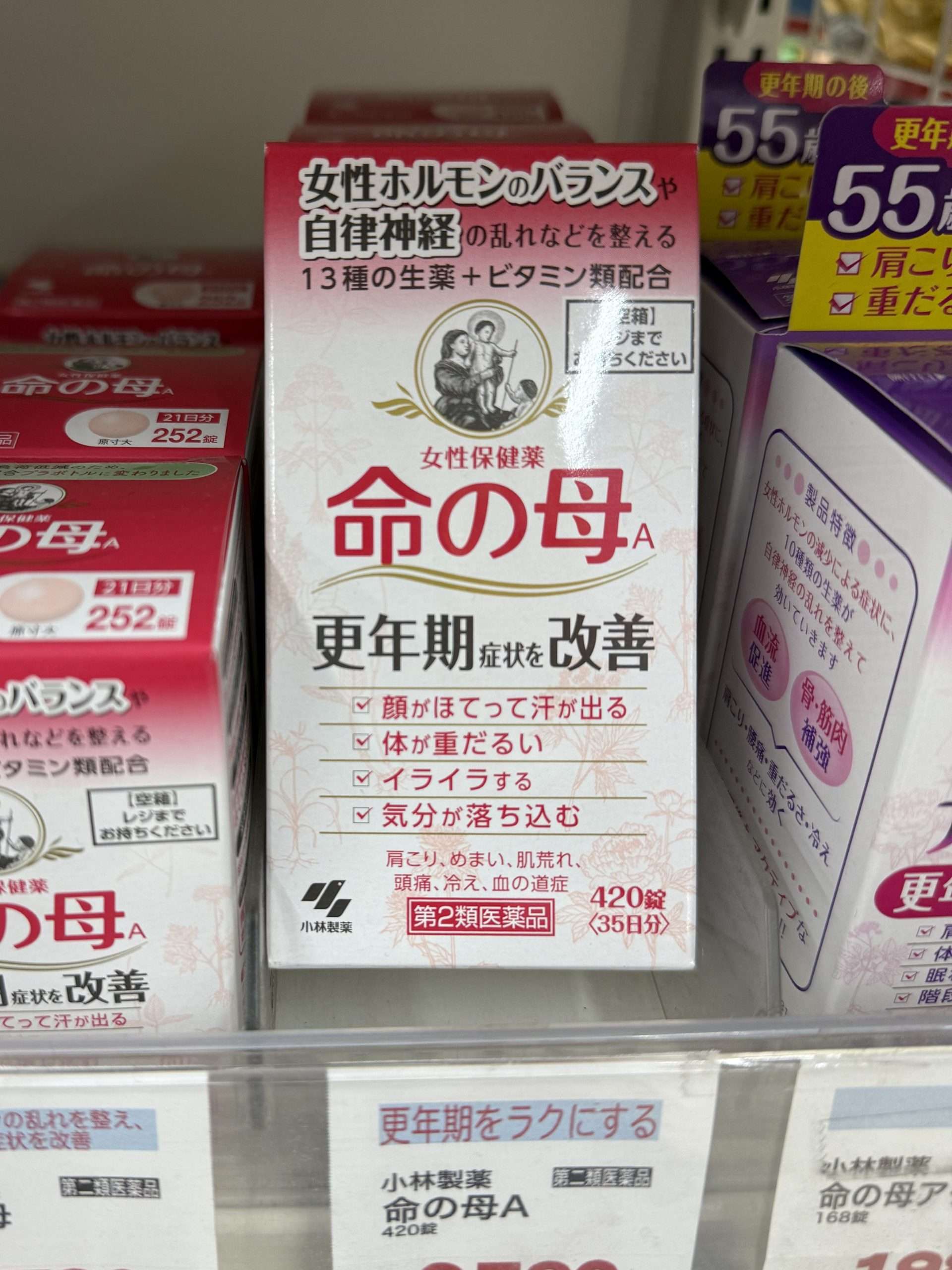
Inochi no Haha A
命の母A
Often used for: A Broad Range of Menopause Symptoms
Made by Kobayashi Pharmaceutical, Inochi no Haha A is one of the most recognizable menopause products in Japanese drugstores. It is classed as a josei hokenyaku (women’s health medicine), a category intended to ease symptoms specific to women and support overall well-being.
It combines 13 crude herbal ingredients, including peony root, Japanese angelica root and cinnamon bark, with B vitamins, vitamin E, taurine and calcium. Also, the manufacturer stresses that it is not a hormone medicine.
In addition, its approved uses cover menopausal disorder, hot flashes, dizziness, tinnitus, palpitations, headaches, stiff shoulders, lower back pain, poor circulation and constipation, among others. (PMDA)
Active ingredients: 13 crude herbal powders, plus vitamins B1, B2, B6, B12 and E, folic acid, pantothenic acid, biotin, taurine and calcium
Dosage: Adults aged 15 and over take four tablets three times a day after meals.
Under 15: Do not use.
Price: Online prices at Matsumoto Kiyoshi start at ¥770 including tax for 84 tablets, with 252-tablet and 420-tablet packs at ¥1,980 and ¥2,860. Prices at individual pharmacies may vary. (Matsumoto Kiyoshi)
Considerations: The formula contains rhubarb, a crude drug traditionally used for its laxative effects. If you have a sensitive stomach or are taking other medicines, consult a pharmacist before use.
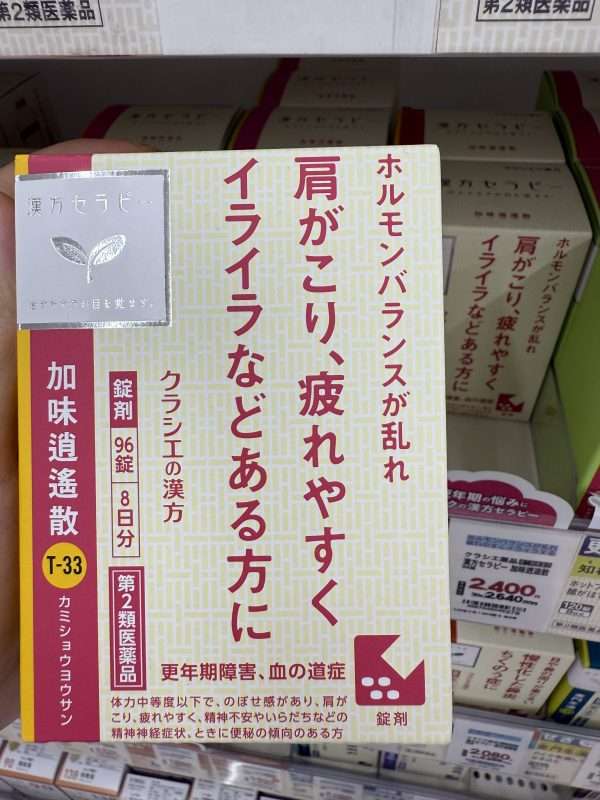
Kracie Kamishoyosan Extract Tablets
「クラシエ」漢方加味逍遙散料エキス錠
Often used for: Fatigue, Hot Flashes, Anxiety and Irritability
Kamishoyosan is one of the three kampo formulas JSOG lists as most often prescribed for menopausal disorder. It is generally chosen for people with lower stamina who tire easily and experience emotional symptoms such as anxiety or insomnia. (JSOG)
Kracie’s tablet version is approved for people with average-to-low stamina who experience hot flashes, stiff shoulders, fatigue, anxiety or irritability, and sometimes constipation. Listed uses include menopausal disorder, irregular periods, poor circulation and insomnia. (Tsuruha)
The label also mentions chi no michi sho, a Japanese term for physical and emotional symptoms linked to hormonal shifts during menstruation, pregnancy, childbirth and menopause.
Active ingredient: Kamishoyosan extract (from 10 crude drugs, including Japanese angelica root, peony root, bupleurum root and moutan bark)
Dosage: Adults aged 15 and over take four tablets three times a day before meals or between meals.
Price: Around ¥1,778 including tax for 96 tablets (eight days) and ¥2,899 for 240 tablets (20 days) at Matsumoto Kiyoshi’s online store. Prices vary by pharmacy.
Other brands: Tsumura, Kotaro and several other makers also sell kamishoyosan, so look for 加味逍遙散 on the box. (National Institute of Health Sciences)
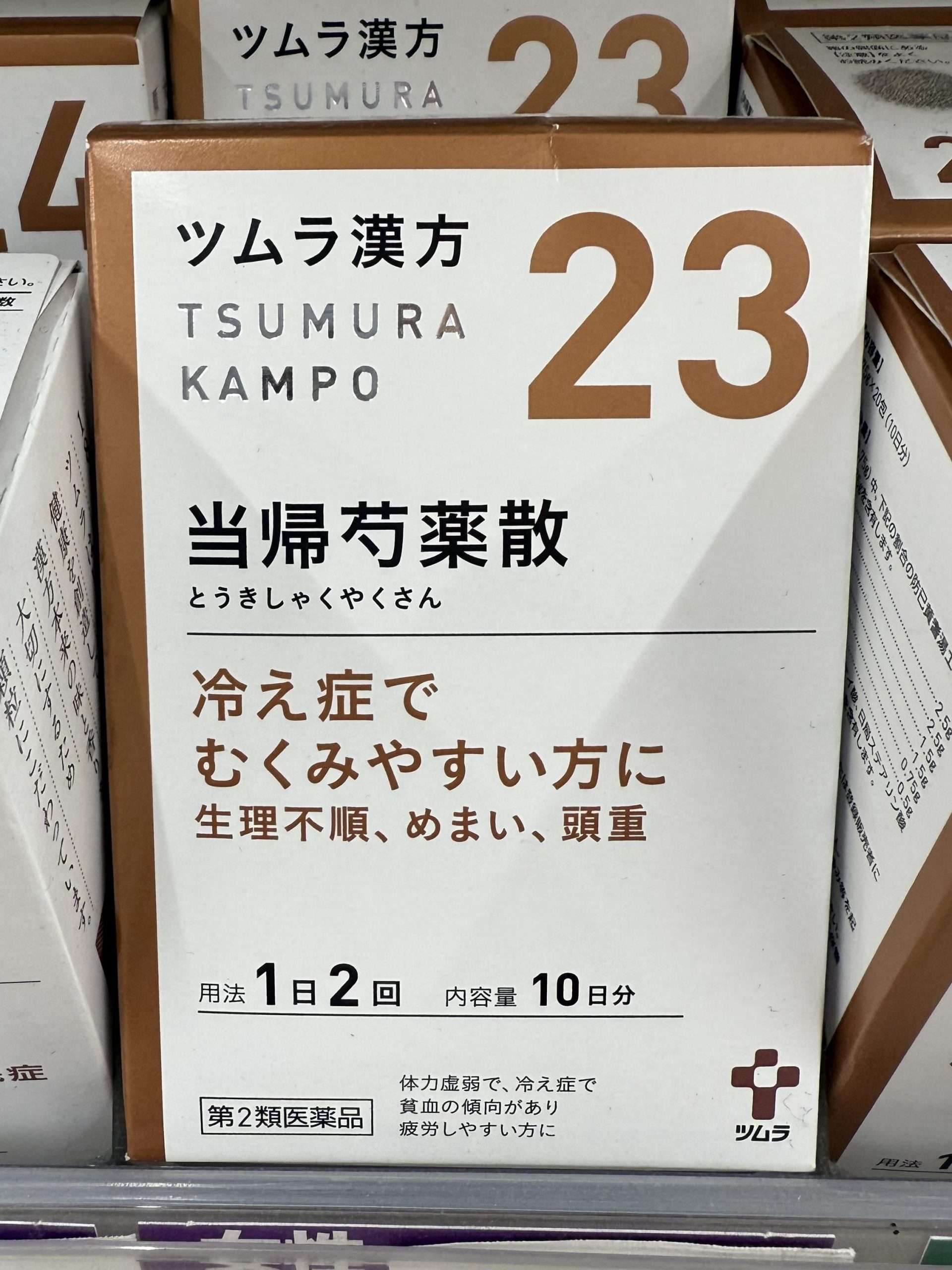
Tsumura-Kampo Tokisyakuyakusan
ツムラ漢方当帰芍薬散料
Often used for: Feeling Cold, Tired and Lightheaded
Tokishakuyakusan is typically used for people with weaker constitutions who tend toward anemia and feeling cold.
Tsumura’s tablets are approved for people with low stamina who feel cold, tire easily and sometimes experience lower abdominal pain, heavy-headedness, dizziness, stiff shoulders, tinnitus or palpitations. Menopausal disorder appears alongside menstrual complaints, swelling and lightheadedness. (PMDA)
Active ingredient: Dried extract of peony root, atractylodes rhizome, alisma rhizome, poria, cnidium rhizome and Japanese angelica root
Dosage: Adults aged 15 and over take one packet (1.875g) twice a day before meals, with water or hot water.
Price: Around ¥2,640 including tax for 20 packets (10 days) at Matsumoto Kiyoshi’s online store. Prices vary by pharmacy. (Matsumoto Kiyoshi)
Considerations: Tsumura advises stopping and consulting a doctor, pharmacist or registered drug seller if symptoms do not improve after about a month. Check with a professional first if you have a weak stomach or are already under a doctor’s care.
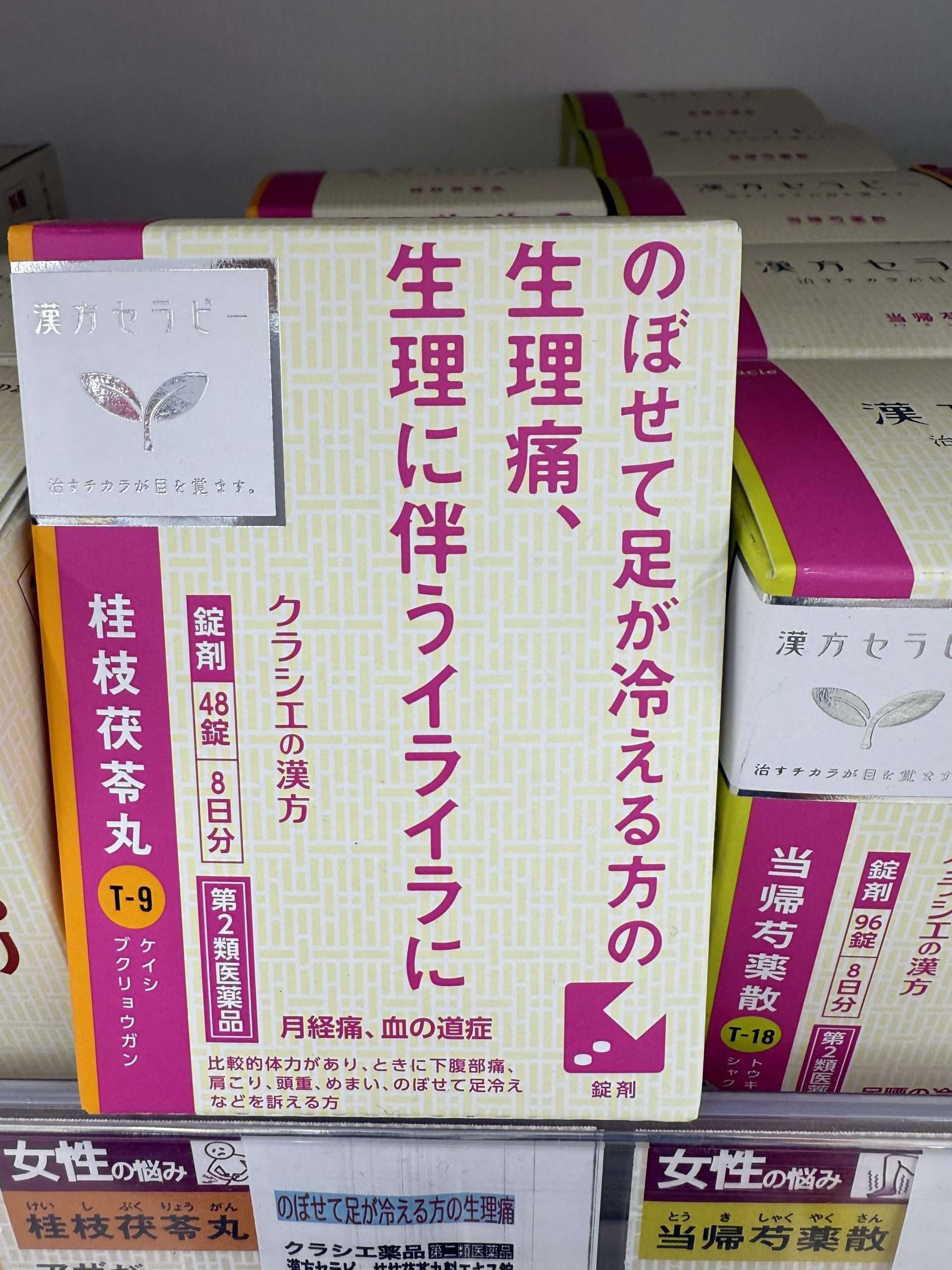
Kracie Keishibukuryogan Extract Tablets
「クラシエ」漢方桂枝茯苓丸料エキス錠
Often used for: Hot Flashes With Cold Feet
Keishibukuryogan suits people with moderate stamina who experience hot flashes and tenderness in the lower abdomen.
Kracie’s version is approved for people with relatively good stamina who sometimes have lower abdominal pain, stiff shoulders, heavy-headedness, dizziness, or hot flashes paired with cold feet. Uses include menopausal disorder, irregular periods and menstrual pain.
Active ingredient: Keishibukuryogan extract (cinnamon bark, poria, moutan bark, peach kernel and peony root)
Dosage: For the 48-tablet pack, adults aged 15 and over take two tablets three times a day before meals or between meals. Dosages differ between pack formats, so always follow the label on your box.
Price: Around ¥1,970 including tax for 48 tablets at Matsumoto Kiyoshi’s online store. Prices vary by pharmacy. (Matsumoto Kiyoshi)
Considerations: The manufacturer lists liver dysfunction as a rare but serious side effect and advises seeing a doctor right away for symptoms such as unusual fatigue or yellowing of the skin or eyes. Stop and seek advice if there is no improvement after about a month.
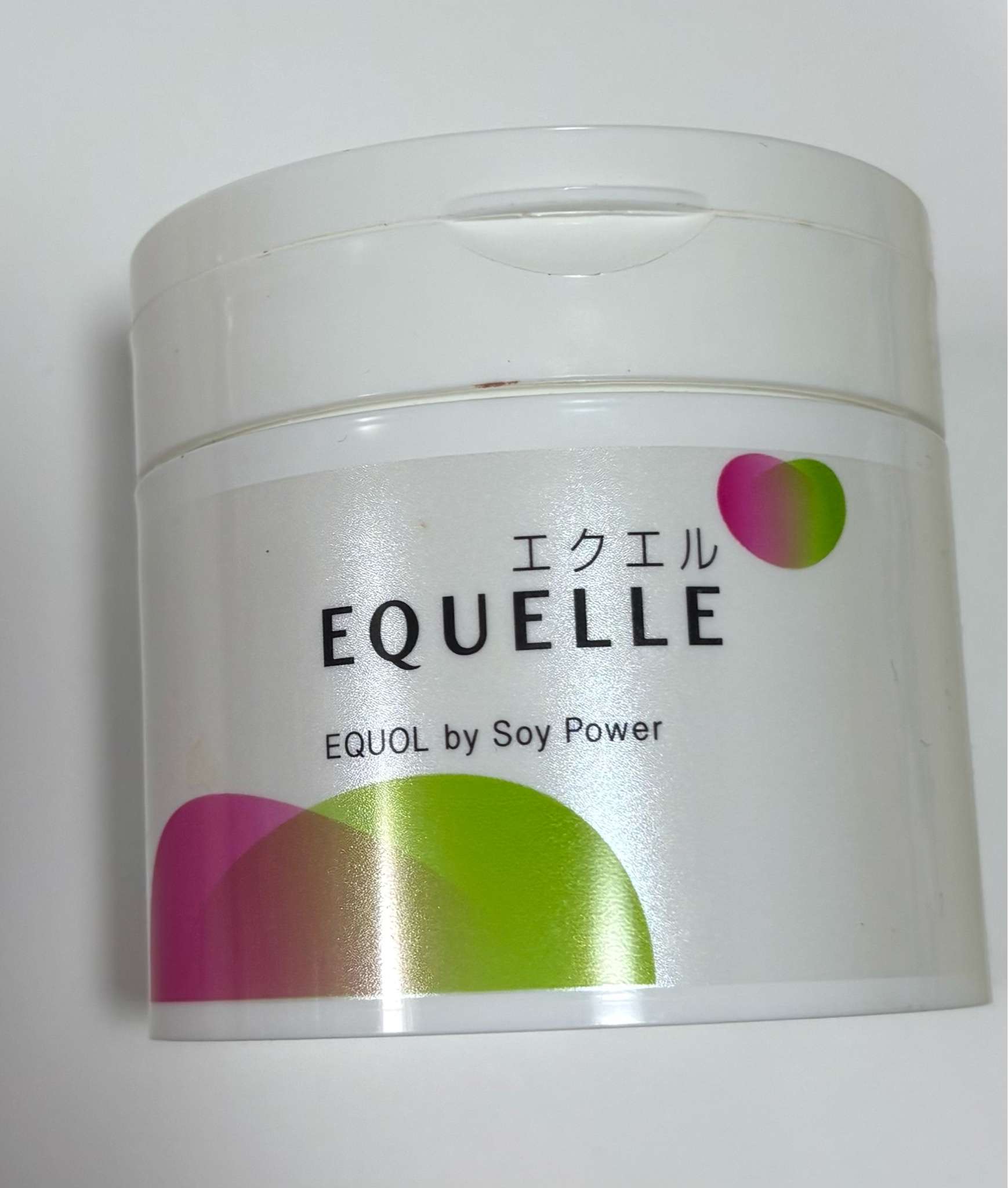
Equelle
エクエル
Category: Daily supplement
Sold by Otsuka Pharmaceutical, Equelle often sits close to the menopause shelf, but it is a food supplement rather than a medicine.
It contains S-equol, a compound made by fermenting soybean germ with lactic acid bacteria. Otsuka markets it as support for women’s health and beauty during the yuragi sedai (literally, the “fluctuating generation”) years. However, as a supplement, it carries no approved medical uses.
Content: 10mg S-equol per daily serving of four tablets
Price: ¥4,320 including tax for 112 tablets (28 days). (@cosme)
Considerations: The label says not to take it while pregnant or breastfeeding, and to consult a doctor first if you take medication or are under treatment. Avoid excessive intake when using it alongside other products containing soy isoflavones. (au PAY Market)
Which Kampo Should You Choose?
Kampo packaging usually describes the body type a formula is designed for, using terms such as tairyoku (stamina or constitution). This table, based on JSOG guidance, can help narrow things down.
| Your main symptoms | Constitution | What to look for |
|---|---|---|
| Fatigue, anxiety, irritability, trouble sleeping | Lower stamina | Kamishoyosan 加味逍遙散 |
| Feeling cold, anemia-like tiredness, dizziness | Lower stamina | Tokishakuyakusan 当帰芍薬散 |
| Hot flashes with cold feet, lower abdominal discomfort | Moderate stamina | Keishibukuryogan 桂枝茯苓丸 |
Want to learn more about traditional herbal medicine? See our Japan Drugstore Guide: Gentle Kampo Herbal Remedies in Japan for a broader introduction.
Useful Japanese Words at the Drugstore
Not sure how to describe your symptoms? These words and phrases can help.
| English | Japanese | Reading |
|---|---|---|
| Menopausal transition | 更年期 | konenki |
| Menopausal disorder | 更年期障害 | konenki shogai |
| Menopause | 閉経 | heikei |
| Hot flashes | ほてり / のぼせ | hoteri / nobose |
| Irregular periods | 生理不順 | seiri fujun |
| Kampo medicine | 漢方薬 | kanpoyaku |
| Gynecology clinic | 婦人科 | fujinka |
| Hormone replacement therapy | ホルモン補充療法 | horumon hoju ryoho |
| I think I have menopause symptoms | 更年期の症状があると思います | konenki no shojo ga aru to omoimasu |
| I’m taking other medication | 他の薬を飲んでいます | hoka no kusuri o nonde imasu |
When Should You See a Doctor for Menopause Symptoms in Japan?
OTC products can take the edge off milder symptoms, but if menopause is disrupting your sleep, work or relationships, a visit to a gynecologist is worth considering.
JSOG notes that treatment usually starts with a consultation and lifestyle changes covering diet, exercise and sleep. If symptoms persist, doctors in Japan have three main options:
- Hormone replacement therapy (HRT): Particularly effective for hot flashes and sweating, and available as pills, patches, gels and vaginal tablets. JSOG says the breast cancer risk from HRT is now understood to be comparable to, or lower than, lifestyle-related risks such as drinking alcohol.
- Prescription kampo: The same three formulas covered above, selected based on your symptoms and constitution.
- Psychotropic medicines: Antidepressants, anti-anxiety medication or sleep aids for emotional symptoms. Newer antidepressants such as SSRIs and SNRIs can also help with hot flashes.
JSOG also points out that menopause-like symptoms can mask other health problems, so a doctor may refer you to internal medicine, orthopedics, ENT or psychiatry to rule other conditions out. (JSOG)
Any vaginal bleeding after menopause, even a small amount or a single episode, should be checked by a doctor. It is usually not serious, but it can occasionally be a sign of cancer. (NHS)
If period pain or other gynecological concerns are also on your mind, read our Japan Drugstore Guide: Period Pain Relief and Women’s Health for more options.
FAQs
It depends on your symptoms. Inochi no Haha A is a popular all-round choice. Among kampo formulas, kamishoyosan suits fatigue and emotional symptoms, tokishakuyakusan suits coldness and tiredness, and keishibukuryogan suits hot flashes with cold feet.
The menopausal transition is 更年期 (konenki), and menopause itself is 閉経 (heikei). Symptoms severe enough to affect daily life are called 更年期障害 (konenki shogai).
The main OTC menopause products in Japanese drugstores, including all of the medicines in this guide, are not hormone treatments. For HRT, consult a gynecologist.
Manufacturers generally advise stopping and seeking advice if there is no improvement after about a month of use.
No. Equelle is a food supplement containing S-equol, a soy-derived compound, and it has no approved medical uses.
This information is based on current manufacturer information and medical guidance available as of October 2026. Product availability and prices may vary between pharmacies. Always read the package insert and follow the stated dosage.
This page has been brought to you as a public service of The Bluff Medical and Dental Clinic in Yokohama.