April 13, 2026
Japan’s Captive Capital: Trillions Locked Up In “Dementia Money”
The growing crisis of inaccessible wealth for Japan’s economy and families
By Metropolis
There is a growing pool of wealth in Japan that no one can spend. It’s tied up in ordinary bank accounts, accumulated over decades of careful saving, belonging to people who can no longer access it.
At one point, this “captive capital” was estimated to equal more than a quarter of Japan’s economy.
How Bank Accounts Become Frozen in Japan
The issue often begins subtly. An elderly customer forgets a password, struggles to explain a transaction or appears confused during a routine visit to the bank. In response, financial institutions may flag the account and restrict access as a precaution against fraud. Japan has seen a rise in scams targeting older people, and banks are under pressure to act conservatively.
Or it may happen more suddenly, such as a stroke or brain injury. Overnight, the customer can no longer give consent for their own account’s use.
Once that line is crossed, regaining control is not simple. Even close family members are finding themselves unable to withdraw money or manage basic financial tasks on behalf of a spouse or parent.
Why Families Can’t Access Savings
In other countries, families sometimes step in informally, helping to manage finances as a relative’s memory declines or after a sudden life-changing accident. In Japan, the system is far more rigid.
Without formal legal authority, access is limited. The official solution is the adult guardianship system, through which a court appoints someone to take over financial decisions. While this framework is designed to protect vulnerable individuals, it can be slow to implement and restrictive once in place.
Families often lose flexibility in how money is used, and the process itself can feel distant from the immediate realities of care.
The Real-Life Impact on Care and Daily Living
The result is a situation that many families are unprepared for. Savings that were intended to support old age become difficult to use at the very moment they are needed most. Paying for care homes, medical expenses, or even everyday living costs can become complicated, requiring approvals and oversight that did not exist before.
In many cases, relatives end up covering costs themselves.
How Much Money Is Locked Away in Japan?
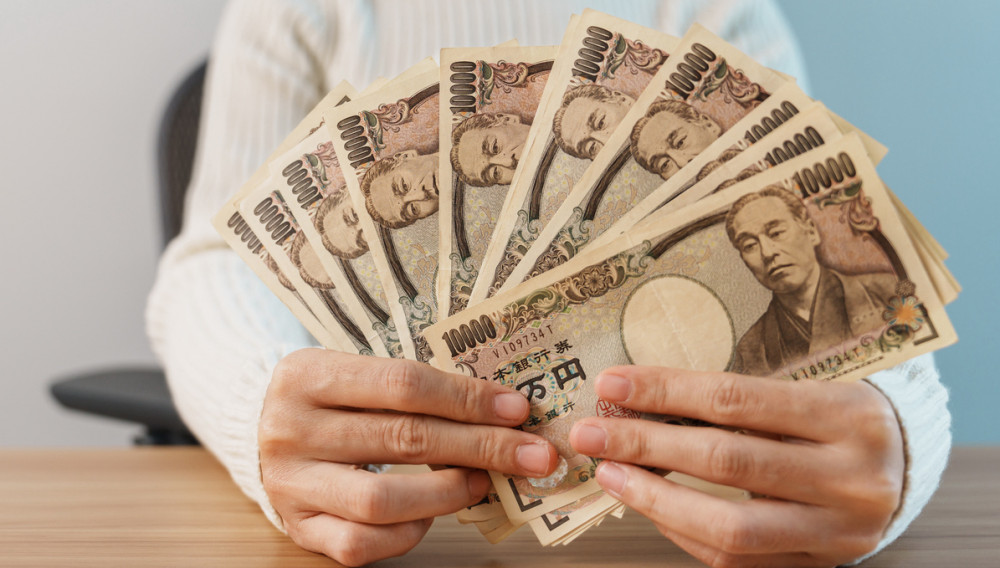
The scale is difficult to ignore. Estimates suggest that as much as ¥143 trillion (around $1.3 trillion) is already tied up in accounts linked to dementia, according to The Japan Times. More recent projections suggest the broader pool of at-risk assets could be far higher, with up to ¥315 trillion (around $2 trillion) now controlled by elderly individuals experiencing cognitive decline, as reported by Bloomberg.
The Economic Impact of Frozen Assets
This has implications beyond individual households. Japan has long struggled to stimulate consumer spending, with policymakers encouraging people to use their savings to support economic growth. However, money that cannot be accessed cannot be spent. As more assets become locked, a portion of national wealth is quietly removed from circulation. It does not contribute to investment, consumption or intergenerational transfer, creating a slow but persistent drag on economic activity.
Cultural Barriers to Financial Planning in Japan
Cultural factors also play a role. Conversations about aging and decline are often delayed, and planning for loss of capacity is not always prioritised. There is a strong emphasis on independence and not burdening others, which can make it difficult for families to address these issues early. By the time action is taken, the window for informal solutions may have already passed, leaving only more formal and restrictive options.
Protection vs Access: A System Under Pressure
There is no clear fault in this system. Banks are attempting to prevent exploitation, and the legal framework is intended to provide structure and protection. Families, in turn, are navigating a situation that is both practical and deeply emotional. Yet the outcome reveals a tension between safeguarding assets and maintaining quality of life. Protecting money is not the same as enabling it to be used effectively.