September 19, 2025
Gorpcore: History of “Outdoor Fashion” and the Japanese Brands To Know
Why outdoor clothing is popular in Japan
This article was originally published as “Why Outdoor Clothing Is Huge in Japan—Even in the City” in Metropolis Magazine, Autumn 2025.
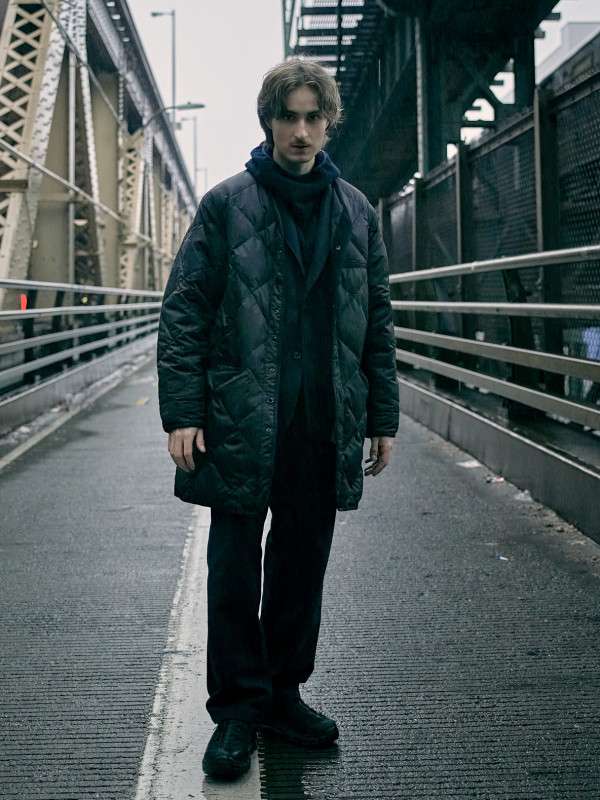
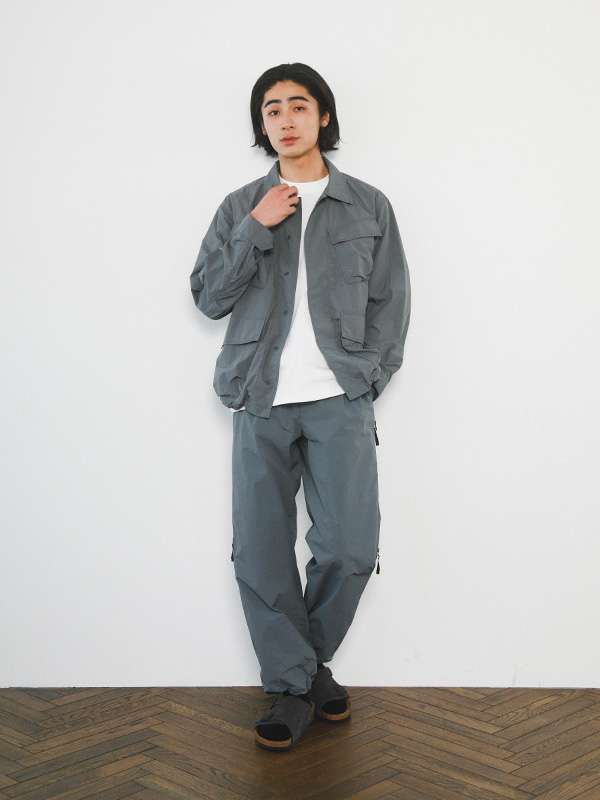
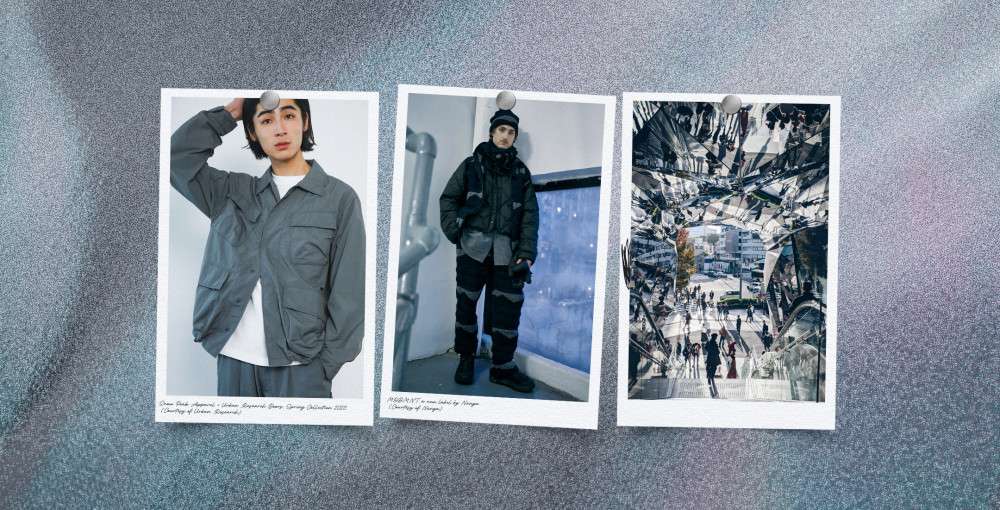
Dressing “outdoorsy” hasn’t always been a compliment. The internet still roasts German tourists who look like they’re ready to hike through downtown Paris. Yet today, some of the most coveted names in Japanese fashion are outdoor clothing brands. Cool boutiques in London and New York stock these outdoor brands, and Japanese fashion magazines, often featuring styles that incorporate outdoorsy items, are frequently cited by fashionistas abroad, even if they can’t read the text.
But what exactly is “outdoor fashion,” especially when we’re not always talking about what people wear on actual hikes or camping trips? Why is it so big in Japan? And how do you pull it off?
“Functional Fashion,” an Oxymoron?
Outdoor clothing and gear exist for one purpose: functionality. Water resistance, breathability, insulation, durability and so on. By that measure, outdoor clothing represents the peak of what garments can technically do. But when these pieces are worn in the city, it’s no longer about climbing the mountain or spending the night in the wilderness. It’s about being “over-prepared” for everyday life, or letting your weekend hobbies show through your weekday style.
Historically, though, “fashion” and “function” were rarely compatible. Fashion belonged to the realm of high-class culture, especially in Europe, which is still seen as fashion’s center. As French sociologist Pierre Bourdieu argued, “taste” is a tool of distinction, a way for the bourgeoisie to separate themselves from the working class. While fashion involves clothing, clothing is not always fashion. Fashion belongs to a culture of enthusiasm, stratification and trend, at once a form of self-expression and a collective practice that conforms to social ideals. Trends are about joining the bandwagon, yet they must keep shifting before others catch up, designed to exclude the “wrong” audience. Belonging and exclusivity have always gone hand in hand.
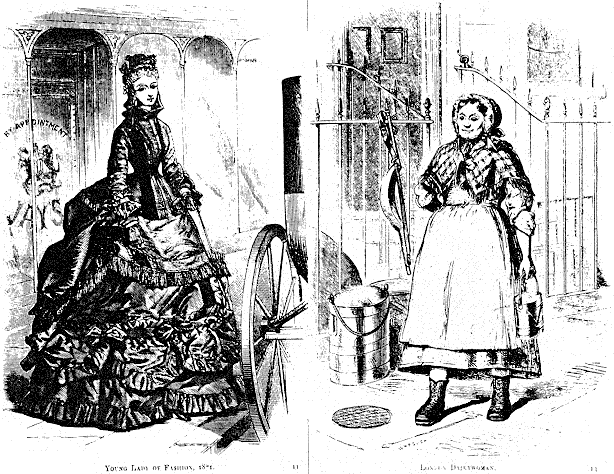

Functionality didn’t fit this system. Function evolves toward a single goal, better movement, better protection and so on, while fashion thrives on endless cycles and returns. Delicate fabrics and decoration often restricted mobility, which was itself a class signal: proof that the wearer didn’t need to work. So much of fashion was not functional and outdoor activities that required functionality were not a desirable aesthetic to reference in fashion either.
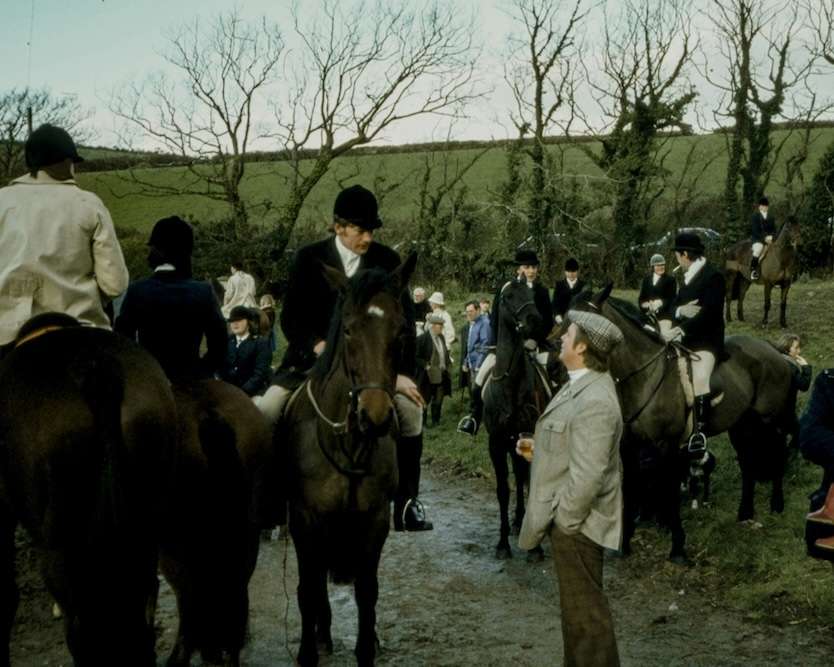
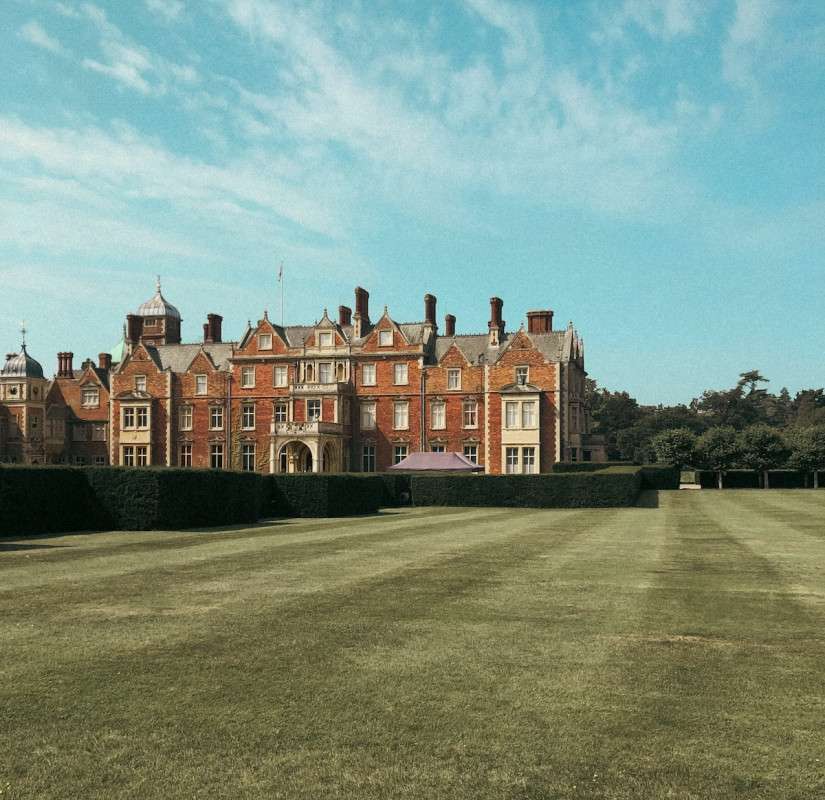
Of course, there is an exception. Imagine tweed Norfolk jackets and deerstalkers walking through the woods of Sandringham—is that a “lewk”? Most would say yes: that’s a sophisticated style. Shooting and hunting are, technically, outdoor activities, and they’re probably one of the earliest examples of clothes designed for function being incorporated into wider “fashionable” use. But this was only because of their association with the upper class, distinguishing them from other outdoor activities. Before asking “Is it a fit, or are they just skinny?” the better question might be: “Or are they just posh?”
Today, exclusivity still matters, but functionality has become a form of value in itself. We expect performance from the products we buy. Global urbanization also meant that outdoor activities became desirable leisure pursuits, a kind of luxury. The outdoors became an aesthetic in its own right.
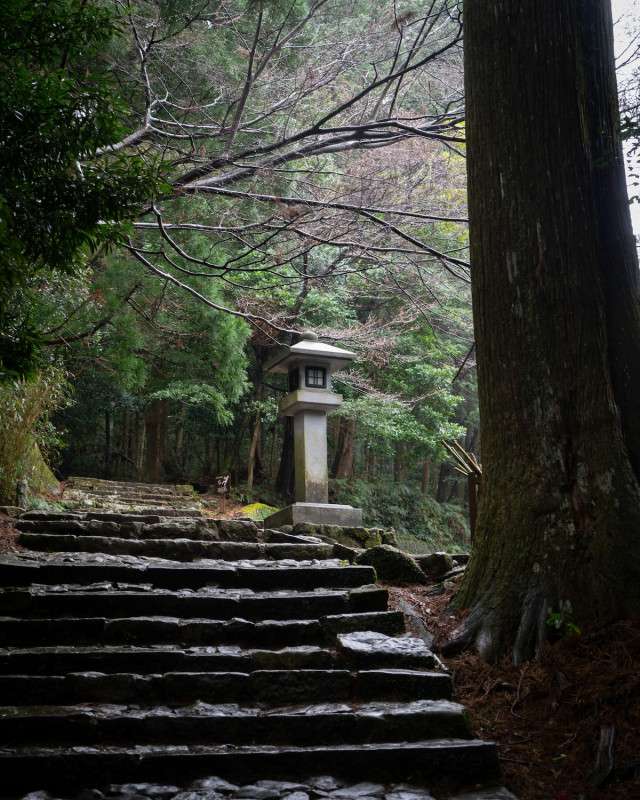
This is especially true in Japan, which helps explain why the country has so fully embraced outdoor fashion. To begin with, Japan’s embrace of outdoor activity and its clothing is shaped by geography and history. Nearly 70% of the country is forested (comparable to nations like Sweden, Finland and Bhutan), with mountains crisscrossing the archipelago. Domestic tourism has a long history in Japan, especially popularized across classes in the Edo period. Travel was done on foot through the mountains, along developed trails with stops at post towns. While hiking and camping in their modern forms may be relatively new, outdoor activities as leisure have deep roots in Japan.
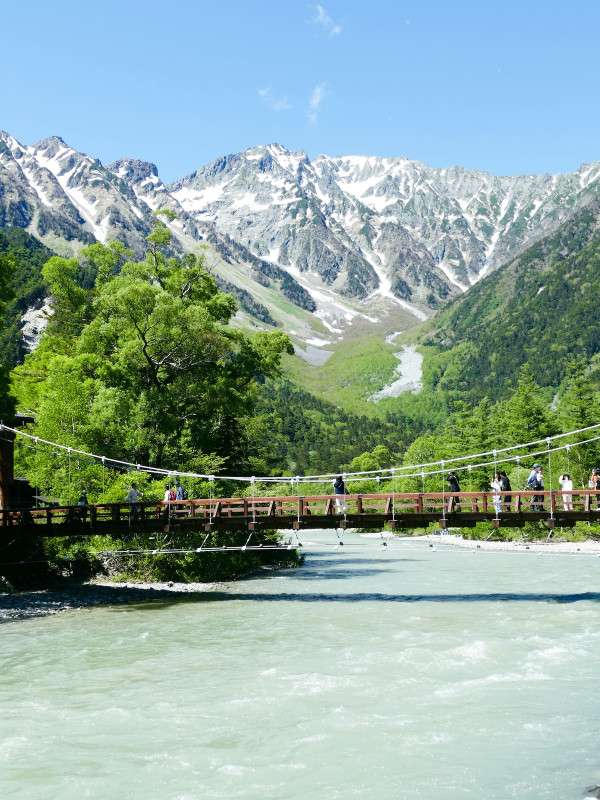
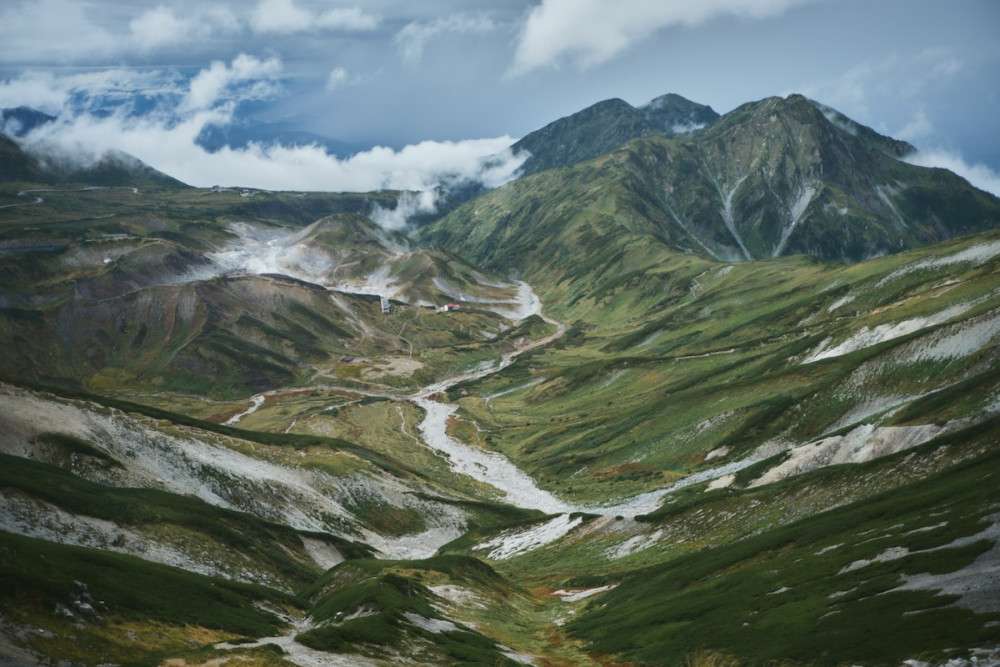
Rapid industrialization of the Meiji era pushed people into cities and fueled demand for weekend escapes, leading to mountain resorts across the country. After WWII, the 1964 Tokyo Olympics gave athleisure and sportswear a boost. Later, the Nagano Winter Olympics in 1998 spotlighted Japan as a global winter sports destination. By then, a growing middle class, new leisure habits and urban fashion scenes had all made outdoor clothing fashionable in Japan.
Practical Guide to Japanese Outdoor Fashion
Enough history, let’s get to the point. Here are the key Japanese brands and labels, as well as tips for shopping and styling.
[Japanese Brands and Labels to Know]
- Snow Peak
Founded in Niigata in the 1950s as a small metal forge, Snow Peak saw an opportunity in the lack of good domestic climbing gear. From there, it grew into a full lifestyle brand, producing everything from titanium cookware to minimalist apparel.
- Nanga
Named after the Himalayan peak Nanga Parbat, it was originally founded in 1941 as a bedding manufacturer. Using its expertise in down feathers, the company began making sleeping bags and expanded into climbing gear. Today, Nanga’s sleeping bags and padded jackets are trusted by mountaineers worldwide.
- Montbell
A globally known brand that many don’t realize is Japanese. Established in Osaka in 1975, Montbell became the most accessible Japanese outdoor brand. Lightweight, functional and relatively affordable.
- Goldwin
Originally a knitting factory in Toyama, Goldwin shifted into sports apparel, even producing licensed lines of The North Face in the 70s and Helly Hansen in the 80s, before growing into a global technical-fashion player. Today, its sleek designs blur the line between outdoor gear and fashion-forward streetwear.
- Nanamica
A Goldwin brand led by Eiichiro Homma, Nanamica is known for pieces made with high-performance materials that look effortless, natural and urban. - White Mountaineering
Founded by Yosuke Aizawa, who trained at Comme des Garçons, this brand brings a luxury sensibility to outdoor wear, frequently showing at Paris Fashion Week. It even collaborated with Moncler in 2013. Expect advanced fabrics and highly stylized silhouettes. - Engineered Garments
Daiki Suzuki’s New York–based brand under Japanese fashion house Nepenthes. He reinterprets vintage American workwear and outdoor styles with obsessive detail. Popular in select shops, it’s functional clothing seen through a fashion lens. - Daiwa Pier39
A spinoff from global fishing brand Daiwa, Pier39 focuses on urban reinterpretations of fishing and outdoor items. Loose fits and layered styling make it a favorite for the “city boy” look. - and wander
A younger brand that fully embraces the intersection of outdoor activity and high design. Minimalist silhouettes, reflective detailing and lightweight tech fabrics. - Yamatomichi
A small Kamakura-based brand specializing in ultralight hiking gear, started by a husband-and-wife team. It has become a cult favorite, especially known for stylish and functional backpacks. - Mountain Research
A cult label that blends conceptual design with vintage mountaineering aesthetics. Its collections often weave in philosophy and irony alongside technical-inspired garments. - F/CE
Known for bags and apparel inspired by travel and functionality, F/CE makes pieces that slot seamlessly into city life while keeping a gear-like edge.
Alongside domestic names, many international brands release Japan-only labels. These lines often feature local Japanese designers. - The North Face Purple Label
Designed in collaboration with Nanamica, this line is exclusive to Japan. It reimagines The North Face’s technical DNA with refined, urban silhouettes. - Marmot Capital
A Japan-only line that transforms the Californian camping and hiking brand Marmot into more lifestyle-oriented designs. - Columbia Black Label
Columbia’s Japan-exclusive line focuses on minimal, tailored cuts and fashion-friendly palettes while keeping technical credibility. - Burton’s Japanese Lines
Known for snowboard gear, Burton often has items made for the Japanese market. For example, the legendary Fragment Design founder Hiroshi Fujiwara’s AK457 line is unfortunately gone, but Burton continuously releases Japan-exclusive and Japan-designed items.
[Where to Buy]
Jimbocho and Ochanomizu have traditionally been the areas for outdoor and sports clothing and gear in Tokyo, and they’re still fun places to explore retailers. Today, though, many flagship stores are concentrated in western Tokyo, especially Shibuya, Omotesando and Daikanyama.
For fashion-focused shopping, official brand stores are best, with flagship locations offering full collections and exclusive releases. Mass-market third-party retailers, including major outdoor shops, may only carry limited items or logo-heavy basics, often produced under license.
But the real secret lies in 別注 (betchu). It literally means “special order,” not you customizing your order, but retailers commissioning brands to make exclusives just for them. This is especially common in “select shops,” a category of Japanese boutiques that curate their stores with multiple brands, their own labels and collaborations to fit a specific aesthetic. So Beams, United Arrows or Journal Standard might ask Patagonia, Arc’teryx or another big name for a design with their own twist. The result? Rare, design-forward items you won’t find in the mainline.
[How to Wear]
You can wear outdoor fashion however you like, but if you want to channel Japanese style, here are some guiding principles.
Mix Materials
Mixing different textures is one of the easiest ways to make your outfit look interesting. If you’re unsure, categorize materials into organic/natural (like cotton or wool) and synthetic/technical (like shiny nylon) and use both in balance. For beginners, keep your color palette similar while playing with different textures.
Example: a Gore-Tex jacket with chinos, mountain shoes with a corduroy bucket hat, or a linen shirt with hydro shorts.
Layering and Relaxed Silhouettes
Japanese street style has long embraced layering and looser fits, which work naturally with outdoor elements.
Example: layer a breathable mesh vest over a simple shirt, pair with wide hiking cargos.
Make Themes
Outdoor fashion is all about intentionality. A nod to a bygone era contextualizes the look. Tap into Americana, 90s Japanese street style or other cultural references.
Example: thrift a vintage Patagonia fleece, pair an Arc’teryx jacket with 70s jeans, or mix retro hiking sneakers with simple fits.
Hop on Instagram and use hashtags like #アウトドアファッション (autodoa fasshon—literally, “outdoor fashion) to find more everyday inspo. One account I especially recommend is Kaneko Shigeru (@shigerukaneko), a Beams buyer known for his love of outdoor
Interested in fashion or learning about Japanese aesthetics? You might also enjoy these articles:
“Magical Girl” Fashion Trend in Japan
The Japanese Aesthetic of Transparency: From Hokusai to Pocari Sweat