February 13, 2026
Ramadan in Tokyo 2026: Dates, Iftar Spots and Prayer Spaces
How Ramadan is observed across the city
By Metropolis
Ramadan Kareem
Ramadan is the ninth month of the Islamic lunar calendar and one of the five pillars of Islam, centered on fasting, prayer, and community. Mosques and community spaces across Tokyo host shared iftars, organized nightly prayers, and Eid gatherings. For those observing Ramadan in Tokyo, here’s our guide to key dates and spaces across the city.
Interested in cultural celebrations? Take a look at our article on celebrating Chinese New Year in Japan.
Ramadan 2026 Dates In Tokyo
Ramadan is expected to begin in mid-February and continue for twenty-nine or thirty days, depending on the sighting of the new moon. Precise confirmation arrives shortly before the month opens, once religious authorities verify the lunar observation.
Start of Ramadan: Feb. 19, with the first fast beginning at dawn
Estimated end of Ramadan: March 18 or 19
Daylight hours: Shorter winter days mean earlier iftar times, usually in the early evening
Date confirmation: Dates are typically confirmed the night before, based on moon sightings
Fasting And Prayer Times In Tokyo
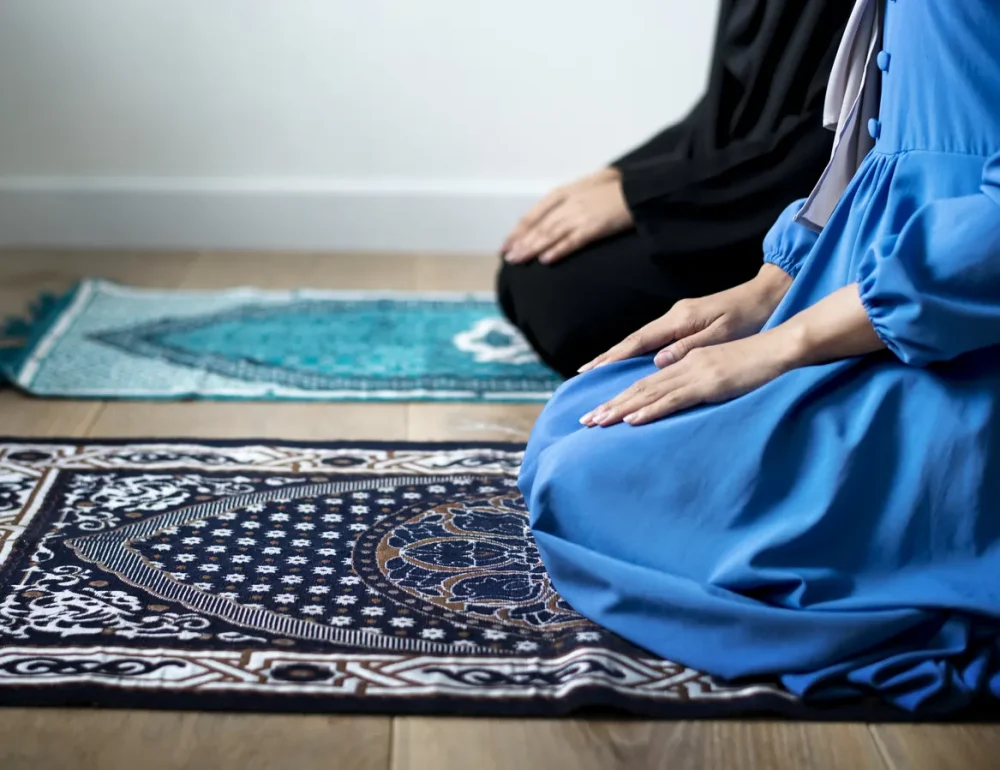
Each day begins before sunrise with suhoor, the pre-dawn meal. Worshippers then perform Fajr prayer as first light spreads across the skyline. From that moment until sunset, food and drink are set aside.
Iftar arrives moments after the Maghrib call to prayer. In the early part of Ramadan, Maghrib is expected around 5:25 to 5:40 pm. As March progresses and daylight lengthens, sunset inches later. Even a ten-minute shift can alter commuting patterns and dinner plans.
Most mosques and Islamic organizations publish detailed daily timetables. These schedules anchor the day, guiding not only fasting but the five daily prayers and the extended evening Tarawih prayers held throughout the month.
Where To Break Fast And Pray In Tokyo
Mosques across the capital become focal points during Ramadan. Some host expansive communal meals that draw hundreds. Others cultivate smaller gatherings built on familiarity and shared routine. The choice often depends on proximity, language, atmosphere and personal preference.
Tokyo Camii & Diyanet Turkish Culture Center
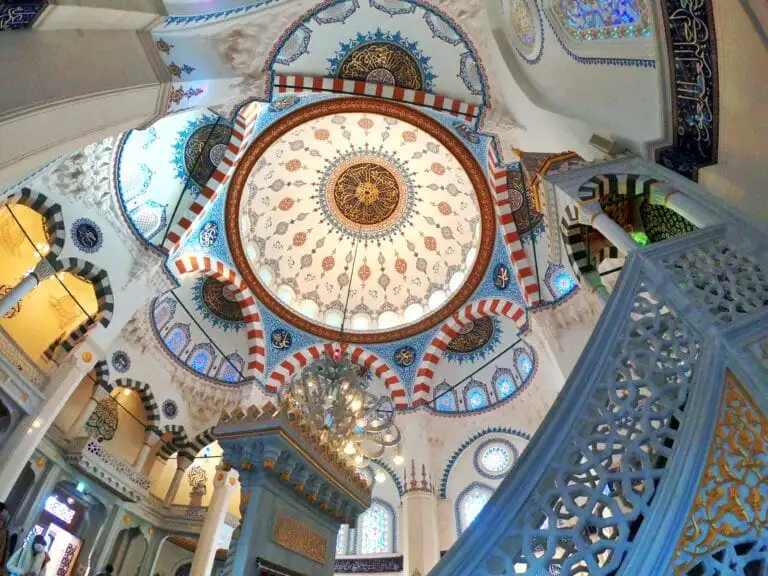
Tokyo Camii stands as the city’s most prominent mosque, its Ottoman-inspired architecture rising above the quiet streets of Shibuya. During Ramadan, it will once again host large-scale communal iftars at sunset. Volunteers prepare and distribute meals in an orderly setting, with worshippers seated in structured rows.
Attendance often swells in the final ten nights, and entry policies can shift on especially busy evenings. Checking official notices in advance prevents confusion.
Area: 1-19 Oyamacho, Shibuya-ku (Limited seating on peak days)
Iftar: Daily at sunset during Ramadan
Website: tokyocamii.org
Masjid Indonesia Tokyo
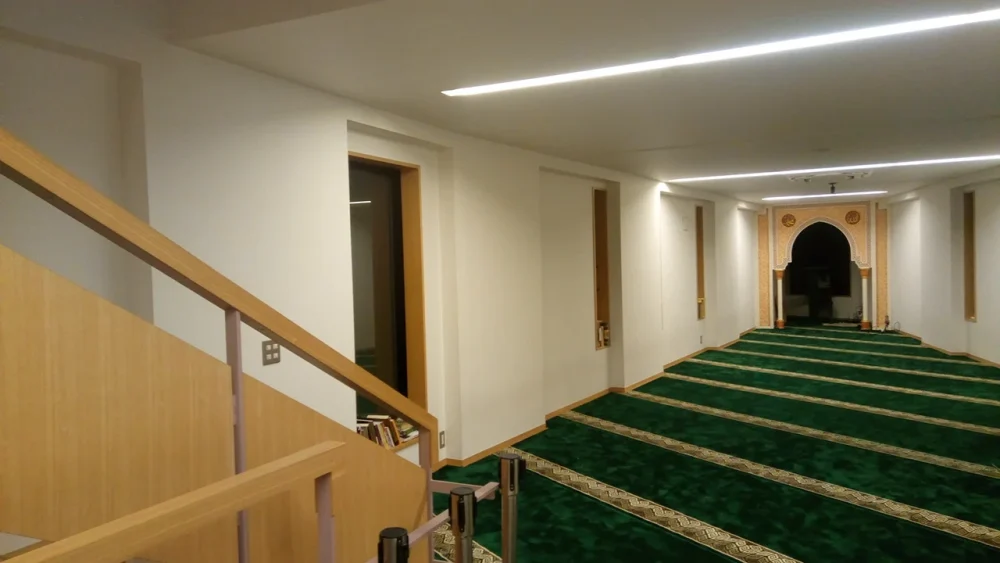
Masjid Indonesia Tokyo offers a more intimate setting. Weekend iftars often feel familial, with worshippers exchanging dishes and conversation in equal measure. Indonesian, South Asian and local attendees form the core of the congregation, though visitors are welcomed.
Address: 4-6-6 Meguro, Meguro-ku
Iftar: Every day
Website: masjidindonesia.jp
Masjid Dar Al-Arqam
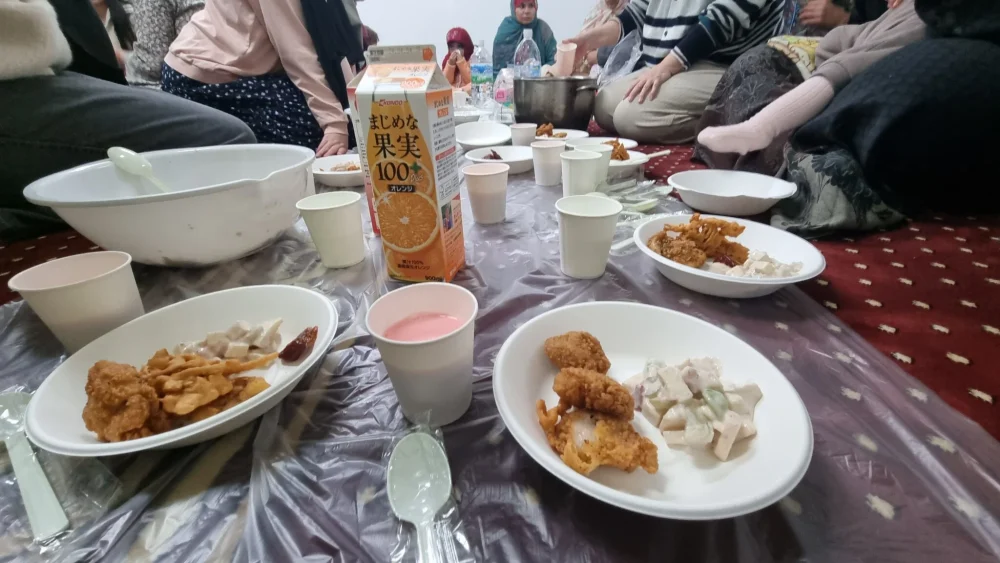
Located in Asakusa, Masjid Dar Al-Arqam draws a diverse congregation. Iftar here often features an array of international dishes, reflecting the varied backgrounds of those who attend. The atmosphere leans informal yet attentive, and on selected days, non-Muslim visitors receive invitations to observe and learn.
Address: 1-19 Oyamacho, Shibuya-ku
Iftar: After the daily Maghrib Adhan
Website: masjid-asakusa.ucoz.com
Observing Ramadan In Tokyo
Tokyo is not a Muslim-majority city. Still, awareness of Ramadan has expanded, particularly in neighborhoods near mosques and halal restaurants. Some eateries prepare set iftar meals that include dates, soups and shared platters suitable for groups arriving just before sunset.
Volunteer-run iftars remain common. Arriving early allows organizers to manage seating and meal distribution without strain. In areas surrounding mosques, discretion around eating or drinking in public during fasting hours is often appreciated.
Eid Al-Fitr In Tokyo
The conclusion of Ramadan in Tokyo arrives with Eid al-Fitr, the festival marking the first day of Shawwal. Celebrations begin at sunset on March 18 or 19, subject to confirmation of a waxing crescent moon, and continue through March 20.
Eid prayer is held early in the morning, often around 8 am, at major mosques and rented community halls. Congregations gather in large numbers. Sermons emphasize gratitude, renewal and communal responsibility. After prayer, families exchange greetings and share meals that extend late into the day.
Don’t miss out. Check out our full list of Things To Do in February in Tokyo.