January 14, 2026
Where Did The Meme “You Met Me at a Very Chinese Time in My Life” Come From?
The TikTok and Instagram trend explained
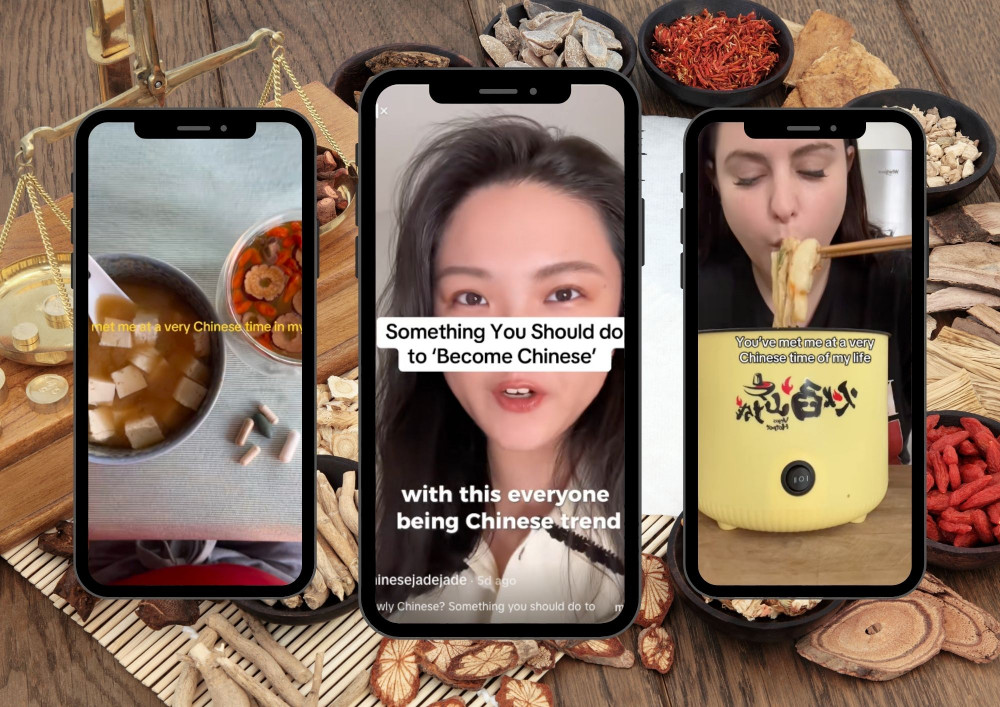
If you have been scrolling TikTok or Instagram over the past few months, you have likely seen the phrase “you met me at a very Chinese time in my life,” often used as a caption, a comment or a quiet reasoning, without much further detail. It might accompany a reel of drinking hot tea, or a lifestyle shift that feels both intimate and oddly specific.
Despite how established it now feels, the phrase is relatively new and deeply rooted in a particular corner of social media culture. And unlike many viral trends that flatten or borrow aesthetics without context, this one grew out of learning, participation and community-led humor.
Be the first to know Japan’s biggest pop culture stories
@emmapeng0619 a statement on the recent trend of being Chinese , #newlychinese ♬ original sound – EmmaPeng
Learning Chinese Culture Through Lifestyle
At its heart, the phrase reflects a phase of active engagement with Chinese culture. The focus is often on everyday habits rather than grand gestures. People using it are usually not talking about language fluency or formal tradition. Instead, they mean smaller, embodied changes: drinking hot tea instead of iced drinks, eating for health rather than convenience, avoiding cold feet at night, paying attention to balance, rest and nourishment.
These ideas draw loosely from traditional Chinese health beliefs and everyday customs, many of which emphasize balance, prevention and long-term well-being. On social media, they are often introduced casually, through partners, friends or creators explaining why something as simple as cold water is suddenly off-limits.
Saying “you met me at a very Chinese time in my life” becomes shorthand for a moment when someone was deeply immersed in these practices. Sometimes seriously, sometimes playfully, often with genuine curiosity.
Origins and Evolution of the Trend
The foundation of the phrase was laid during what many users now refer to as the “turning Chinese” trend on TikTok. This began with Chinese American creators sharing aspects of Chinese culture in an accessible, humorous way. Videos often focused on makeup styles, music, clothing, family dynamics and food, especially in the context of romantic relationships or intercultural households.
The phrasing mirrors the line from Fight Club: “You met me at a very strange time in my life.” Structurally and rhythmically, “You met me at a very Chinese time in my life” is an intentional echo. It keeps the cadence, emotional weight and retrospective tone of the original line, which is why it feels instantly cinematic and reflective even to people who can’t place why.
Most creators using the phrase are not referencing the film directly. The line has been culturally detached from its source, functioning more like a linguistic template than a quote. This happens often with iconic movie lines that enter internet language; the structure survives even when the reference fades.
The specific phrasing “you met me at a very Chinese time in my life” gained wider traction through creators like Sherry (@sherryxiiruii). Her dry humor and self-aware delivery helped crystallize the idea into a repeatable format. In one widely shared video, she jokingly told followers, “Tomorrow, you’re turning Chinese. You are the chosen one.” A line that perfectly captured the tone of the trend: exaggerated, affectionate and in on the joke.
@sherryxiiruii i am here for you in this very chinese time in your life. #chineseamerican #americanbornchinese #chineseculture #chinesecuisine #chinesefood ♬ original sound – sherry
Other creators, including musician Keli Holiday (@keliholiday) and comedian Jimmy Yang (@jimmyoyang), added their own voices, sharing relatable experiences about cultural blending, daily habits, and the gentle absurdity of learning new rules about food, health and family life as an adult.
@iitu.h thank you miss @sherry for letting me know (I miss ice cold water) #chinese #hotwater #tcm #chinesemedicine ♬ original sound – alex
Importantly, the trend was largely led by Chinese and Chinese diaspora creators themselves. That leadership shaped its reception.
Community Reception
Unlike many social media trends that borrow from Asian cultures and later receive criticism for appropriation, Chinese viewers have broadly praised this one. The tone was appreciative rather than extractive, educational rather than performative. Humor came from lived experience, not from caricature.
For example, the term “zen” is frequently used in interior design, productivity content and wellness branding to signal calm, emptiness or luxury minimalism. Japanese Buddhists and scholars have pointed out that Zen is not an aesthetic but a religious and philosophical practice, and that its casual use often erases its depth.
Hanbok-inspired fashion content has occasionally been criticized when creators treat traditional clothing as a costume, without crediting history or regional differences, especially when Korean creators are absent from the trend.
Why the “Very Chinese Time” Trend Was Different
What sets “you met me at a very Chinese time in my life” apart is not that it avoids cultural reference, but that it is led by Chinese creators, rooted in everyday experience and framed with humor and self-awareness. Instead of extracting aesthetics, it centers habits, language and lived adjustment. Learning to drink hot tea and thinking about food temperature becomes part of the story, not just the backdrop.
This distinction matters. Appreciation tends to involve listening, participation and credit. Appropriation tends to flatten, take, aestheticize and move on.
Cultural appreciation
Cultural appreciation refers to engaging with another culture through learning, participation and respect. It involves listening to people from that culture, understanding context and acknowledging origins. Appreciation enables the sharing of cultural practices while preserving their original meaning and acknowledging the communities from which they originate.
Cultural appropriation
Cultural appropriation refers to the use of elements from a culture, particularly from marginalized or minority groups, without understanding, acknowledgment or respect for their original context. It often reduces complex traditions to surface-level aesthetics or trends, removes them from their cultural meaning and treats them as interchangeable or disposable.
What the Phrase Really Means
Today, “you met me at a very Chinese time in my life” is less about trend and more about feeling. It’s a playful way of saying someone was in a phase of deep cultural appreciation or immersion. Sometimes sparked by a relationship, friendship or personal interest.
It suggests a period of learning how another culture approaches care, food, routine and the body. The phrase also hints at transformation, the quiet kind that happens through repetition rather than announcement. Drinking hot tea, sleeping with socks on, eating foods to support your body during your menstrual cycle, thinking differently.
Like many successful internet phrases, it works because it is specific enough to be meaningful and vague enough to travel. People who get it immediately understand what is being said. Those who do not can sense that it refers to a season of change that mattered.
And perhaps that is why the phrase has stuck. It names a version of growth that is not loud or linear, but warm, domestic and quietly influential. Sometimes, that is exactly the kind of time that shapes you the most.
You might also like “Ruby-chan! Hai! Nani ga suki?” Trend Explained: What It Means and Where It’s From