April 5, 2026
Anime and the Adverse Effects of Growth
Milking the proverbial cash cow dry
By Chris Cimi
The rise of anime as a global industry
The popularity of anime continues to grow at a remarkable pace, especially internationally. As of 2025, Netflix reports that more than 150 million households worldwide have watched anime on the platform, reflecting significant growth from earlier figures. According to The Hollywood Reporter, anime now accounts for billions of viewing hours annually. Meanwhile, dedicated streaming service Crunchyroll—operated by Sony—has surpassed 17 million paying subscribers, highlighting the scale of anime’s global audience across platforms.
Blockbusters and the business of anime
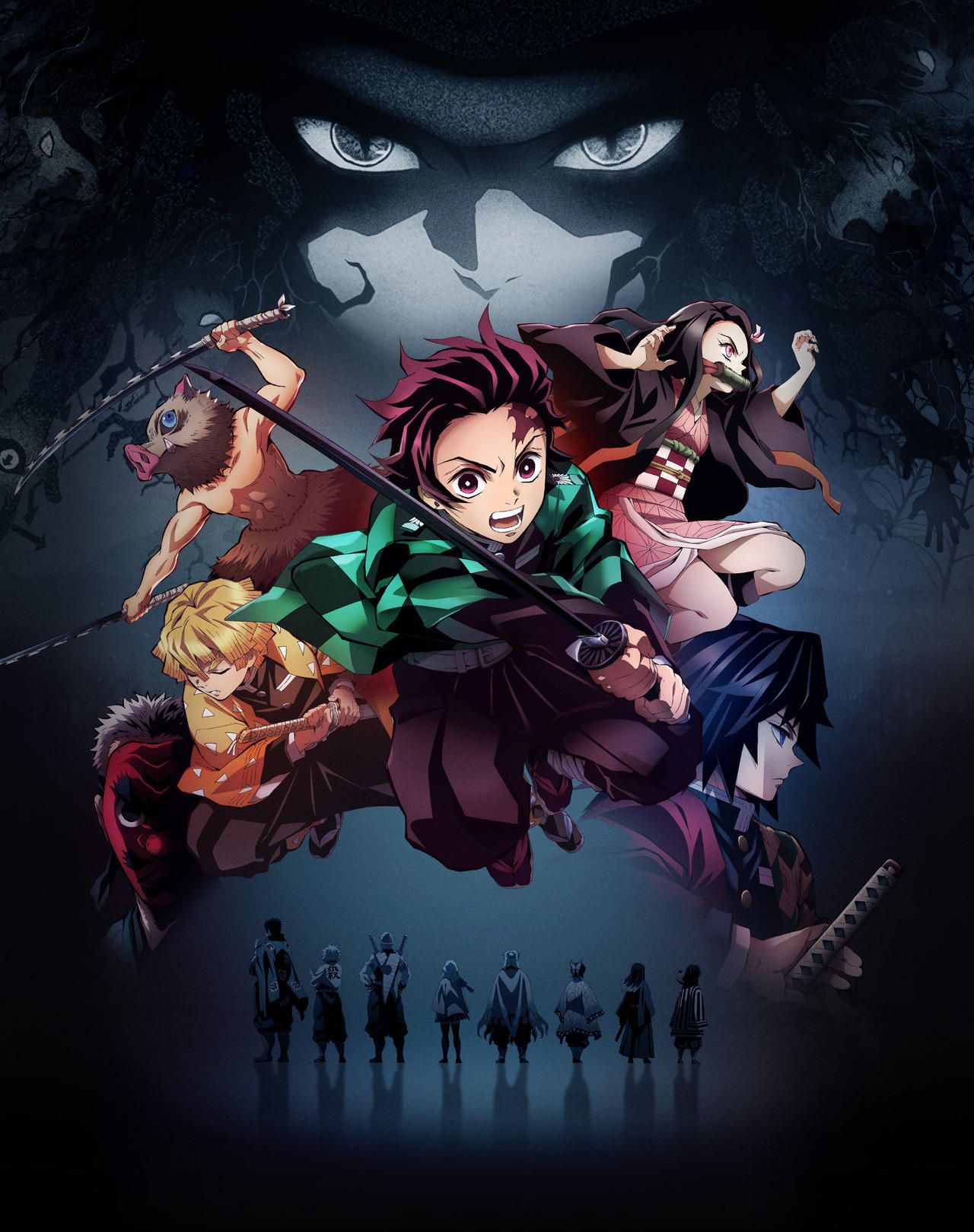
Anime is now mainstream, or so we think. At the time of the writing, Demon Slayer: Kimetsu no Yaiba – The Movie: Infinity Castle has surpassed its predecessor to become the highest-grossing anime film worldwide, earning nearly $800 million globally. Its predecessor, Demon Slayer: Kimetsu no Yaiba – The Movie: Mugen Train, was previously the record-holder and the most successful film worldwide in 2020. While the franchise continues to act as a major economic pillar for the industry, this success brings us to the real issue. As anime grows into a global economic force, it is increasingly embracing the same lack of creativity that has plagued Hollywood for over a decade—rehashing familiar formulas and, more recently, splitting final arcs into multi-part theatrical releases for guaranteed profit.
The dominance of the Shonen Jump formula
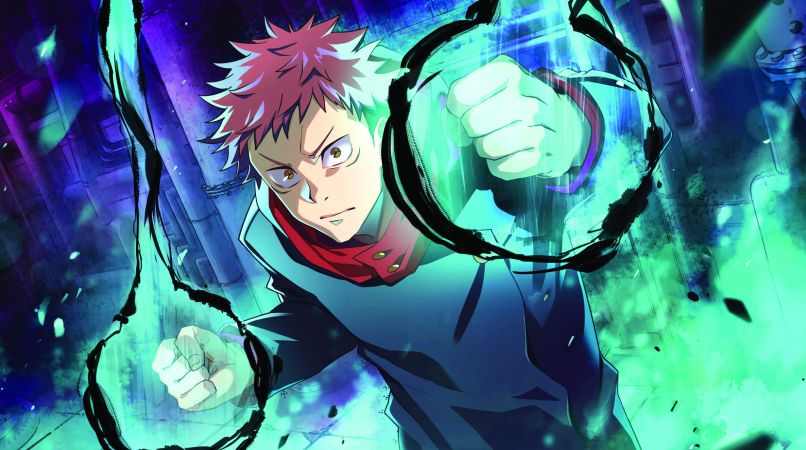
Broadly speaking, we can boil most anime down to one of two vague categories: ‘anime for the masses’ and ‘anime for anime people’—otaku, if you like. The former includes productions like Ghibli Films, Doraemon-Esque kids’ staples, and those cultivated from the ever culturally-dominating Weekly Shonen Jump. Historic juggernauts like Dragon Ball and One Piece, to today’s favorites Demon Slayer, Jujutsu Kaisen, Sakamoto Days, all originating from the same Jump ecosystem—once defined by physical magazines at konbini counters, but now increasingly shaped by digital platforms like Jump+.

Occasionally, other Shonen Magazine-derived series like Attack on Titan, Tokyo Revengers and more recent hits like Blue Lock achieve mainstream popularity—but most anime embraced by society at large still hail from the Shonen Jump ecosystem, with its repetitive but highly profitable battle-story formula. It remains the closest equivalent to the Disney-Marvel paradigm, less because of its comic origins and more in the way it develops interconnected franchises and monetizes its IP. While there may not be a formal ‘Jump Cinematic Universe,’ the industry has increasingly adopted similar strategies, with major series now building toward large-scale theatrical releases and coordinated franchise expansions.
When mainstream becomes the conversation
Before, kids around the world would be introduced to staples like Pokémon or Naruto and either leave anime behind as they got older or branch out to ‘anime for anime people’ shows. Now, even the most ardent fans are often more vocal about Shonen Jump spectacles than the experimental works traditionally associated with ‘real anime fans,’ with much of the conversation dominated by major releases like Jujutsu Kaisen or Sakamoto Days. It mirrors the shambling world of cinephilia, filled with so-called movie buffs chastising Martin Scorsese for ‘not getting’ superhero films. The difference here, though, is: who could blame anime fans?
Formula fatigue and the cost of growth
Percentage-wise, much of anime can still feel like it exists to sell figures, model kits or even digital gacha pulls—but creators were once more visibly encouraged to experiment. From the early ’70s through the mid-2000s, producers threw everything at the wall: galactic trains, animal-transforming teens or a ‘Human Typhoon’ in a red trench coat. Money always mattered, but there was a clear drive to create something new. Today, that impulse often coexists with a wave of high-gloss remakes and reboots, suggesting an industry increasingly drawn to the safety of familiar hits as much as the risk of new ideas.
In recent years, the anime industry has shifted toward what could be described as a “sequel and remake era,” with returning hits, reboots and established franchises making up a growing share of new releases. While isekai remains a visible part of the landscape, it no longer dominates in the same way, as studios increasingly focus on familiar, lower-risk properties rather than original concepts.
Admittedly, like the moé boom before isekai and the borderline softcore trends before that, ‘anime for anime people’ has always produced its share of forgettable titles; every so-called ‘masterpiece’ arrives alongside dozens of shows that fade from memory soon after airing. Works of Japanese animation that strive for some greater artistic or narrative expression, as opposed to just profit, are fewer and further between than ever before.
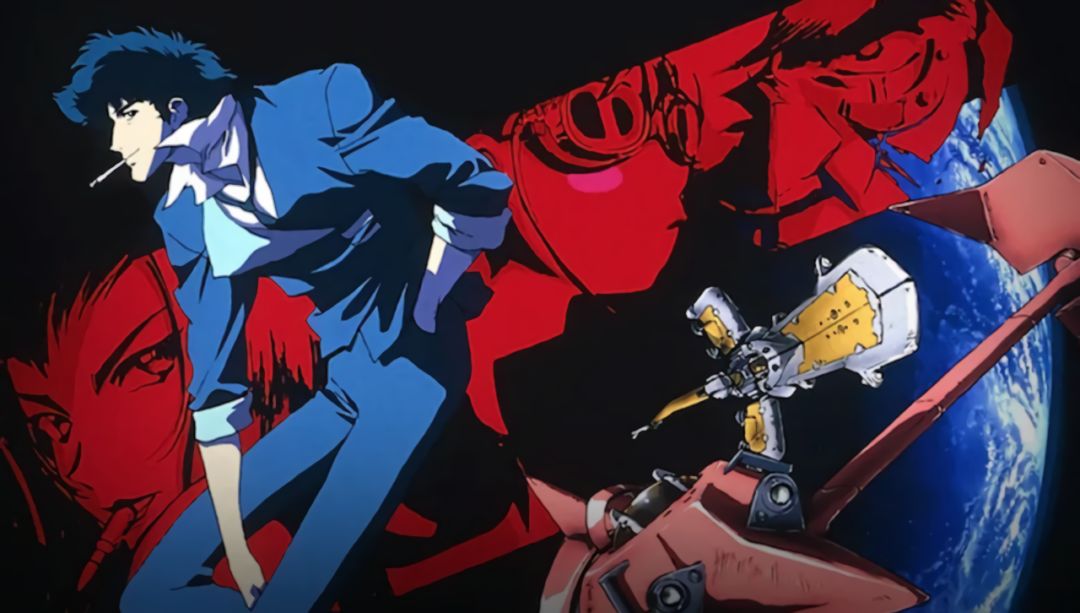
Just as Hollywood relies on sequels and spin-offs to generate reliable profits, the once creatively fertile ground of anime now follows a handful of dominant formulas—teen heroes battling with superpowers or protagonists navigating familiar fantasy worlds. This isn’t to say it’s all bad, but revisit something like Cowboy Bebop and it becomes clear that there was once a broader range of artistic ambition behind it all.
This article was originally published in May 2022 and updated in April 2026 for accuracy and relevance.