January 16, 2026
Tamagotchi Takes Over Roppongi Museum
Tamagotchi turns 30 and Bandai kicks off celebrations with exhibition at Roppongi Museum
By Conor Hodges
Tamagotchi, the digital creature that hatched in the palms of countless schoolchildren desperate for a—seemingly—low-stakes pet, turns 30 in 2026, and celebrations duly abound with an exhibition in Roppongi Museum.
Want to start your career in gaming? SEGA producer Sean Elliott shares how you can find your dream job in Japan.
Rise of an Icon
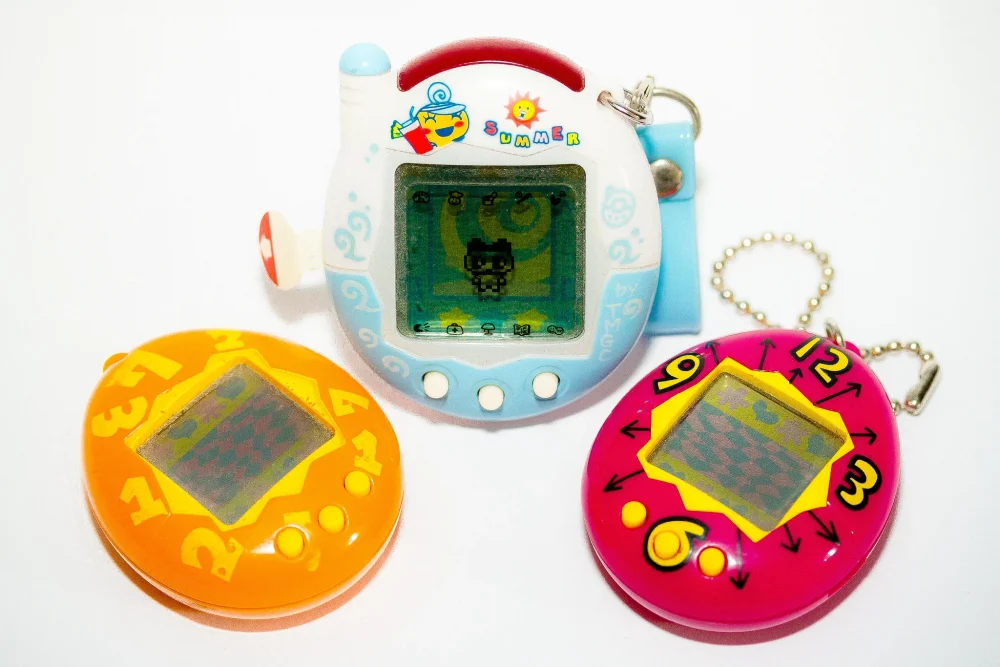
Japanese toy maker Bandai released the egg-shaped digital pet in 1996, aiming their sights on dominating the domestic market. While they conquered that with ease, what they didn’t foresee was Tamagotchi’s runaway international success. By 1998, a pixel-art sprite could just as likely be found shrieking and beeping for the bottom rung of Maslow’s hierarchy of needs in the suburbs of Setagaya as it could in London, where my little guy commanded my attention like a pocket-sized dictator.
This neediness was the key to Tamagotchi’s success: just like a real pet, your very own hatchling required daily food, cleaning, playtime and rest. Feed it burgers and you stave off hunger; feed it cake and their happiness will go up. Simple! Do that enough times, and they’ll evolve, maturing under your watchful care. Neglect had its consequences, too, leaving many parents entrusted with their kids’ pets during schooltime. Commit a ‘care miss’—failing to feed your Tamagotchi, for example—and a Tamagotchi might change its behaviour, becoming sullen and sulky. Commit enough of them and the Tamagotchi will scream out before it dies, leaving in its wake its pixellated tombstone, a digital monument to your failures.
Ups and Downs
Despite selling 40 million units in the two years following its release, Bandai lost a staggering amount of money (¥6.6 billion) on the original release. Suffering from its own success, not only did Bandai have to compete with countless copycat products, but also produced far too many Tamagotchi for what turned out to be transient demand. As the fad began to wane, retailers from all over the world sent their unsold stock back to Bandai, leaving the future of Tamagotchi uncertain.
However, its lessons to kids about the fine balance between reward and punishment, neglect and attention, cemented Tamagotchi’s legacy, that first beloved Tamagotchi death searing itself into the hearts of millions of us wannabe pet parents. It showed the emotional rewards of caring for something, even if it was digital, leading to hugely popular games like Nintendogs offering the same gameplay loop with a presentation closer to home. Bandai’s periodical iterations and rereleases have kept Tamagotchi a constant presence in the cultural landscape, and its revival as part of the wider Gen Z appreciation for Heisei aesthetics and digital nostalgia looks to give it even greater success as it enters its fourth decade.
30th Anniversary Exhibition
Kicking off in Roppongi Museum, the “Tamagotchi 30th Anniversary Exhibition” will tour around Aichi, Ibaraki, Osaka and more as-yet unannounced cities with a retrospective on Tamagotchi’s three decades of history.
The entrance to the exhibition, shaped like the ubiquitous egg design of Tamagotchi cases, invites visitors to step into the LCD screen for themselves and view the world from the pet’s perspective, looking out at its owners throughout the years. Further rooms delve into the development history of the toy, as well as the life cycles of Tamagotchi and how to ideally meet their needs. And if you’re among the many proud Tamagotchi keepers, there’s the chance to download limited-edition extras for your Tamagotchi exclusive to the exhibition.
The exhibition in the Roppongi Museum runs until 2 February and tickets can be found here.