March 30, 2026
The Best Chinese Hot Pot Restaurants in Tokyo
Haidilao is not the only choice
By Zhifei Zheng
In China, there’s a saying: “There’s no problem a good hot pot can’t fix. And if there is—have another one!” For me, that couldn’t be more true. The boiling broth brings back memories of childhood evenings spent gathered around the pot with family and friends, laughing as the steam fogged up our glasses.
Before we dig into Tokyo’s best hot pot spots, let’s take a quick look at how this comforting dish came to be—because food always tastes better when you know its story.
History of Chinese Hot Pot (huoguo)
What is Hot Pot?
The English term “hot pot” or “hotpot” is a direct translation of the Chinese word huoguo, which literally means “fire/heat pot.” It is a dish in which a pot of soup or stock is kept simmering on the table, accompanied by raw meats, seafood, vegetables, soy-based foods, noodles and more. The ingredients are either cooked quickly by dipping them into the broth or simmered slowly, and both the broth and the dipping sauces vary depending on the style of hot pot.
Why Hot Pot?
In Chinese culture, hot pot is the ultimate communal meal. It’s completely free of coercion; everyone is free to pick out their favorite foods from the steaming soup, creating a meal that’s both shared and personal. The rhythm of it—the waiting, the dipping, the eating—naturally sparks conversation. It’s a connection through food, in its simplest and most joyful form.
The Origins of Hot Pot: A Warming Tradition That Spans Dynasties
The earliest form of hot pot in China dates back over 3,000 years to the Shang and Zhou dynasties. At that time, people used a bronze vessel called a ding (鼎)—an object that served both as a ceremonial tool and a cooking pot. People boiled various ingredients together and ate them directly from the pot. It was, in many ways, the earliest prototype of the modern Chinese hot pot.
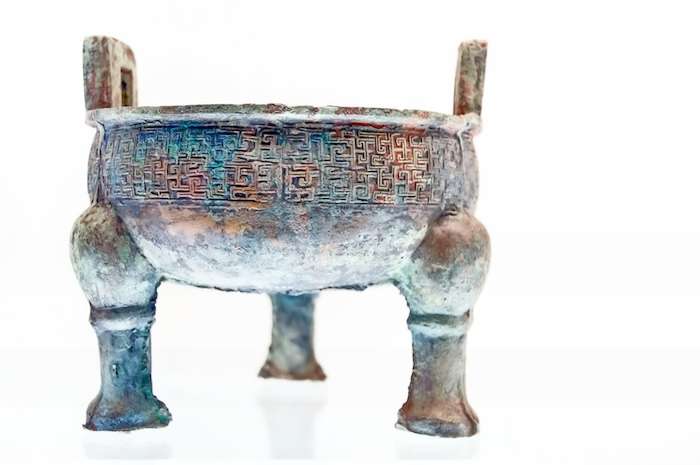
But ding were heavy and hard to transport, making them practical only for fixed locations. By the Western Zhou dynasty (1046 BC–256 BC), the development of bronze, iron and various types of pottery gave rise to smaller cooking vessels—and with them, the first household versions of hot pot.
Tang to Song: A Shared Warmth Around the Table
By the Tang dynasty (618–907), the dish had evolved into what was called nuan guo, or “warm pot.” The famous poet Bai Juyi once wrote, “See green floating foam aglow on my freshly brewed wine, my little red clay stove is burning, and the flame is shining” (translated by Saiou Kang)—a line that perfectly captures the cozy, communal atmosphere of dining around a small stove.
During the Song dynasty (960–1279), hot pot became popular among the common people. Historical records, such as Dreams of Splendor of the Eastern Capital, describe how winter markets in the capital city offered “warm stoves” for people to enjoy sliced meat dipped in boiling broth—a clear ancestor of the modern hot pot.
Nomadic Influence and the Rise of the “Hot Pot” Name
By the Yuan dynasty (1271–1368), nomadic influences from the north had a major influence on the development of hot pot. Herdsmen would boil thinly sliced meat in metal pots with water or milk—a convenient cooking method well-suited to the cold northern climate.
The term huo guo (火锅), meaning hot pot as we know it today, first appeared during the Qing dynasty (1644–1911), when the dish reached its peak in popularity. It was served both in the imperial court and among ordinary households. In fact, imperial menus from that era often included hot pot as a regular dish. By the late Qing dynasty, the look and style of hot pot were almost identical to what we enjoy today.
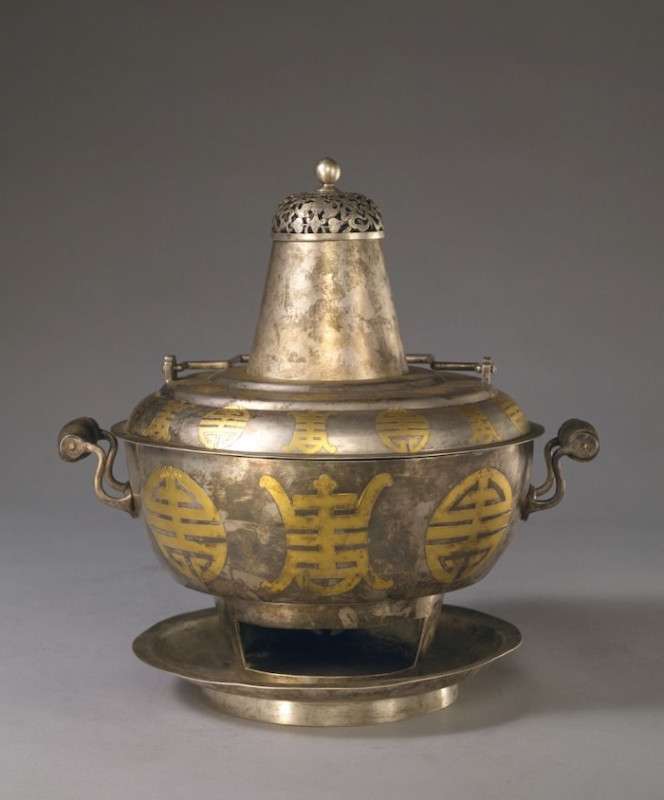
Over time, different regions across China developed their own unique versions—northern lamb hot pot, spicy Sichuan tripe hot pot, Cantonese seafood hot pot and many others—each reflecting local tastes and ingredients. Yet they all share one essential principle: there must be harmony between the soup base and the ingredients. For example, spicy hot pot pairs perfectly with tripe and duck intestines, while dregs vinegar broth complements seafood. Each soup base brings its own ideal combinations, creating endless possibilities for taste and texture.
Three Classic Styles of Hot Pot
1. Spicy Sichuan Tripe Hot Pot:
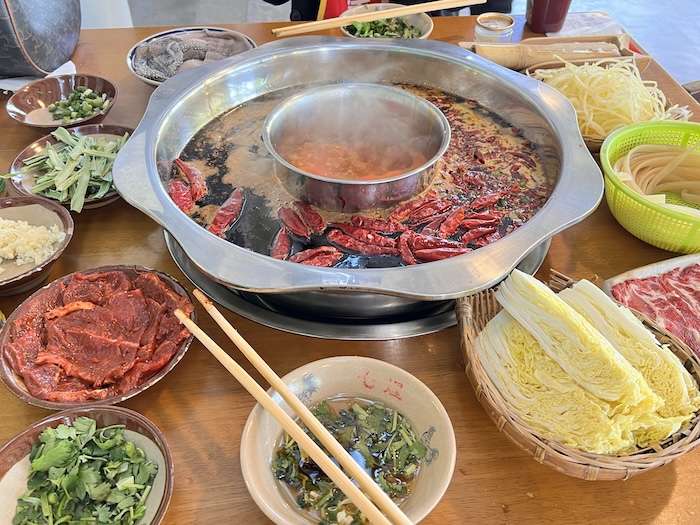
If there’s one phrase that defines Sichuan and Chongqing hot pot, it’s “no spice, no happiness.” As you can probably tell from the picture, Sichuan hotpot is famous for its fiery red broth. Chili peppers and Sichuan peppercorns create that signature: numbing heat and rich, oily flavor. The ingredients are just as varied as the flavors, ranging from meats and seafood to vegetables and soy products. The city of Chongqing has even been named the “Hotpot Capital of China” by the China Cuisine Association—a well-deserved title for this beloved culinary icon.
2. Northern Lamb Hotpot:
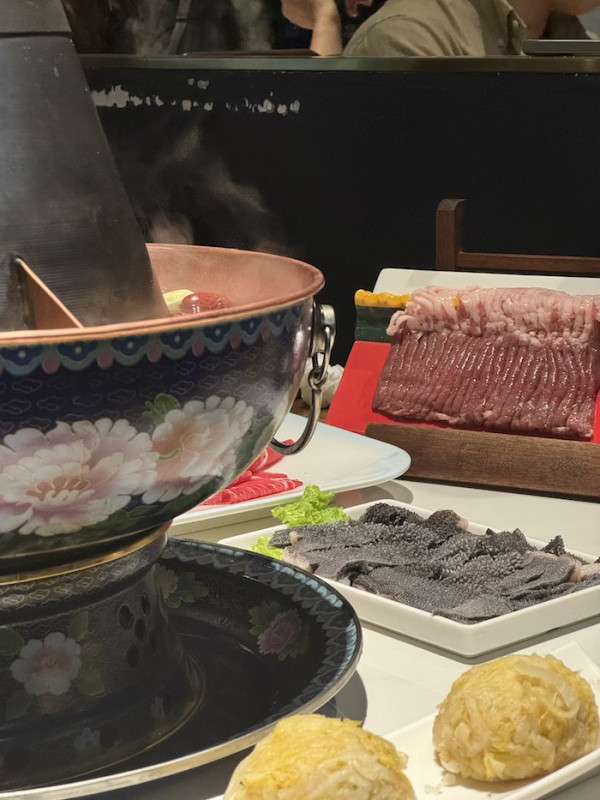
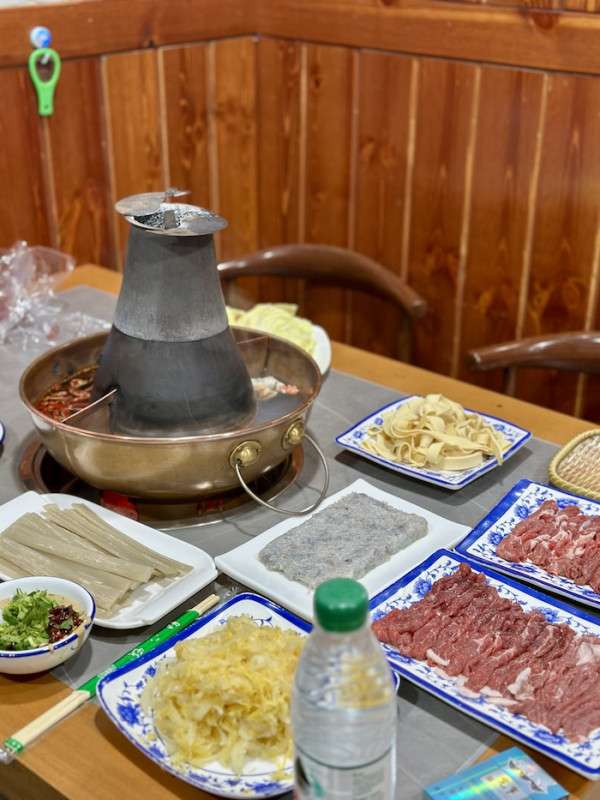
As a northerner, the copper hotpot is the most familiar to me. Its metal body conducts heat quickly and evenly, preserving the tenderness of the meat.
Another hallmark of traditional Beijing copper pot hot pot is the clear water broth that absorbs the fat from the mutton, creating a clean yet flavorful soup. Lamb is the star here, along with beef and tripe. Side dishes include vermicelli, suan cai (pickled Chinese cabbage) and frozen tofu, and the portions are generally substantial.
3. Cantonese Seafood Hot Pot:
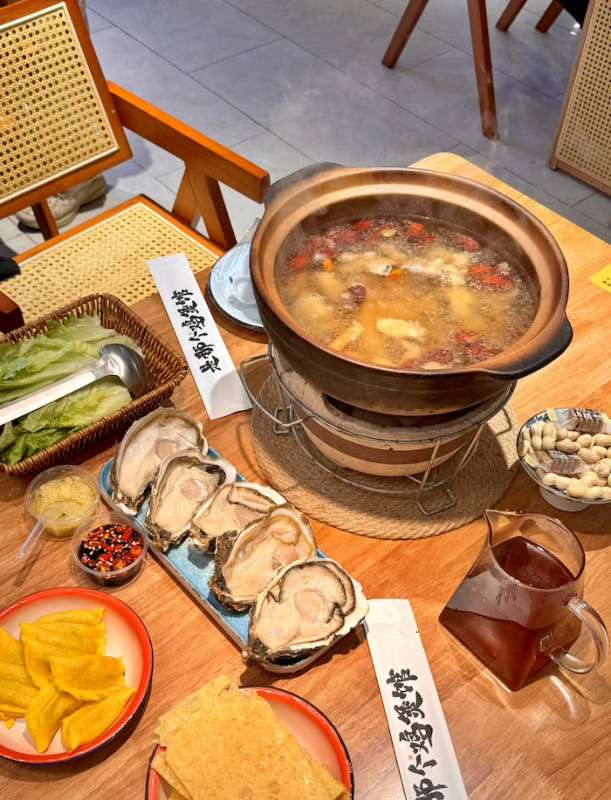
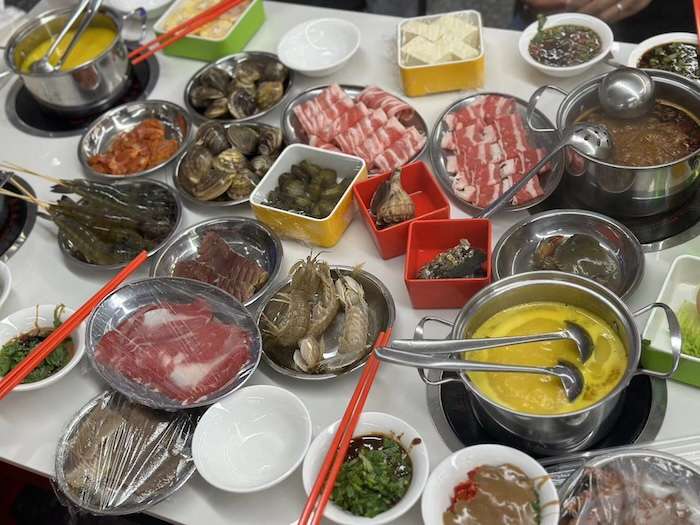
Down south, the Guangdong-style hot pot takes a lighter, ocean-inspired approach. Think fresh shrimp, plump clams and all kinds of seafood in in a clear, aromatic broth. Springy meatballs—especially the famous Chaoshan beef balls—are also a local favorite. The selection of vegetables is more diverse as well, including southern specialties like bamboo fungus and termite mushrooms, giving the meal a distinctly southern character.
Hot Pot’s Journey From China to Japan
It’s hard to draw a single line between Chinese hot pot and Japan’s many versions of it. Still, the idea of gathering around a simmering communal pot traveled naturally across East Asia through trade, migration and everyday exchange.
In Japan, this concept took root as nabemono (鍋物), meaning “things in a pot,” often shortened simply to nabe.
From Irori to Tabletop Cooking
Traditionally, many homes had an irori, a sunken charcoal hearth, which made it natural to cook a pot in the center of the gathering space. Homes with dedicated kitchens, however, typically prepared food separately and served it on plates rather than cooking and eating from the same pot as we do today. By the Edo period, konabe-shiki (小鍋式, small pot-style) became common in restaurants and households, where a small pot was brought to the table so diners could cook as they ate, echoing the older irori style.
Classic Japanese Nabe Styles
Mizutaki, one of the older Kansai-style nabemono, comes from a method of simmering ingredients in plain water (or hot water). Sometimes dashi is used, but the broth contains no salt or soy sauce. Instead, the flavor comes entirely from the ingredients themselves and the dipping sauce. Yosenabe is an umbrella term for nabe made with a mix of seasonal and regional ingredients simmered in broth. The dashi may come from katsuobushi, kombu, mushrooms or shellfish, and seasonings can include salt, soy sauce, sake or miso. Chanko, associated with sumo wrestlers, is a richer style of nabe usually made with chicken bone broth.
The Rise of Shabu-Shabu
These represent older, more traditional nabe styles. But the most widely recognized modern form in Japan is shabu-shabu, which shows a clearer influence from continental hot pot traditions. In the 1940s, Dr. Shoya Yoshida, a Japanese army surgeon from Tottori, discovered shuan yang rou (涮羊肉), a Mongolian-style “instant-boiled mutton” dish, while stationed in Beijing. Captivated by its simplicity—thin slices of meat swished in clear broth and dipped in sauce—he brought the idea back to Japan after the war. Working with a Kyoto restaurant, he replaced mutton with the more familiar beef, swapped heavy broths for kelp-based dashi, and refined the sauces to suit Japanese tastes. The result was shabu-shabu, a lighter cousin of Inner Mongolian hot pot that quickly became a nationwide favorite.
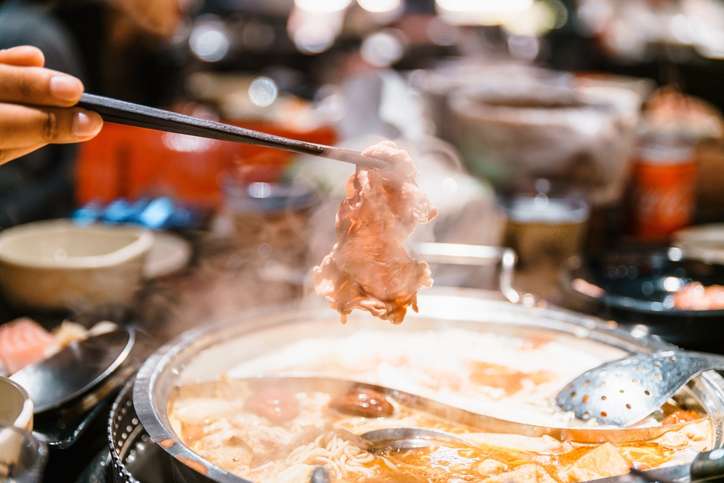
Shabu-shabu generally preserved a lighter Japanese style of broth and simple dipping sauces, similar to its Inner Mongolian roots. In recent years, however, it has also absorbed influences from other regional Chinese hot pots, especially Sichuan, leading to richer broths and more elaborate sauces.
If you’d like to explore more of Tokyo’s authentic Chinese dining scene beyond hot pot, check out our feature Where to Eat Authentic Chinese Cuisine in Tokyo for a curated guide to standout restaurants.
Hot Pot in Tokyo Today
Today, Tokyo brings all of these styles together: traditional Japanese nabe, various regional Chinese hot pots and Japanese interpretations of Chinese hot pot, as well as nabe that incorporates modern Chinese elements.
In Japanese, the term hinabe (the Japanese reading of huoguo, meaning hot pot), refers specifically to Chinese-style hot pot. It is possible that because the word “hot” also evokes spiciness, common in many regional Chinese huoguo but not in traditional Japanese nabe, the distinction became even clearer.
Searching for “hinabe” will yield Chinese-style hot pot, while searching for shabu-shabu, chanko or other nabe styles will lead you to Japanese varieties.
Drop your email below and we’ll send you a map of our favorite restaurants in Tokyo. It’s a running list Metropolis editors have built over the last 7+ years—places we actually go, not the usual tourist picks.
Best Hinabe (Chinese Hot Pot) Restaurants in Tokyo
・Toraijun Ikebukuroten
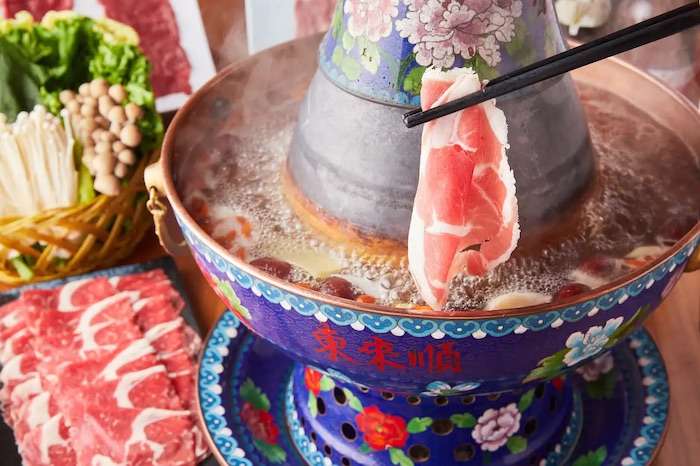
Decorated in old Beijing style, Toraijun offers one of the most authentic northern copper pot hot pot experiences in Tokyo.
1−23−1 El Cruce, 6F, Nishiikebukuro, Toshima-ku
Daily 11 am – 11 pm
ggtm600.gorp.jp
・Sanyosai Hot Pot
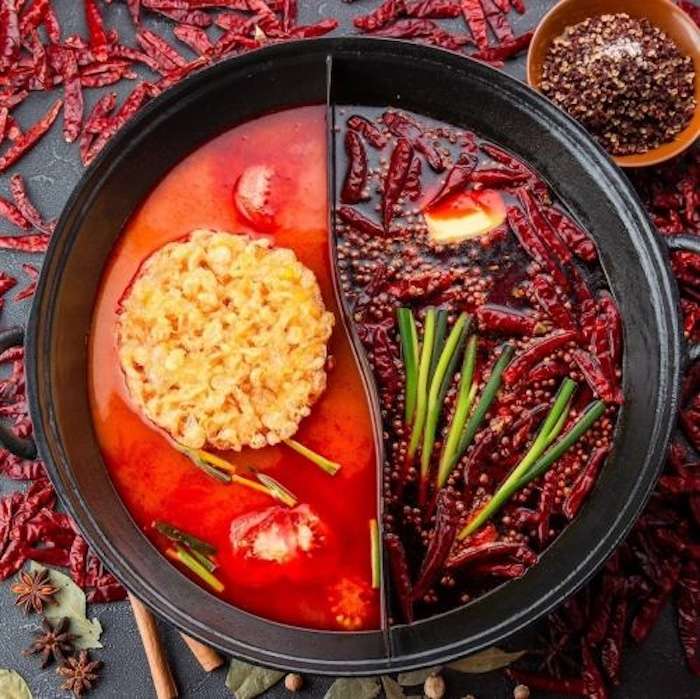
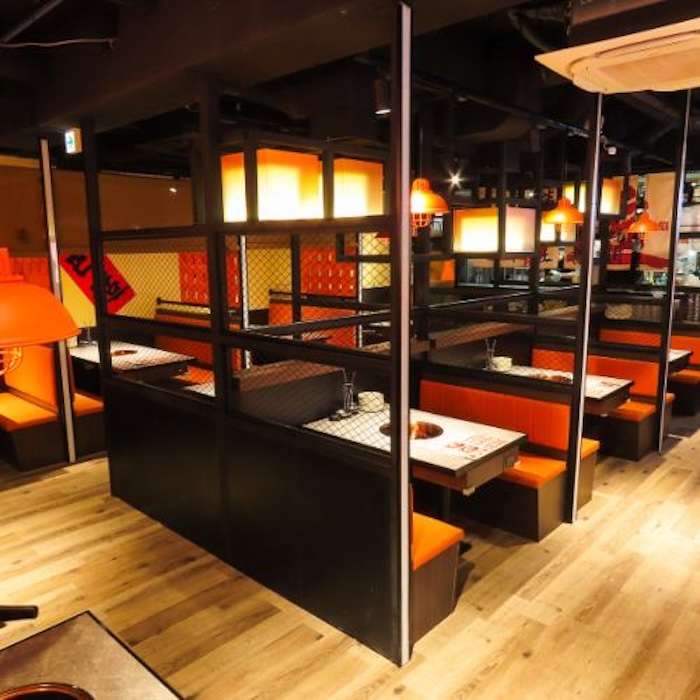
Known for its classic Chongqing two-color hot pot, Sanyosai offers a choice between a fragrant, spicy soup and a mild one. Spiciness levels range from mild to extra spicy, so if you're trying Chongqing hotpot for the first time, start with the lowest setting (Lunch hot pot sets are also available).
Vort Ikebukuro, 6F, 1−38−3, Nishiikebukuro, Toshima-ku
Daily 11 am – 12 am
hinabesupernumberone.owst.jp
・Ura no Yama no Kinoko Shibuya (Mushroom Hot Pot)
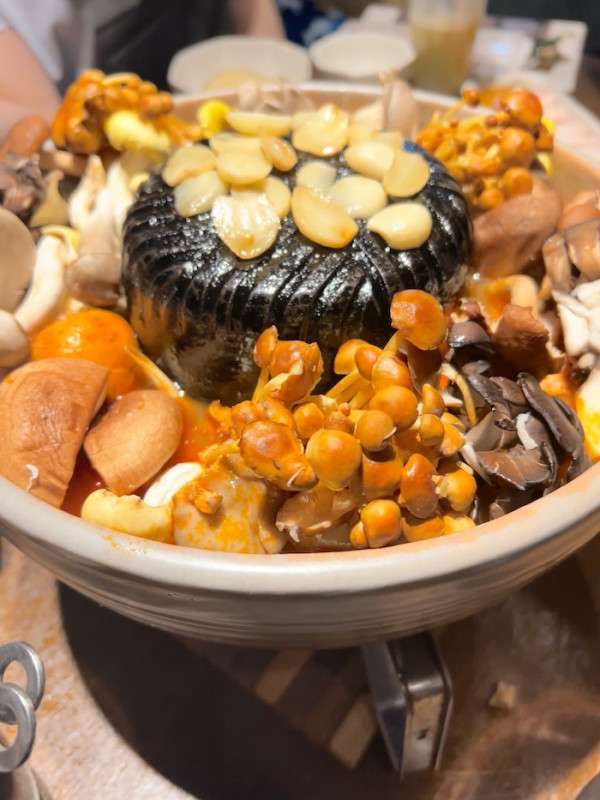
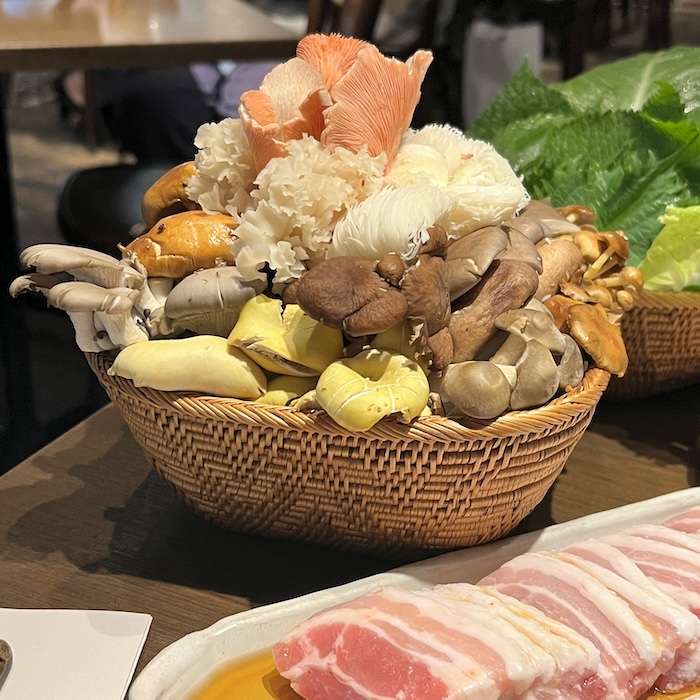
A heaven for mushroom lovers, this spot specializes in earthy mushrooms hot pot. The broth is rich and aromatic, with condiments like Chinese fermented bean chili sauce and Zhenjiang vinegar available at the counter.
1-3-11 Ichiban Bldg., 2F, Dogenzaka, Shibuya-ku
Mon–Fri 5 pm – 11 pm (L.O. 10 pm)
Sat, Sun, holidays 11 am – 3 pm (L.O. 2 pm) & 5 pm – 11 pm
lit.link/en/uranoyamanokinokojp
Note: Dinner service follows a one-drink policy.
・10-Zen Yakuzen Restaurant
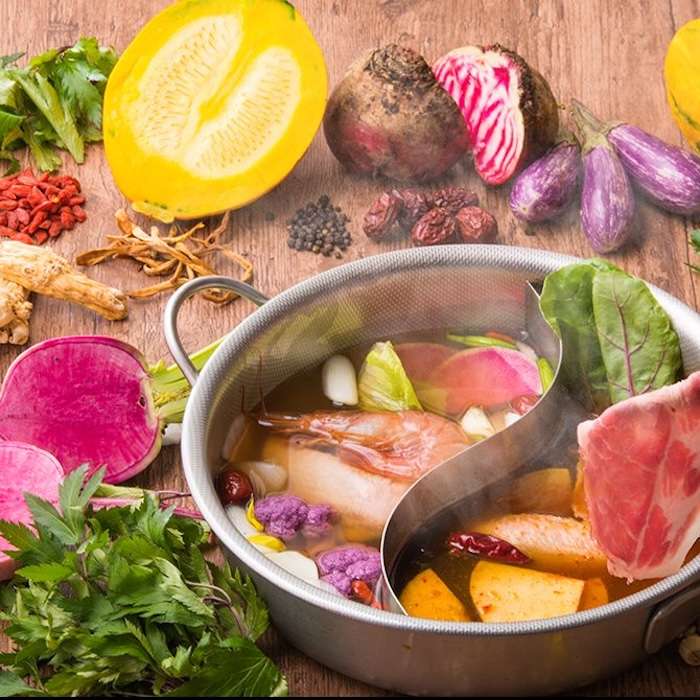
For a healthy twist, this hidden gem combines hot pot with traditional herbal medicine. Run by a company with roots in herbal medicine, this place takes the idea of “food as healing” seriously.
5-10-19 Aoyama Shinyo Building, B1, Minamiaoyama, Minato-ku
Daily 11 am – 10 pm (L.O. 9 pm)
10-zen.com/aoyama
・Panda Hotpot

Bringing the lively spirit of Sichuan dining to Tokyo, Panda Hotpot offers all-you-can-eat and drink hot pot. Known for its authentic Sichuan soup bases, the restaurant balances spice and aroma with plenty of milder options for mixed groups. The playful panda motif and cheerful interior make it a fun stop for friends or families looking for a casual but flavorful hotpot experience.
4-6-9 Ueno, Taito-ku
1-38-1 Higashi-Ikebukuro, Toshima-ku
Daily 11 am – 11 pm
Instagram
・Kishu Hinabe / Guizhou Huoguo
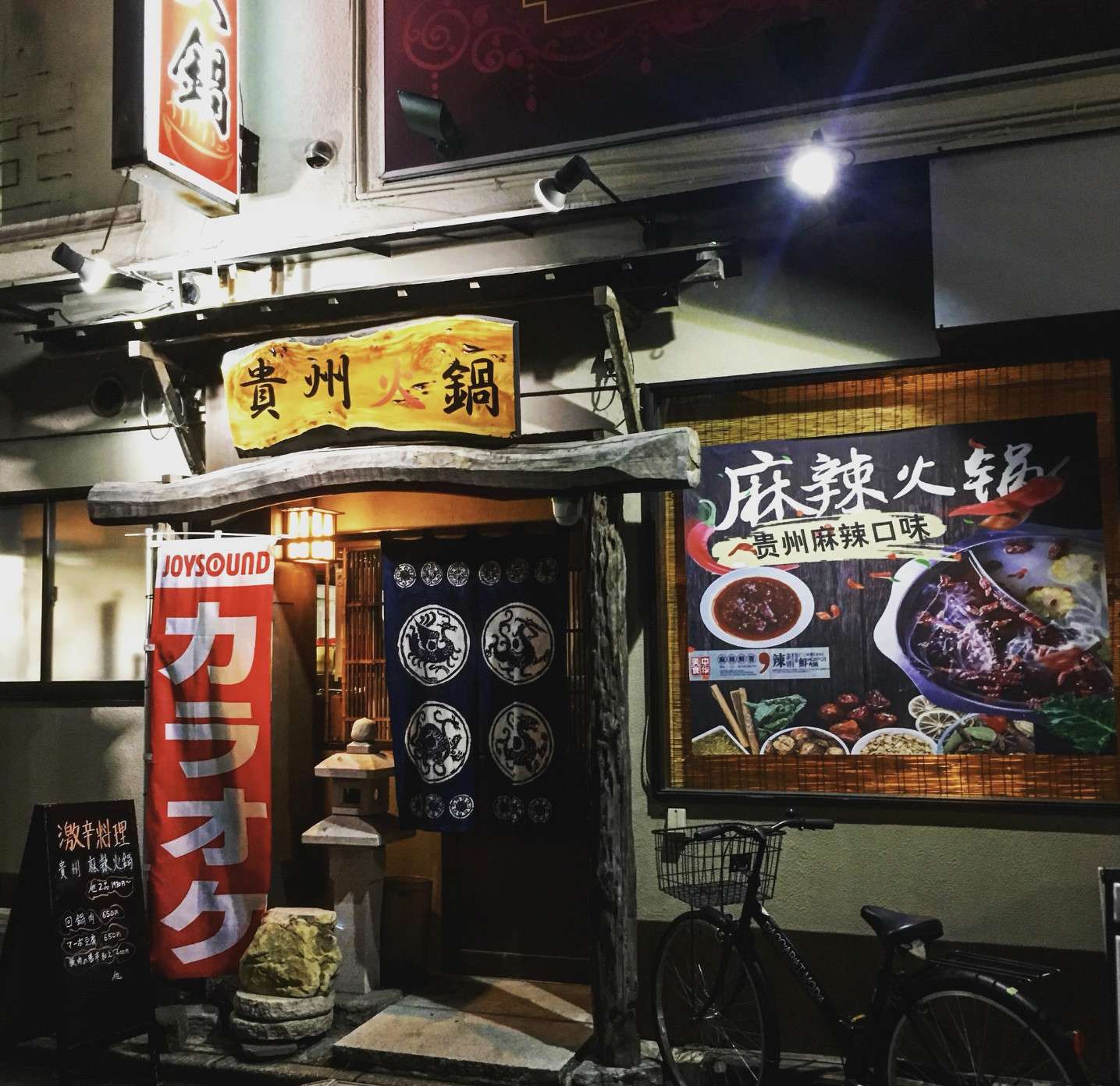
For those who crave deeper, bolder heat, Kishu Hinabe specializes in Guizhou-style hot pot known for its fermented aromatics and intense spice. The broth has a tangy depth that comes from traditional fermentation methods, creating a completely different profile from the more common Sichuan style.
2F Daini-Higashi Building, 1-43-1 Shinkoiwa, Katsushika-ku
Mon, Tue, Thu, Fri 5 pm – 9:30 pm
Sat, Sun 11 am – 2:30 pm & 5 pm – 9:30 pm
Closed Wed
Instagram
・Rojo Jukei Hinabe / Loushang Chongqing Huoguo
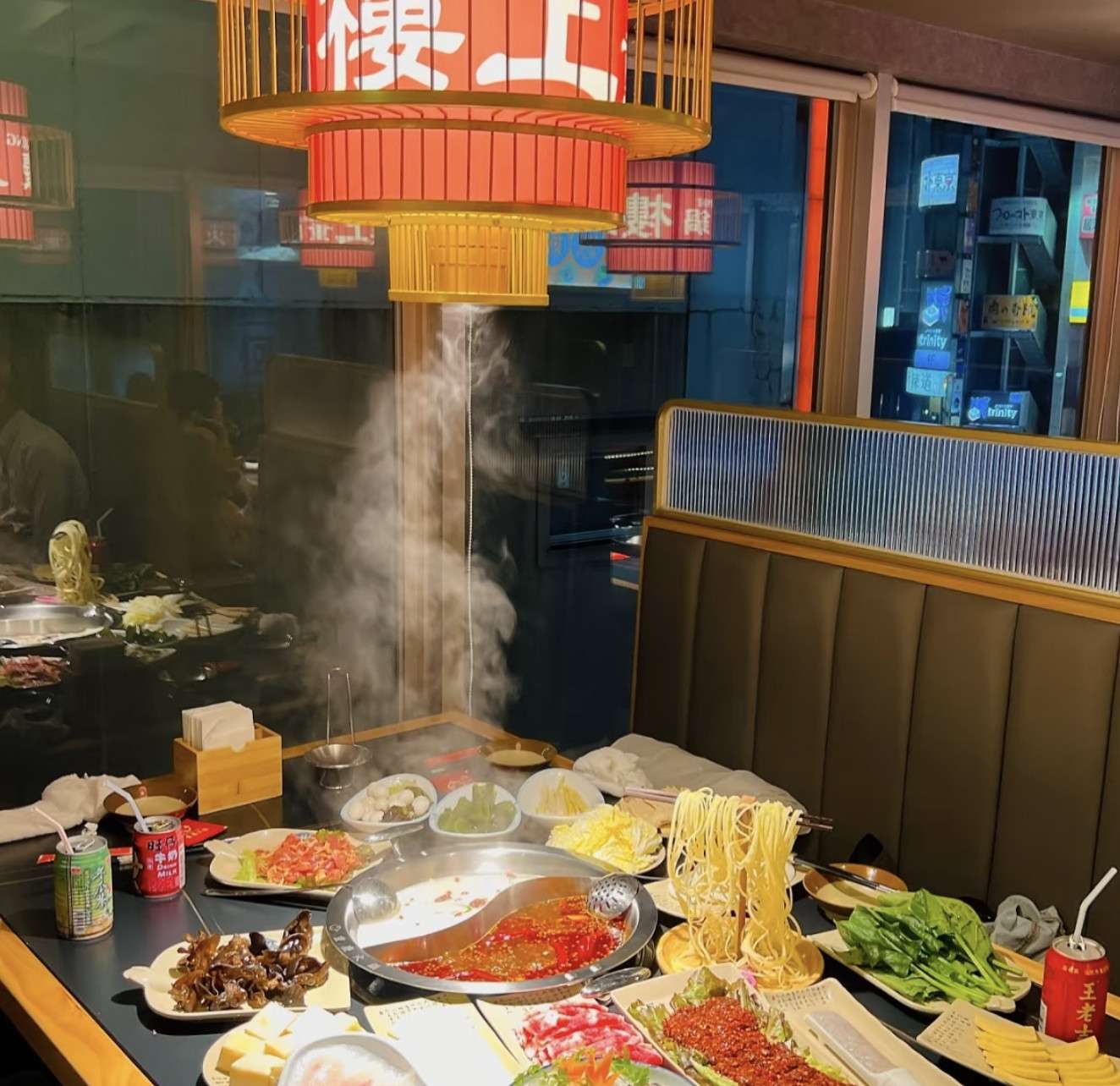
Rojo Jukei Hinabe is an authentic Chongqing-style hot pot restaurant, famous for its intense heat and unmistakable richness. The broth is built on chili-infused beef fat, creating a bold, aromatic base that coats every ingredient with spice and depth. It’s a must-visit for those who love a fiery kick and want a true taste of Chongqing’s signature hot pot culture.
1-27-6 Nishikoiwa, Edogawa-ku
Daily 11 am – 11 pm
Instagram
・Botenzan / Wangdianshan
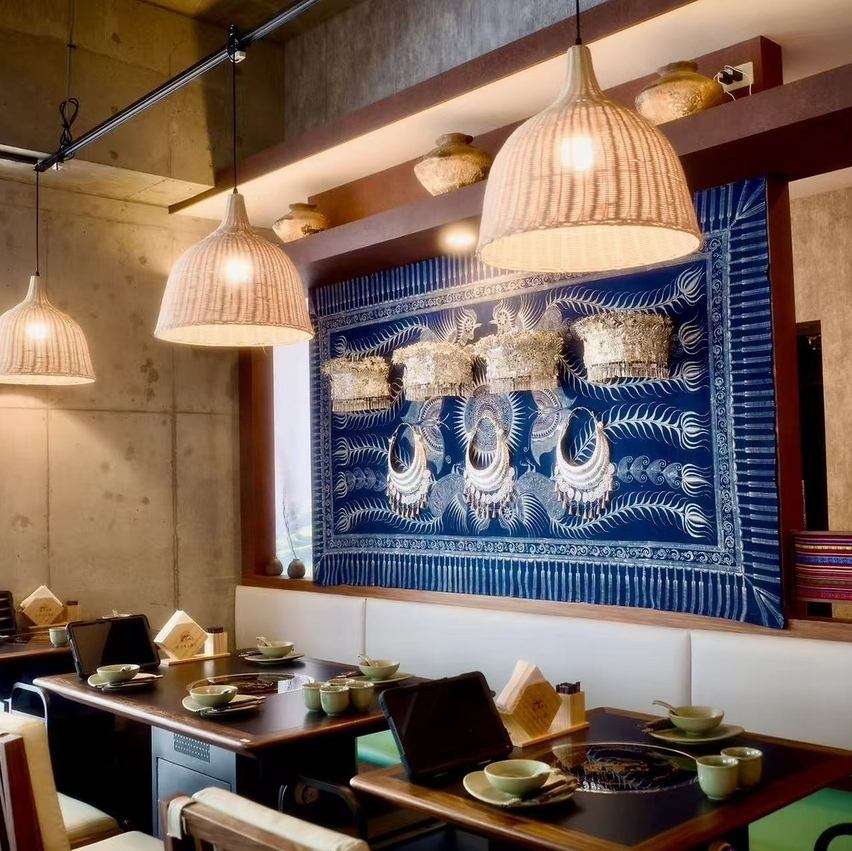
Just steps from Ueno Station, Botenzan specializes in the traditional Yunnan “suantang (sour soup)” hot pot, known for its bright, sour broth and herbal depth. Yunnan borders Myanmar, Laos and Thailand, giving its cuisine a tropical, citrusy edge , yet it is also a mountainous, cold region where mushrooms, warming dishes and Tibetan influences shape everyday food culture. This restaurant brings together both sides of Yunnan’s character in one pot. It’s a lively, nourishing style of hot pot that warms you from the inside out.
2F, 6-13-14 Ueno, Taito-ku
Daily 11:30 am – 11:30 pm (L.O. 11 pm)
Instagram
・Shangri-La's Secret Roppongi
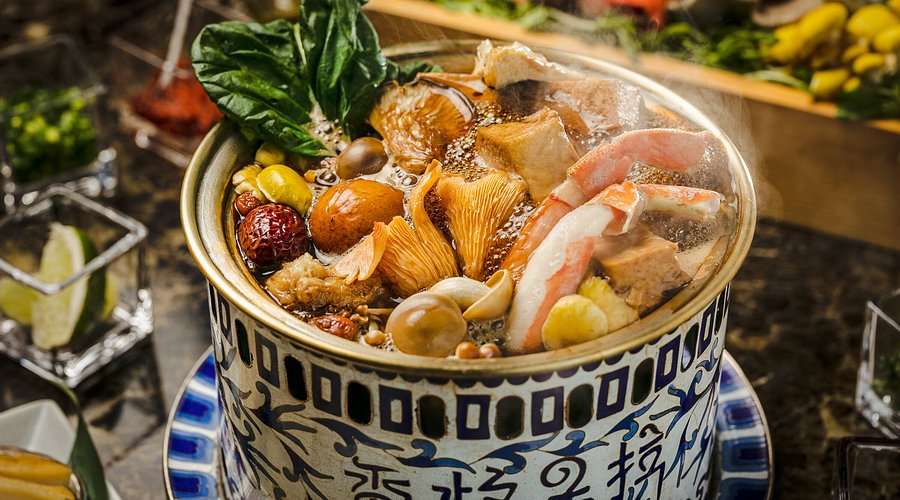
Named after a Tibetan city in northern Yunnan (itself inspired by the mythical paradise imagined in a British novel), the restaurant is a Japanese take on Yunnan’s highland mushroom cuisine. The signature broth is strikingly black, made from a secret blend of more than 30 mushroom varieties sourced from Yunnan Province. Rare mushrooms and elegant presentation make this a standout for anyone seeking an elegant and mysterious hot pot experience.
4-11-11 Roppongi, Minato-ku
Daily 11:30 am – 3 pm (L.O. 2:30 pm) & 5:30 pm – 11 pm (L.O. 10 pm)
Tabelog
How To Make the Best Dipping Sauce
The authentic flavor of Chongqing hot pot can be summed up in three words: fragrant, spicy and garlicky. The dipping sauce, known as “oil dipping,” is essential. Pour a generous amount of sesame oil into the bowl, add a tablespoon of minced garlic, chopped cilantro (skip it if you’re not a fan) and chopped green onions. Finish with a few drops of soy sauce for extra depth of flavor.
When it comes to the copper hot pot, the dipping sauce is equally crucial. The traditional Beijing-style sauce is made by blending sesame paste, fermented bean curd, chives, soy sauce, sesame oil and other seasonings. This rich, nutty dip pairs perfectly with thinly sliced lamb. In Tokyo, you can substitute sesame paste with nerigoma (練りごま), which has a slightly lighter but smoother flavor.
As autumn deepens, there’s nothing like a steaming hotpot to warm you from the inside out. Picture this: the pot bubbling with red oil, slices of beef changing color in the broth, tripe simmering and a handful of crisp greens just added. The steam rises, curling like white mist, and for a moment, all worries melt away. It’s the most heartwarming—and healing—moment of the colder months.
This article was originally published in October 2025 and updated in March 2026 for accuracy.