Tokyo Bear Hunting Ban Could End for the First Time in Nearly 20 Years
As bear sightings hit a national record, the capital is reconsidering a policy it hasn't touched since 2008
Five. That’s how many people Japan has confirmed killed by bears between April and June this year, more than double the previous record for that stretch, according to the Ministry of the Environment. Attacks typically climb again in September, October and November, as bears bulk up before winter, which means the country’s worst bear season on record may not have peaked yet.
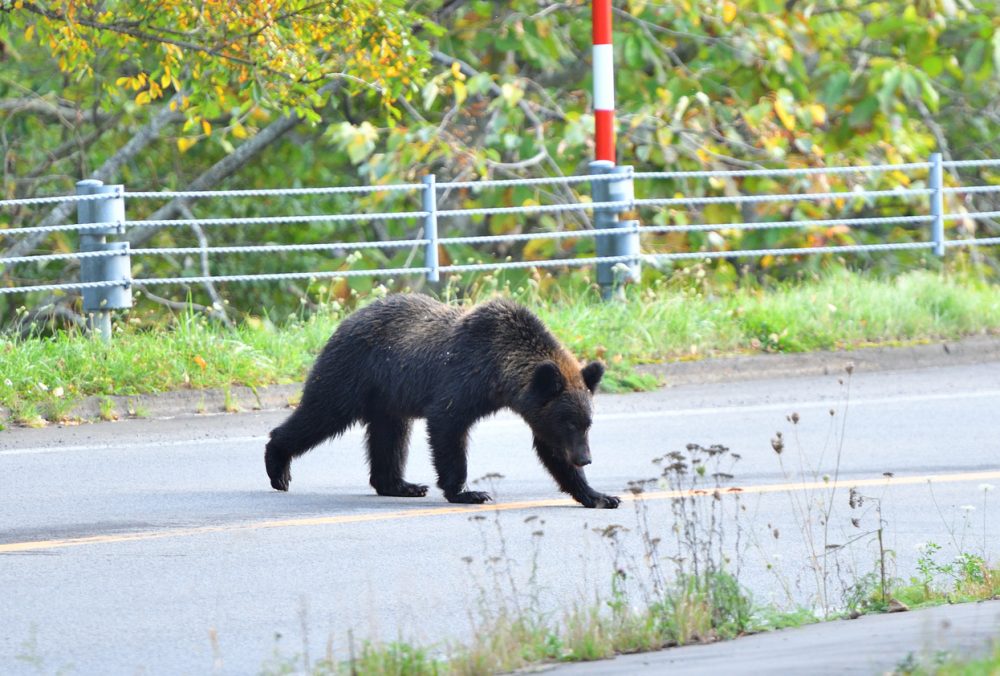
Tokyo isn’t waiting to find out. Officials are moving to lift the Tokyo bear hunting ban for the first time in about 20 years, a shift that would let licensed hunters cull some of the estimated 378 Asian black bears now believed to live in the hills around Okutama, Hachioji and Ome on the city’s western edge.
Why bear sightings in Japan hit a record high
The nationwide numbers explain the urgency. Bear sightings jumped from 20,000 in fiscal 2024 to more than 50,000 in fiscal 2025, the highest tally since records began in 2009. That same fiscal year also set records for attacks and injuries, with 216 attacks, 238 people hurt and 13 deaths, more than double the previous worst year. In Tokyo specifically, trackers have logged more than 1,000 bear incidents so far, with sightings concentrated around Hachioji and the trails near Mount Takao.
Nobody points to a single cause, but the leading theories overlap. Poor harvests of acorns and beechnuts, a bear’s main autumn calories, have pushed hungry animals down from the mountains and into farmland, parking lots and, in a few widely shared videos, supermarket aisles. A shrinking, aging rural population means fewer people, and fewer active hunters, standing between the forest and the city limits. A warming climate has done the rest, expanding bear habitat while shortening hibernation and keeping the animals hungry longer.
How Japan is responding to the bear crisis
The response so far has ranged from the practical to the improvised. The Self-Defense Forces have helped trap and transport bears in the hardest-hit Tohoku region. Some cities have closed schools after sightings on campus, as Utsunomiya did in June when a bear turned up in a downtown shopping district and on a junior high school field.
Hikers around Okutama now travel with bear bells clipped to their backpacks, the same soft warning system generations of schoolchildren in bear country have worn without much thought.
There’s a quieter story underneath the headlines, too. Japan once relied on the matagi (traditional mountain hunters, mostly in Tohoku) to keep bear populations in check through skill passed down over generations. That tradition has been thinning out for decades, along with the villages that sustained it, leaving a gap that soldiers and subsidized hunting bounties are now trying to fill.
What lifting the Tokyo bear hunting ban would change
Lifting the ban would mark a real change in posture. For two decades, the city treated its resident bears as a problem to manage from a distance, mostly through fencing and food-storage rules. Now officials are betting that direct pressure from licensed hunters is what actually keeps bears out of residential neighborhoods, even with the obvious risk of stray shots in a metropolis of 14 million.
Staying safe on the trails this fall
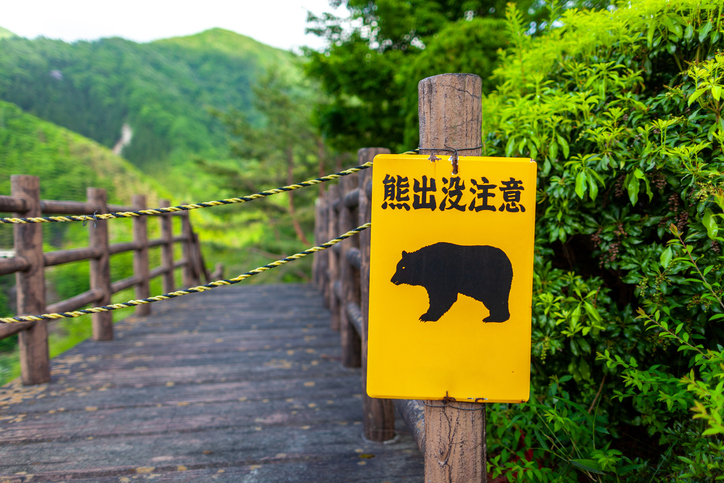
For now, the advice for anyone hiking Takao, Okutama or Mount Mitake hasn’t changed: make noise, travel in groups, and carry a bell or pepper spray, especially as autumn approaches and the bears start looking for one last meal before the cold sets in.