February 13, 2026

Why Tokyo Has the Best Food in the World: From Edo Sushi to Sustainable Michelin Dining
Tradition meets innovation in the world’s most delicious city
By Trevor Kew
“If I had to eat only in one city for the rest of my life,” said the great chef and traveler Anthony Bourdain. “Tokyo would be it.”
It isn’t hard to see why Tokyo is widely considered the best food city in the world. The city’s grand menu is endless, with over 150,000 restaurants whipping up everything from time-tested Edo-period favorites like sushi and tempura to cutting-edge French haute cuisine. Supplied daily with the freshest ingredients by wholesale markets, chefs in Tokyo blend tradition and inspiration to create a diverse food scene that is ever-evolving and always delicious.
The Origins of Tokyo’s Food Culture: How Yoshoku Began
We often think of traditions as static and eternal, but they tend to begin with someone trying something new. During the Meiji Restoration of the mid-eighteenth century, new ideas poured into Japan from outside, including recipes and ingredients from Western countries.
Like so many culinary imports around the world (think spaghetti and meatballs in America, chicken tikka masala in England), these new dishes were adapted to taste preferences in Japan as well as locally available produce. Known as yoshoku (Western food), this new blended cuisine was initially served only in upscale districts like Ginza.
Mikawaya: A Historic Yoshoku Restaurant in Ginza
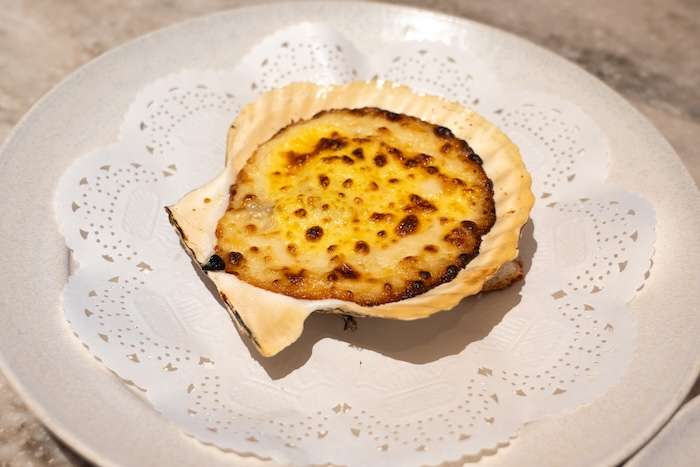
That is where you will find Mikawaya, a restaurant that dates back to 1887 and still uses authentic yoshoku recipes from that time. One particularly fine dish is their gratin, which features Bechamel sauce with buttered rice and local Shiba shrimp baked in a large scallop shell.
Edo-Style Sushi and Tempura: Tokyo’s Classic Dishes Reimagined
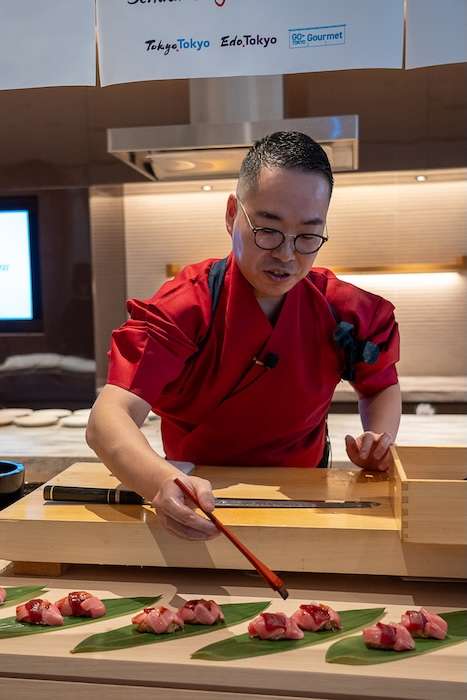
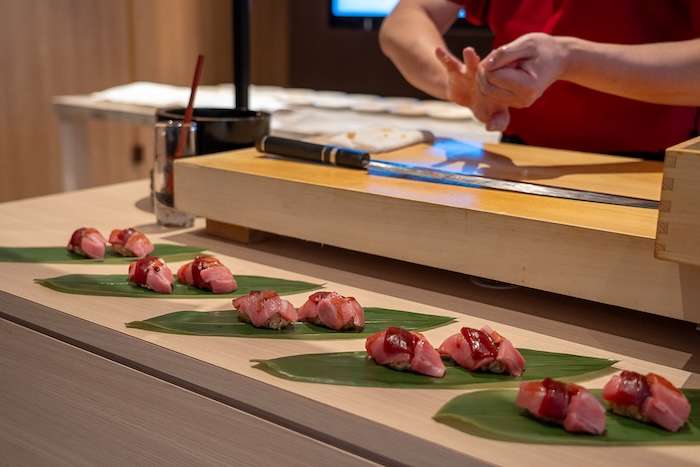
Sushi and tempura are two of Japan’s best-known foods these days, but they, too, began as culinary innovations. The modern style of sushi that we are most familiar with today originates from Edo in the early eighteenth century. Known as Edo-mae sushi, it was made from fresh fish caught near the capital and marinated in soy sauce, both for preservation and to add flavor.
This new method particularly enhanced the reputation of tuna. Previously, much of it had been relegated to use as fertilizer or lamp oil due to its tendency to quickly spoil. Now, tuna is the most expensive fish in the world.
Hiroya Tokyo-mae: Tuna-Focused Edo-Mae Sushi Near Daimon
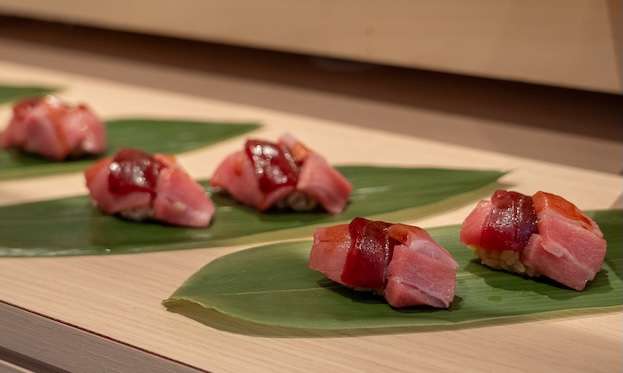
At his sushi restaurant Hiroya Tokyo-mae near Daimon Station, Takuya Motohashi pays special tribute to this remarkable fish. His unique tuna-Tuna-TUNA nigiri incorporates akami (lean tuna), chutoro (medium fatty tuna) and otoro (fatty tuna), all on a single bed of vinegared rice.
Tenki Shibuya: Modern Tempura with Wine Pairings
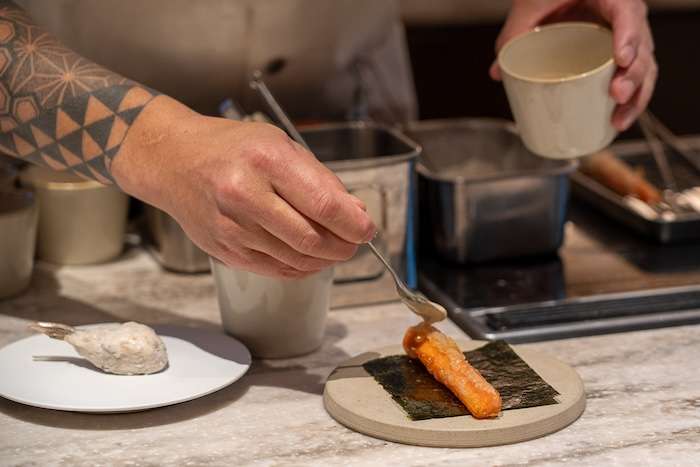
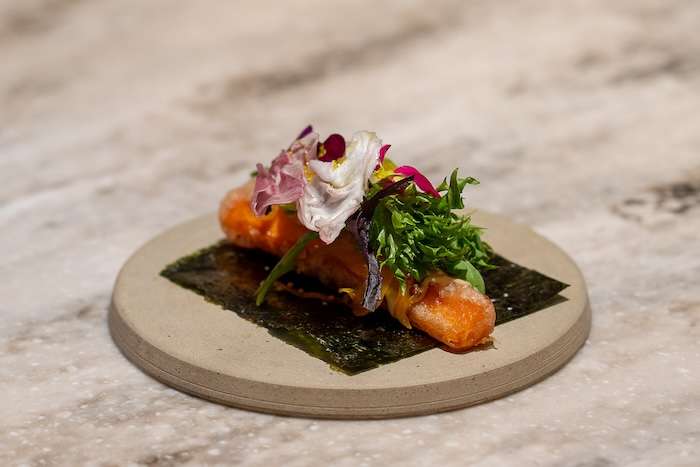
Tempura was introduced to Japan in the sixteenth century by Portuguese traders and missionaries, evolving into a popular snack sold at yatai street stalls around Edo. Nowadays, the Tenki izakaya in Shibuya is reimagining tempura once more, with white wine pairings, Italian sauces, and seaweed-wrapped tempura tacos lending some international flair. Their tempura menu includes classics like shrimp, but also more unusual varieties like carrot and strawberry, which are surprisingly delicious.
Sustainable Michelin Dining in Tokyo: Turning Bycatch Into Fine Cuisine
While luxurious French cuisine might not seem to go hand in hand with sustainable fishing and farming, chef Shinsuke Ishii is keen to prove that sustainability is more of an opportunity than a problem. For example, he discovered that many fish species were being unfairly overlooked as table fare, some merely based on their appearance, and either discarded as bycatch or left unsold in the markets.
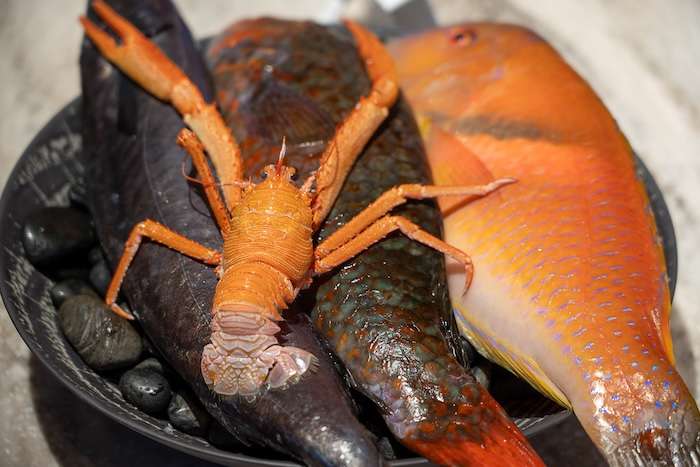
Sincére: Michelin-Star French Cuisine Using Overlooked Fish
At his one-star Michelin restaurant Sincére, Ishii strives to create beautiful dishes that make the most of unique ingredients obtained through close partnerships with intermediate fish and vegetable wholesalers around Japan.
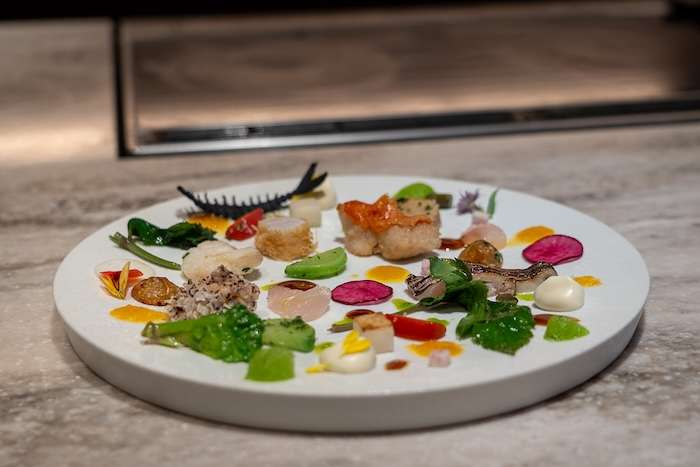
His Loup en Croûte is inspired by taiyaki, a fish-shaped Japanese pastry traditionally stuffed with sweet red bean paste, but which Ishii fills with savory chunks of simmered fish. Just a few of the under-appreciated fish used in the restaurant’s dishes include ira (tuskfish), budai (parrotfish) and a fearsome-looking barracuda known as a kuroshibikamasu.
Florilège Azabu Hills: Vegetable-Forward French Fine Dining
Sincére is not the only French restaurant in Tokyo working wonders from humble ingredients. Two-star Florilège in Azabu Hills serves remarkable dishes crafted from turnips and hakusai (Chinese cabbage) using traditional methods of fermentation to enhance umami flavors. Turnip soup might not sound all that inspiring, but trust me—it’s like nothing you’ve ever tasted before.