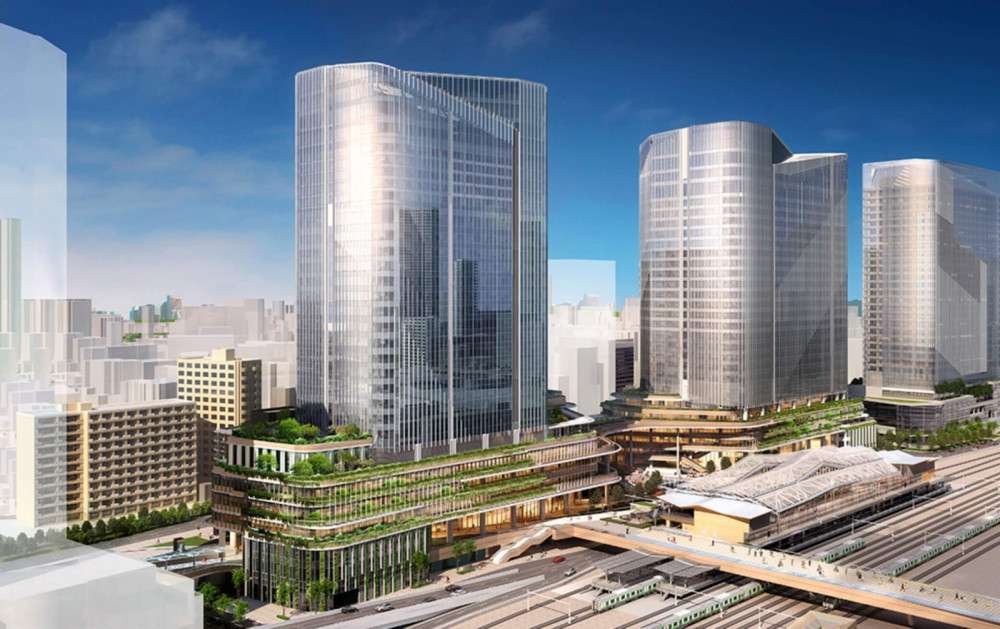
Have You Explored The New Takanawa Gateway City Yet In Tokyo?
A next-generation district built around innovation, culture and global exchange
A new urban district is taking shape around Takanawa Gateway Station. Led by JR East, Takanawa Gateway City brings together offices, cultural spaces, research facilities and residences into a single, integrated development.
Following its initial opening in 2025, the project has continued to expand in phases.
Framed as a “Global Gateway,” it is more than a station-adjacent complex; it explores how cities can better support evolving ways of working and living.
A city designed for connection
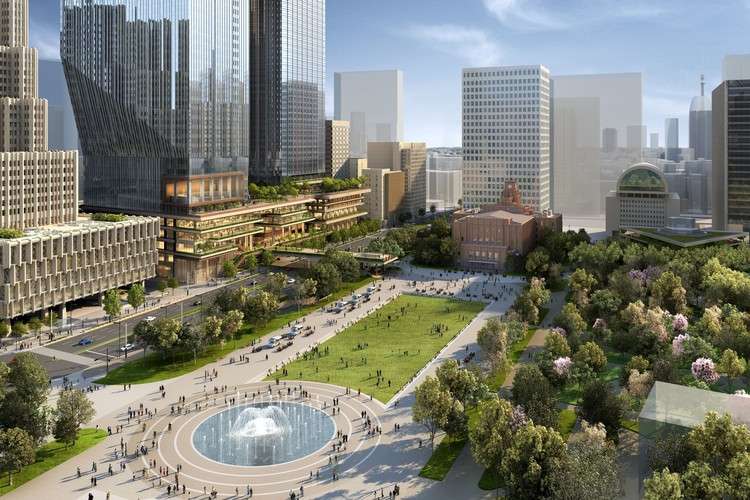
Rather than separating functions into isolated zones, the area acts as a continuous, pedestrian-focused environment. Elevated walkways, public plazas and green spaces link each building, encouraging movement between offices, cultural venues and everyday amenities.
Direct integration with the station anchors the area within Tokyo’s transport network, while its open layout makes it easy to navigate on foot.
The LINKPILLAR towers
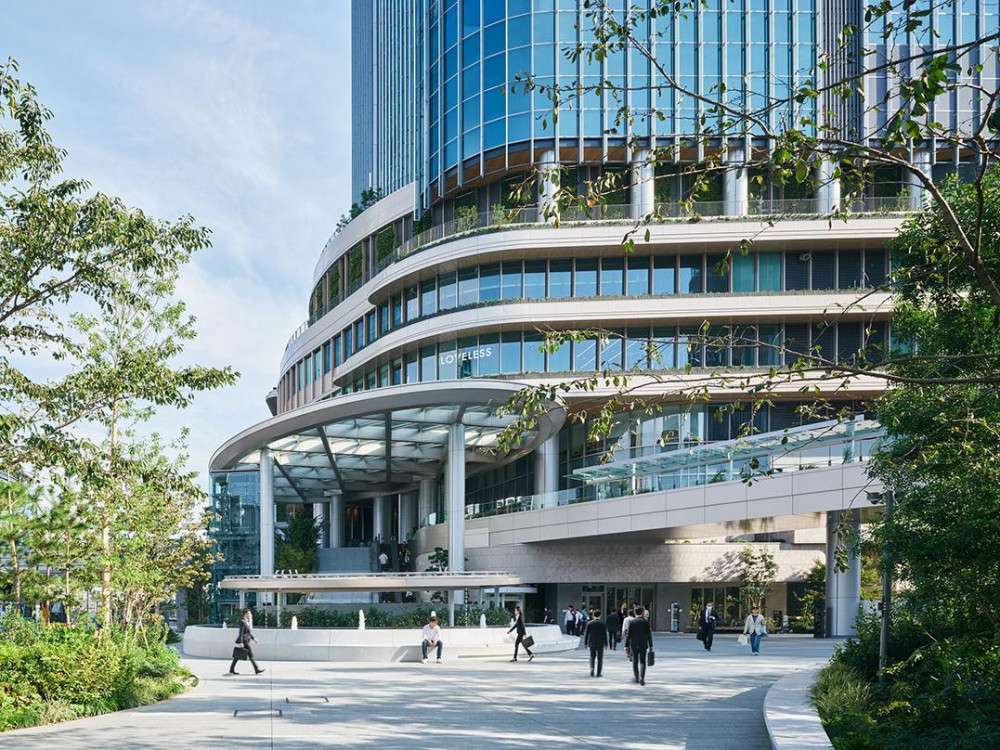
At the core of Takanawa Gateway City Tokyo are two large-scale complexes: THE LINKPILLAR 1 and THE LINKPILLAR 2.
LINKPILLAR 1 functions as the district’s business hub, combining office space with hotel, commercial and convention facilities. Designed to host international conferences and large events, it reinforces the area’s role as a global meeting point, positioning it as a hub for international business and collaboration.
LINKPILLAR 2 introduces a more mixed-use approach, incorporating offices alongside wellness facilities, clinics and fitness spaces. It also houses the Takanawa Gateway Link Scholars’ Hub, a collaborative platform that brings together startups, researchers and institutions such as the University of Tokyo.
A cultural anchor: MoN Takanawa
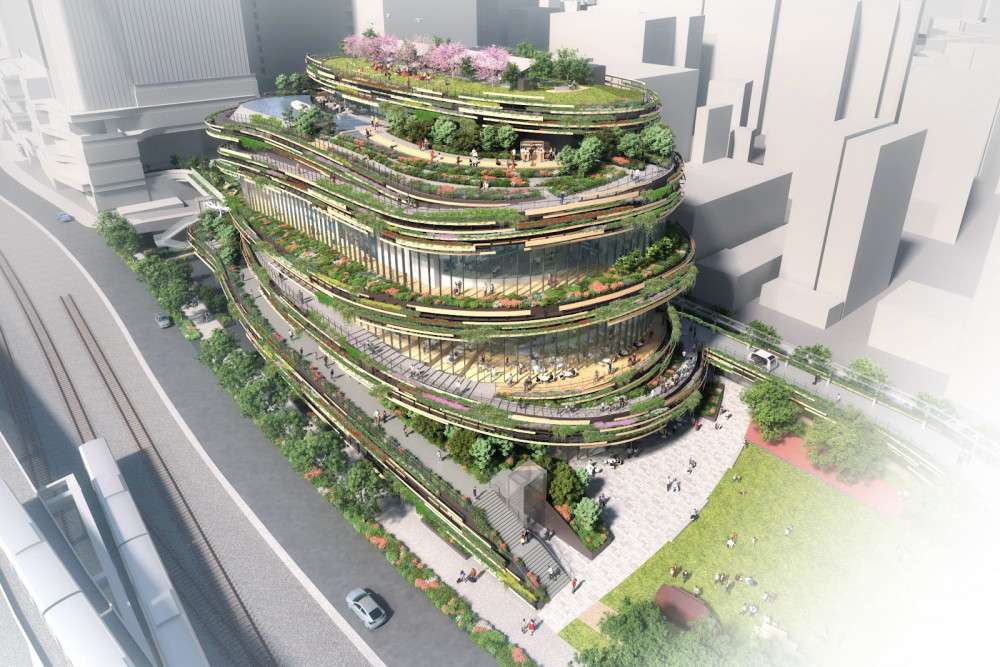
Culture is central to the development, highlighted by the exhibition space MoN Takanawa: The Museum of Narratives.
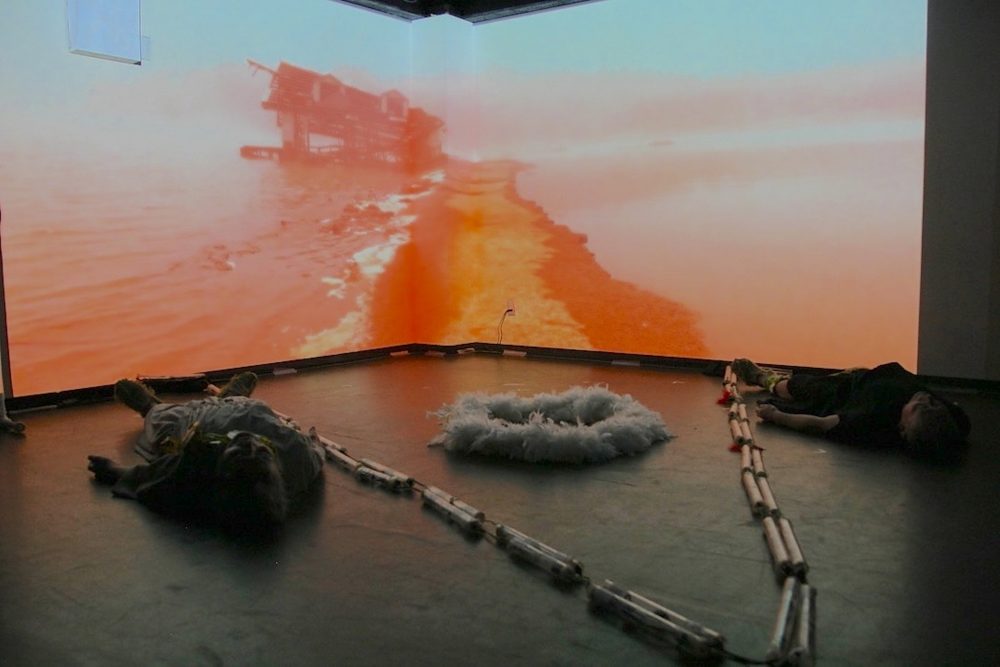
The museum moves beyond traditional exhibition formats, combining large-scale installations, performance spaces and interactive experiences. Its programming spans disciplines, from manga and music to technology and future storytelling, reflecting the project’s broader ambition to create a space where ideas continuously evolve.
Restaurants, cafés and rooftop gardens extend the experience beyond the exhibition spaces, positioning the museum as both a destination and a social hub.
Living within the district
The residential component, Takanawa Gateway City Residence, introduces international-standard housing, including serviced apartments and access to nearby educational facilities such as international schools.
This integration of living spaces supports the area’s shift from a business hub to a more complete urban neighborhood.
Sustainability and smart infrastructure
Environmental performance is central to the design, with renewable energy systems, advanced energy management and low-carbon technologies integrated across the district.
Smart city initiatives, including data-driven services and mobility systems, aim to streamline daily life for both residents and visitors.
An evolving part of Tokyo
What sets Takanawa Gateway City apart is how it is set to evolve. Rather than a fixed development, it functions as a flexible urban framework where new ideas, technologies and urban systems can be tested over time.
As the district continues to take shape, it remains one of Tokyo’s most closely watched redevelopment projects, shaped as much by future possibilities as by what has already been built.
More information is available on the official Takanawa Gateway City project page.
You might also be interested in Why Wooden Architecture Is Making a Comeback in Japan