9 Best Japanese Skincare Brands Locals Actually Use
Decoding the Japanese skincare staples locals swear by
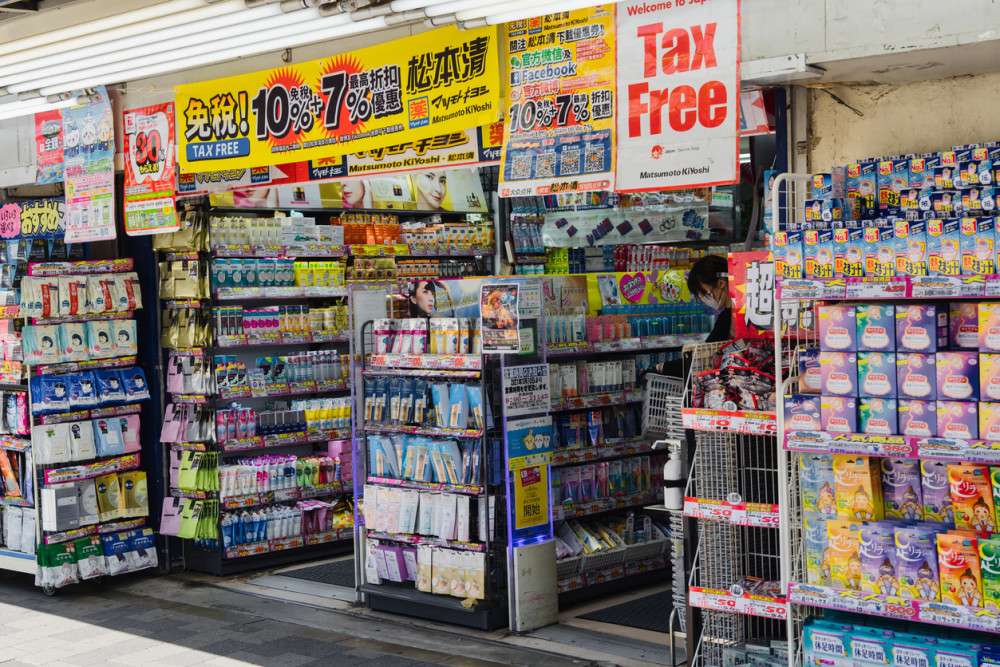
Japan’s rapidly evolving skincare scene gives K-beauty a serious run for its money. Walk into any Japanese drugstore and you’ll see shelves stocked with all kinds of skincare products. You’ll know a winner when you see the iconic @cosme crown stickers on the packaging, signaling they’ve topped Japan’s most influential consumer review platform. These aren’t just for show; they are “long-sellers” that locals have trusted for decades. The goal here is a crystal-clear, “glass” complexion that feels weightless, offering deep hydration without the heavy, suffocating layers common in Western routines.
Navigating the language on the labels is also another story. In Japan, “lotion” acts as a liquid hydrator, while “serums” or “essences” serve as a lightweight moisture anchor. Don’t let the word “whitening” (bihaku) trip you up. In the J-beauty world, this doesn’t mean bleaching your skin. It is simply the local term for brightening, focusing on erasing dark spots, inhibiting melanin to prevent freckles, and evening out your tone. You’re aiming for a polished, healthy radiance rather than a change in your actual skin color.
From lotions and toners to serums and creams, these Japanese skincare products consistently dominate local shopping baskets.
For sunscreen, check out our guide to Japanese drugstores.
Hada Labo
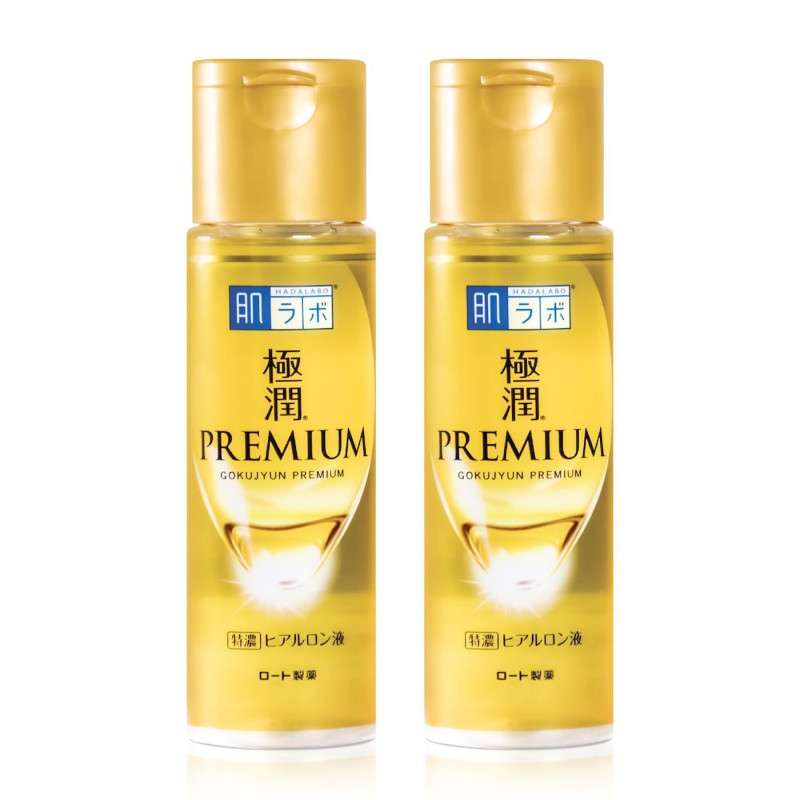
Hada Labo Gokujyun Premium Lotion
This cult-favorite toner is loved in Japan for its deep hydration and simple ingredient list. It contains multiple types of hyaluronic acid to keep skin plump and moisturized without feeling heavy.
Skin type: Dry and dehydrated skin
Main ingredient: Hyaluronic acid helps attract and retain moisture in the skin
Recommended use: Apply after cleansing as a hydrating toner
Buy Hada Labo Gokujyun Premium Lotion on Amazon
Shiseido
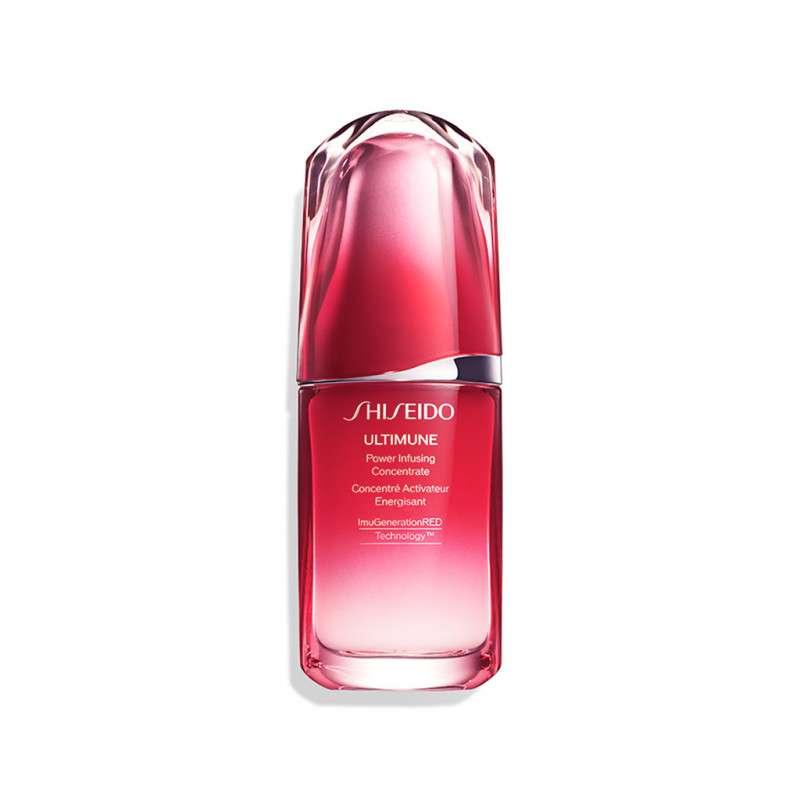
Shiseido Ultimune Power Infusing Serum
One of Japan’s most iconic luxury skincare products, this serum helps strengthen the skin barrier and improve overall skin health. It’s widely used in Japan and globally for its anti-aging and resilience benefits.
Skin type: All skin types
Main ingredient: Fermented botanical extracts, supporting the skin barrier and hydration
Recommended use: After toner, before moisturizer
Buy Shiseido Ultimune Power Infusing Serum on Amazon
Senka
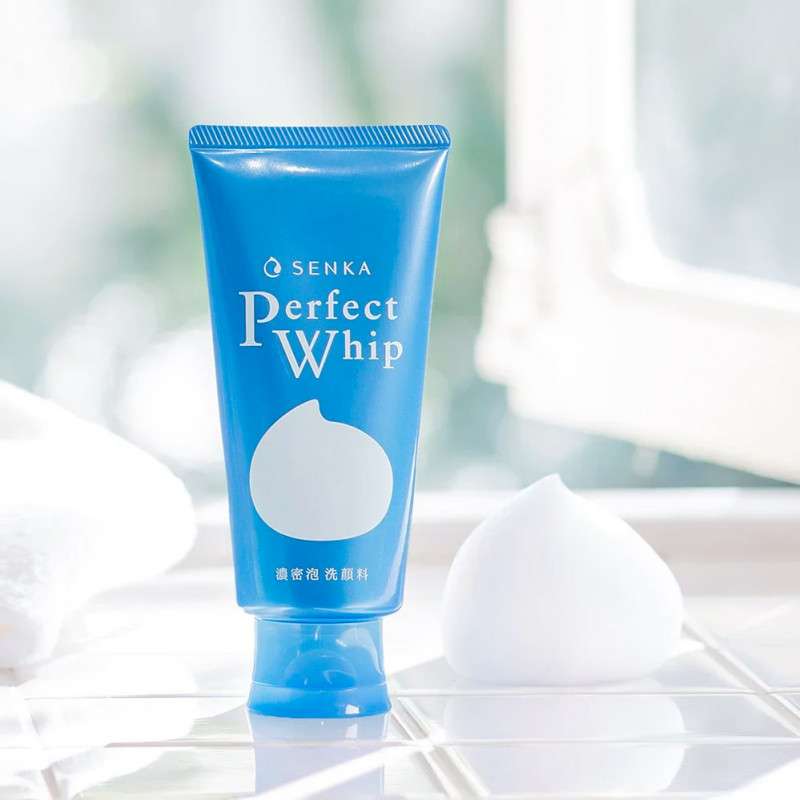
Senka Perfect Whip
A drugstore cleanser that many locals use daily. It creates a rich foam that cleans deeply while remaining gentle on the skin.
Skin type: Oily skin
Main ingredient: Silk essence, helps keep skin smooth and hydrated
Recommended use: Use as a daily facial cleanser
Buy Senka Perfect Whip on Amazon
SK-II
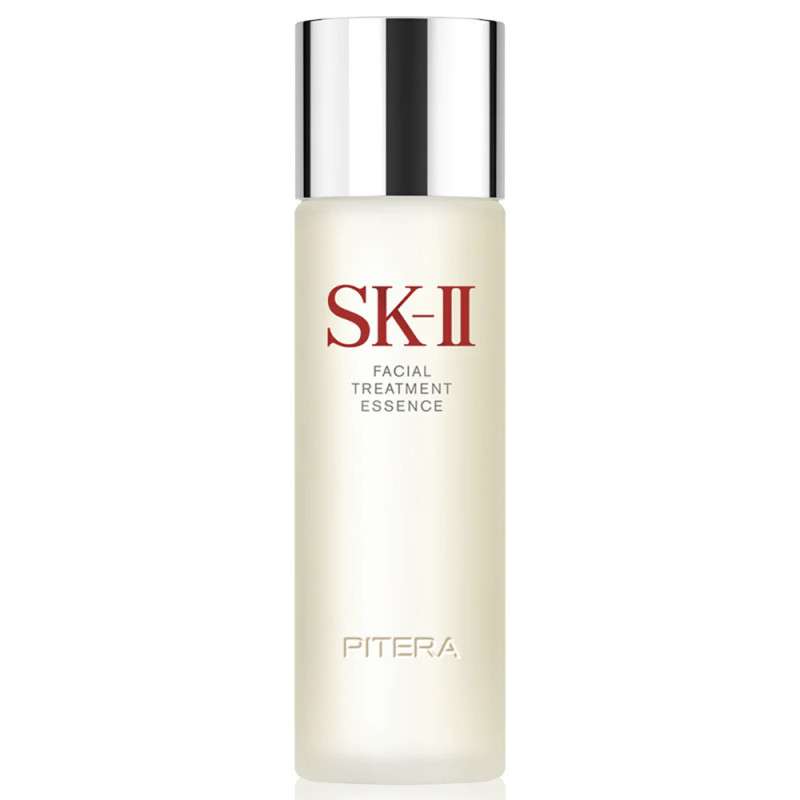
SK-II Facial Treatment Essence
Often called “miracle water,” this essence is famous in Japan for improving skin texture and radiance. It’s a premium product but highly respected among skincare enthusiasts.
Skin type: All skin types
Main ingredient: Pitera (yeast ferment) improves skin renewal and glow
Recommended use: Apply after toner
Buy SK-II Facial Treatment Essence on Amazon
Muji
Muji Sensitive Skin Moisturizing Lotion
Minimalist and affordable, Muji skincare is very popular in Japan for sensitive skin. The formulas are simple, fragrance-free, and gentle.
Skin type: Sensitive skin
Main ingredient: Natural spring water – hydrates and soothes skin
Recommended use: After cleansing
Buy Muji Sensitive Skin Moisturizing Lotion on Amazon
Curél
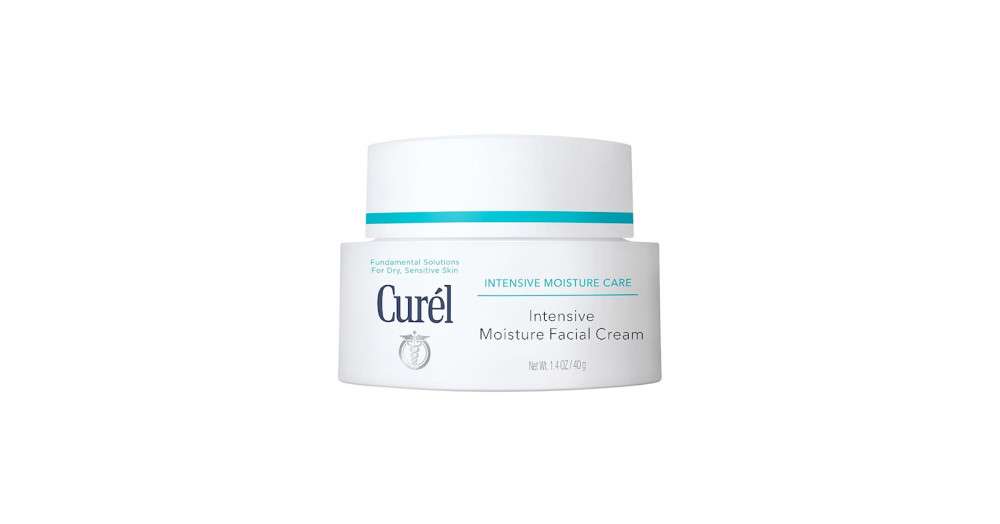
Curél Intensive Moisture Cream
A dermatologist-recommended brand in Japan known for focusing on ceramide care. People with dry or sensitive skin widely use it.
Skin type: Dry and sensitive skin
Main ingredient: Ceramides help repair the skin barrier
Recommended use: Final step of skincare routine
Buy Curél Intensive Moisture Cream on Amazon
DHC
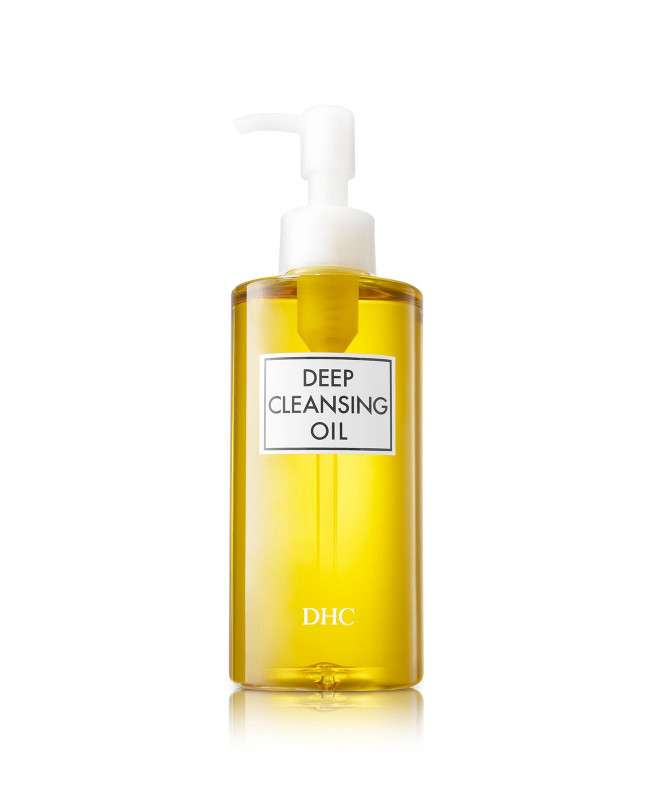
DHC Deep Cleansing Oil
A classic Japanese cleansing oil that removes makeup and sunscreen effectively. It’s simple, effective, and widely used by locals.
Skin type: All skin types
Main ingredient: Olive oil dissolves makeup while moisturizing
Recommended use: First step of double cleansing
Buy DHC Deep Cleansing Oil on Amazon
Biore
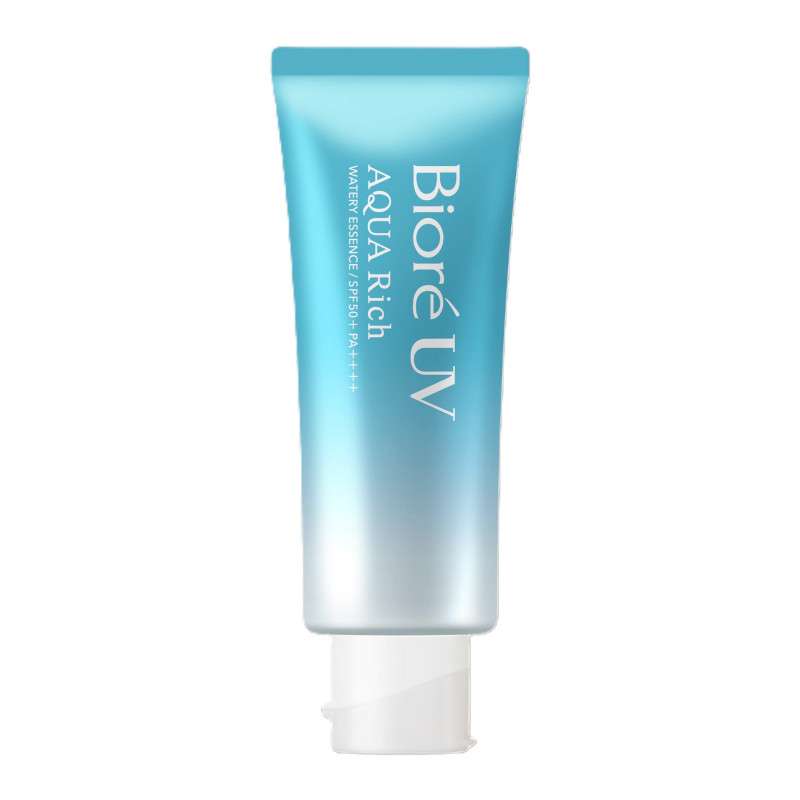
Biore UV Aqua Rich Watery Essence
One of Japan’s most popular sunscreens thanks to its lightweight, non-greasy formula. It feels more like skincare than sunscreen.
Skin type: All skin types
Main ingredient: UV filters + hyaluronic acid, both protect the skin while hydrating
Recommended use: Apply as the last step of morning skincare
Buy Biore UV Aqua Rich Watery Essence on Amazon
Naturie
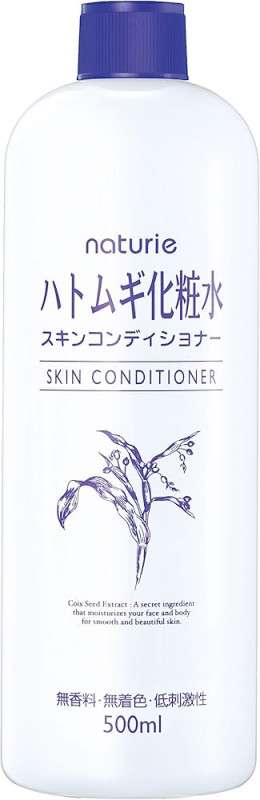
Naturie Hatomugi Skin Conditioner
A huge bottle of toner that’s extremely popular in Japanese drugstores. It’s known for being affordable, soothing, and versatile.
Skin type: All skin types, especially oily or combination
Main ingredient: Barley extract (Job’s tears / Hatomugi) helps soothe skin, reduce redness, and improve hydration
Recommended use: Use as a toner or DIY lotion mask
Buy Naturie Hatomugi Skin Conditioner on Amazon
FAQ:
What does “whitening” on Japanese skincare labels mean?
In Japanese skincare, “whitening” (美白 / bihaku) does not mean bleaching or changing your natural skin color. It refers to brightening and spot prevention. Whitening products focus on inhibiting melanin production to reduce dark spots, freckles and uneven tone. The goal is clearer, more even-looking skin, not lighter skin.
What does “lotion” mean in Japanese skincare, and why is it watery?
In Japan, “lotion” is closer to what Western routines call a toner or essence. It is a watery hydrating step applied after cleansing to replenish moisture and prepare the skin for serums or creams. Japanese lotions are designed to deliver lightweight hydration without heavy oils.
What skincare brands are popular in Japan?
Some of the most widely used Japanese skincare brands include Hada Labo, Shiseido, SK-II, Senka, Curél, Muji, DHC, Biore and Naturie. These brands are commonly found in Japanese drugstores and department stores and often appear on @cosme rankings, Japan’s largest beauty review platform.
Why is Japanese skincare so popular?
Japanese skincare is known for its lightweight formulas, hydration-focused routines and gentle ingredients. Many products emphasize maintaining the skin barrier and achieving a clear, natural-looking complexion rather than heavy coverage or aggressive treatments.
What is the typical Japanese skincare routine?
A basic Japanese skincare routine usually includes:
1. Cleansing oil (removes makeup and sunscreen)
2. Foam cleanser
3. Lotion (hydrating toner)
4. Serum
5. Moisturizer
6. Sunscreen during the day
The routine focuses on hydration, layering lightweight products and protecting the skin barrier.
What ingredients are common in Japanese skincare?
Popular ingredients in Japanese skincare include hyaluronic acid, ceramides, fermented extracts, rice bran, green tea and hatomugi. These ingredients are known for their hydrating, soothing and skin-barrier-supporting properties.
Where can you buy Japanese skincare products?
Japanese skincare products are widely available at drugstores such as Matsumoto Kiyoshi, Don Quijote and Loft, as well as department stores and online retailers. Many popular items can also be purchased internationally through retailers like Amazon and specialty beauty shops.
What are @cosme rankings?
@cosme is Japan’s largest beauty review platform, similar to Sephora reviews or Reddit skincare communities. Products that rank highly often receive “@cosme crown” stickers in stores, indicating strong consumer ratings and long-term popularity.