The Agri-Girls Project
Can Aesthetic Farming Fix Japan's Labor Shortage?
Tea-picking and photogenic strawberry farms are racking up likes on social media among Japan’s young people. Grape orchards and mandarin groves have joined in too, turning seasonal harvests into Instagram-friendly experiences.
At the same time, Japan is trying to persuade young people to look at agriculture differently.
The two trends are not necessarily part of the same campaign. Some farms are simply getting smarter about agritourism. They do, however, share something important: both turn farming into an experience for people who might otherwise have little contact with it.
For a country facing a shrinking and aging agricultural workforce, that distinction matters. Before someone can choose farming as a career, they must first be able to imagine it as such.
A trend built for the camera
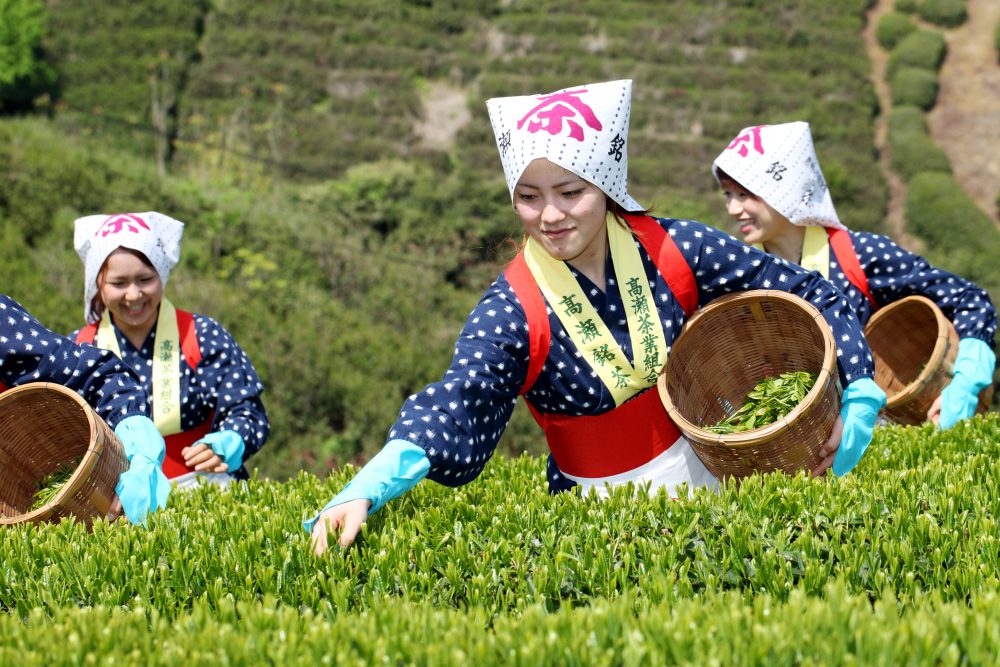
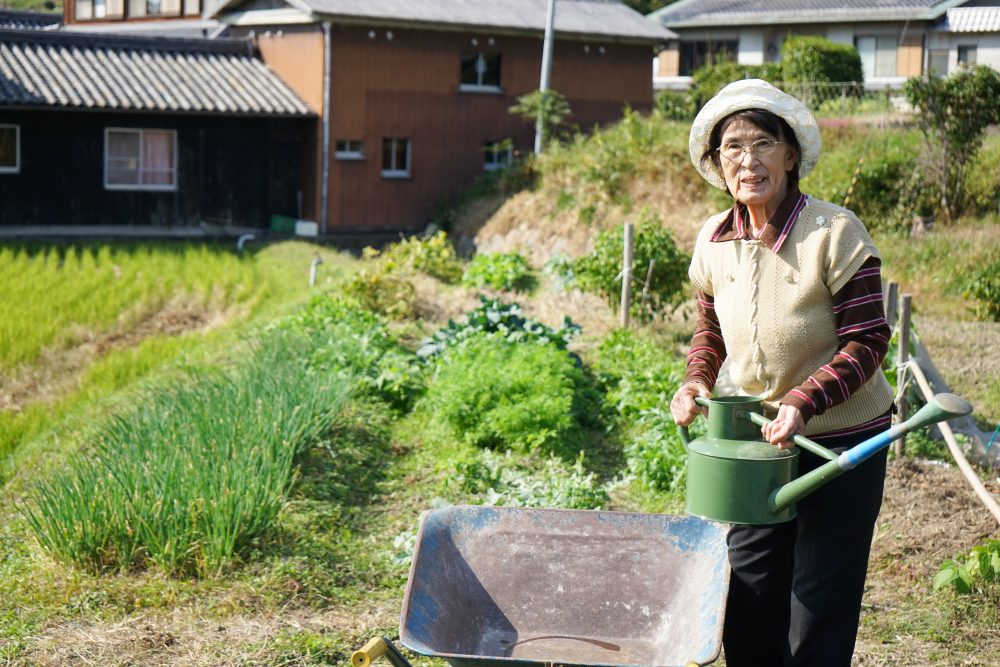
Search “tea picking” in Japanese and the results are abundant. Many tea farms across Shizuoka and Kyoto now offer chatsumi musume (tea-picking maiden) costumes. These are the red-and-white outfits historically worn by tea harvesters.
Picking plans also include food, from nostalgic bento to tea-related dishes like tea soba or tea leaf tempura. Picking days are sold as a full, rounded afternoon experience, not just a bucket of tea leaves.
Fruit-picking experiences are available year-round. Strawberry farms offer 30- to 45-minute all-you-can-eat plans from December through early June. Grape orchards open for picking each autumn. Mandarin orange groves, cherry orchards and apple farms offer similar experiences throughout the year.
The appeal is straightforward. A one-day picking experience offers a break from city life, fresh air, seasonal fruit and a costume. The picking itself feels more like play than labor. It ends with a stylish photo, ready for social media.
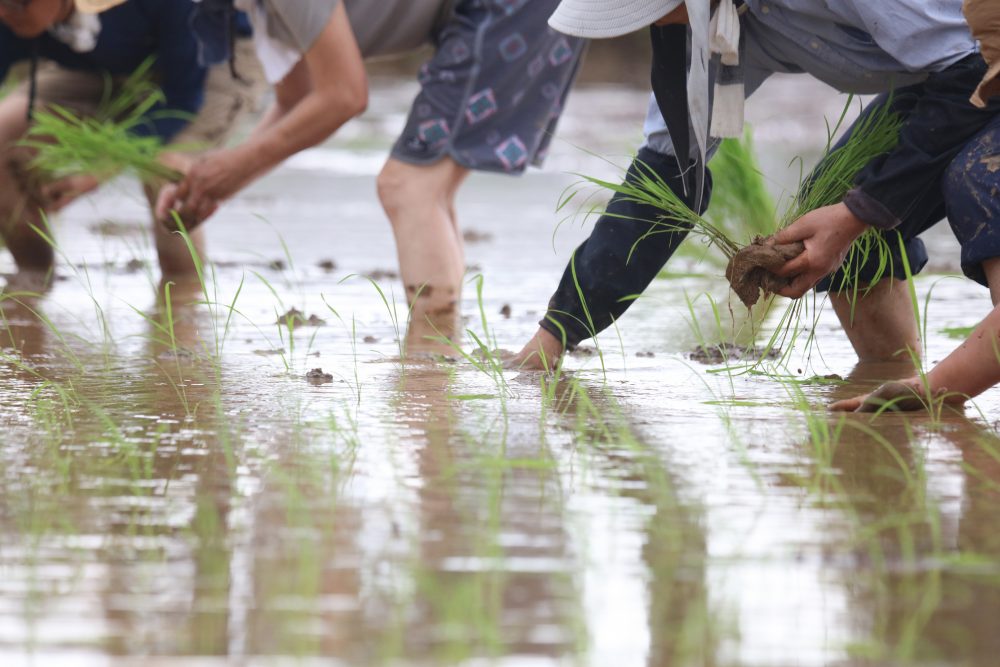
It’s not confined to farms marketing to visitors, either. A handful of well-known faces have taken up farming themselves and worked it into their own social media presence.
Model and TV personality Rola has been learning natural farming methods at a farm in Niigata since 2024, traveling there several times a month to plant, weed and harvest rice, and documenting the process for her millions of followers. Actor Yamada Takayuki, who runs his own pesticide- and fertilizer-free farming project in Yamanashi, is credited with inspiring her to start.
Where a picking experience packages agriculture as a day out, this version packages it as a personal, aspirational choice, one that echoes a broader, global pull toward nature, nutrition and slower living, and away from fast-paced urban and desk-bound work.
The labor shortage behind the photos
Real farm work looks very different from a 45-minute picking session.
Farming carries an old stigma in Japan’s labor market, referred to as “3K”: kitsui (tough), kitanai (dirty) and kiken (dangerous).
The stigma is only part of the problem. Farming can also be seasonal, making income less predictable. Compared with cities, rural communities offer fewer services and fewer opportunities to meet people outside the agricultural sector.
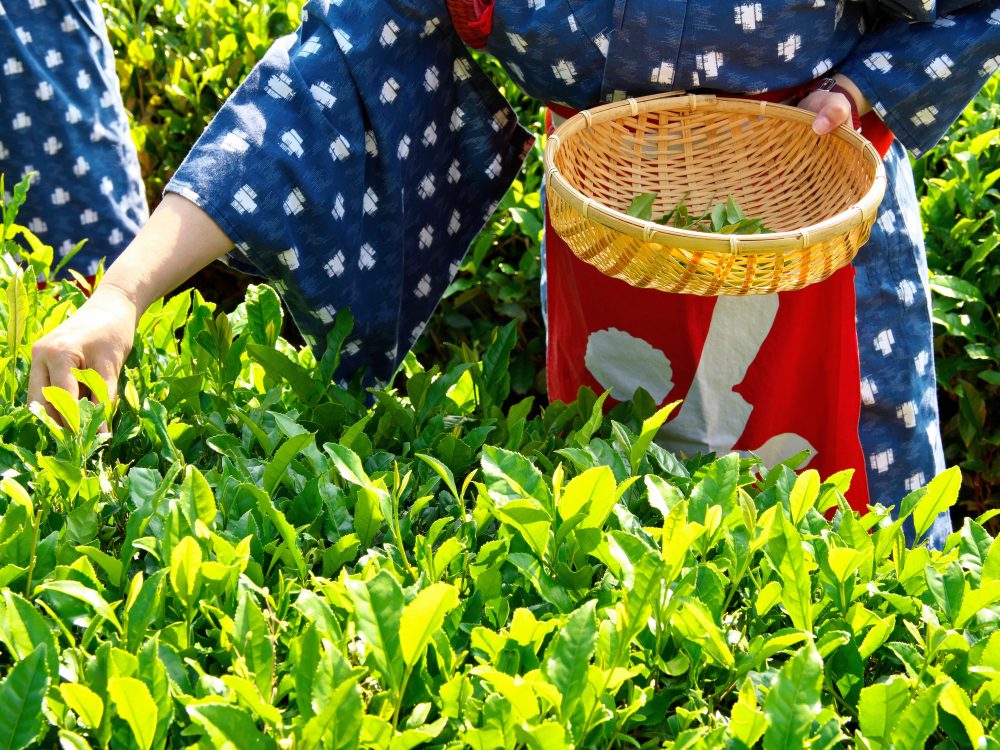
For young people looking in, the industry carries an image of an isolated and physically demanding life with little financial or social appeal.
The shortage becomes more apparent when looking at numbers. Japan’s core agricultural workforce, meaning people who run their own farm as a main job, fell from 2.4 million in 2000 to 1.04 million in 2025, according to the agriculture ministry’s census count. That’s a decline of nearly 57% over a quarter century. The most recent five years alone saw a 24% drop, the largest such decline on record.
The remaining workforce is getting older every year. The average age reached 67.7, with 69.6% of workers 65 or older.
Corporate farming is one response already underway. Incorporated agricultural operations grew nearly 8% in the same five years, even as individual farms shrank. However, corporations still make up a small share of all farm operations.
Land left behind by retiring individual owners does not always find a buyer. Japan’s abandoned farmland now totals roughly 257,000 hectares, a figure that has been climbing steadily since the 1990s.
None of what follows makes this shortage any less complex, and no single campaign will resolve numbers of this scale. The programs below target something narrower: how farming is perceived, not the structural decline itself.
Making farming a career people can imagine
Japan’s Ministry of Agriculture, Forestry and Fisheries (MAFF) has programs to help companies recruit and train new farm employees as well as programs supporting people who want to start farms of their own. Alongside the financial support is another effort: changing how agriculture is presented to potential recruits.
One place that effort concentrates is gender. MAFF reports that farm operations with women involved in management saw ordinary profits grow by an average of 126.6% over three years, compared with 55.2% growth at operations without female involvement, based on a Japan Finance Corporation survey. That gap is part of the case for programs that specifically target women.
One example is the Agri-Girls Project (Nougyou Joshi Project), started in November 2013. The aim is to raise the visibility of women farmers and increase the number of young women who choose agriculture as a profession. As of April 2023, MAFF reports that the project counted 945 members nationwide, working with 35 partner companies and 8 educational institutions.
Farm gear with style
The project pairs female farmers with corporate partners on product development. The results tap into the same appeal as the social media trend: farm gear that looks good, not just gear that works.
Daihatsu built a promotional package for its Hijet mini truck called the Female Farmer Pack. It bundled a colorful interior and body paint option with a “Beauty Pack”: specialty glass, a sun visor with a vanity mirror, an upgraded air filter and UV-cut glass to guard against sunburn.
Montbell launched its first women’s rain jacket and pants for fieldwork, developed with input from project members. The jacket’s low front zip keeps makeup from smearing under the hood. The pants have a deeper rise so nothing shows while crouching to work.
Fumakilla designed an insect-repellent spray in pink packaging that shows a stylish woman working in the fields. One message runs through all three products: farm work does not require giving up personal style.
The project’s Hagukumi (“nurturing”) initiative connects women farmers with high schools and universities to introduce students to agriculture as a career and encourage those interested in pursuing it.
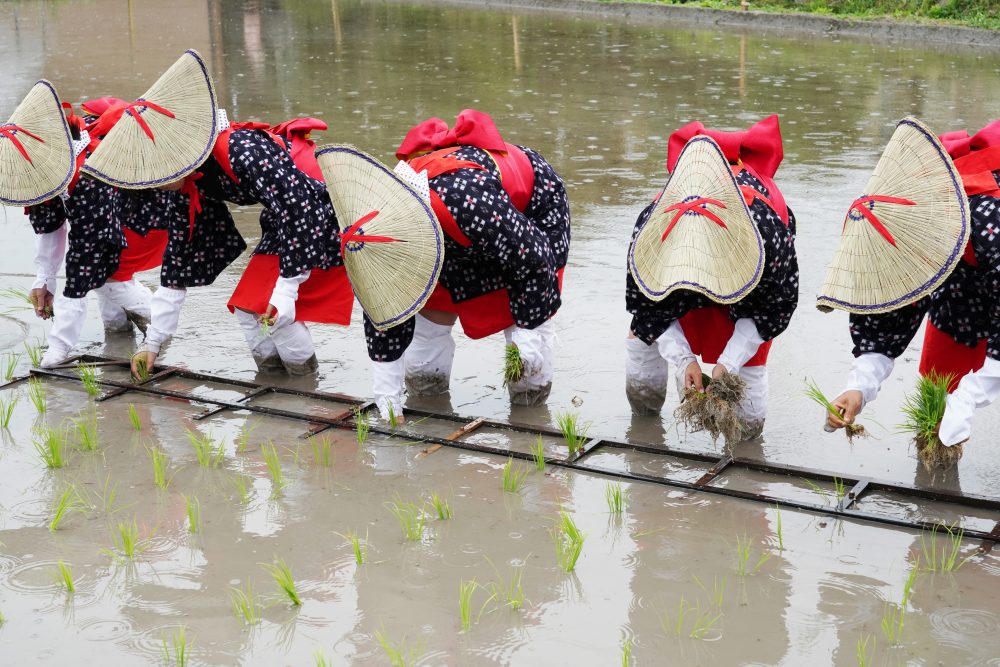
The effort to build familiarity with agriculture starts even earlier. Rice-planting field trips have spread through schools since the late 1990s.
Japan Agricultural Cooperatives runs the program nationally under the name Tanbo no Gakko (rice paddy school). Children plant seedlings by hand in spring and return in autumn to harvest the crop. It’s part of a broader effort to normalize hands-on contact with agriculture.
The approaches operate at different ages, but they share a common thread: direct contact with the industry. Adults get the farm experience and cute photos. Students get the lesson. Prospective workers get internships, training and career information.
Can aesthetic farming actually work?
Across these efforts, agriculture becomes easier to approach. Picking days turn it into an afternoon experience. The Agri-Girls Project presents it as a lifestyle and career, one product at a time. School programs introduce children to the work before they ever have to make a career choice.
The approaches are different, but they move in the same direction: from seeing agriculture as something that happens somewhere else to experiencing it, identifying with the people who do it and, eventually, considering it as a career.
The effect on actual recruitment is harder to measure. These experiences cannot guarantee that someone will become a farmer.
Even so, they do bring tangible benefits. For farms, agritourism creates an additional source of income by turning seasonal work and agricultural landscapes into experiences people are willing to pay for. A young person who plants rice by hand may never become a farmer, but the experience can give them a connection to agriculture that they would not otherwise have.
Recruitment starts before someone fills out an application. It starts with whether a career or lifestyle exists in a person’s imagination at all. Japan might never be able to make farming glamorous enough to solve its agricultural crisis. It may, however, make farming visible enough for a new generation to start looking at it differently.
Related articles:
Be an Organic Farmer for the Day