June 12, 2025
Tokyo’s Top Haunted Spots for Ghost Hunting in Summer 2025
11 of Tokyo’s Most Paranormal Spots
Have you ever had a paranormal experience in Tokyo? You’re not alone. We’ve rounded up some of Tokyo’s most haunted spots and ghost stories in and around the capital. These locations offer a glimpse into the city’s darker side, where history and legend blend to create spaces ripe for paranormal encounters.
Advertisement
Summer in Japan is the season for ghost stories, horror movies and ghost-hunting. This spooky summer energy typically lasts until around Obon, the mid-August holiday when it’s believed that ancestral spirits return to visit the living.
There’s actually a pretty logical reason why summer is the peak season for ghost stories and spooky activities. Scary things are “chilling,” right? That cold sweat, that shiver you get when something frightens you, it’s seen as a way to cool down. Fear as a form of seasonal refreshment might sound strange, but it’s long been part of Japan’s summer culture.
There’s also the centuries-old tradition of kimodameshi (肝試し), which literally means “testing one’s liver,” or courage. The idea is simple: go somewhere scary like a dark forest, a deserted shrine, an old graveyard, or an abandoned tunnel, usually at night and carry out a specific mission. It could be walking to the end of a path and back, searching for something, or collect the evidence, like a stamp rally. Kimodameshi remains a popular summer ritual, an icebreaker and a thrill for school, couples and friends.
In Japanese, a place said to be haunted is known as a 心霊スポット (shinrei spot) and, according to a survey by the Asahi Shimbun, about 45% of Japanese people believe in the supernatural. Read on to find out why.
Read More:
“Yurei: Japanese Spirits of Summer?” by Zack Davisson
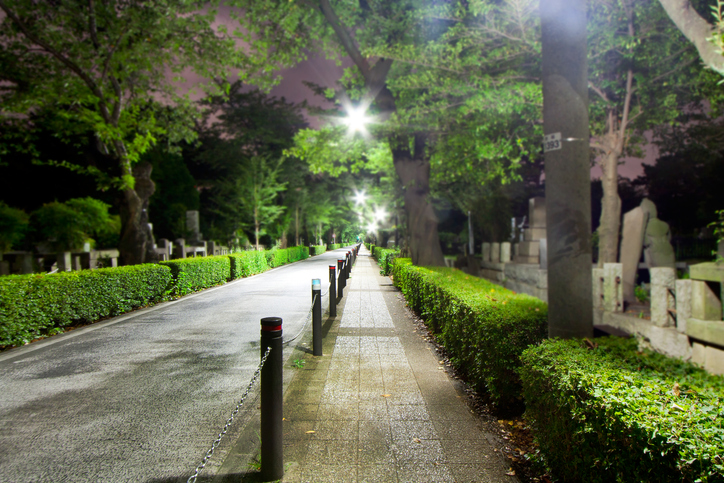
1. Aoyama Cemetery: The Infamous Graveyard (Aoyama)
Address: 2-32-2 Minami Aoyama, Minato-ku
Access: 9-minute walk from Gaien-maye Station
Google Maps Link: Aoyama Cemetery
Shinrei Rating: 👻👻👻
Aoyama Cemetery, established as Japan’s first public cemetery in 1926, serves as the final resting place for many historical figures. It has become associated with numerous ghost stories, particularly connected to those who perished in the Great Kanto Earthquake and World War II air raids. Reports of apparitions in traditional attire and unexplained disappearances, such as the infamous story of a vanished taxi passenger, contribute to the site’s haunted reputation. Many visitors claim to experience a sense of unease, feeling watched by unseen forces.
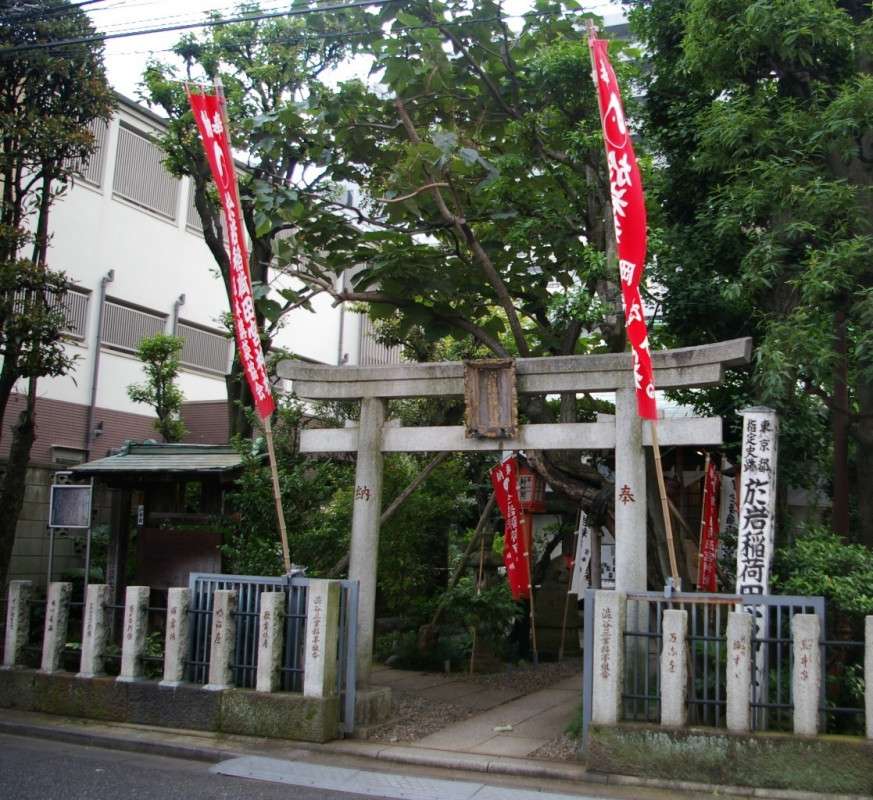
2. Oiwa Inari Tamiya Jina: The Ghost Shrine (Yotsuya)
Address: 17 Samoncho, Shinjuku-ku
Access: 5-minute walk from Yotsuya Sanchome Station
Google Maps Link: Yotsuya Oiwa Inari Tamiya Shrine
Shinrei Rating: 👻👻👻👻
This Yotsuya shrine is dedicated to Oiwa, the central figure in the famous kabuki play Yotsuya Kaidan, known for her tragic fate and vengeful spirit. It is said that those who fail to pay proper respect to Oiwa’s memory invite misfortune. The shrine attracts actors performing the play, who often report accidents linked to Oiwa’s curse. Visitors may feel a chilling presence or hear faint, unexplainable sounds. The shrine’s somber atmosphere is intensified by the offerings left to calm her restless spirit.
3. Jokan-Ji: The Throw Away Temple (Senju)
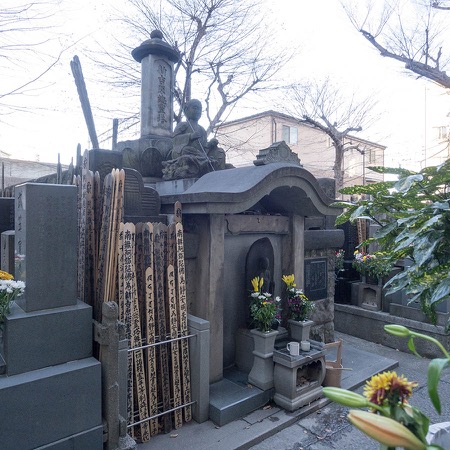
Address: 2-1-12 Minamisenju, Arakawa-ku
Access: 1-minute walk from Minowa Station on the Tokyo Metro Hibiya Line
Google Maps Link: Jokan-Ji
Shinrei Rating: 👻👻👻👻
Jokan-Ji, referred to as the “Throw Away Temple,” holds a tragic legacy as the burial site for many women from the Yoshiwara red-light district during the Edo period. Thousands of unmarked graves are located here, and many believe the spirits of these women still linger, unable to find peace. Shadowy figures and strange sounds, including soft cries, are often reported at night. The temple’s annual memorial ceremonies reflect ongoing efforts to honor these souls, further cementing its status as one of Tokyo’s most haunted spots.
4. Kinuta Park: The Haunted Tree Stump (Setagaya)
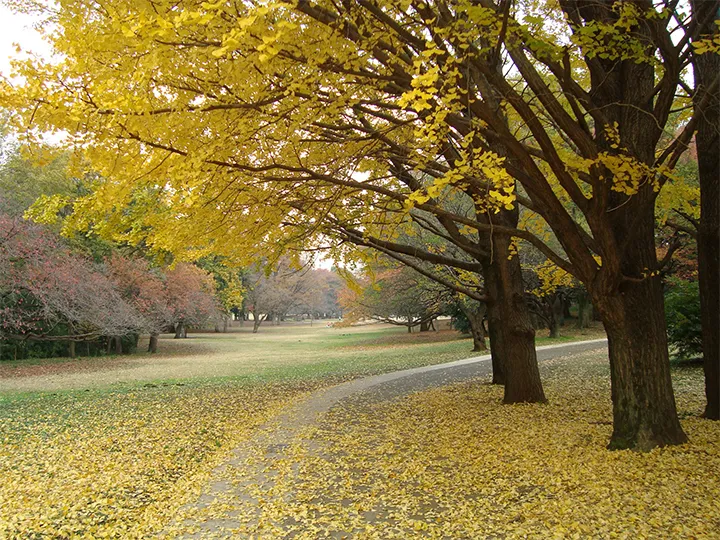
Address: 1-1 Kinutakoen, Setagaya-ku
Access: 1-minute walk from Minowa Station on the Hibiya Line
Google Maps Link: Kinuta Park
Shinrei Rating: 👻👻
Kinuta Park is popular with families, art lovers and cherry-blossom enthusiasts. However, beneath its serene facade lies the legend of a vengeful demon. The park was built on the site of an old 第六天 (dairoku-ten) shrine, dedicated to the Demon King. Most dairokuten shrines were destroyed due to their sinful connotations, leaving few behind. An innocent-looking tree stump in the Okamoto area is believed to be an original part of the old forest. Those who touch it may find themselves cursed. Google Maps refers to this area as たたりの森 (“tatari-no-mori” or “forest of the vengeful ghost”). Was it even too much for road construction workers to remove the stump?
Take a trip and see if you’re brave enough to touch the tree stump for yourself. To find it, follow the pin at the Google Map we made. You can even see on the map view an usual curve in the otherwise straight road. Was it that even road construction workers were too afraid to remove the tree? This article (Japanese only) gives further direction on how to reach the stump.
Advertisement
5. Horyuji-zaka: The Haunted Hill (Shinjuku)
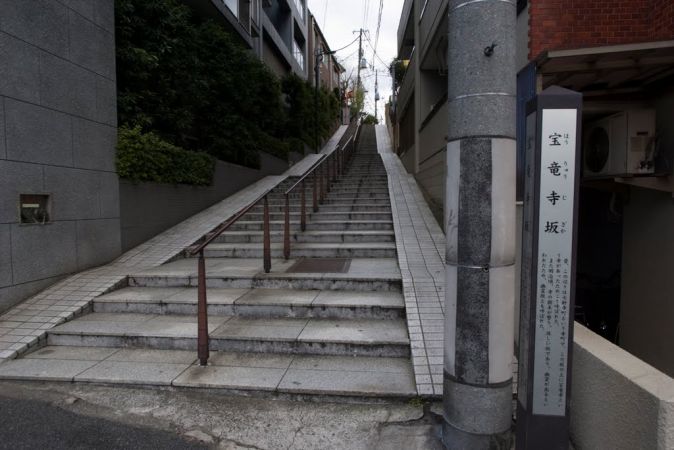
Address: 3-8 Ichigaya Yamabushicho, Shinjuku-ku
Access: 3-minute walk from Ushigome-yanagicho Station on the Oedo Line
Google Maps Link: Horyuji-zaka
Shinrei Rating: 👻👻👻
Tokyo is home to several 幽霊坂 (yurei-zaka) or ghost slopes, including Horyuji-zaka in Shinjuku, known for ghost sightings since the Meiji Period. This steep hill once led to Horyuji Temple and provided ample time for contemplation before reaching the sacred site. Today, the hill is lined with modern apartments, but those brave enough to venture here on Halloween might catch a glimpse of something otherworldly.
6. Tamai Hospital: The Abandoned Hospital (Hatsudai)
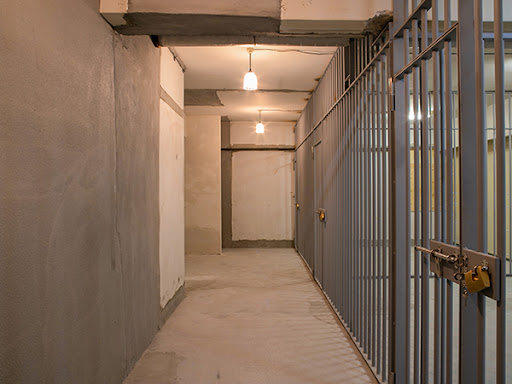
Address: 1-4-1 Honmachi, Shibuya-ku
Access: 2-minute walk from the North exit of Hatsudai Station on the Keio New Line
Google Maps Link: Tamai Hospital
Shinrei Rating: 👻👻👻👻👻
Near Shibuya’s bustling nightlife lies one of Tokyo’s most haunted spots: the now-abandoned Tamai Hospital. Once a functioning medical institution, it was transformed into a TV studio, notorious for filming grim dramas. Yet, the echoes of its past remain. Many report feeling sharp pains or encountering eerie occurrences, such as curtains moving without a cause. Local film crews regard this site as a hotspot for paranormal activity.
7. Yawata No Yabushirazu: The Forbidden Grove (Motoyawata)
Address: 2-8 Yawata, Ichikawa-shi, Chiba
Access: 5-minute walk from Moto-Yawata Station on the Shinjuku Line and Sobu Line
Google Maps Link: Yawata No Yabushirazu
Shinrei Rating: 👻👻👻👻
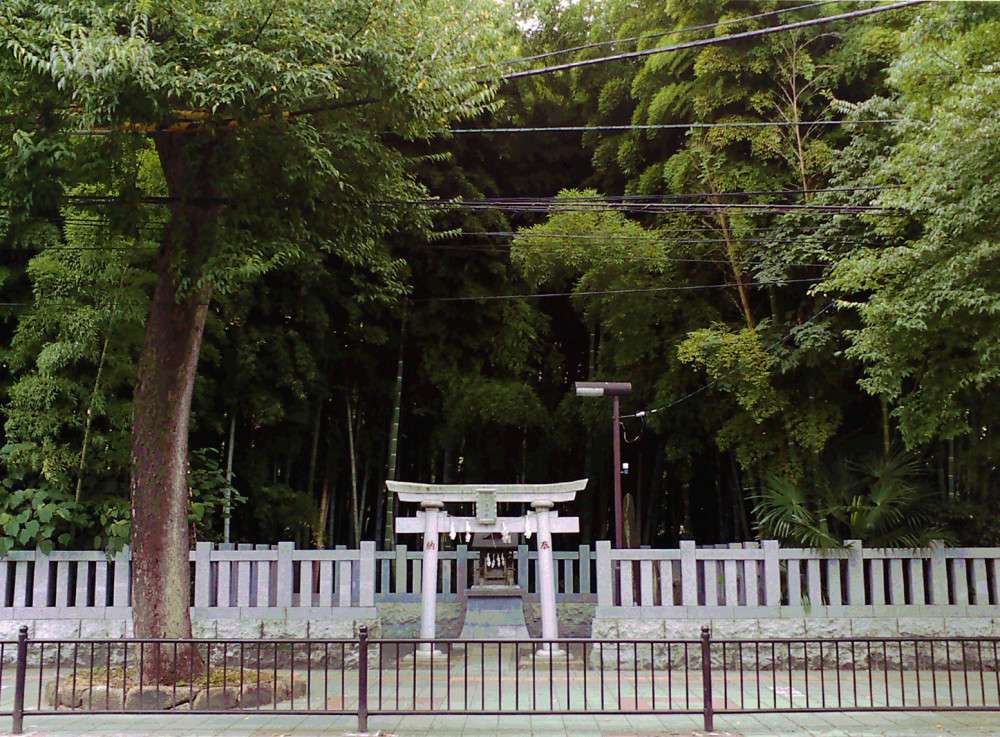
Located just across the Tokyo border in Chiba, Yawata no Yabushirazu is a small, fenced-off grove with a chilling reputation: once you enter, you never come back out. Unlike most shinrei spots, this place isn’t related to modern ghost sightings—people fear it for its ancient taboos. Marked by a lone torii gate, the grove spans just 18 square meters, yet no one dares to step inside.
Legends swirl around its origins: some say it’s a burial site for wronged souls, others claim it’s cursed by warped time, poisonous gas or linked to kamikakushi (being spirited away). Even city officials avoid trimming the overgrowth. According to written records, locals have avoided the area since at least the 1700s—but no one knows exactly when the fear began.
8. Musashino’s Fourth JH School: The Haunted Gymnasium (Kichijoji)

Address: 5-11-41 Kichijōji Kitamachi, Musashino
Access: 22-minute walk from Musashi-Seki Station on the Seibu Shinjuku Line
Google Maps Link: Musashino’s Fourth JH School
Shinrei Rating: 👻👻
The area around Musashino’s Fourth Junior High School was once home to the Nakajima Musashi Aircraft Engine Plant, targeted during World War II bombings. Over 200 fatalities occurred here, and the surrounding region has become an infamous shinrei spot. The school gymnasium, formerly a laboratory, is said to harbor strange paranormal occurrences. Students whisper of a hidden staircase leading to the old morgue, with lingering scents of chemicals from past procedures
9. Sanatorium: The Ghostly Park (Egota)
Address: 3-14 Egotaa, Nakano-ku
Access: 10-minute walk from Shin-Egota Station on the Oedo Line
Google Maps Link: Sanatorium
Shinrei Rating: 👻👻👻👻
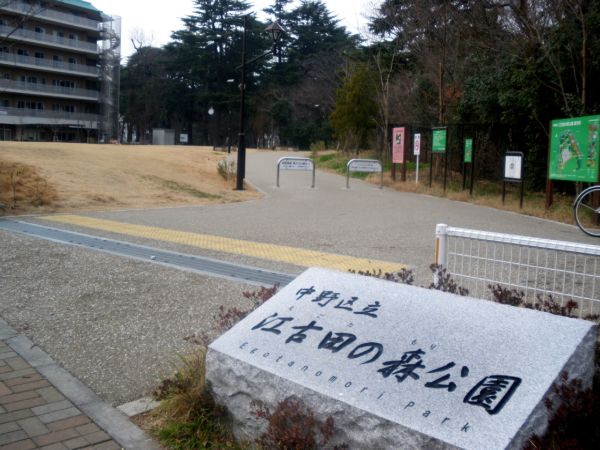
Egota Forest Park is a picturesque spot during the day, but transforms into a ghost-hunting ground at night. Once an army hospital turned sanatorium for tuberculosis patients, it is haunted by the spirits of many who suffered and died here. Closed in 1993, rumors abound of dark secrets surrounding its closure. Visitors have reported chilling experiences, including sightings of a woman pointing toward unseen evils and mysterious bite marks on dogs.
10. Tekona Reido: The Gentle Spirit (Ichikawa)
Address: 4-5-21 Mama, Ichikawa-shi, Chiba
Access: 10-minute walk from Ichikawa-Mama Station on the Keisei Line
Google Maps Link: Tekona
Shinrei Rating: 👻 or ❤️❤️❤️❤️❤️
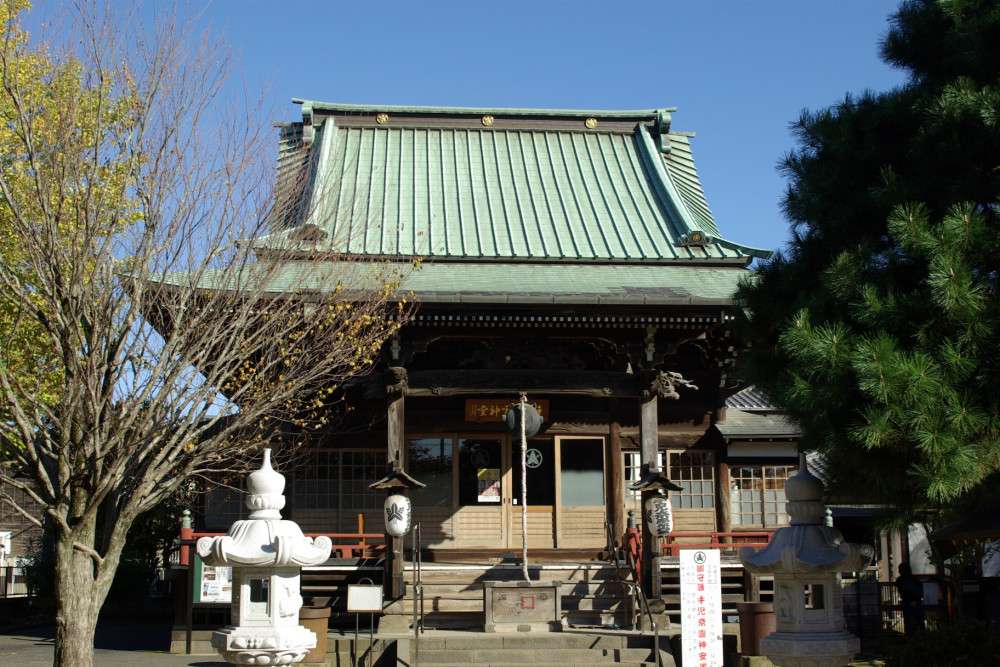
Tekona Reido is a spiritual site dedicated to Tekona, a legendary tragic beauty. Though her story comes from very local neighborhood lore and no one knows exactly when, it eventually was recorded in the Manyoshu, a poetry collection that compiled poems from the early 600s to 700s.
According to legend, Tekona was the daughter of a regional chieftain and so beautiful that men constantly fought over her. She eventually married into a neighboring province, but tensions between her homeland and her husband’s domain led to her being blamed and ostracized. Unable to return home, she quietly raised her child alone. But once word of her return spread, the suitors came again. Overwhelmed by the renewed chaos, both romantic and political, Tekona is said to have drowned herself in the inlet of Mama.
Moved by her suffering, the locals built a shrine in her honor in 700s. Unlike other ghost spots, visitors worship her as a goddess of safe childbirth, fertility and love—making it one of the rare shinrei sites near Tokyo associated not with curses, but with blessing. Visitors might still feel her presence at the shrine or at the adjacent temple, where an ancient well stands, the very spot where Tekona is said to have once drawn water. Locals whisper that, on quiet days, you can still hear her beautiful singing rising faintly from its depths.
Advertisement
11. Guhoji Temple: The Weeping Stone of the Samurai (Ichikawa)
Address: 4-9-1 Mama, Ichikawa-shi, Chiba
Access: 15-minute walk from Ichikawa-Mama Station on the Keisei Line
Google Maps Link: Guhoji
Shinrei Rating: 👻👻👻👻👻+
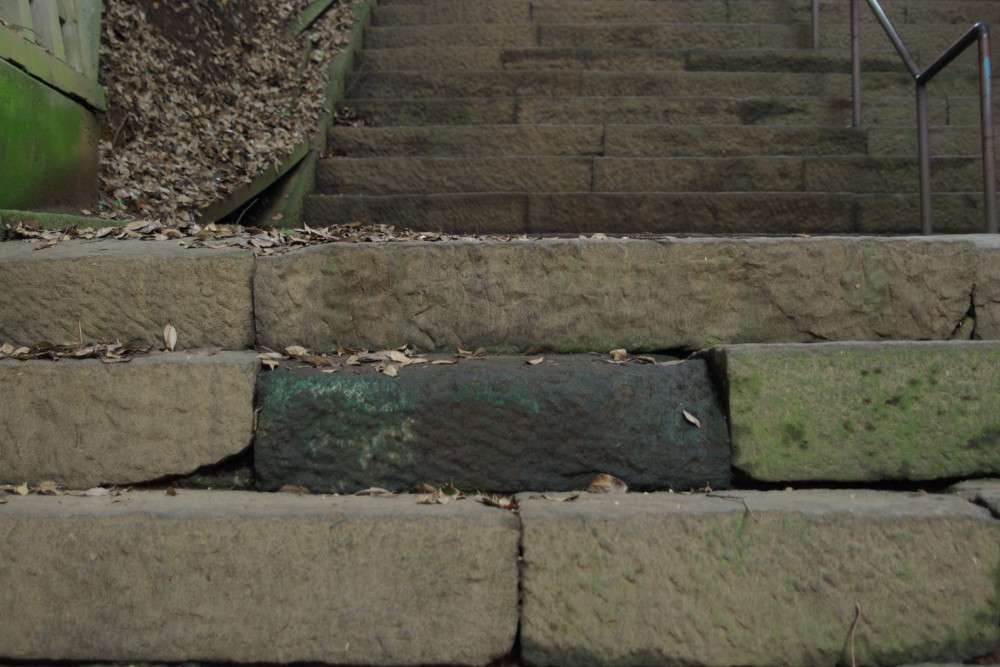
Guhoji Temple is a peaceful yet eerie site, home to the Namida-ishi (“Weeping Stone”), said to eternally glisten with moisture.
Founded in the 700s by the Buddhist monk Gyoki to honor the life of the aforementioned Tekona and later expanded into a major temple under Kukai (Kobo Daishi) in the 800s.
In the 1600s, Suzuki Nagayori, an official overseeing construction for Nikko Toshogu Shrine, diverted a stone from a transport shipment and used it in Guhoji’s staircase without permission. The shogunate held him accountable, and Nagayori, disgraced and cornered, took his own life on the very stone he had placed. Since then, the Namida-ishi has never dried—said to be soaked with his blood and tears.
Even on clear days, the stone glistens. Some believe it’s due to a hidden spring beneath. Others say it’s the weight of a samurai’s lingering regret. Local kids visit on summer nights for kimodameshi… and some swear they’ve encountered the spirit of the samurai who died in shame.