March 22, 2026
“Bougie” Spots to Eat and Drink in Tokyo
Explore the latest trends in dining at locations created by premier fashion brands
By Mille Ravina Boso and Joshua Harvey
Ogasawara Hakushaku Tei
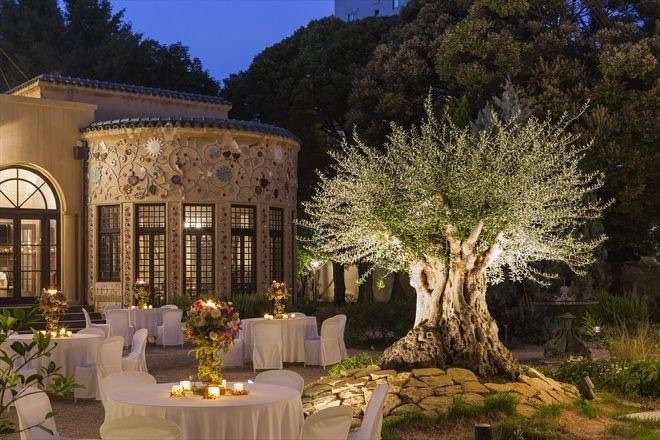
Occupying a 1927 manor in Shinjuku, this was once the private residence of Count Nagayoshi Ogasawara. Designed by the prestigious Sone & Chujo architectural office, the building is a Spanish colonial revival, popular in the Americas in 1920s. While Spanish architecture already carries Islamic influence in its lineage, the eclectic Moorish interior of the cigar room takes that further.
Today, it is a restaurant serving nueva cocina, modern Spanish cuisine. Chef Gonzalo Alvarez’s courses lean heavily into Japanese seasonal ingredients while maintaining the structural logic of Spanish cooking, arroz, Iberico de bellota, fresh fish from the market. Experience modern haute Spanish cuisine in a rare example of Moorish and Spanish colonial architecture in Japan.
Address: 10-10 Kawadacho, Shinjuku-ku
Access: 1 min. walk from Wakamatsu-Kawada Station (Toei Oedo Line)
Hours: Lunch 11:30 am – 3:00 pm / Dinner 6:00 pm – 11:00 pm
Price: $$$
Instagram: @ogasawarahakushakutei
Tsukiji Jisaku
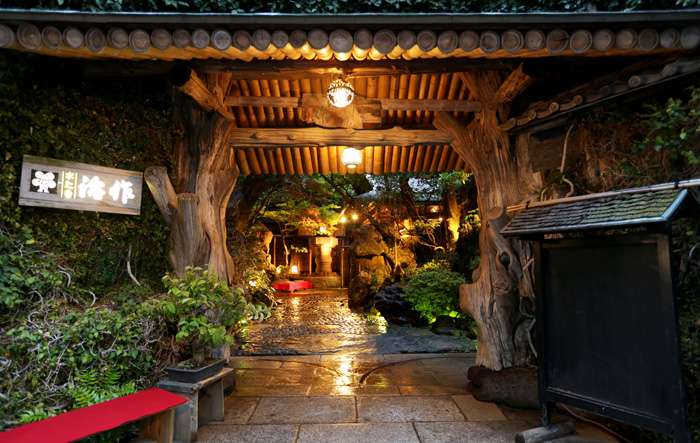
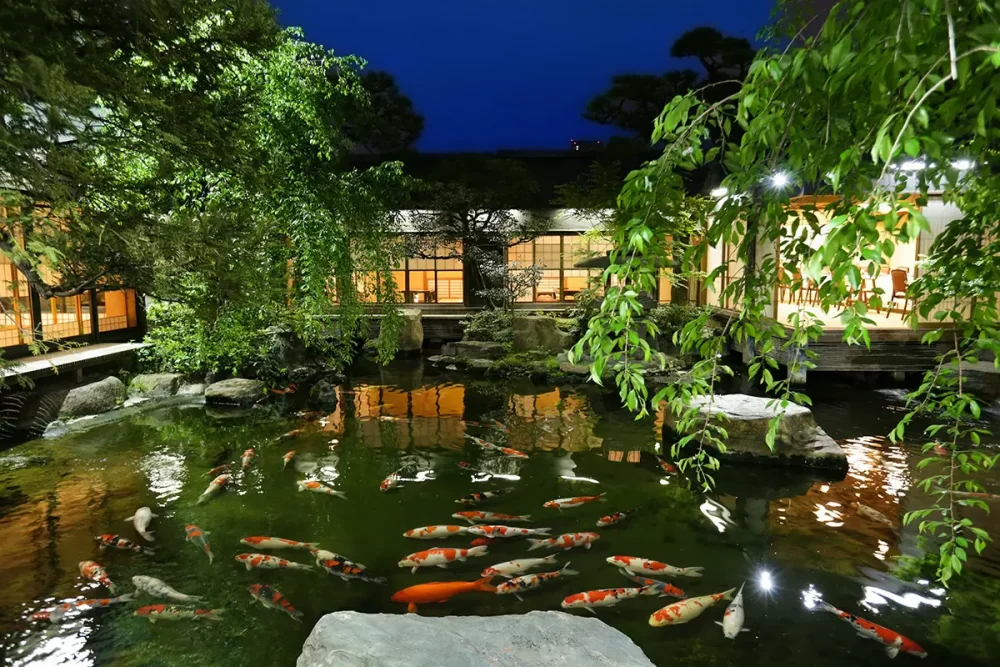
The building that houses this Tsukiji institution was originally constructed in 1899 as a secondary residence for the Iwasaki family, founders of the Mitsubishi conglomerate. Chef Jisaku Honda, known in his era as the “king of kappo”, acquired the property and opened the restaurant in 1931. The 800-tsubo grounds include a Japanese garden with a pond and a waterfall; 150 elegant koi swim through it, and it is recognized among Japan’s top 50 gardens.
The kaiseki courses draw on Tsukiji’s proximity to the market, including sashimi, grilled fish, seasonal hot pots. The undisputed centerpiece, though, is the tori no mizutaki: a chicken hot pot whose recipe Honda developed during his time in Fukuoka and brought to Tokyo, entrusting it to a single dedicated chef to ensure consistency. The recipe has passed through generations without material change. Geisha can be arranged for private rooms with advance notice.
Address: 14-19 Akashicho, Chuo-ku
Access: 8 min. walk from Tsukiji Station (Tokyo Metro Hibiya Line), Exit 3
Hours: Mon–Sat 11:00 am – 9:00 pm / Sun & Holidays 11:00 am – 2:00 pm
Price: $$$
Instagram: @tsukiji_jisaku_restaurant
La Maison Kioi
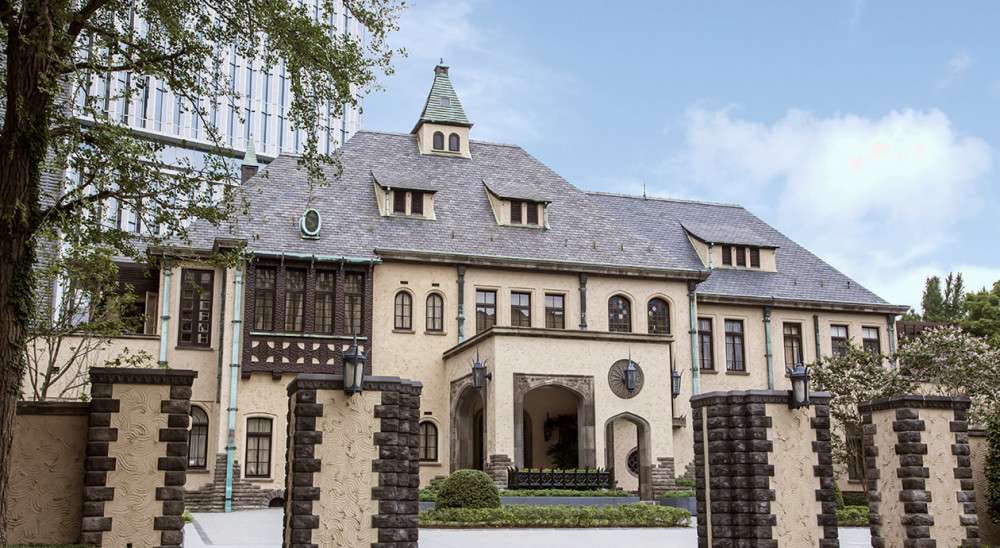
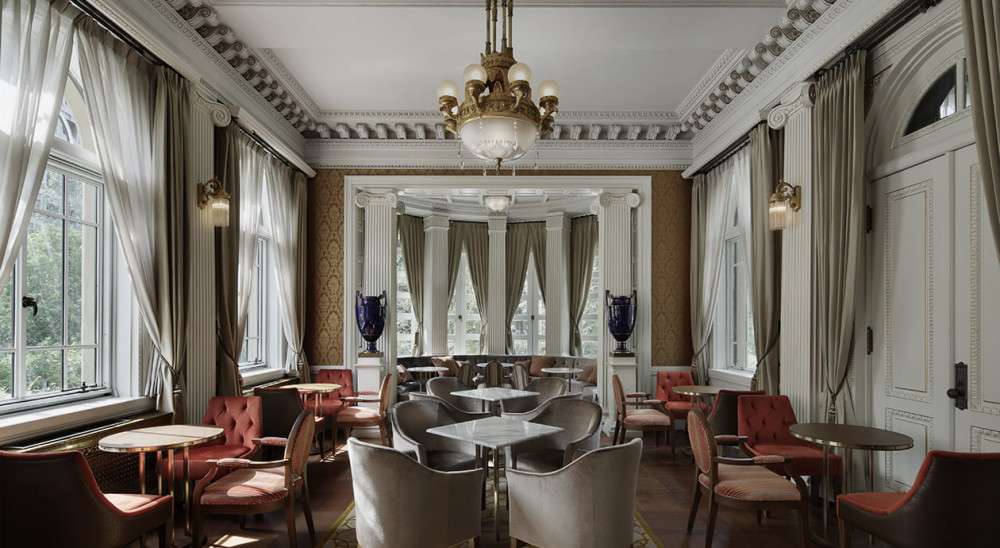
The Akasaka Prince Classic House was built in 1930 as the main Tokyo residence of the Yi royal family of Korea, but today it is a French restaurant, tea salon and bar.
After the Japanese annexation of Korea, the Korean royal family was incorporated into the Imperial House of Japan, and Crown Prince Yi Un’s residence was built on land long associated with prestige, formerly belonging to the Kitashirakawa imperial branch, and before that, to the Kishu branch of the Tokugawa shogunate.
The architecture is British-inspired Tudor-Gothic, designed by the Imperial Household Construction Bureau, the office responsible for palace construction. Built with a generous budget, the building allowed for creative ambition, with medieval European decorative elements on the exterior, Jacobean detailing and Japanese sukiya elements inside.
La Maison Kioi, the French restaurant occupying the building, serves seasonal menus built around ingredients sourced directly from producers. The rose garden terrace is one of the finer afternoon tea settings in the city. Bar Napoleon operates Wednesday through Saturday evenings. The building now sits within the Tokyo Garden Terrace Kioicho complex, surrounded by high-rise office, the contrast makes the weight of the site’s history more legible, not less.
Address: 1-2 Kioicho, Chiyoda-ku (Akasaka Prince Classic House, Tokyo Garden Terrace Kioicho)
Access: Direct connection from Nagatacho Station (Tokyo Metro Nanboku Line), Exit 9a
Hours: Lunch from 11:30 am (11:00 am weekends) / Dinner from 5:30 pm (closed Tue)
Price: $$$
Instagram: @akasakaprince_lamaisonkioi
Kioicho Fukudaya
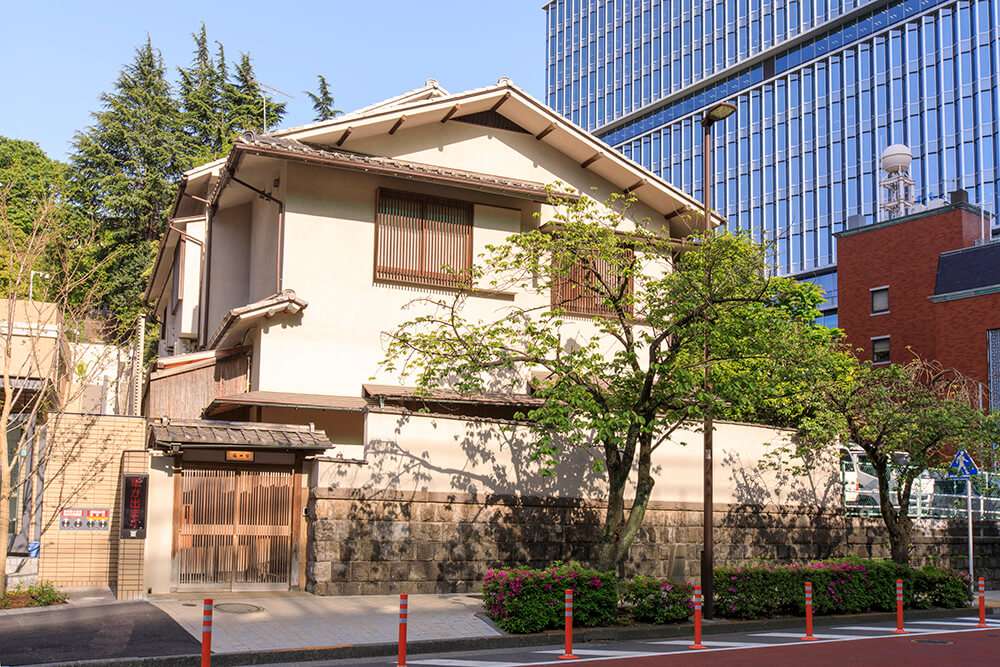
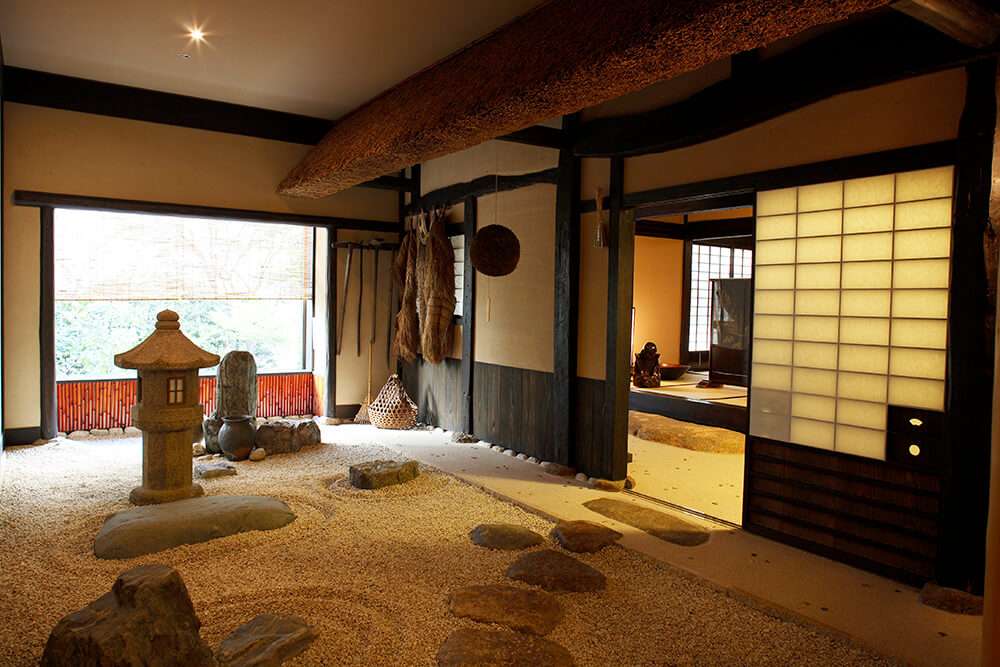
Founded in 1939 in Toranomon as a kaiseki inn, Fukudaya relocated to its current Kioicho address in 1945 and has operated from the same 80-year-old wooden townhouse since 2016. The restaurant’s founding philosophy traces directly to Kitaoji Rosanjin, the poet, calligrapher and gastronomist who shaped Japanese fine dining in the twentieth century. The first head of the restaurant, Machi Fukuda, trained under Rosanjin and translated his aesthetic into the ryotei format, a tradition the restaurant has maintained continuously.
Recognized with two Michelin stars for 19 consecutive years, the kaiseki courses follow the seasons faithfully, with the kitchen selecting ingredients to match Rosanjin’s insistence on the primacy of produce. The restaurant draws on a collection of more than two thousand pieces of tableware, choosing each vessel to suit the dish it carries. The setting, sukiya and shoin-style architecture with hanging scrolls, shoji screens, speaks for itself.
Address: 1-13 Kioicho, Chiyoda-ku
Access: 7 min. walk from Akasaka-Mitsuke Station (Marunouchi/Ginza Lines)
Hours: Lunch Fri–Sat 11:30 am – 2:30 pm / Dinner Mon–Sat 5:00 pm – 10:00 pm
Price: $$$$
Instagram: @kioichofukudaya
Henri Charpentier Ginza Maison
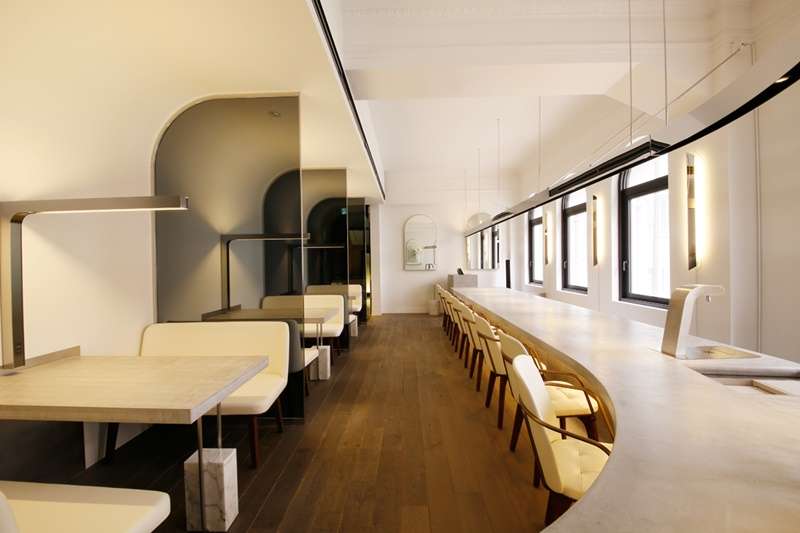
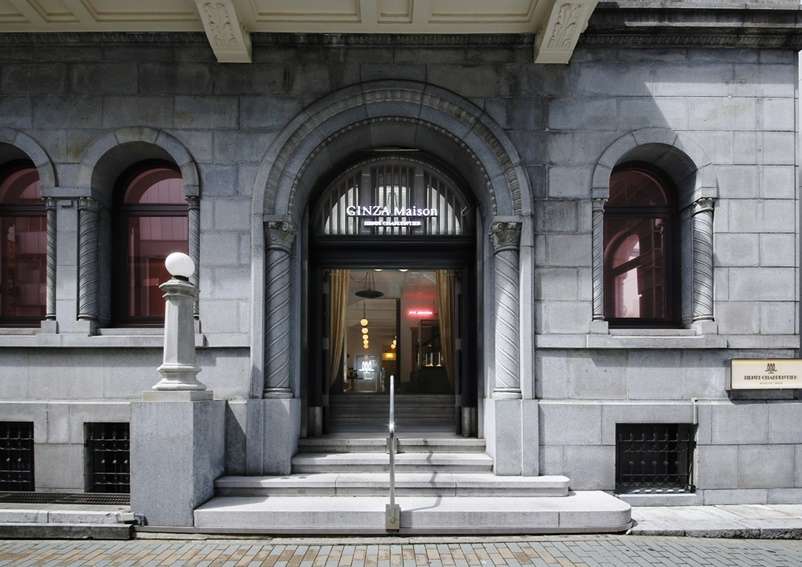
Henri Charpentier began in Ashiya, Hyogo, and the Ginza Maison is among the brand’s few locations offering table desserts prepared and served on the premises. The room is small and unhurried. Financements and seasonal gateaux are available for takeout from the boutique section, but the point of coming here is the salon.
The signature is the crepe Suzette: hand-fired crepes in a copper pan, finished tableside with orange juice, butter and liqueur, flambeed to order. The flambe is performed individually for each guest. Bar Maison operates in the basement until late, pairing desserts with cocktails and wine for those who arrive after dinner elsewhere. No reservations for cafe seating; arrive early or expect a queue.
Address: 2-8-20 Ginza, Chuo-ku (Yonei Building 1F/B1F)
Access: 1 min. walk from Ginza Itchome Station (Tokyo Metro Yurakucho Line)
Hours: 11:00 am – 8:00 pm / Bar Maison until 11:00 pm (Sun until 8:00 pm)
Price: $$
Instagram: @henri_charpentier1969
Akasaka Asada
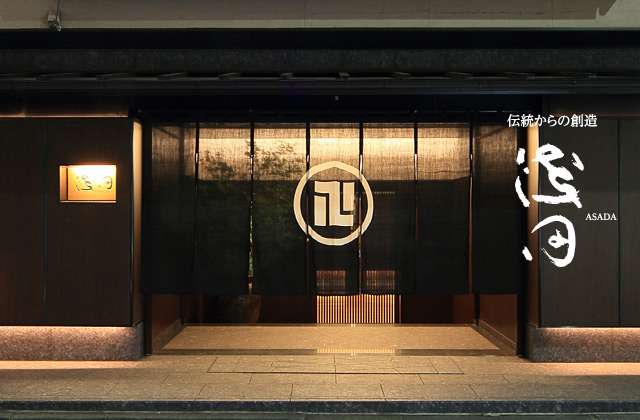
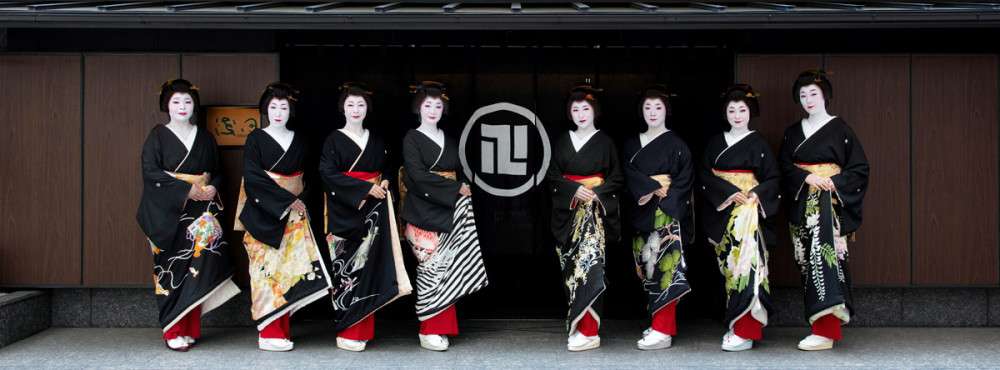
The Asada lineage begins in 1659, when Ihei Asadaya was engaged as courier to the fifth lord of the Kaga domain, Tsunanori Maeda. For the next two centuries, the family ran the Edo-Sando, a courier service running three times a month between Kanazawa and Edo. The Akasaka restaurant opened in 1971, and the cuisine it serves is Kaga ryori: the regional cooking of what is now Ishikawa Prefecture, distinguished by its use of sansai foraged from Mount Haku, seafood from the Sea of Japan and Kaga vegetables from contracted fields. All ingredients, including the water used in cooking, come directly from Kanazawa.
A meal here is not fusionist. The jibu-ni stew, duck simmered with Kanazawa-style wheat gluten and a touch of wasabi, is a useful measure of how precise and regionally specific Kaga cooking can be. Akasaka is still an active hanamachi district, and geisha from the Akasaka okiya are available for entertainment with advance arrangement.
Address: 6-6-5 Akasaka, Minato-ku
Access: 3 min. walk from Akasaka Station (Tokyo Metro Chiyoda Line), Exit 2
Hours: Lunch & Dinner (varies by branch; reservations recommended)
Price: $$$$
Instagram: @asadaya_ihei
Ryotei Kinsui at Hotel Chinzanso Tokyo
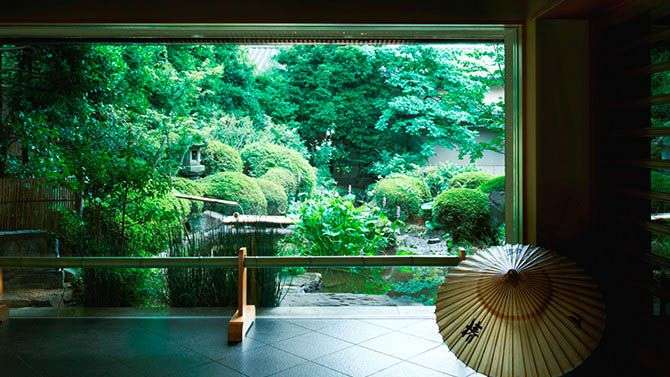
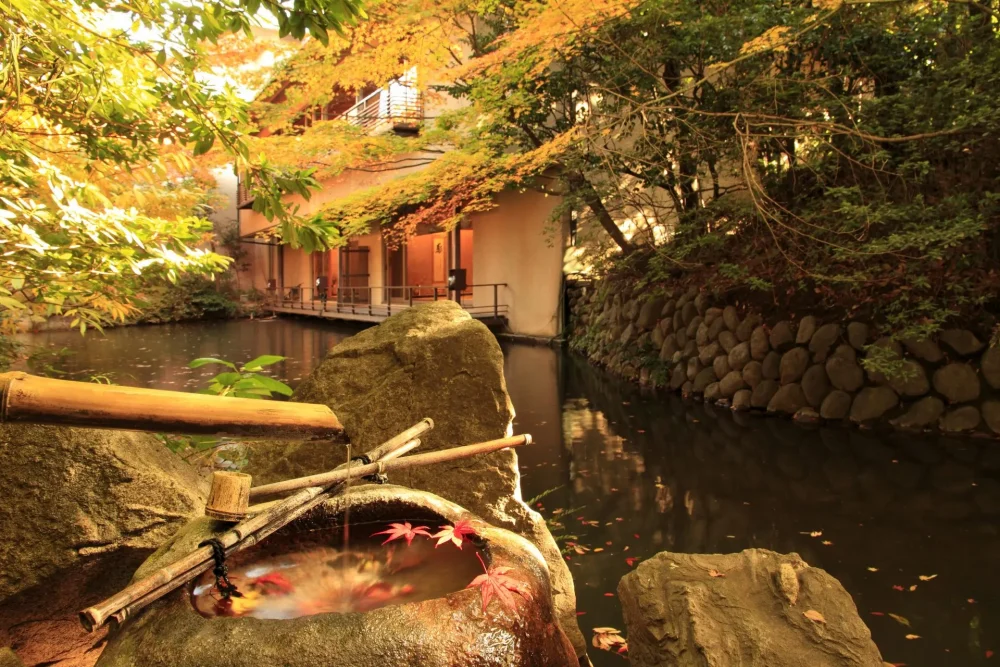
Kinsui is located on the banks of the Unkin pond within Hotel Chinzanso’s garden, a sukiya-zukuri structure accessed by crossing the garden’s red Benkei Bridge and passing through a traditional gate. The 13 private rooms all look out onto the garden directly. The grounds themselves, which date to the late Edo period, are among the finest preserved landscape gardens attached to a hotel in Tokyo.
The kaiseki courses change with the season, with the kitchen drawing on Kyoto vegetables alongside ingredients sourced domestically. The restaurant maintains an extensive sake cellar spanning producers from across Japan.
Address: 2-10-8 Sekiguchi, Bunkyo-ku (within Hotel Chinzanso Tokyo)
Access: 10 min. walk from Edogawabashi Station (Tokyo Metro Yurakucho Line), Exit 1a
Hours: Lunch & Dinner (varies; reservations required)
Price: $$$$
Instagram: @hotelchinzansotokyo_official
Akasaka Kikunoi
The Kikunoi name comes from a chrysanthemum-shaped spring on the grounds of Kodaiji Temple in Kyoto’s Higashiyama district, where the family’s ancestors served as tea attendants for generations. The Kyoto flagship has held three Michelin stars continuously; the Akasaka branch holds two, most recently reconfirmed in the 2026 Guide.
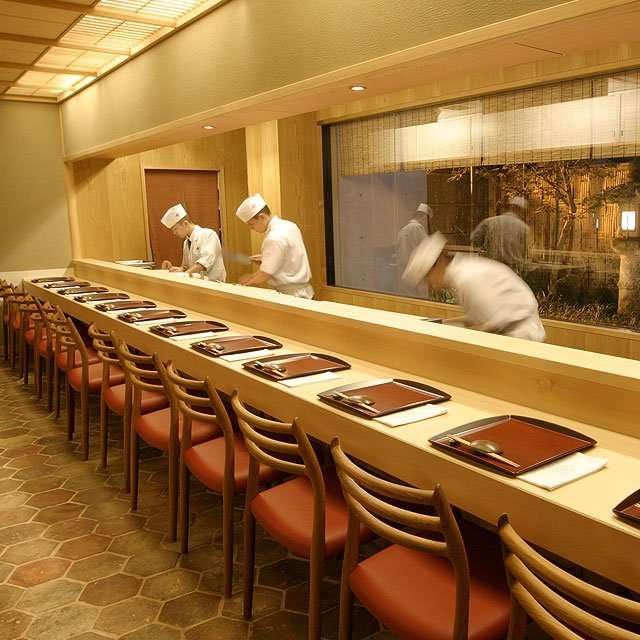
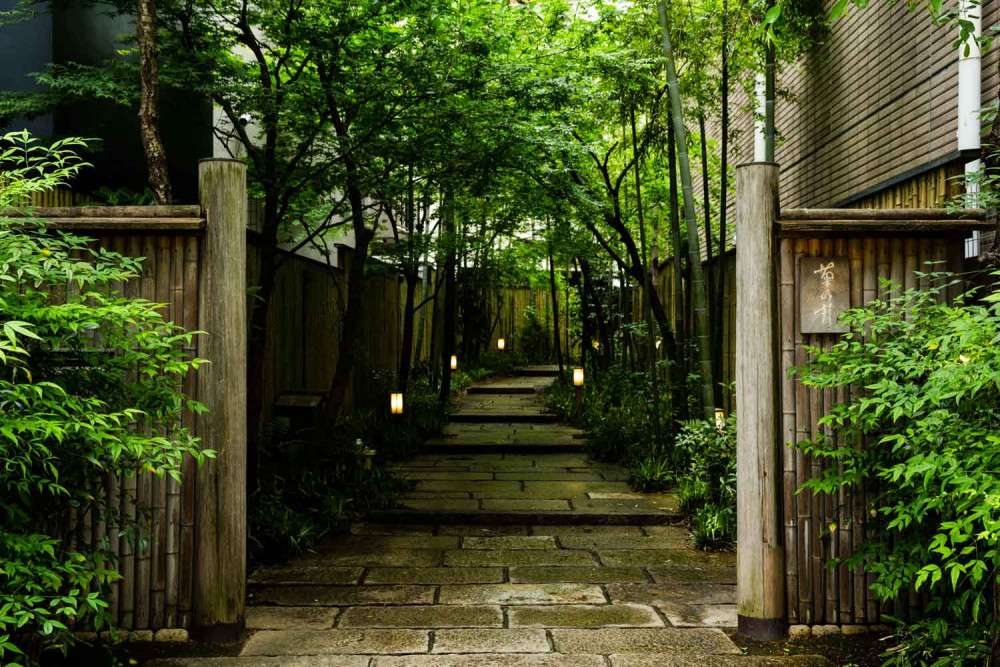
Chef Yoshihiro Murata opened the Tokyo restaurant in 2004, and the decision not to adapt the cuisine for Tokyo palates was deliberate. What arrives here is Kyoto kaiseki without concession, the seasonal structure, the kireisabi aesthetic (refined beauty without ostentation), the monthly menu cycle. A bamboo-flanked stone path leads from the street into a spacious garden that functions as a spatial reset before the meal. Counter seating overlooking the kitchen is available, something the Kyoto honten does not offer.
Address: 6-13-8 Akasaka, Minato-ku
Access: 5 min. walk from Akasaka Station (Tokyo Metro Chiyoda Line), Exit 6
Hours: Lunch 12:00 pm – 1:00 pm / Dinner 5:00 pm – 9:00 pm (closed Sun and alternating Mon)
Price: $$$$
Instagram: @kikunoi_akasaka
Sombreuil
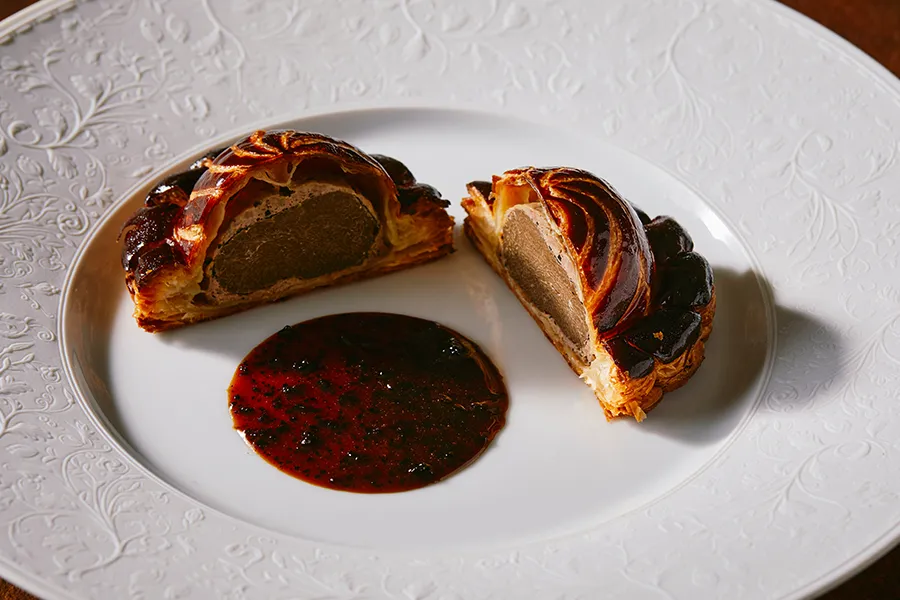
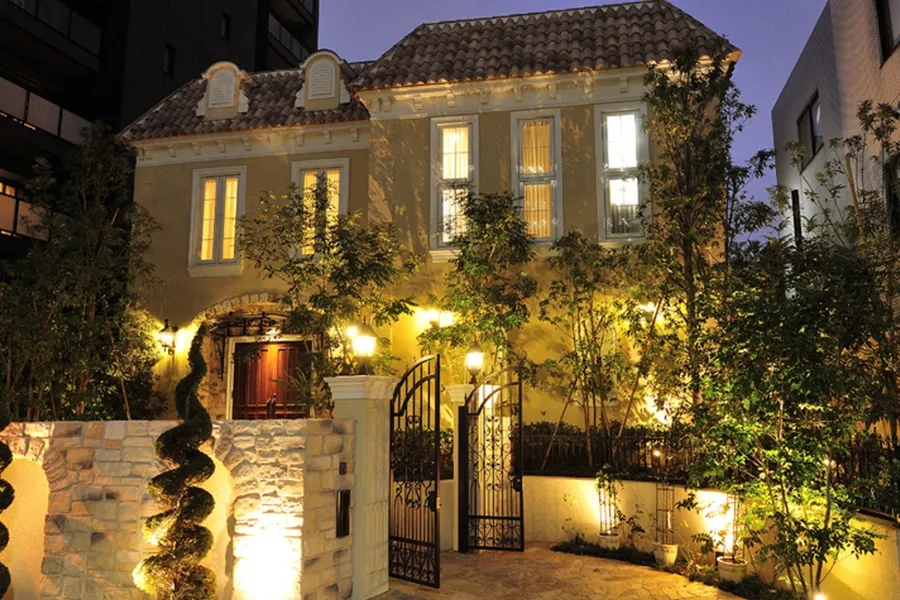
A two-Michelin-star French restaurant in Iidabashi occupying a standalone building, led by Chef Wakatsuki who trained in France at houses including Esperance and Le Camelia and earned two stars in the Michelin Guide Tokyo, maintaining the recognition for seven consecutive years. The kitchen’s position is explicit: classical French cooking, practiced with seriousness, without recourse to fusion or novelty as end goals.
Lunch courses run from ¥9,900 to ¥15,800; dinner from ¥19,800, with an omakase course at ¥38,500 for special occasions. The building and garden reinforce the sense of dining in a French grand maison transposed to a quieter corner of central Tokyo.
Address: 1-8-12 Fujimi, Chiyoda-ku
Access: 5 min. walk from Iidabashi Station
Hours: Lunch & Dinner (closed varies; reservations required)
Price: $$$$
Instagram: @sombreuil_restaurant
Restaurants and Bars by Fashion Houses
Bvlgari Ginza Bar
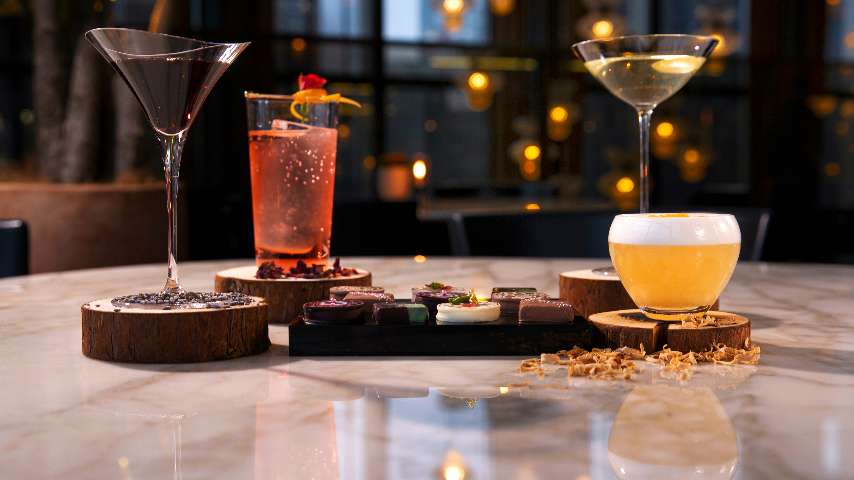
Resting on the tenth floor of Bvlgari’s Ginza Tower, Bvlgari Ginza Bar is a lavish sanctuary of affluence and excess. At its core, the bar is quite conventional: small bites, hot cocktails and wines by the glass. This may seem unexpected for Bvlgari, a brand known for its ornate design. Here, the focus is on a refined take on the classic bar experience in a sleek setting.
The cocktails blend Japanese spirits with Italian amaros. Champagne is a highlight, with selections including Ruinart and Dom Pérignon.
Guests can also enjoy drinks at La Terrazza Dom Pérignon Lounge, the bar’s open-air rooftop space featuring a range of vintage Champagnes.Truly one of the hottest eats Ginza has to offer.
Address: 2-7-12 Ginza, Chuo-ku
Access: 5 min. walk from Ginza Station
Hours: 12:00 pm – 10:30 pm (5:30 pm on Sundays)
Price: $$$
Instagram: @bvlgariginzabardolci
Gucci Osteria Tokyo
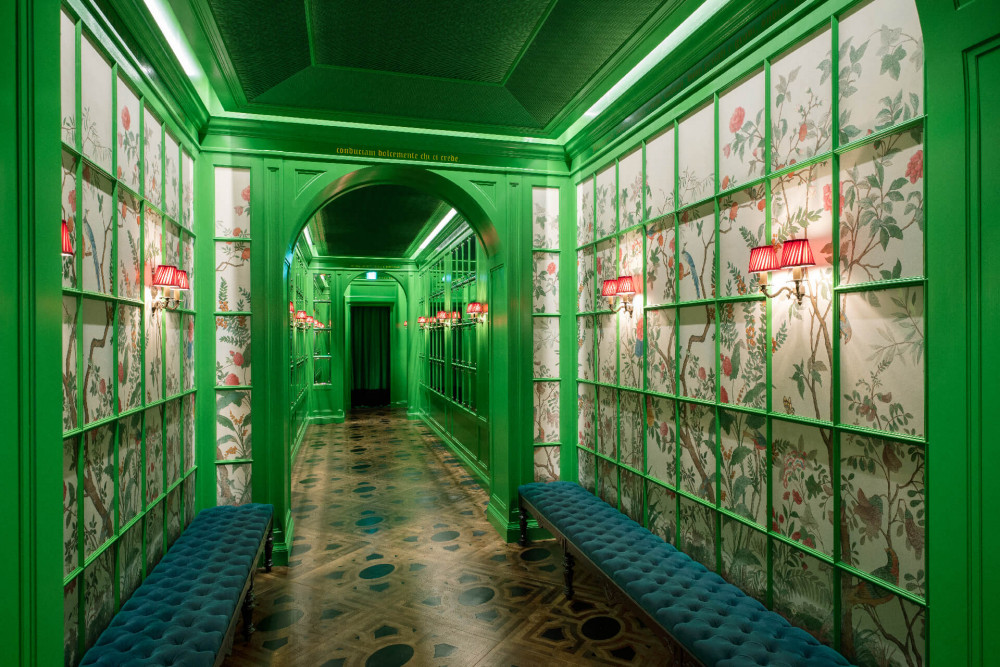
To step into Gucci Osteria is to arrive at the Emerald City. Verdant green walls, glass panels and patterned tiling define the restaurant’s interior, reinforcing its connection to the House of Gucci. Both the bar menu and tasting courses, having garnered a Michelin star, are entertaining and intentional. Whimsical dish names like “Charley Walks on Monte Fuji” and “What Does a Wagyu Dream?” reflect the restaurant’s playful, imaginative style. The signature dish and star of the meal, however, is “A Parmigiana that wants to be a Ramen.” A dish of fresh pasta and eggplant in consommé reflects the osteria’s eccentric, playful approach to Italian cuisine.
Address: 6-6-12 Ginza, Chuo-ku
Access: 4 min. walk from Ginza Station
Hours: 11:30 am – 3:00 pm, 5:30 pm – 11:00 pm
Price: $$$
Instagram: @gucciosteria
Le Cafe V
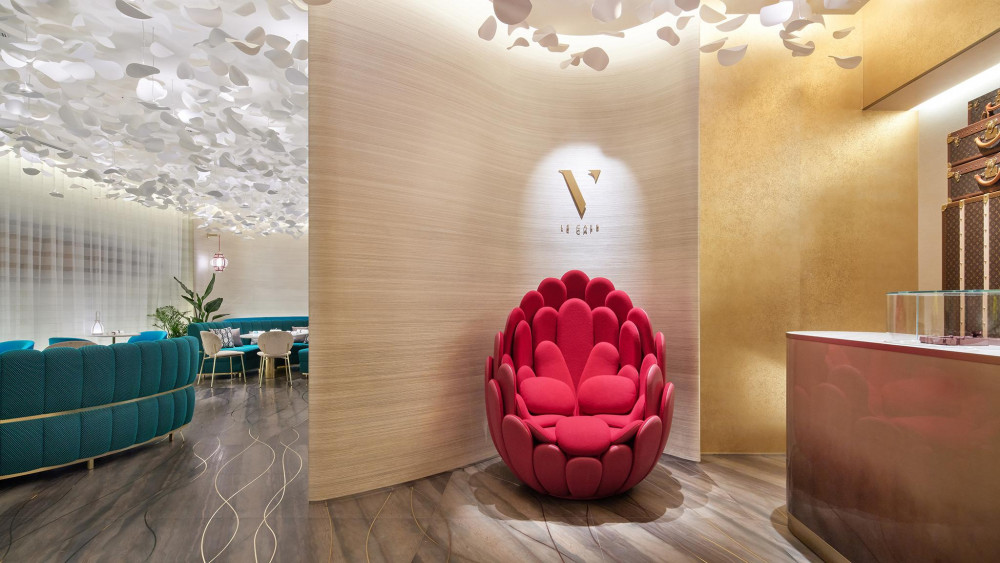
Perched atop Louis Vuitton’s seven-story, mother-of-pearl mirror house in Ginza, Le Cafe V elevates brunch aesthetic in a neighborhood already renowned for its vogue sensibilities. Fluttering ceiling ornaments, blue half-moon couches, micro-scale bar seating; Le Cafe V looks and feels like a modish speakeasy. This haute intention carries over to the food and drink on offer, as well. The vanilla-bourbon mille-feuille and raspberry-citrus macaron are expertly crafted and carry handsome flavor profiles. The cappuccinos feature latte art depicting the brand’s iconic blossom design. One standout feature is the display of chocolates in the café. Produced by Sugalabo, these chocolates reflect the design and branding of the Louis Vuitton building.
Address: 7-6-1 Ginza, Chuo-ku, 7F
Access: 5 min. walk from Ginza Station
Hours: 11:00 am – 8:00 pm
Price: $$$
Instagram: @lecafev
Café Dior by Ladurée
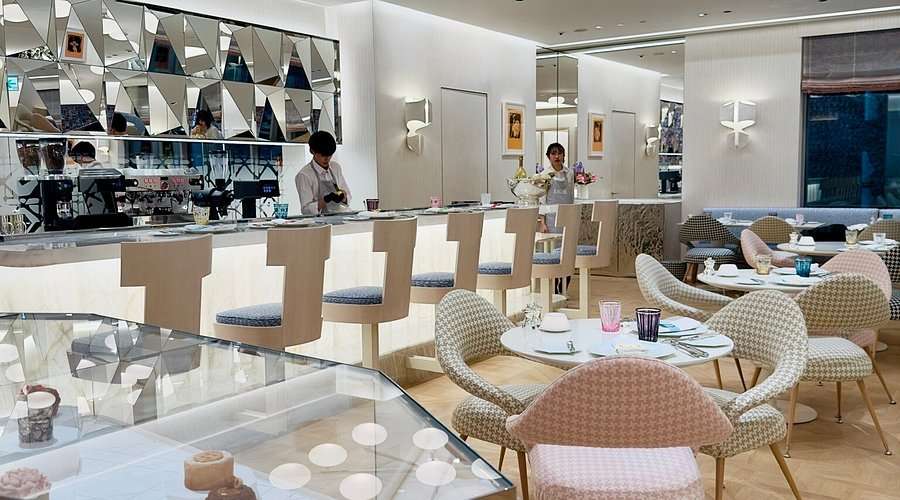
With its refined interior and soft, polished detailing, Café Dior by Ladurée in Ginza reflects the elegance expected from the French luxury house. True to its location within the Dior flagship, the café presents a menu of desserts, teas and light meals crafted with Ladurée’s signature precision. Delicate pastries, seasonal plated desserts and classic macarons are presented with careful attention to both flavor and design. The café also offers a selection of set menus and afternoon tea, where sweets and savories are arranged with a focus on balance and presentation. From the tableware to the finishing touches on each dish, the experience mirrors the understated sophistication associated with Dior.
Address: 6-10-1 Ginza, Chuo-ku
Access: 3 min. walk from Ginza Station
Hours: 10:30 am – 8:30 pm
Price: $$
Instagram: @ladureejapon
This article was originally published in May 2022 and updated in March 2026 for accuracy.
Looking for more haute cuisine guides? Read Best Sushi Omakase in Tokyo: 6 Editor’s Picks