Guide to HIV Testing, Prevention and Free Clinics in Tokyo and Yokohama
What to know about the virus, warning signs, prevention, PrEP and PEP, and where to get tested for free in Japan—a complete guide for international residents and visitors
HIV doesn’t come up much in everyday conversation in Japan, which is part of the problem. Stigma keeps people from testing, testing rates stay low and infections that could have been caught early go undiagnosed for years. The good news: getting tested here is easier, cheaper and more private than most residents realize. Public health centers across Tokyo and Yokohama offer free, anonymous HIV testing and prevention care.
Here’s what to know about the virus, the warning signs, prevention and exactly where to go.
What HIV Actually Does to Your Body
HIV (human immunodeficiency virus) attacks the immune system, specifically the CD4 cells that help the body fight off infection. Left untreated, it gradually weakens that defense until the body struggles with illnesses it would otherwise shrug off. That advanced stage is called AIDS (acquired immunodeficiency syndrome).
With modern antiretroviral treatment, most people diagnosed with HIV today never progress to it. Treatment can bring the virus down to an undetectable level in the blood. At this point, it also becomes untransmittable—the basis of the “U=U” (Undetectable = Untransmittable) message that public health campaigns now lead with.
HIV spreads through specific bodily fluids: blood, semen, vaginal and rectal fluids and breast milk. It doesn’t spread through saliva, sweat, casual contact, shared utensils or mosquito bites.
In Japan, the primary transmission route remains unprotected sex.
HIV Warning Signs Worth Knowing
HIV is notoriously easy to miss. Many people have no symptoms at all for years. When symptoms do appear, they tend to show up in two windows:
- Within two to four weeks of exposure (acute infection), some people experience a flu-like illness: fever, sore throat, swollen lymph nodes, rash, muscle aches, fatigue. These symptoms are easy to write off as a cold or seasonal bug, and that’s exactly the danger. They pass, and the virus keeps working quietly in the background.
- Months or years later (chronic infection, if untreated), symptoms may include persistent fatigue, unexplained weight loss, recurring fevers or night sweats, chronic diarrhea and frequent infections the immune system would normally handle without trouble.
None of these symptoms are unique to HIV, and plenty of people with HIV never notice anything at all until a test tells them. That’s precisely why testing, not symptom-watching, is the reliable way to know your status.
Prevention That Actually Works
Condoms
Used consistently and correctly, condoms remain one of the most effective and accessible tools against HIV and most other STIs.
Regular Testing
Regular testing catches infections early when treatment is most effective and transmission risk to others can be managed.
Treatment as Prevention
For people living with HIV, staying on antiretroviral therapy and maintaining an undetectable viral load prevents transmission to partners.
PrEP (Pre-Exposure Prophylaxis) in Japan
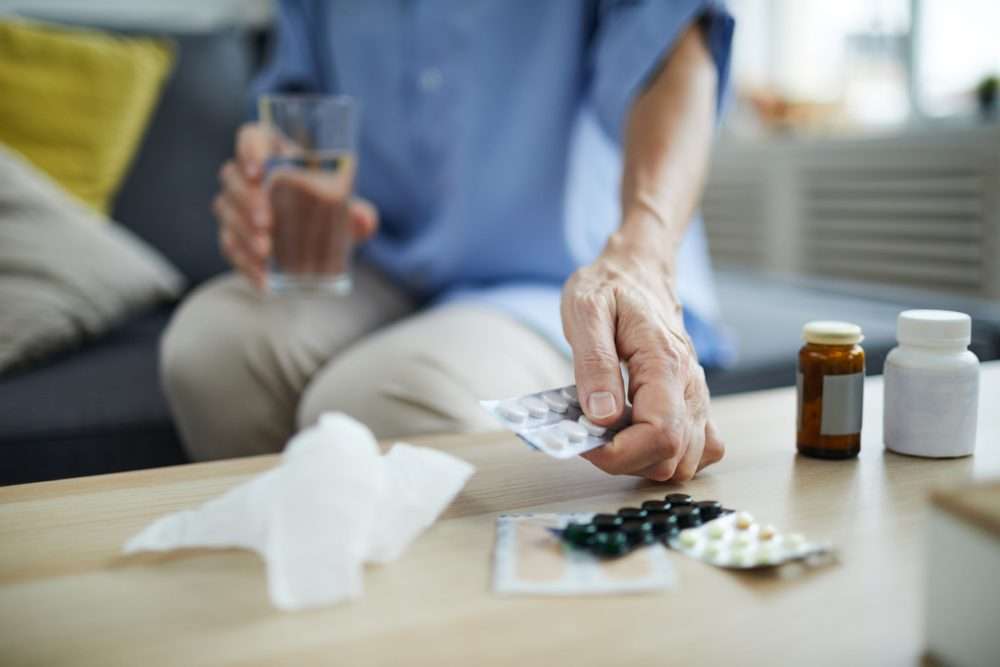
PrEP is a daily or event-based medication regimen for HIV-negative people at ongoing risk of exposure. It’s highly effective when taken as prescribed. International studies put the risk reduction from consistent use at around 99% for sexual transmission.
The catch in Japan: PrEP is not officially approved by the national health system, and it isn’t covered by insurance. It exists here through a handful of private clinics, concentrated in Tokyo, that prescribe generic versions of the medication (the same active ingredients as brand-name Truvada or Descovy) after running the necessary bloodwork to confirm it’s safe and appropriate. Since none of this runs through insurance, the full cost falls on the patient and pricing varies by clinic. It’s worth calling ahead to compare rather than assuming a flat rate.
In practice, this means PrEP access in Japan leans heavily on a small number of specialist clinics rather than being available through a typical hospital or general practitioner. Several of the clinics in Tokyo and Yokohama listed below offer prevention support like PrEP consultations and HIV testing in English.
If you’re traveling with a personal supply of PrEP obtained elsewhere, note that Japan generally permits bringing in up to a three-month supply of personal-use medication. Though it’s worth double-checking current customs rules before you fly.
PEP (Post-Exposure Prophylaxis)
PEP is an emergency medication course for someone who may have just been exposed to HIV. It has to start within 72 hours of exposure to have a chance of working. It works best the sooner it’s started, so this isn’t something to sleep on or research at length before acting.
If you think you’ve been exposed, go straight to a hospital emergency department or a clinic that offers PEP. Don’t wait for a scheduled appointment slot. Among the clinics listed in this guide, Personal Health Clinic and Private Care Clinic Tokyo both offer PEP directly, in English, without requiring you to already be a registered patient. The course typically runs 28 days, and follow-up testing afterward confirms whether it worked.
Where To Get Tested For HIV in Tokyo and Yokohama
Public health centers (hokenjo) across Tokyo offer HIV testing free of charge and without giving your name. Reservations are generally required; same-day rapid tests are increasingly common, with standard tests taking about a week for results.
Private clinics typically don’t accept insurance and require ID for testing, though several offer anonymous options. Many also provide other STI testing, plus PrEP and PEP prescriptions and consultations.
Free Testing Centers in Tokyo
- Higashi-Shinjuku Public Health Center—In addition to HIV, testing for syphilis, chlamydia and hepatitis B virus is also available. Results are given verbally only to the person tested, one week later. The center cannot issue certificates, take photographs of diagnostic results or answer phone inquiries about results. Reservations open one month before each screening date and can be made online.
Website: city-shinjuku.j-server.com
Phone: 03-5273-3859 (Shinjuku Public Health Center, Public Health Promotion and Disease Prevention Division, Disease Prevention Section)
Address: 2F, 7-26-4 Shinjuku, Shinjuku-ku - Tokyo Metropolitan Testing and Counseling Center (Tachikawa/Tama area)—Same-day HIV and syphilis testing every Saturday and Sunday, useful for residents west of central Tokyo.
Website: hokeniryo.metro.tokyo.lg.jp
Phone: 050-3801-5309 (English available, 10 am – 8 pm.)
Address: 2F Tokyo Metropolitan Tachikawa Welfare and Health Building, 2-21-19 Shibasaki-cho, Tachikawa-shi - Shinjuku East Exit Testing and Counseling Center, Tokyo—Free, anonymous HIV and syphilis testing near Seibu Shinjuku Station. Available weekdays, evenings, Saturdays and Sundays. Reservations are required and can be made by phone or online. The process from registration to test completion takes about 30 minutes, depending on how busy the center is. Results are available one week later on the same day and time as the original visit.
Website: tokyo-kensa.metro.tokyo.lg.jp
Reservations: yoyaku.metro.tokyo.lg.jp
Phone: 03-6694-3566 (Japanese, Tokyo Metropolitan HIV Testing Reservation Center)
Address: 2nd Floor, SIL Shinjuku Building, 2-46-3 Kabukicho, Shinjuku-ku
Private Clinics That Offer HIV Testing in Tokyo (At Cost)
- Personal Health Clinic (Ueno)—English-language support, STD testing and treatment for all genders, late opening hours. Offers HIV testing, PrEP, PEP and other STI testing, with English-speaking doctors, nurses and staff on hand. Other languages (Spanish, Portuguese, French, German, Russian, Korean, Chinese, and more) are available via phone interpretation. Services are not covered by insurance, so the fee is billed in full. Patients with overseas insurance requiring a signed form can be assisted for an additional ¥4,000.
Website: ph-clinic.org/en
Phone: 03-5817-4415
Address: 6F, Ueno Fuji Building, 3-39-3 Yushima, Bunkyo-ku - Shirakaba Clinic—Same-day testing for HIV, syphilis and hepatitis B, with results available in about 30 minutes. Also offers testing for other STDs (chlamydia, herpes, urethritis), though those results may take several days to a week. Testing performed without symptoms isn’t covered by health insurance and is billed entirely out of pocket. The HIV, syphilis and hepatitis B package costs ¥3,850 with a ¥3,300 additional charge for a medical certificate. Appointments required by phone. Walk-ins cannot be seen.
Website: shirakaba-clinic.jp/english
Phone: 03-5919-3127
Address: B-STEP 2F, 8-28 Sumiyoshi-cho, Shinjuku-ku - Private Care Clinic Tokyo—English and Chinese language support. Provides testing and treatment for sexually transmitted diseases and infections, including chlamydia, gonorrhea, HIV, syphilis, HBV, herpes and genital warts. English-language services available Monday through Saturday, 11am – 8pm (except 1pm – 2:30pm); no appointment needed. Testing costs around ¥3,850 – ¥19,800 (tax included); treatment costs around ¥3,300 – ¥23,100 (tax included). Services are not covered by insurance. Offers PrEP and PEP, and testing and treatment can be done anonymously if preferred.
Website: pcct.jp
Address: 7-10-7 Nishishinjuku, Shinjuku-ku - Ginza Hikari Clinic—English-friendly STD clinic offering private testing, diagnosis, and treatment for international patients and travelers in Ginza. Discreet care in private rooms; no Japanese health insurance card required.
Website: ginza-hikari.jp/english_page
Address: 7F, Ginza 2112 Building, 2−11−2 Ginza, Chuo-ku - PairLife Clinic (Shibuya, Ueno)—English-speaking clinic offering STD/STI testing and treatment, sexual health prevention, emergency care and men’s health care.
Website: pairlife-clinic.com/en
Shibuya location: 3-4500-3977
WAVE Dogenzaka Building 6F 1-15-8 Dogenzaka, Shibuya-ku.
Ueno location: 6-4400-8539
OGS II Building 5F 4-6-4 Ueno, Taito-ku
Free Testing Centers in Yokohama
- Minatomachi Medical Center (Via Health Safety Division, Medical Care Bureau, City of Yokohama)—Free, anonymous HIV and syphilis testing on Wednesday evenings, with appointments available in Japanese, English, Spanish, Thai and Portuguese.
Website: health-kanagawa.net/yokohama
Address: 7-6 Konko-cho, Kanagawa-ku, Yokohama - Kanagawa Prefectural Preventive Medicine Association, Wellport Mirai—Sunday testing. The reservation site is only available in Japanese. To reserve: visit the site, go to the 申請できる手続き一覧 (list of available applications) section, click 個人向け手続き (procedures for individuals), type “HIV” into the キーワード検索 (keyword search), choose a preferred day, and use Google Translate or another translation tool to read the terms, details and location before clicking 次へ進む (next) to enter your information.
Website: shinsei.city.yokohama.lg.jp
Address: Yokohama Connect Square 4F, 3-3-3 Minatomirai, Nishi-ku, Yokohama (reception is on the 2nd floor) - Kanagawa Prefectural Tuberculosis Prevention Association Central Health Consultation Center—Same-day HIV testing, held most Saturdays. The reservation process is the same as above: visit the site, go to 申請できる手続き一覧, click 個人向け手続き, search “HIV,” choose a preferred day, translate the page as needed and click 次へ進む to complete the reservation.
Website: shinsei.city.yokohama.lg.jp
Address: 3-191-7 Nakamuracho, Minami-ku, Yokohama
Private Clinics that Offer HIV Testing in Yokohama (At Cost)
- Personal Health Clinic (Yokohama)—English-language support, STD testing and treatment for all genders, late opening hours. Offers HIV testing, PrEP, PEP and other STI testing, with English-speaking doctors, nurses and staff on hand. Other languages (Spanish, Portuguese, French, German, Russian, Korean, Chinese and more) are available via phone interpretation. Services are not covered by insurance, so the fee is billed in full. Patients with overseas insurance requiring a signed form can be assisted for an additional ¥4,000.
Website: ph-clinic.org/en
Phone: 045-577-4300
Address: 4F, Yokohama Nishi Kyodo Building, 1-2-13 Kitasaiwai, Nishi-ku, Yokohama - Minatomachi Medical Center—Separate, paid rapid-testing service, distinct from the free Wednesday evening program above, offering English and Japanese support with more flexible hours. HIV rapid test costs ¥4,800; HIV plus syphilis plus hepatitis B costs ¥6,000. Patients must register their name and show a health insurance card or ID at reception.
Website: health-kanagawa.net/minatomachi
Address: 7-6 Konko-cho, Kanagawa-ku, Yokohama - PairLife Clinic (Shibuya, Ueno, Yokohama, Nagoya, Osaka Umeda, Sapporo)—English-speaking clinic offering STD/STI testing and treatment, sexual health prevention, contraception and emergency care, and men’s health care.
Website: pairlife-clinic.com/en
Phone: 45-900-4922
Address: Yokohama Address; Bright Yokohama 4F, 12-8-9 Minamisaiwai, Nishi-ku, Yokohama
Resources for HIV and Testing Support in Japan
- Tokyo HIV/AIDS Telephone Consultation—Anonymous phone consultations about testing, risk, and general concerns (Japanese only; weekdays 12pm – 9pm, weekends 2pm – 5pm).
Phone: 03-3227-3335 - Tokyo HIV Test Information Portal—The metropolitan government’s central site listing testing schedules by ward.
Website: tokyo-kensa.metro.tokyo.lg.jp - Yokohama City HIV/AIDS Information Page—Lists the current year’s full testing calendar and venue/phone details for all 18 wards, updated regularly.
Website: city.yokohama.lg.jp
List of testing centers (PDF) - Yokohama City Medical Care Bureau, Health and Safety Section—General inquiries about the city’s testing program (not for booking).
Phone: 045-671-2729 (Japanese only) - CHARM (Center for Health and Rights of Migrants)—Osaka-based NPO supporting HIV-positive people and non-Japanese speakers. Services include a free, anonymous multilingual telephone hotline (Japanese, English, Spanish, Portuguese, Thai, Filipino), an accompanying service to government offices and hospitals, an HIV medical interpreting service for appointments, one-on-one HIV counseling, and peer support groups.
Website: charm.or.jp/en
Phone: 06-6354-5901 - TELL Japan–English-language mental health nonprofit, not an HIV-specific service, but a resource worth knowing about for anyone processing anxiety or distress around testing or a diagnosis. Runs a free, confidential crisis Lifeline plus paid in-person and telehealth counseling (English, Japanese, and other languages) with offices in Tokyo, Yokohama and Okinawa.
Website: telljp.com
Phone: 03-5774-0992 (Lifeline, daily 9 am–11 pm)
HIV Testing and Prevention in Tokyo and Yokohama FAQs
Modern rapid HIV tests are highly accurate, but timing matters. There’s a window period, typically a few weeks after exposure, during which the virus may not yet be detectable, even if you’re infected. If you test very soon after a possible exposure and get a negative result, most clinics and public health centers will recommend a follow-up test later to confirm it. If your initial result comes back indeterminate rather than clearly negative or positive, you’ll be asked to come back for a confirmatory test, usually on a weekday during daytime hours at a specific medical facility.
At public health centers in both Tokyo and Yokohama, yes. You’re assigned a number rather than asked for your name, address or ID. No record links your identity to your result. Private clinics are different: some (like Private Care Clinic Tokyo) explicitly offer anonymous testing. Others require registration with your name and ID, particularly for the paid, non-anonymous services some clinics run alongside their free or lower-cost anonymous options. It’s worth confirming which kind of service you’re booking before you go.
No. Public health center testing is free and open to residents and visitors alike, regardless of insurance or residency status. Japanese health insurance is not required. Private clinics vary: since HIV testing without symptoms generally isn’t covered by insurance anyway, most private clinics charge everyone the same out-of-pocket rate, insured or not, which is part of why they can be more flexible with walk-ins and don’t always ask for ID.
Yes. Public health centers don’t check residency status, and several of the private clinics listed above explicitly market themselves to international visitors and travelers, not just residents.
At public health centers, results are given verbally, in person, to you and only you. They are not given by phone, email, or mail and no certificate is issued. At most locations, this means returning on a set day about a week after standard testing (same-day for rapid tests). Private clinics generally follow a similar in-person model. A few, like Personal Health Clinic, let you check certain results online through a patient portal.
Staff at both public health centers and private clinics will walk you through next steps and refer you to a specialist for confirmatory testing and ongoing care. Japan places no legal restriction on HIV-positive residents or visitors, and medical facilities are required to treat all patients regardless of nationality or residency status. Modern antiretroviral treatment is highly effective, and most people diagnosed today go on to live long, healthy lives without progressing to AIDS.
There’s no single universal answer, but a common guideline is at least once a year for anyone sexually active, and more frequently—every three to six months—for anyone with new or multiple partners, or other ongoing risk factors. If you’re on PrEP, regular testing is typically built into the prescribing schedule.
PrEP is taken before potential exposure, as ongoing prevention. PEP is taken after a specific exposure, as emergency damage control, and only works if started within 72 hours. They’re not interchangeable, and PEP isn’t meant to be used as a regular substitute for PrEP.
This page has been brought to you as a public service of The Bluff Medical and Dental Clinic in Yokohama.