Shimoda Travel Guide: Where Japan First Opened Its Doors
The small Izu port where Japan's story with the West began
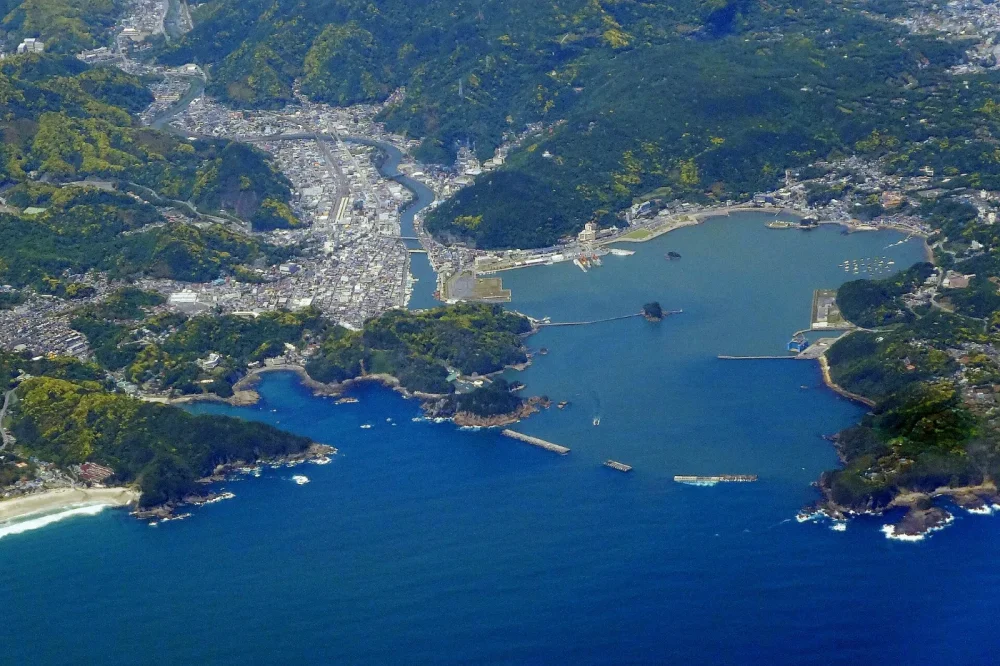
At the end of a willow-lined canal, a 17th-century temple keeps more than 3,000 objects tied to an American naval officer. The temple is Ryosenji. The canal runs through Shimoda—a quiet port town at the southern tip of the Izu Peninsula.
In 1854, Commodore Matthew Perry’s fleet dropped anchor here. Two years later, another local temple became the first U.S. consulate in Japan. That history still shapes the town’s streets, food and festivals.
Shimoda also has white sand beaches, hot springs and some of the best fish in the country. It is close enough to Tokyo for a weekend and slow enough to feel like a real break.
Getting There
The Odoriko (dancing girl) limited express runs directly from Tokyo Station to Izukyu-Shimoda Station. The trip takes about 2 hours and 40 minutes and costs around ¥6,500 one way. All seats are reserved.
For a roomier ride, the Saphir Odoriko offers only Green Car and Premium Green seats, with wide windows facing the coast. It runs once or twice a day, with extra trains on weekends and holidays. A Green Car seat costs roughly ¥9,900. Seats can be reserved ahead of time on Klook.
On a budget? Take the Tokaido Shinkansen or a JR local to Atami, then transfer to the Ito and Izukyu lines. Driving from central Tokyo takes around three hours.
Once on the Izu Kyuko Line, the Kinme Kippu (golden eye ticket) gives one day of unlimited local rides between Izukogen and Izukyu-Shimoda stations. The pass is sold on Klook.
Rather leave the planning to someone else? Klook runs a private day trip to Izu and Shimoda from Tokyo, plus a two-day small-group tour of eastern and southern Izu with a night in Shimoda.
Once in town, most sights are walkable. Ryosenji and Shimoda Park sit about 15-20 minutes on foot south of the station. Buses bound for the Shimoda Aquarium cover the same stretch in about five minutes.
Where to stay: Hotels cluster around the bay and along Shirahama Beach, a short drive north. See our picks at the end of this guide.
When to go: May brings the Black Ship Festival, and June fills Shimoda Park with hydrangeas. Beaches are busiest in July and August. October through March is peak season for kinmedai (golden eye snapper), the town’s prized local fish.
The Black Ships
In July 1853, Perry sailed into Uraga Bay near Edo (now Tokyo) with four warships. Locals called them kurofune (black ships) for their dark hulls and coal smoke. Japan had kept most foreign contact closed for over two centuries.
Perry returned in 1854 with a larger squadron. That March, the shogunate signed the Treaty of Kanagawa, opening Shimoda and Hakodate to American ships. Perry soon arrived in Shimoda, where his officers and Japanese negotiators met at Ryosenji to agree on the Shimoda Treaty—a follow-up setting rules for Americans in port.
In 1856, Townsend Harris landed as the first U.S. consul general. He worked out of Gyokusenji temple for nearly three years. Once Yokohama opened to trade in 1859, Shimoda’s moment passed, and the town went back to fishing.
Perry Road
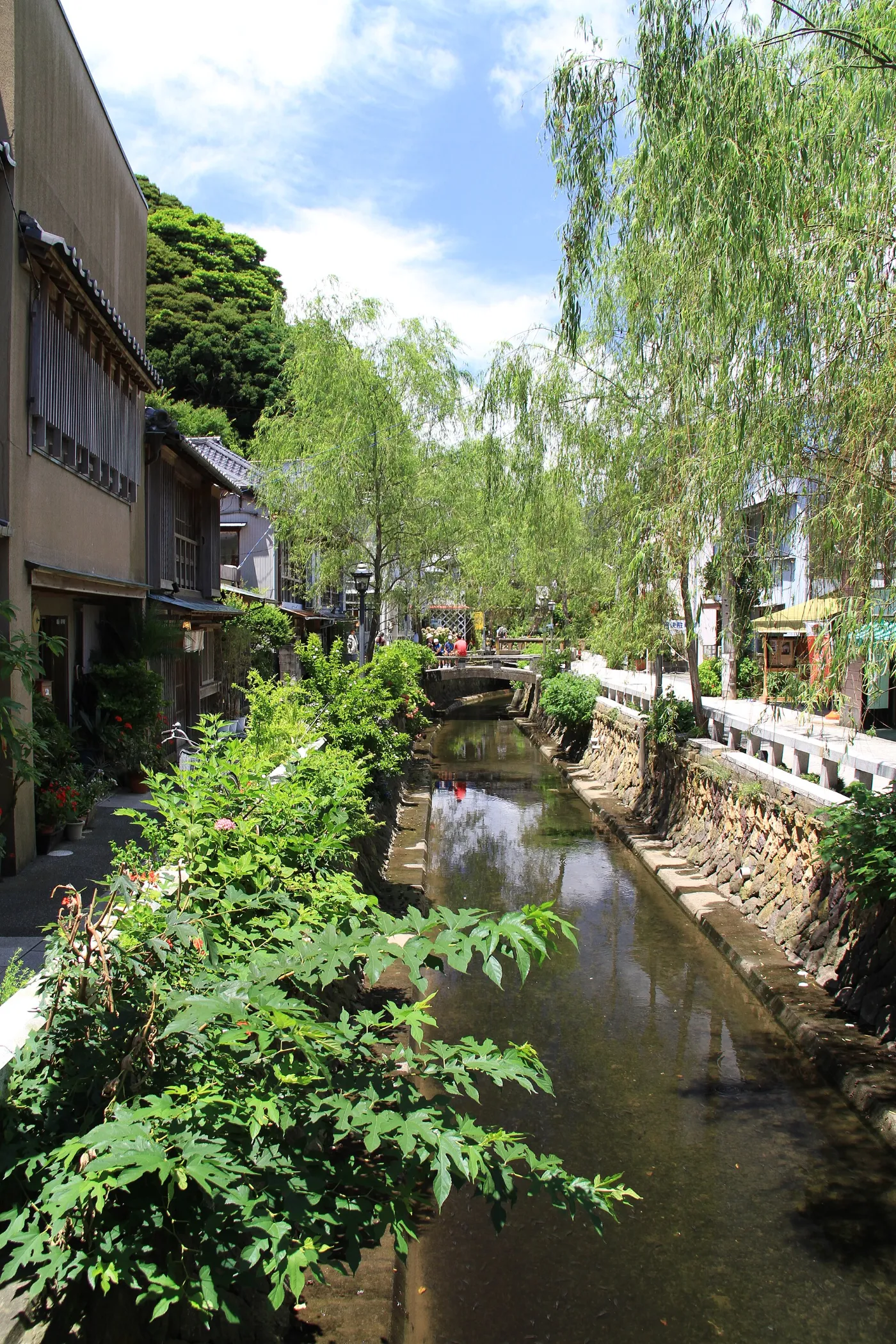
Perry Road traces the route Perry and roughly 300 sailors marched from the harbor to Ryosenji. The street runs about 700 meters beside the Hiraname River, a narrow canal shaded by willows and crossed by small stone bridges.
Watch for namako-kabe (black tile walls set in a white plaster lattice), a classic Izu building style. Many of the old storehouses now hold cafes, boutiques and small bars.
Start at the harbor end, near the monument to Perry’s landing, and stroll inland. The Shimoda History Museum, about eight minutes from the station, fills in the backstory inside its own namako-walled building.
To see the port from the water, a boat styled after Perry’s ships runs 25-minute cruises around Shimoda Harbor.
Ryosenji
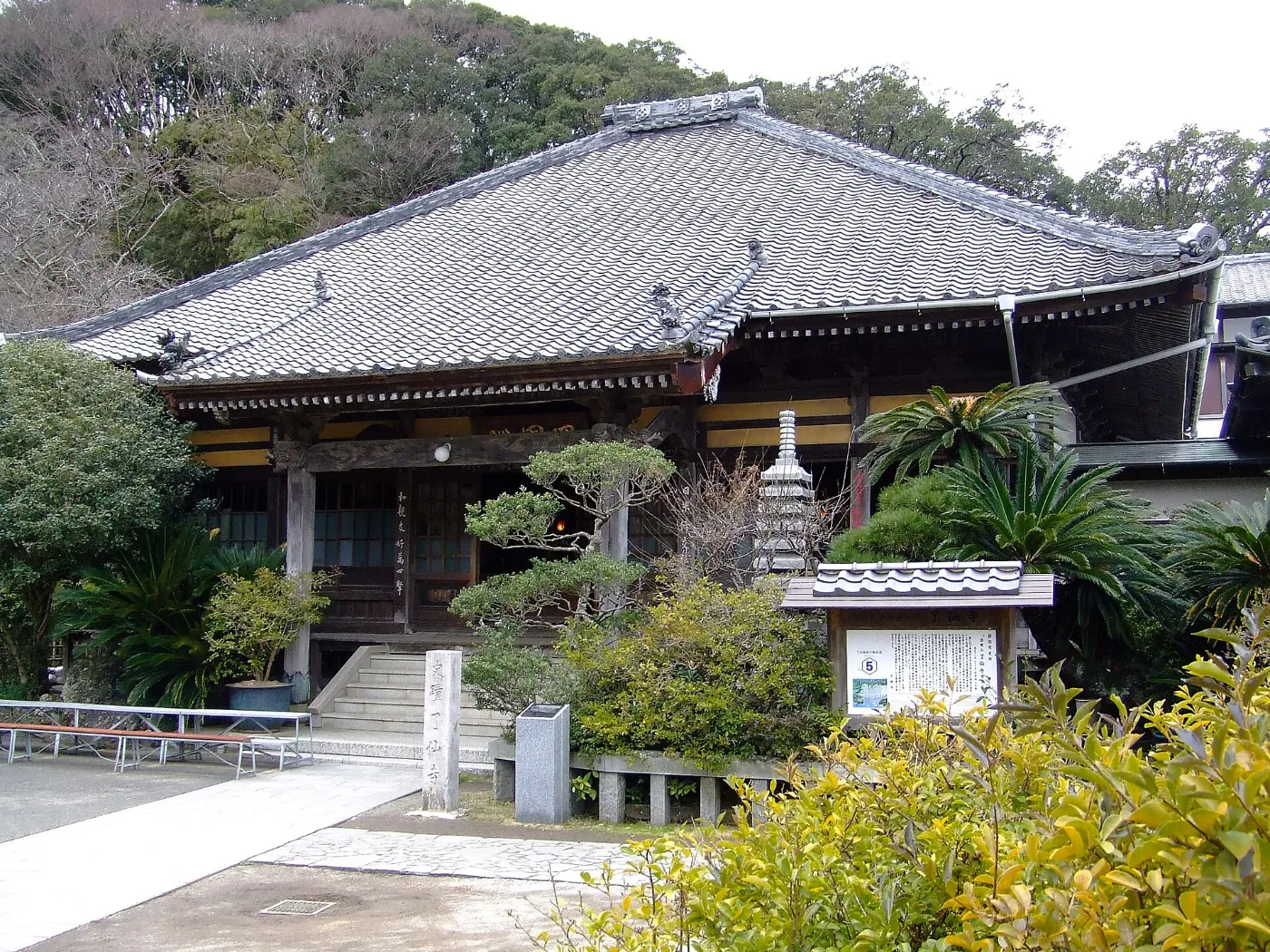
Ryosenji anchors the inland end of Perry Road. The Nichiren Buddhist temple was founded in 1635 and is now a National Historic Site. Its treasure museum holds more than 3,000 pieces tied to the Black Ships and early contact between Japan and the West.
In May, American jasmine blooms across the grounds and scents the air. The timing matches the Black Ship Festival, held each May. Expect parades, marching bands, a harbor fireworks show and a reenactment at the temple itself.
Gyokusenji: The First Consulate
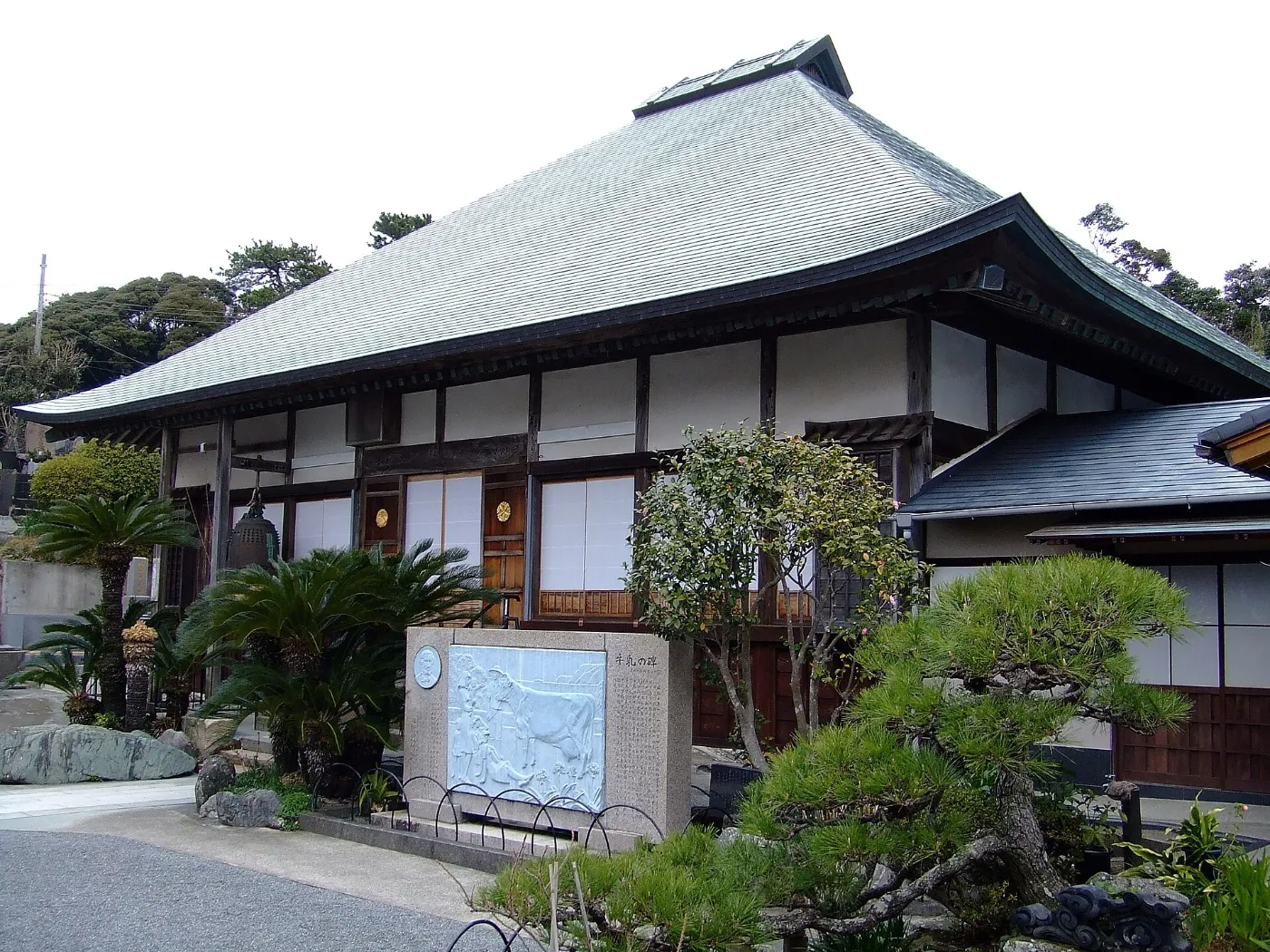
Gyokusenji is a Zen temple founded around 1590 on the east side of the harbor. In 1856, it became the first Western consulate in Japan, and Harris lived here for close to three years.
A small museum next to the main hall shows his documents, personal effects and dioramas of the temple in that era. The grounds also hold the graves of five Americans and three Russians who died while stationed in Shimoda. The walk from the station takes about 25 minutes.
Hofukuji and the Story of Okichi
Back in the town center, Hofukuji tells a sadder tale. Okichi Saito was a young geisha whom local officials sent to serve Harris. The assignment earned her the nickname Tojin Okichi (Okichi the Foreigner’s) and a lifetime of stigma.
Historians still debate how much of the legend is true. Even so, her story has inspired novels, plays and films. Hofukuji’s memorial museum covers her life, and her grave stands behind the temple. The temple also has ties to Ryoma Sakamoto, a samurai central to the shogunate’s fall.
Kinmedai, the Local Catch
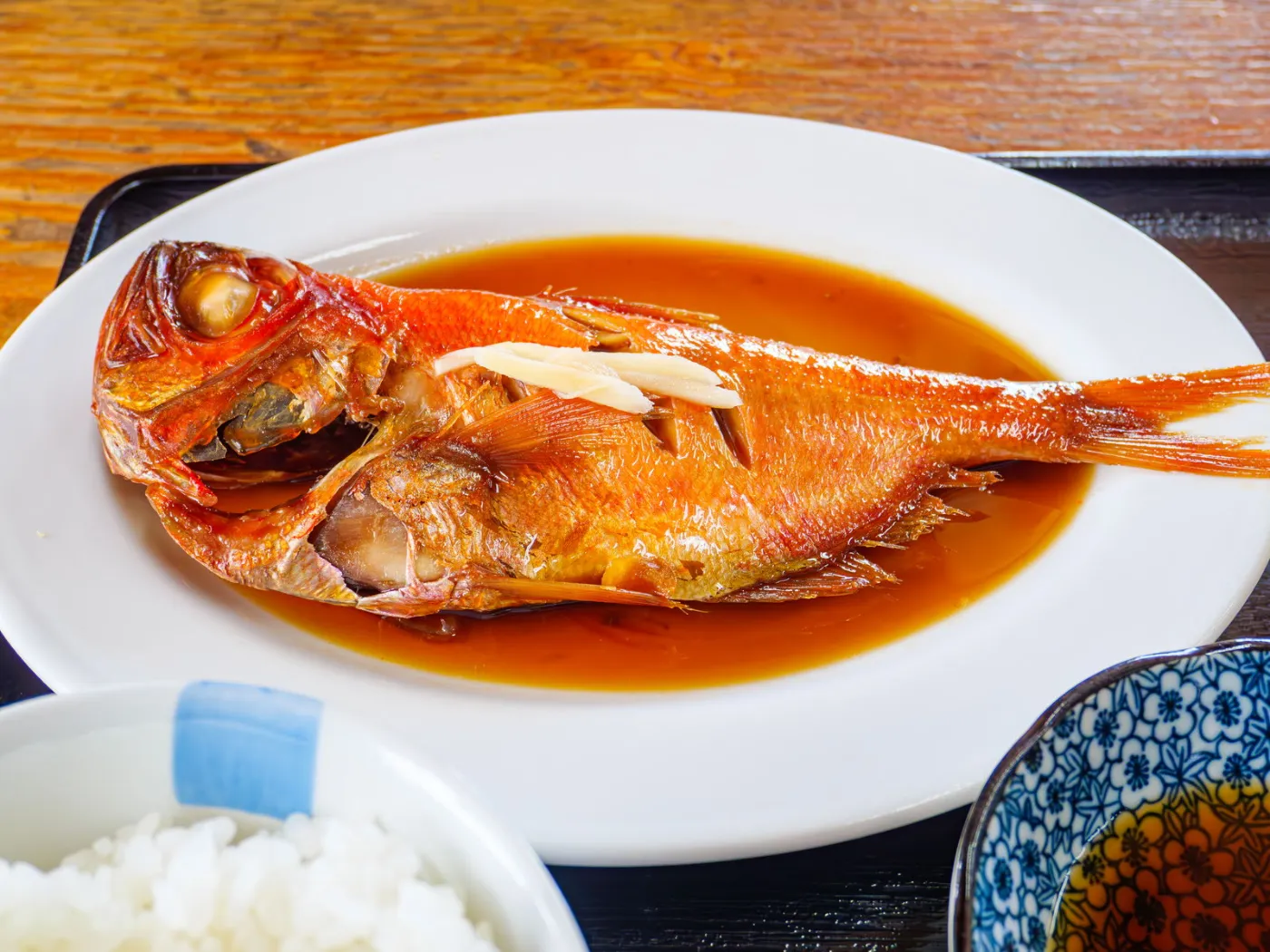
Shimoda Port lands more kinmedai than any other port in Japan. The deep-sea fish has bright red skin, large golden eyes and soft, rich flesh.
The classic dish is kinme no nitsuke (whole kinmedai simmered in sweet soy sauce with ginger). Menus around town also serve it as sashimi, seared over rice or sun-dried. The fish is fattiest from October to late March.
Gorosaya, a cozy seafood spot near the station, offers several kinmedai set meals. Lunch runs about ¥2,000-¥3,000. Tokuzomaru, a minute’s walk from the station, is another reliable pick.
For a quick bite, head to Kaikoku Shimoda Minato, a michi-no-eki (roadside station) on the harbor. Its Shimoda Burger stand tucks a fried kinmedai fillet, teriyaki sauce and cheese into a bun.
Mt. Nesugata
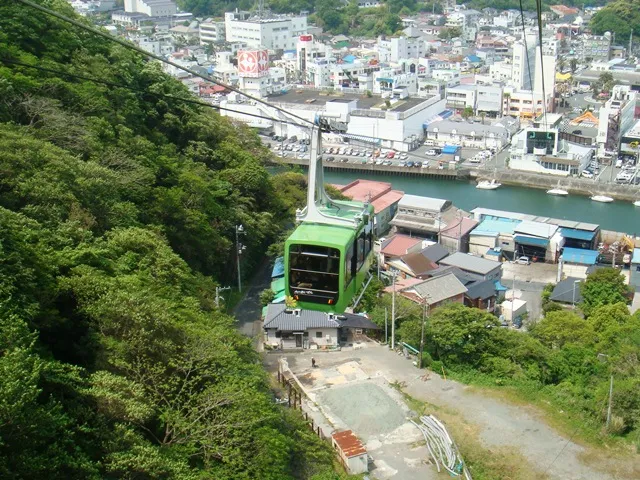
The Shimoda Ropeway starts about a minute’s walk from the station and climbs Mt. Nesugata. Up top are gardens, walking paths and a lookout across the harbor to the Izu Islands. A small hall called Aizendo draws visitors praying for love and children.
High winds sometimes halt the ropeway, so check the schedule on stormy days.
Shimoda Park
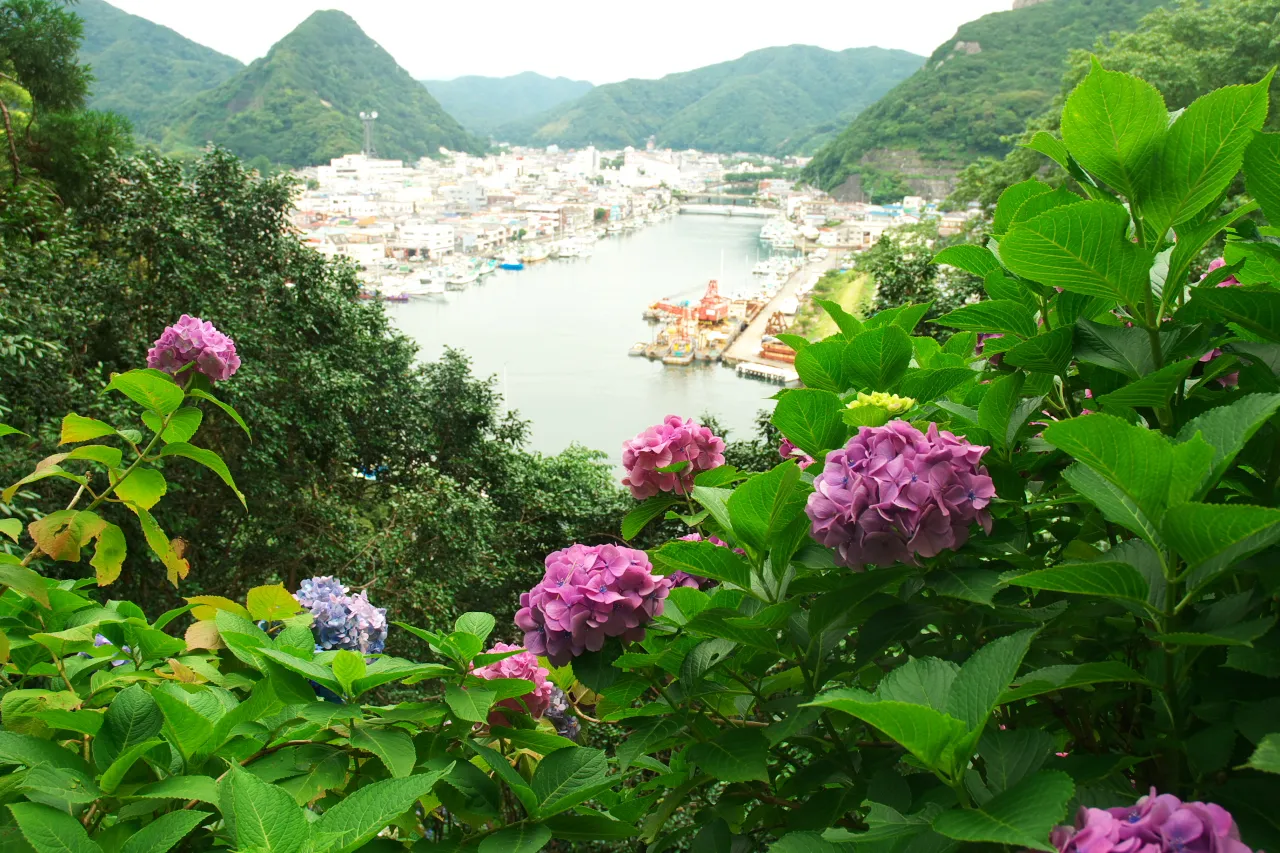
Shimoda Park sits on a hill overlooking the harbor, near the end of Perry Road. From June 1-30, the Shimoda Hydrangea Festival covers its slopes with 150,000 plants and about 3 million blooms.
Weekends during the festival bring taiko (Japanese drum) performances and stalls selling potted hydrangeas and local goods. Sunny days get crowded, while rainy ones are calmer. Outside June, the observation decks still offer wide views of the Pacific.
Beaches and Hot Springs
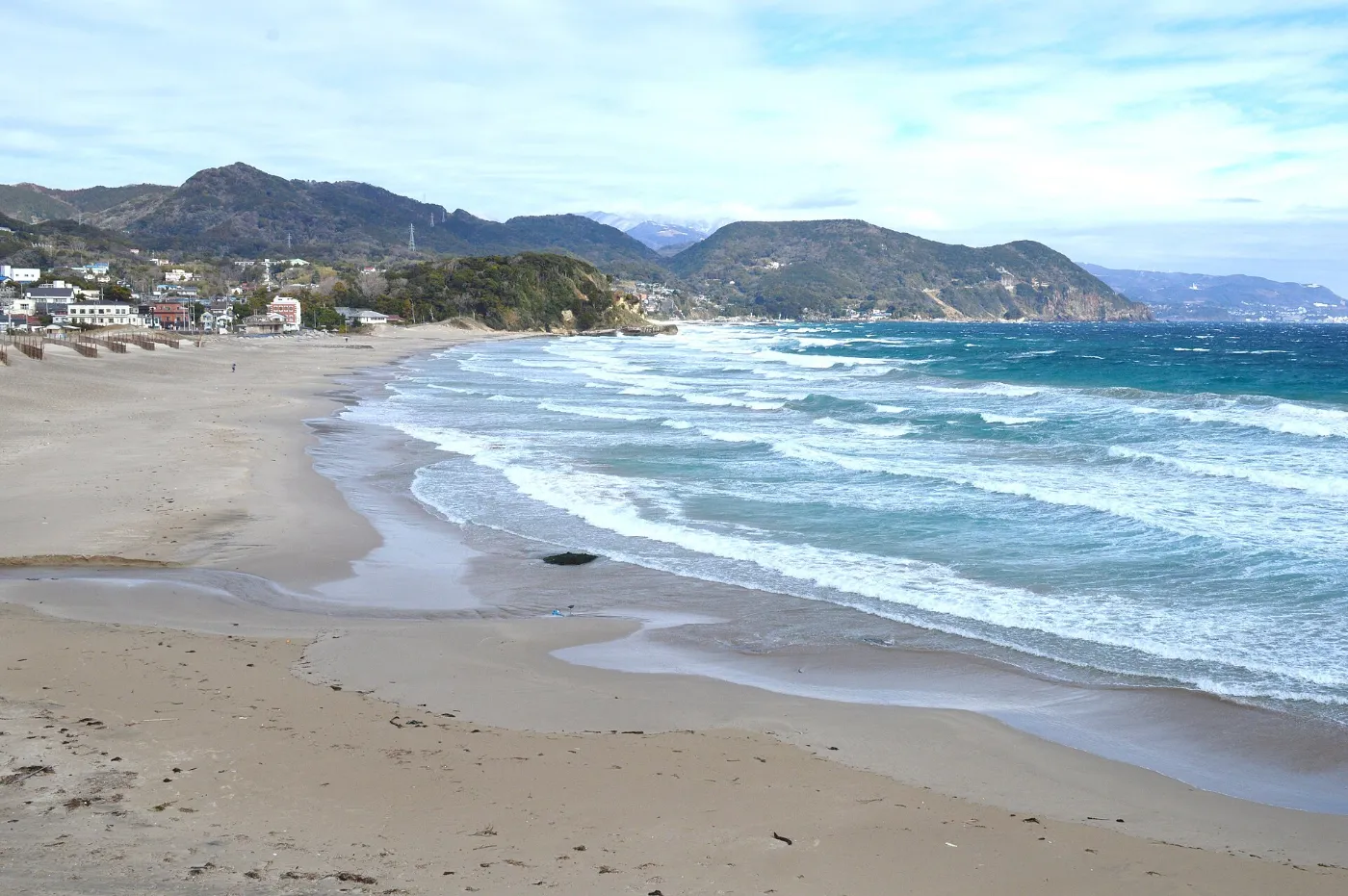
Shimoda’s coast is lined with coves of pale sand and clear water. Shirahama Beach, north of the town center, is the largest and draws surfers and summer crowds. At its edge, Shirahama Shrine sets a torii (shrine gate) on the rocks facing the sea.
For something calmer, Tatadohama is a smaller cove with a relaxed, family feel.
Traveling with kids? The Shimoda Aquarium sits on the harbor near Shimoda Park, and tickets are available on Klook.
Shimoda is an onsen (hot spring) town, too. Most hotels have their own baths, and plenty of them come with ocean views—a good way to end a day of walking.
History here lives in ordinary places: a canal, a fish counter, a temple storeroom. Two or three days is enough to see it all at an easy pace.
Planning another trip outside Tokyo? Read our guide to Kanazawa, a castle town on the Sea of Japan coast.