
Yoshoku: The Tokyo Food Tradition You’ve Never Heard Of—But Need to Try
It's not Japanese food. It's not Western food. It's something Tokyo made entirely its own.
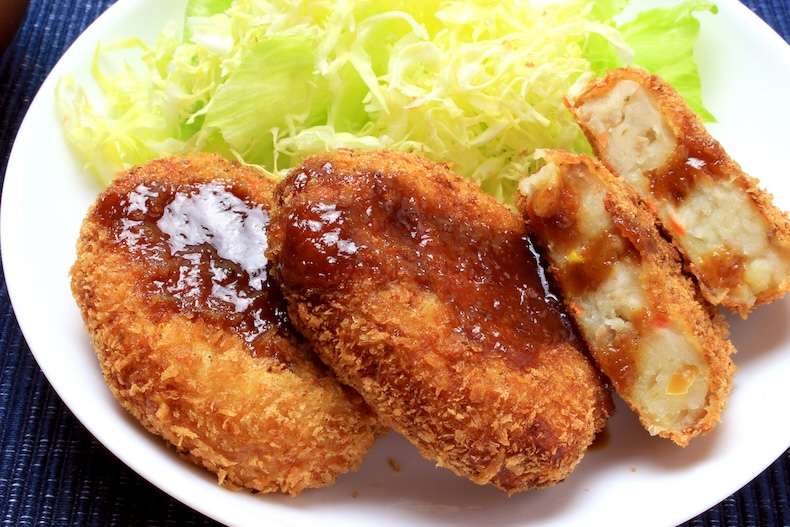
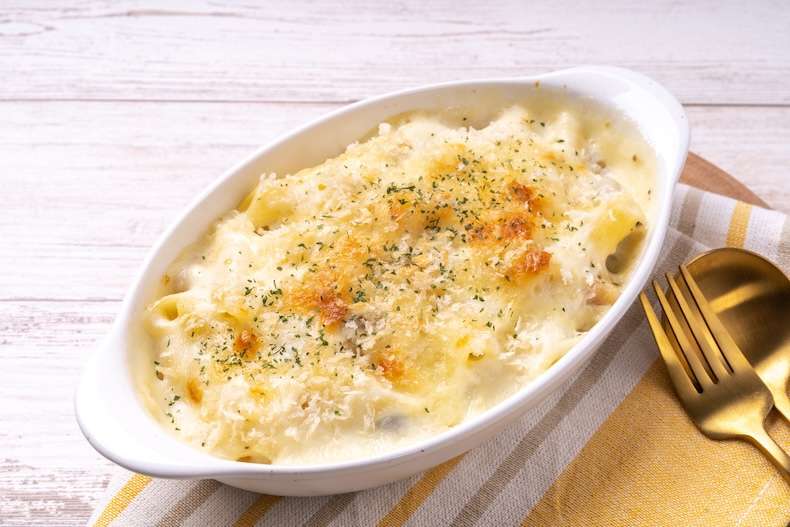
If you’ve spent any time eating your way through Tokyo, you’ve probably stumbled across a menu that stopped you mid-scroll: omuraisu, makaroni guratan, korokke, doria. The names sound vaguely familiar, the photos look comforting, but nothing quite matches anything you’d find back home—or in a traditional Japanese restaurant, for that matter.
What you’re looking at is yoshoku, and it might be one of the most fascinating chapters in Tokyo’s culinary story.
What Is Yoshoku?
Yoshoku (洋食) translates literally as “Western food,” but don’t let that fool you. Order a yoshoku gratin in Tokyo and you won’t find anything that exists on a menu in Paris or Rome. What arrives at the table is something altogether different: the result of over a century of culinary conversation between Japan and the West, still playing out on the plate.
Yoshoku has its own canon. Its own dedicated restaurants. Its own generational rituals. It is not fusion in the trendy, chef-driven sense—it is institutionalized, with a lineage stretching back to the Meiji era and dishes that have remained unchanged since.
How It Started: Tokyo’s Meiji-Era Culinary Revolution
Tradition has a way of disguising its own origins. What feels ancient and inevitable often started as someone’s experiment—a willingness to try something unfamiliar and see what stuck. Yoshoku is no different.
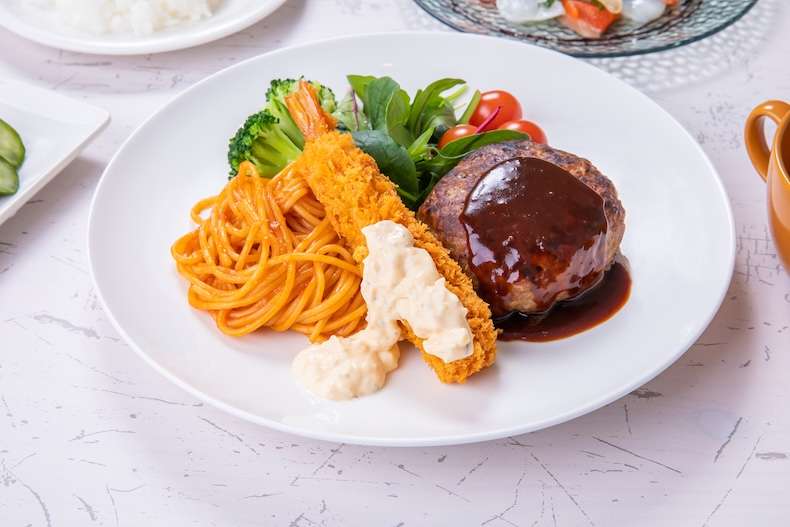
When Japan opened its doors to the outside world during the Meiji Restoration of the mid-nineteenth century, new politics and technology arrived alongside new food. Western recipes and ingredients made their way into Japanese kitchens, where cooks quietly, deliberately adapted them—adjusted to local palates, rebuilt with local produce. Like the UK’s fish and chips, thought to trace back to Portuguese Jewish immigrants, or Spain’s paella, whose roots stretch toward the rice-and-saffron traditions of the Arab world. What emerged was something that wore its foreign origins openly while tasting unmistakably of where it landed.
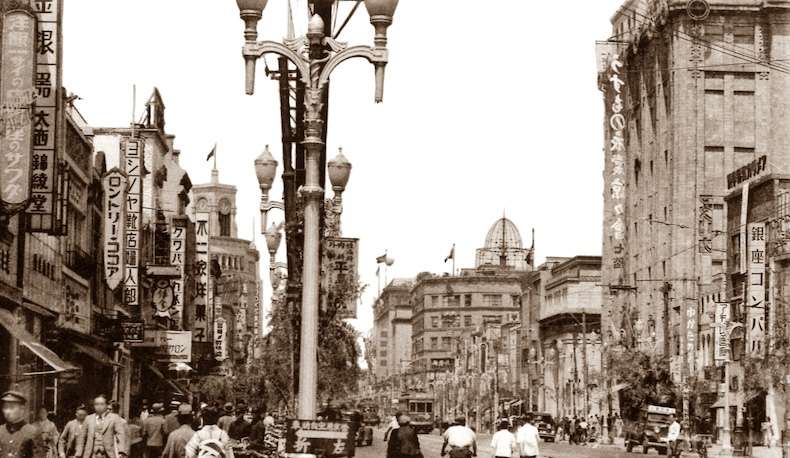
Yoshoku was born in Tokyo. Initially served only in the upscale Ginza district, it carried the excitement of the new world alongside the comfort of the familiar.
Where to Eat It: Mikawaya and the Restaurants That Started It All
For the most direct encounter with yoshoku history, head to Mikawaya—a Tokyo restaurant that has been operating since 1887, still using recipes from its founding era. Eating there is less a meal than a small act of time travel.
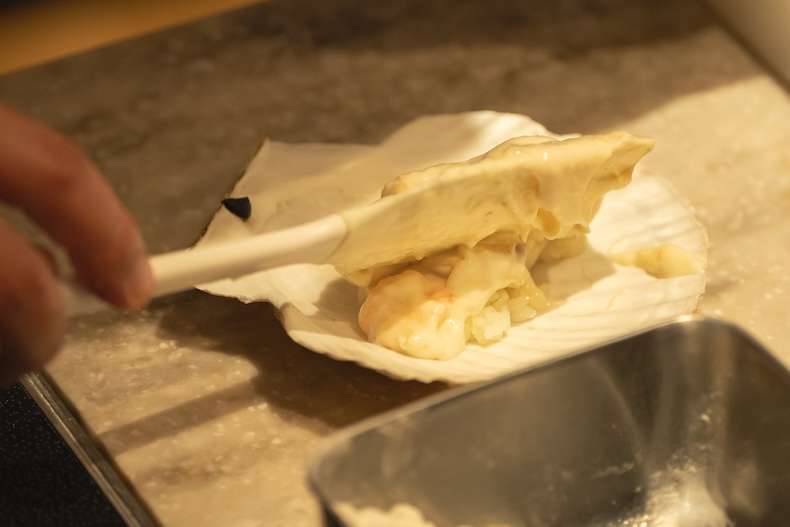
Its signature gratin is a case in point: béchamel sauce over buttered rice, served with local Shiba shrimp, baked and served in a large scallop shell. It is not a recreation or a revival. It is simply what it has always been—a dish born in a specific moment in Tokyo’s history that quietly refused to leave.
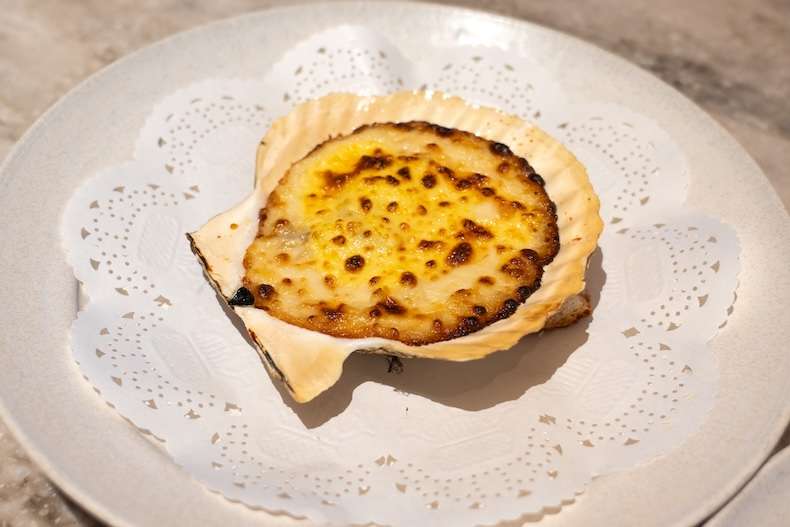
Restaurants like Mikawaya are increasingly rare. They represent a living archive of the city’s culinary identity, and for visitors and expats alike, a meal here offers something most Tokyo dining experiences can’t: a genuine taste of how the city first began to see itself in relation to the outside world.
Why Yoshoku Matters to Tokyo’s Identity
There is a tendency to frame Tokyo’s cosmopolitanism as something recent; a product of globalization, a borrowed identity, but yoshoku dismantles that story.
It suggests that Tokyo has always been a city that absorbs the outside world and makes it its own, not out of imitation, but out of genuine curiosity. The same instinct that once transformed a French béchamel into something served in a scallop shell on the banks of the Sumida River is the instinct that continues to define the city today.
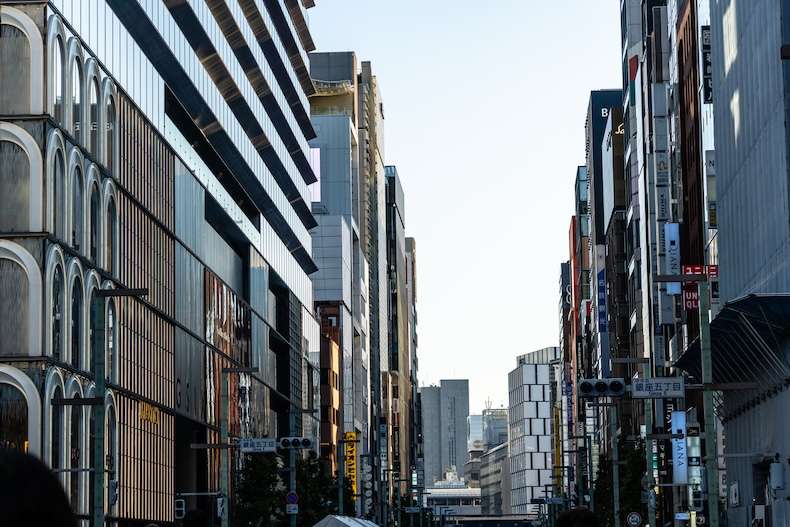
Tokyo doesn’t borrow from the world, it converses with it and yoshoku is one of the oldest records of that conversation—and one of the most delicious places to begin understanding it.
How to Find Yoshoku in Tokyo
Yoshoku restaurants tend to be tucked into older neighborhoods rather than tourist corridors. Look for the word 洋食 on signage, or small family-run spots with laminated menus and white tablecloths that have seen better decades. The lack of fanfare is usually a good sign.
Dishes to order: omuraisu (omelette over ketchup-seasoned rice), hayashi rice (beef in a rich demi-glace), korokke (Japanese-style croquettes) and doria (a baked rice gratin). Start with any one of them, and chances are you’ll be back.