Japanese Luxury Fruits and Where to Find Them in Tokyo
Where to buy fancy fruit and why it costs so much
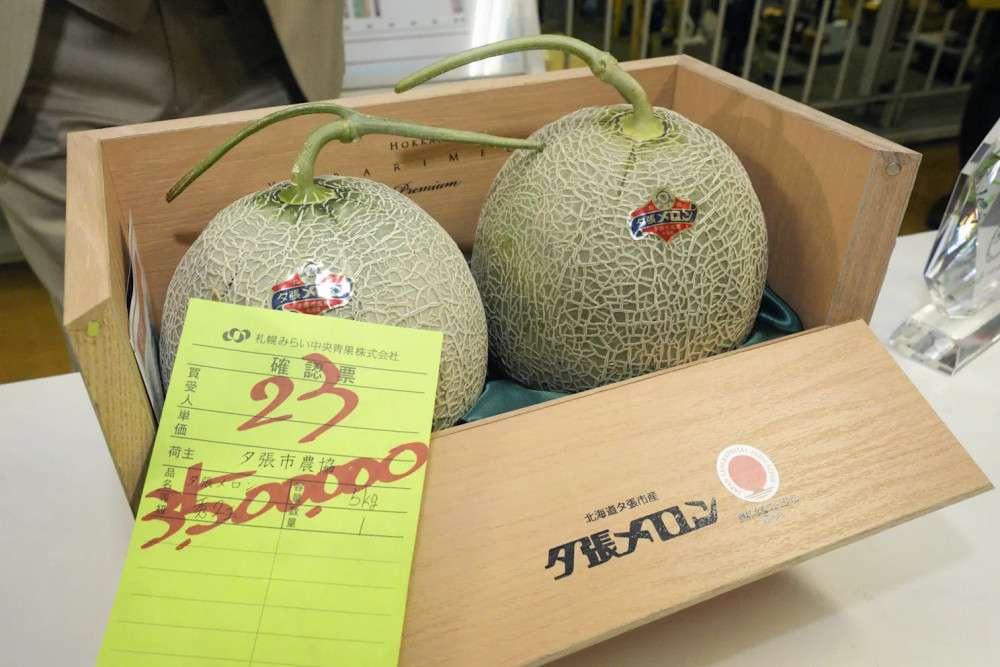
In Tokyo, fruit can command the kind of reverence usually reserved for rare whisky or couture handbags. Certain Japanese luxury fruits have become auction legends: Yubari King melons selling for millions and Ruby Roman grapes clearing ¥1 million for a single immaculate bunch. Behind those headlines sits a culture that treats gifting as a ceremony, pushing farmers to compete fiercely in sweetness, symmetry and sheer visual perfection.
Below, you’ll find where to buy Japanese luxury fruits in Tokyo, what makes them so expensive and what to look for each season.
Don’t forget to check out our guide to the best citrus fruits to eat in Japan.
Classic Luxury Fruit Shops
Sembikiya Fruit Parlor
Often considered the pinnacle of luxury fruit in Japan, Sembikiya is an institution known for pristine seasonal fruit from Japan and around the world. Their flagship location in Nihonbashi feels like a fruit museum and also features fruit parfaits and desserts made with the same premium fruit they sell.
Location:
2−1−2 Nihonbashimuromachi, Chuo-ku
Shinjuku Takano Fruits Parlor
Founded in 1885 alongside Shinjuku Station, Shinjuku Takano has grown into one of Japan’s most respected fruit specialty shops. With a long-standing focus on quality and presentation, it continues to adapt while maintaining the standards that built its reputation. At the Takashimaya branch, the parlor hums with shoppers ordering jewel-toned fruit parfaits layered with precisely cut mango, melon and strawberries.
Location:
3−26−11 Shinjuku, Shinjuku-ku
Renowned Specialty Stores
Sun Fruits
Located near Tokyo Midtown, Sun Fruits is a go-to for many people. Alongside whole fruits, the shop offers fresh juices and neatly cut fruit cups that are easy to grab on the go. Depending on the season, you might find varieties like the Le Lectier pear from France, valued for its mild sweetness and refreshing taste.
Location:
9-7-4 Akasaka, Minato-ku
Shibuya Nishimura Fruit Parlor Dogenzaka Shop
Shibuya Nishimura Fruit Parlor Dogenzaka Shop dates back to 1910, with this branch opening in 1935 and adding a second-floor fruit parlour soon after. The ground floor sells fresh fruit and juices, while upstairs you’ll find seasonal parfaits and Japanese sweets like mitsumame (jellied fruit cubes) and warabimochi (traditional confection dessert). It’s lively and always packed with shoppers who understand the value of good fruit done properly.
Location:
1F 22-2 Udagawacho, Shibuya-ku
What You’ll Find (and How Much It Can Cost)
Luxury fruit shops sell differently from supermarkets. Here, a single melon may rest alone in a satin-lined box. You might find these particular items in-store:
- Single luxury pieces like perfectly shaped melons or prized strawberries in elegant boxes
- Premium seasonal grapes, peaches or citrus, sometimes sold individually or in small premium packs.
- Fruit desserts (parfaits, tarts, and fruit plates) made to showcase the quality of the fruit.
Some examples from around Japan (and seen in Tokyo shops or features):
- Square watermelons from Kagawa Prefecture: ¥10,000–¥100,000 depending on size and grade
- Yubari King melons from Hokkaido: Retail price can reach ¥10,000–¥25,000 each (early-season auction pairs can reach millions of yen)
- Premium strawberry varieties: ¥3,000–¥12,000 per box (ultra-premium selections may exceed ¥15,000)
- Shine Muscat grapes: ¥3,000–¥10,000 for premium bunches
- White peaches from Yamanashi and Okayama, often presented as luxury gifts: ¥3,000–¥8,000 per peach; ¥8,000–¥20,000 per premium gift box
What Seasons To Buy Which Fruits In Japan
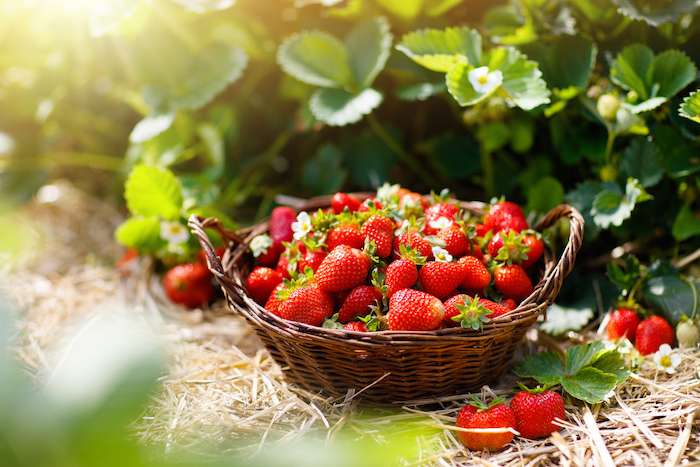
Japan’s fruit seasons follow a clear rhythm, and buying produce at its peak makes a noticeable difference in both flavor and price. Here are the fruits you should look out for during the following seasons:
Spring: Strawberries and loquats are at their sweetest and most affordable.
Early Summer: Cherries and melons begin to appear in greater variety.
High Summer: Peaches and watermelon reach peak ripeness and flavor.
Autumn: Grapes and pears take center stage as temperatures begin to cool.
Winter: Persimmons, apples and citrus fruits such as mikan dominate store shelves.
Shopping seasonally isn’t just practical. With Japanese luxury fruits, timing determines taste, prestige and price. From heritage institutions to refined fruit parlors and limited seasonal arrivals, the experience of buying premium fruit here is as meaningful as tasting it.
For more cool food experiences, be sure to take a look at our article on weird ice creams in Tokyo.
Why Fruit Is a Luxury in Japan
The shock usually comes at the price tag. But cost, here, is about far more than flavor.
Shops like Sembikiya, founded in the 19th century, built their reputations on obsessive selection standards and presentation that feels closer to fine jewelry than produce retail. Fruit is commonly given during ochugen (summer gift season) and oseibo (year-end gifting), where appearance matters as much as taste. A perfectly round melon or flawlessly blushed peach signals care, respect and generosity.
The cultivation methods justify part of the price. Farmers often allow only one fruit per branch to concentrate sweetness. They hand-pollinate. They adjust sunlight exposure with precision. Sugar levels are measured, graded and rejected if they fall short. Supply narrows. Expectations rise. Prices follow.
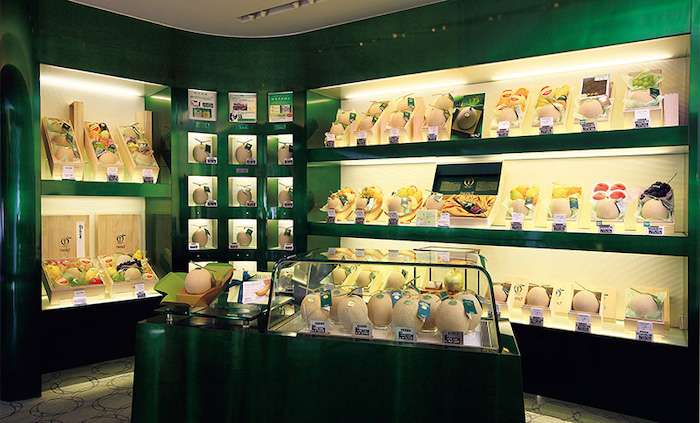
Some items, like Yubari King melons, are legendary for commanding high auction prices. And in-store? Displays are immaculate. Each piece is cushioned, boxed, polished under careful lighting. The entire experience reinforces that these are not groceries but gifts.