December 18, 2025
Tokyo Neighborhood Guide: Mukojima
Where time lingers on the banks of the Sumida River
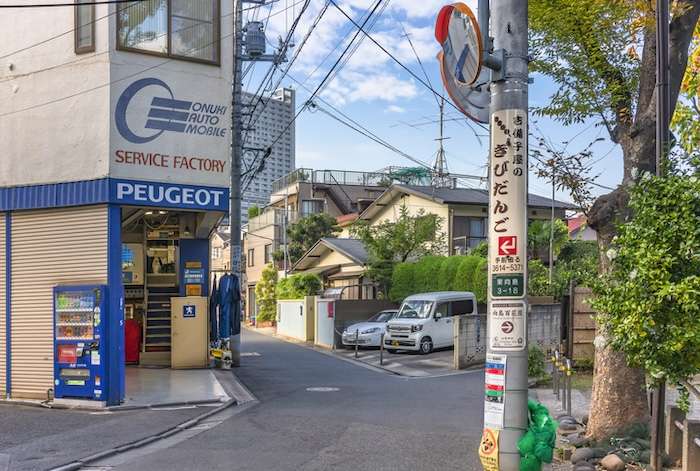
Tucked along the eastern bank of the Sumida River, Mukojima is a rare fragment of Tokyo where the past still breathes through the streets. Part of Sumida Ward, this quiet neighborhood stands in contrast to the modernity that dominates much of the capital. Here, amid wooden shopfronts, willow-lined alleys and the distant hum of the river, life unfolds at a gentler pace. It’s a pace that honors memory, craftsmanship and the enduring beauty of everyday rituals.
If you are thinking of a relaxing vacations outside of Tokyo, don’t miss our guide to another neighborhood: A Guide to Okutama Town.
A Sweet Legacy: Birthplace of Sakura Mochi
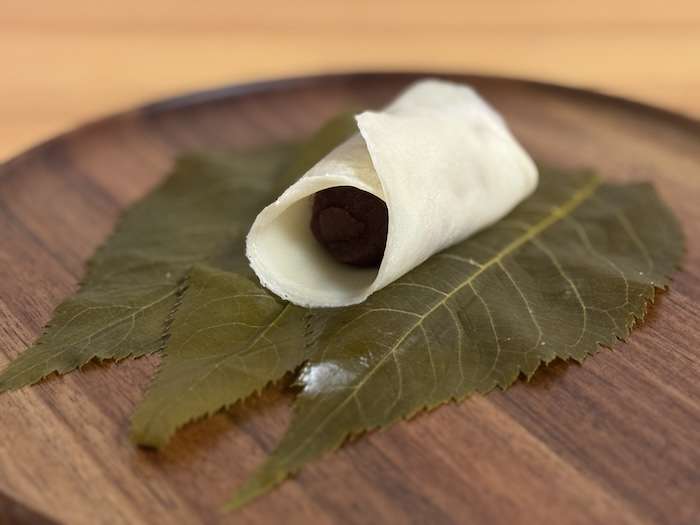
At the heart of Mukojima’s charm lies its devotion to tradition, embodied by its venerable sweets shops. The most celebrated is Chomeiji Sakuramochi, founded in 1717 and credited as the birthplace of sakura mochi. This delicate pink rice cake, wrapped in a salted cherry leaf, is synonymous with spring in Japan. And it all began here, more than 300 years ago.
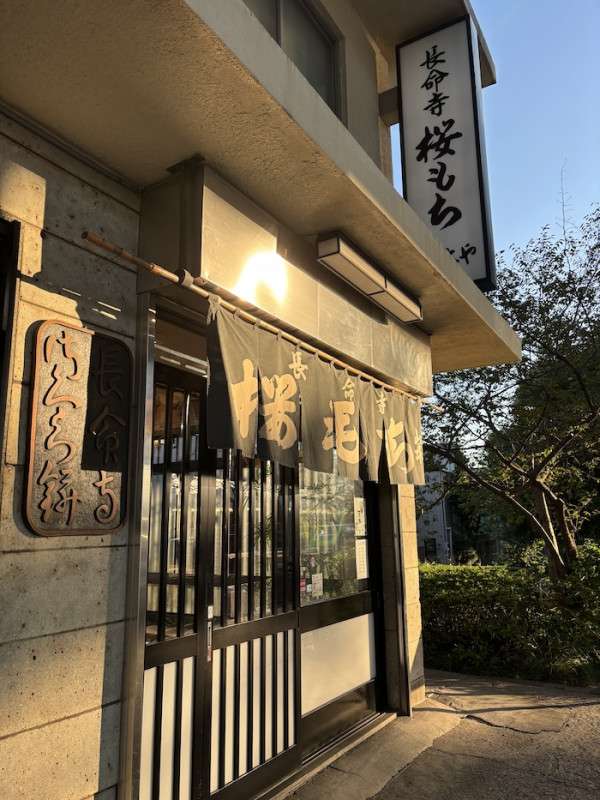
The shop’s location, near Chomeiji Temple, was once a popular stop for pilgrims traveling along the Sumida River. The founder began offering his sweet creation as a refreshment for weary travelers, and the treat quickly became a seasonal favorite. Even today, visitors line up for the same taste of history: soft, faintly fragrant, and touched with the subtle salt of preservation.
Timeless Confectioneries of Edo
A short stroll away is Jiman Kusamochi, another beloved confectionery that has stood for over a century. Its specialty, kusamochi, mochi infused with aromatic yomogi (Japanese mugwort), carries the bittersweet taste of early spring.
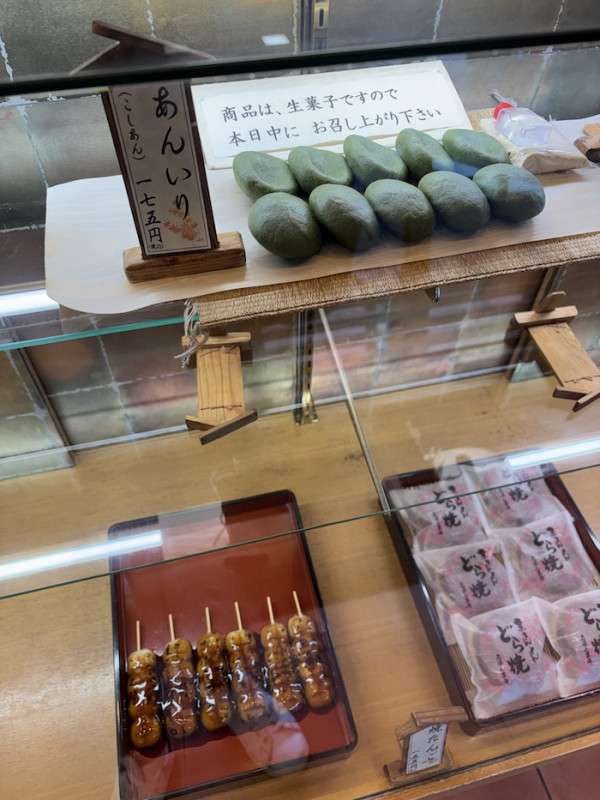
Despite Tokyo’s constant reinvention, Jiman Kusamochi continues to draw visitors seeking authenticity over novelty. The shop’s understated façade and simple wooden interior speak to a different era, one that valued patience and quiet mastery. Together, these two stores form a living link to Edo-period Tokyo, when handmade sweets were not indulgences but seasonal expressions of life’s transience.
Sacred Offerings: Takagi Shrine and the Spirit of Rice
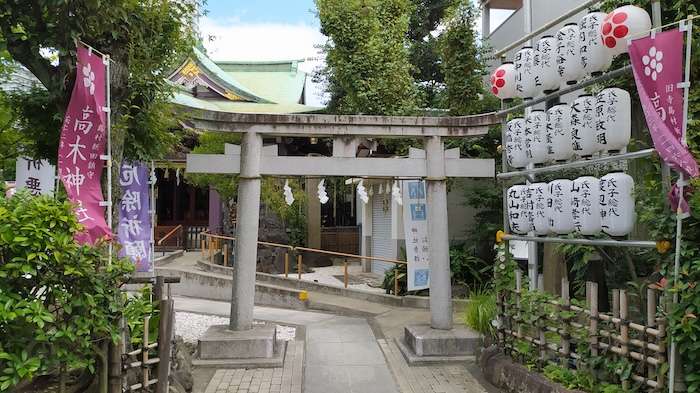
But Mukojima’s sense of the sacred extends beyond its culinary heritage. Nestled in the backstreets is the Takagi Shrine, dedicated to onigiri, the humble rice ball. Revered as a symbol of nourishment and gratitude, the shrine celebrates Japan’s deep connection to rice, both as a source of sustenance and a cultural foundation. Visitors can offer rice or onigiri as votive gifts, a small but heartfelt gesture of thanks.
Culinary Discoveries and Local Charm
In recent years, the neighborhood has quietly attracted new life without losing its essence. Among the old houses and confectionery shops stands Cattolica, a cozy Italian restaurant that gained fame after appearing in the popular TV drama Kodoku no Gourmet. The series, known for its introspective take on dining alone, found in Cattolica the perfect setting. Intimate, timeless, and faintly nostalgic. Its appearance on screen drew curious fans, yet the restaurant remains rooted in the local rhythm, serving hearty plates of pasta to regulars and wanderers alike.
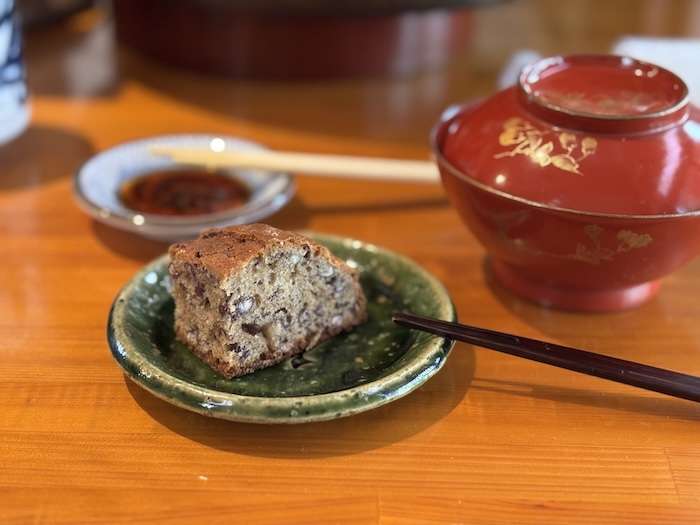
Nearby are two other gems that capture Mukojima’s spirit of quiet authenticity. Ittetsu, a traditional wagashi shop known for its refined seasonal sweets, and Ume Sushi, a small restaurant. The latter offers a set menu that concludes with a delicate soup, fragrant matcha, and a light dessert, a meal that feels almost ceremonial in its balance.
The Poetic Beauty of Mukojima-Hyakkaen Garden
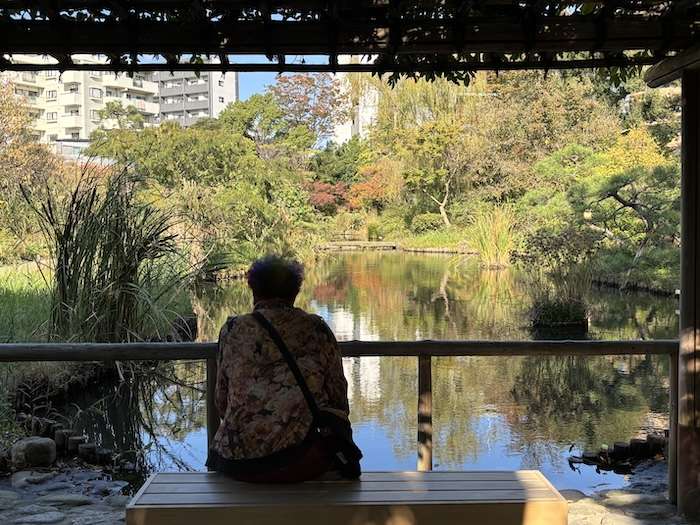
Just beyond these streets lies one of Mukojima’s greatest treasures, the Mukojima-Hyakkaen Garden. Originally established in the early 19th century by a wealthy merchant and a circle of haiku poets, the garden was conceived as a living anthology of flowers, a hyakkaen or “garden of a hundred flowers.”
Designated a National Place of Scenic Beauty and Historic Site, it remains a poetic refuge where visitors can stroll among plum blossoms, irises and bush clover, all chosen for their appearance in classical Japanese literature. The garden’s rustic paths, bamboo groves and seasonal flora preserve an atmosphere rarely found in the modern metropolis.
Along the Sumida: A Riverside in Bloom
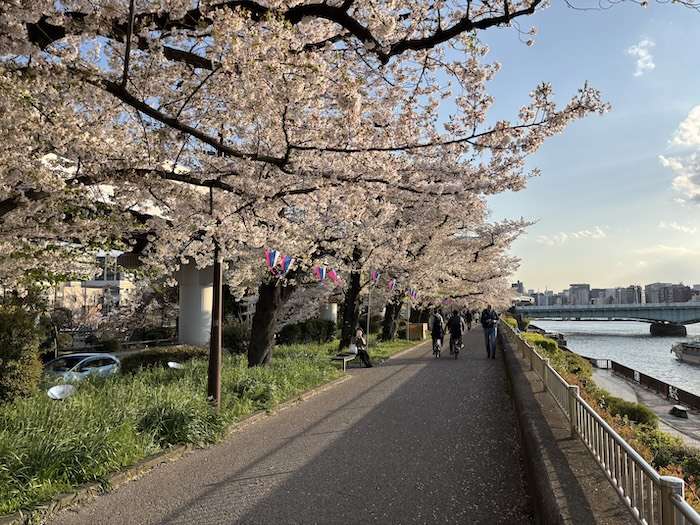
And then, of course, there is the Sumida River, the neighborhood’s lifeline. The promenade stretching along its banks is shaded by hundreds of cherry trees, forming a spectacular pink corridor each spring. During hanami season, Mukojima’s riverside becomes one of Tokyo’s most enchanting scenes, petals drifting on the breeze, boats gliding on the water, and the skyline of Asakusa visible just across the river. Yet even after the blossoms fade, the area retains its quiet allure.
In Mukojima, Tokyo’s restless energy gives way to something softer and more enduring. To wander here is to glimpse the city’s deeper self, where old Edo still whispers beneath the surface of modern Tokyo.
If you’re all about finding other Tokyo neighborhood guides, check out our: Ojima Guide, A Land of Rivers and Old-School Commerce.