Beating the Heat: A Practical Guide to Heatstroke in Japan
What the record numbers say, how to spot heatstroke early, and what to buy to stay safe
Every year, Japan’s summers arrive hotter, longer, and more punishing, and the country’s public health data tell the story in stark numbers.
Heatstroke (necchusho, 熱中症) is no longer a rare misfortune that befalls the unlucky few who overexert themselves at midday. It is a seasonal mass-casualty event that fills ambulances from May through September and kills more than a thousand people a year.
Whether you are a long-term resident, a summer visitor, or someone caring for an elderly relative, understanding how heat sickens the body and what to keep in your bag and your fridge has become an essential part of surviving a Japanese summer.
Last year was the worst on record
The summer of 2025 set a grim benchmark. Between May 1 and the end of September, more than 100,000 people, 100,143 in total, were taken to hospital by ambulance for heatstroke. That was a nearly 3% rise on the year before and the highest figure since national record-keeping began.
It was, quite literally, the hottest summer in Japanese history. The national average summer temperature was the highest since records started in 1898, and Japan’s all-time temperature record was broken twice within a matter of days.
This summer is forecast to be another scorcher
If you were hoping 2026 would offer a reprieve, the forecasts are not encouraging. The Japan Meteorological Agency and the Japan Weather Association both expect temperatures above normal nationwide across June, July and August 2026, driven by a strongly extending Pacific High.
Forecasters warn that extremely hot days are likely to persist well after the rainy season ends, particularly across eastern and western Japan, the region that includes Tokyo.
In practical terms for anyone living in or visiting Tokyo, expect:
- Stretches of days topping 35°C.
- Sweltering nights that rarely dip below 25°C.
- Thick humidity that makes sweat far less effective at cooling you down.
The humidity is the hidden danger. Japan’s summer heat feels, and behaves, far more dangerously than the thermometer reading alone would suggest.
Know the symptoms of heatstroke in Japan
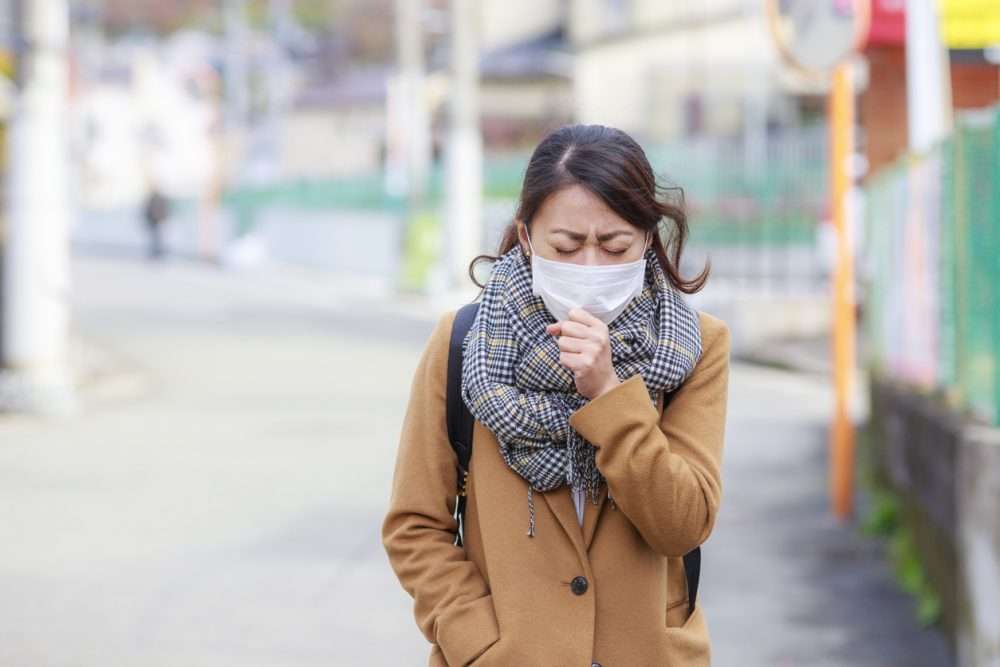
Heatstroke exists on a spectrum, and catching it early is what keeps a mild case from becoming a medical emergency.
Japanese health authorities and resources such as Nippon.com’s heatstroke prevention and treatment guide generally group the symptoms into three stages of severity.
| Stage | Symptoms | What it means |
|---|---|---|
| Mild | Dizziness, light-headedness, muscle pain or cramps, tingling in the hands and feet, heavy sweating, feeling unwell | Your body’s warning shot. Stop, get out of the heat, and rehydrate now |
| Moderate | Headache, nausea or vomiting, marked fatigue, weakness | Self-care may not be enough. Actively cool the body and consider medical help |
| Severe | Very high body temperature, confusion or loss of consciousness, unresponsiveness, whole-body convulsions, inability to walk straight | A genuine emergency. Call 119 for an ambulance immediately; do not wait |
What to do if you think you have heatstroke
If you or someone near you starts showing symptoms, act quickly and in this order:
- Get out of the heat. Move to an air-conditioned room or, failing that, a cool, shaded, breezy spot. Loosen or remove any tight clothing, belts, or collars.
- Cool the body aggressively. Apply something cold (a frozen drink bottle, an ice pack, or a cold wet towel) to the sides of the neck, armpits, and groin, where large blood vessels run close to the skin. Spraying or dabbing water on the skin and then fanning it speeds up cooling considerably.
- Replace fluids and salt. If the person is conscious and able to drink, give cool water alongside something that replaces electrolytes: an oral rehydration solution, a sports drink, or salt candies. Plain water alone is not enough when you have been sweating heavily, because it does not replace the sodium you have lost.
- Monitor and escalate. Give the body time to recover. If symptoms don’t ease, if the person cannot drink on their own, or if consciousness is at all impaired, seek medical care without delay and call 119. Never leave someone with moderate or severe symptoms alone.
Not sure how to reach an ambulance or what to say when you get through? Our guide on what to do in a medical emergency in Japan walks you through dialling 119, the key Japanese phrases, and how to get English-language help.
How to prevent it in the first place
Prevention is far easier than treatment, and it comes down to a handful of habits:
- Hydrate before you feel thirsty. By the time you are thirsty, you are already behind. Sip fluids steadily throughout the day rather than gulping large amounts occasionally.
- Use your air conditioner. It can be a health necessity in a Japanese summer, not a luxury.
- Avoid the peak heat. Stay out of direct sun during the hottest hours, roughly 11 a.m. to 3 p.m.
- Dress for it. Wear loose, breathable, light-coloured clothing, and carry a hat or a parasol. Sun umbrellas are used by all genders in Japan for good reason.
- Skip the wrong drinks. Don’t rely on caffeinated or alcoholic drinks for hydration, since both are mild diuretics.
- Watch the vulnerable. Keep a special eye on the elderly, young children, and anyone working or exercising outdoors.
What to buy at the drugstore for heatstroke prevention
One of the great conveniences of a Japanese summer is that the neighbourhood drugstore (ドラッグストア) is stocked wall to wall with affordable products designed specifically to fight the heat. You’ll find them at chains like Matsumoto Kiyoshi, Welcia, Sundrug, and Cocokara Fine. You can also find each on Amazon Japan.
Prices vary by store and season, but the table below covers the staples worth keeping on hand.
| Product | What it’s for | Typical price |
|---|---|---|
| OS-1 (オーエスワン), 500 ml bottle | Oral rehydration solution to WHO guidelines; treats mild-to-moderate dehydration | ¥200 to ¥260 |
| OS-1 Jelly (オーエスワン ゼリー), 200 g | Same rehydration formula in jelly form; easier for the nauseated or elderly | About ¥200 |
| Pocari Sweat (ポカリスエット), 500 ml | Everyday ion-supply sports drink for prevention | ¥140 to ¥170 |
| Pocari Sweat Powder (粉末), 74 g sachet (makes 1 L) | Make-at-home version; handy to stockpile | ¥180 to ¥200 |
| Kabaya Salt Charge Tablets (塩分チャージタブレッツ) | Individually wrapped salt-and-sugar tablets to replace lost sodium | About ¥300 |
| Hiepita / Netsusama cooling gel sheets (冷えピタ・熱さまシート), 12+4 pack | Stick-on gel sheets for the forehead or neck; hours of cooling | ¥400 to ¥500 |
| Bioré Cooling Body Sheets (ビオレ冷シート), about 20 wipes | Menthol body wipes for an instant chill on contact | ¥400 to ¥500 |
| Lion Kyusoku Jikan cooling leg gel sheets (休足時間) | Cooling relief for tired, overheated legs | About ¥548 |
| PCM neck cooler ring | Reusable gel ring that freezes solid below about 28°C; great for a walk or commute | ¥1,500 to ¥2,500 |
Frequently asked questions about heatstroke in Japan
Symptoms progress through three stages:
Mild: dizziness, light-headedness, heavy sweating, muscle cramps, and a tingling in the hands and feet.
Moderate: headache, nausea or vomiting, fatigue, and weakness.
Severe: a very high body temperature, confusion or loss of consciousness, convulsions, and an inability to walk straight. This is a medical emergency.
Heat exhaustion is the milder, earlier condition. The body is struggling but its core temperature and, crucially, its central nervous system are still working normally. Think heavy sweating, cool and clammy skin, weakness, dizziness, headache and nausea: someone who is unwell but still alert and coherent.
Heatstroke is the dangerous escalation. The body’s cooling system has failed, core temperature climbs, and the brain is affected. The tell-tale signs that heat exhaustion has tipped into heatstroke are confusion, slurred speech, loss of consciousness, seizures, and hot skin that may have stopped sweating.
Heat exhaustion can usually be managed with rest, cooling and fluids. Suspected heatstroke needs emergency medical care.
For a severe case (anyone confused, collapsed, convulsing, or unresponsive), call 119 for an ambulance. The line handles both fire and medical emergencies, and operators can arrange English support.
Read this full guide for more information on how to call emergency services in Japan.
If you are unsure whether it’s serious enough for an ambulance, many areas of Japan offer an emergency medical consultation line at #7119, where staff can advise you on whether to call 119 or visit a clinic.
For milder symptoms, visit a local clinic or hospital’s internal medicine (naika, 内科) or emergency department.
The Japan National Tourism Organization also runs a 24-hour visitor hotline (050-3816-2787) that can help you find English-speaking medical facilities.
If you have travel or health insurance, keep those details handy.
Heatstroke is 熱中症, pronounced necchūshō (roughly “net-chew-show”). You may also see 熱射病 (nesshabyō) used for classic exertional heatstroke.
Useful related phrases:
Mizu o kudasai (水をください): “water please.”
Kyukyusha o yonde kudasai (救急車を呼んでください): “please call an ambulance.”
For more information, read our full guide to drugstores in Japan.
Looking for more ways to handle the summer season in Japan? See our companion piece on how to cool off and combat humidity in Japan.
This page has been brought to you as a public service of The Bluff Medical and Dental Clinic in Yokohama.