March 31, 2026
Edo-Tokyo Museum Returns After Four-Year Renovation
Two Names, One City, Centuries of History
Tokyo’s beloved museum, dedicated to the history and culture of the metropolis itself, closed its doors temporarily in April 2022 and reopened on March 31 2026, after the four-year renovation.
It was its most significant transformation since it first opened in 1993, and the results go well beyond patching up a 30-year-old building.
The museum was created to preserve and showcase the city’s culture and history, as well as the daily lives of its people. Its name, “Edo-Tokyo”, reflects the city’s dual identity across a continuous history.
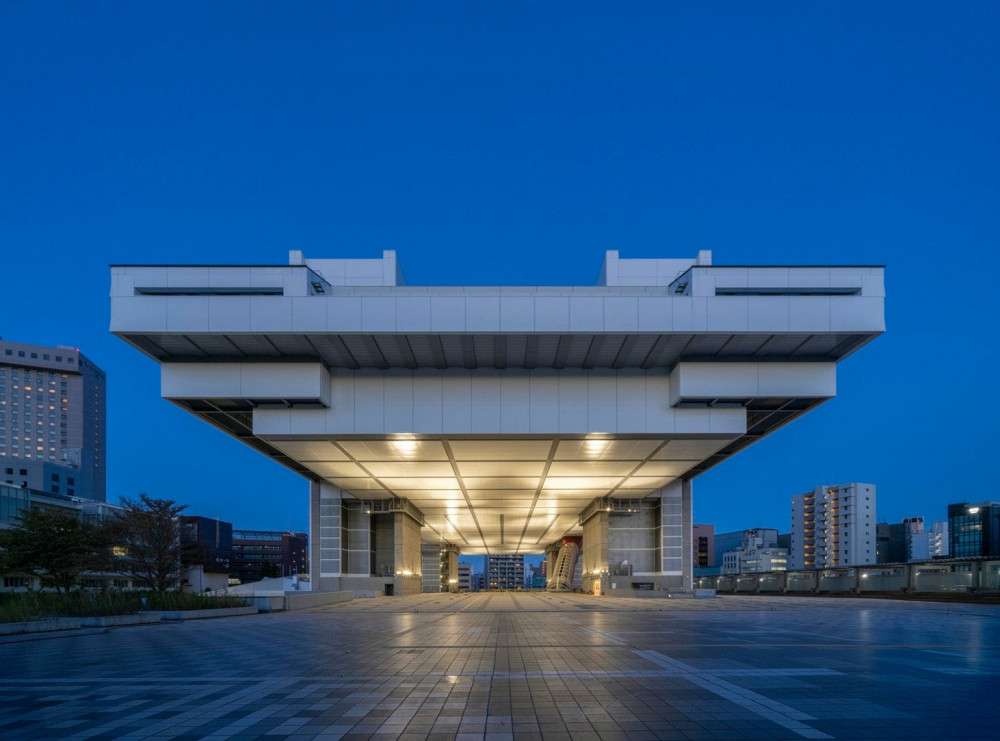
Designed by Kiyonori Kikutake, one of the founding figures of Japanese Metabolism, the structure is reminiscent of the takayuka-shiki style, the ancient raised-floor architecture often used for granaries. Here, the cargo is history rather than grain, held aloft above Ryogoku. The building would rise to the same height as the tenshukaku of Edo Castle, had it survived.
Keeping this iconic exterior intact, Tokyo assigned OMA, with Shohei Shigematsu as partner, to lead the renovation. The cantilevered roof has been reinforced with upgraded insulation and waterproofing, stabilizing the temperature indoors. LED lighting runs throughout, and solar panels have been added to the roof.
The permanent collection, spread across 9,000 square meters on the fifth and sixth floors, has been redesigned. A replica of Nihombashi, the bridge that marks the symbolic center of this metropolis, spans the sixth floor and divides the exhibition into an Edo zone on one side and a Tokyo zone on the other.
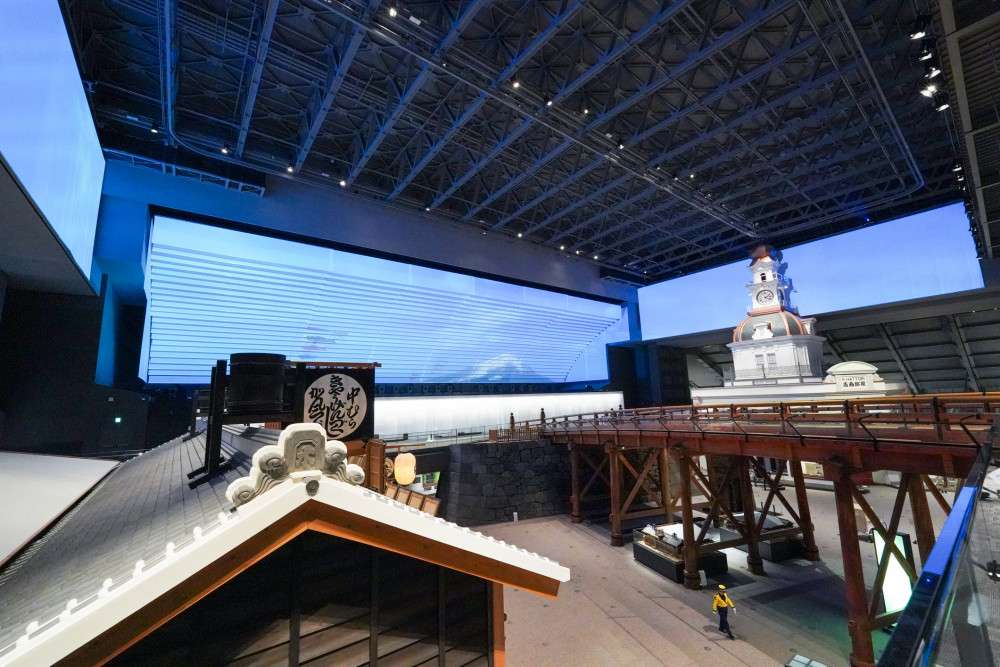
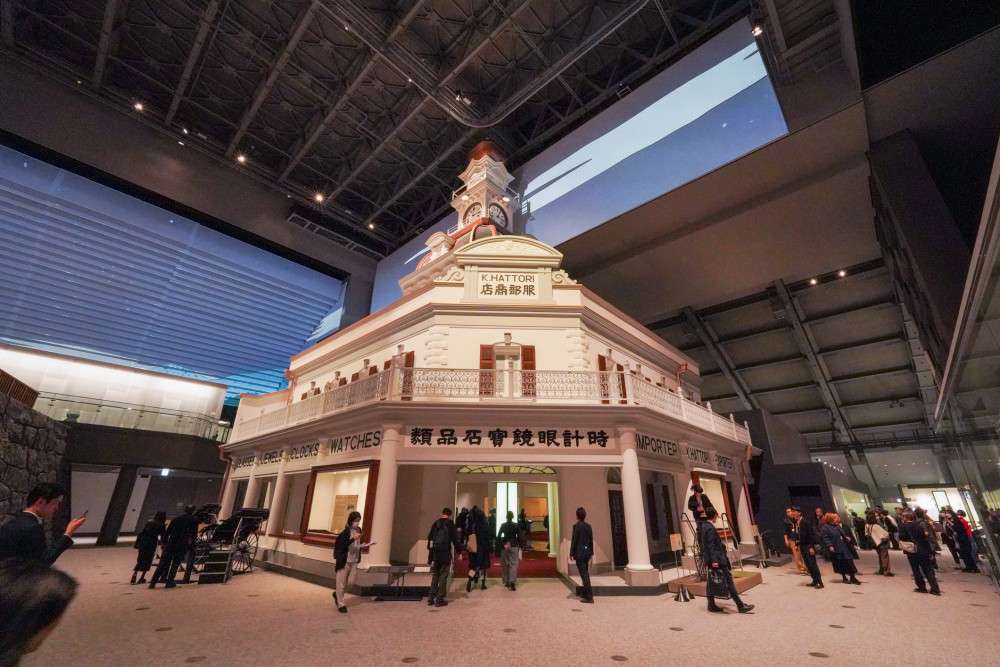
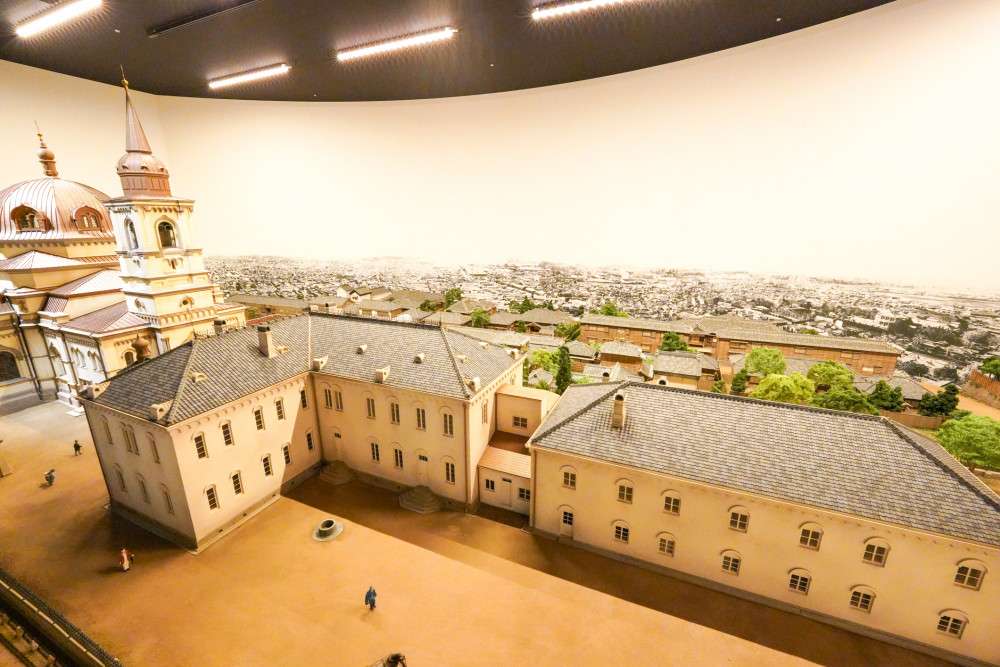
The updates are extensive, with a clear emphasis on more interactive and immersive exhibition design. In the Tokyo Zone, the iconic 26-meter large-scale model has been updated from the newspaper company Choya Shimbun to the clockmaker’s shop Hattori Tokei-ten, reflecting the real change that took place in Ginza in 1895. The same site would later be reconstructed into what stands today as Ginza Wako, Seiko’s landmark department store.
While the collection reaches further back, its heart is the 400-year story of a fishing village that became a samurai capital, the world’s largest metropolis in the 18th century, and eventually the modern megacity of Tokyo. The museum’s focus is on people, and the exhibitions are human-scale in many ways. A permanent exhibition on the civilian experience of the U.S. firebombing of Tokyo is one such example, a reminder that this city’s story is as much about human lives as landmarks.
As of now, there is no Tokyo resident discount, except on Tokyo Citizens’ Day (October 1), despite the museum being, at its core, about Tokyoites.
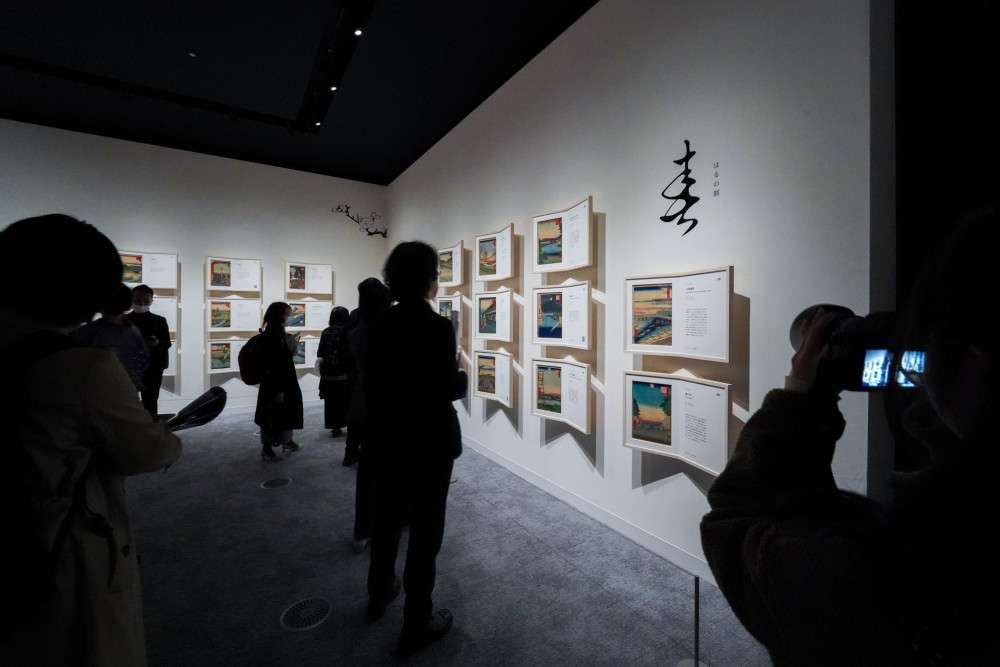
The renovation coincides with a calendar of special exhibitions. “In Praise of Great Edo,” a celebration of Edo’s urban culture, runs April 25 through May 24, followed by a show on Meiji-era Western-style architecture opening June 23.
EDO-TOKYO MUSEUM (江戸東京博物館)
Address: 1-4-1 Yokoami, Sumida-ku, Tokyo 130-0015
Website: edo-tokyo-museum.or.jp/en/
Permanent Exhibition Admission Fee
- Adults: ¥800
- Ages 65 and over: ¥400
- University students: ¥480
- High school students: ¥300
- Junior high school students or younger: Free
*Persons holding the following certificates are admitted free of charge, along with accompanying persons (up to two persons): Shintai Shogaisha Techo (Certificate of the Physically Disabled), Ai-no-Techo (Certificate of the Intellectually Disabled), Ryoiku Techo (Certificate of Rehabilitation), Seishin Shogaisha Hoken Fukushi Techo (Certificate of the Mentally Disabled) and Hibakusha Kenko Techo (Atomic Bomb Survivor’s Certificate)
*On the third Saturday of every month and the following Sunday, up to two guardians accompanying children under 18 residing in Tokyo can enjoy half-price admission to the permanent exhibition.
What do we really mean when we talk about tradition and history? Read the editor’s letter:
What Is Japanese Tradition?
Want to experience Edo’s shitamachi culture beyond the museum? Read:
Sento Architect Kentaro Imai and the Art of Bathing Spaces
Just next door to the museum, sumo is still very much alive:
Sumo Tournament Tickets Go on Sale April 4—Here’s How to Get Them
Exploring the area? See our Ryogoku guide:
Tokyo Neighborhood Guide—Ryogoku