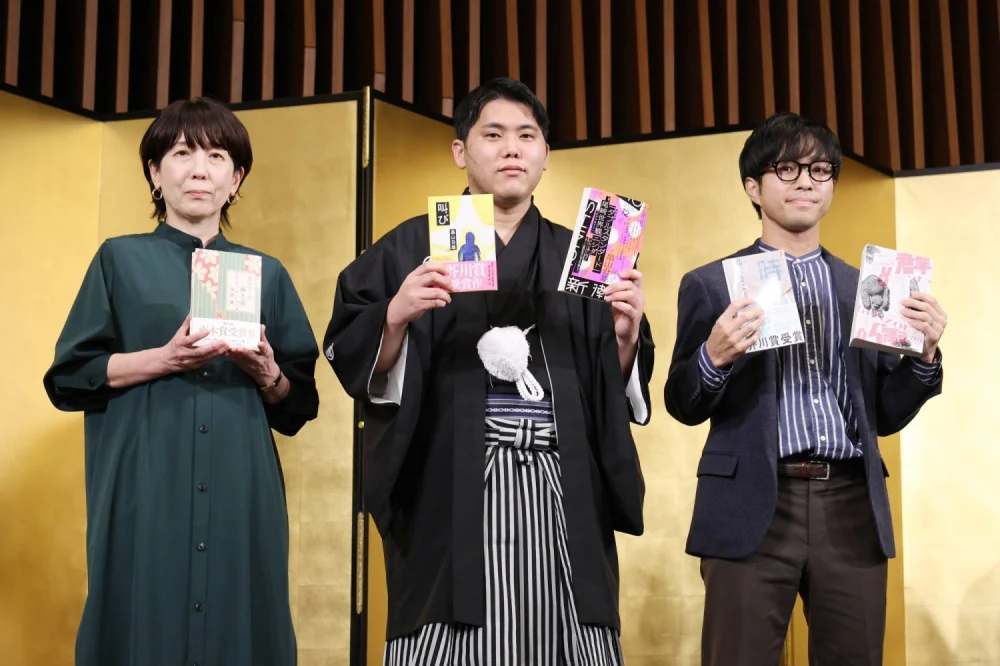
Inside the 2026 Akutagawa & Naoki Prizes
The Most Prestigious Prizes in Japanese Literature
Every January and July, Japan’s literary world turns its attention to two announcements: the Akutagawa and Naoki Prizes. Founded in 1935 by writer and publisher Kikuchi Kan, the Akutagawa Prize and Naoki Prize were conceived as complementary forces. The Akutagawa Prize, named after modernist icon Akutagawa Ryunosuke, recognizes artistically ambitious short and medium-length fiction by new or rising authors, and is widely regarded as a gateway into serious literary careers. By contrast, the Naoki Prize commemorates Kikuchi’s close friend Naoki Sanjugo and celebrates popular fiction, favoring longer narratives with strong storytelling appeal.
Here are the 174th Akutagawa and Naoki Prize winners and finalists, spanning bold experimental literature to gripping takes on society.
174th Akutagawa and Naoki Prizes: The Winners
Toki no Ie (“The House of Time”) by Makoto Toriyama
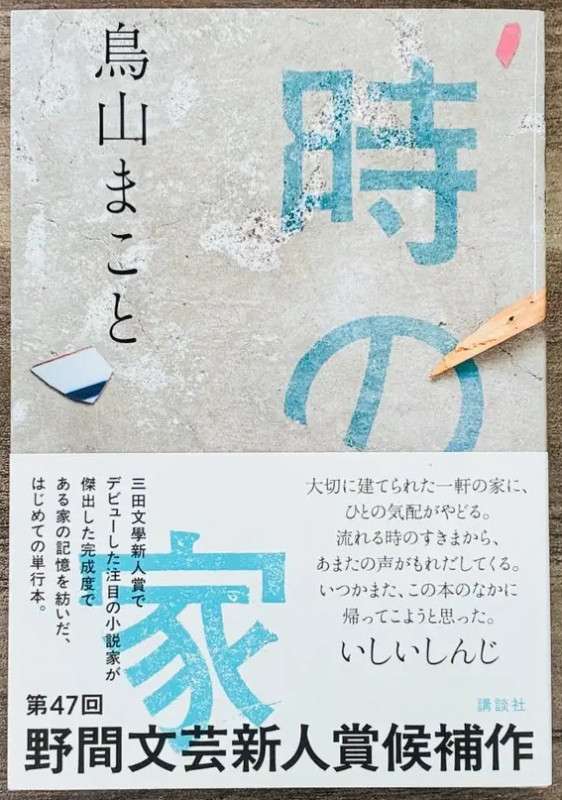
The Akutagawa Prize was awarded to this quiet yet profound novel, which treats a home as a vessel of accumulated memory. Traced through the sketches of a nostalgic young man, Toriyama reveals how the same rooms and views take on shifting meanings across three generations, prompting readers to reconsider their own domestic landscapes as layered archives of personal history.
Sakebi (“The Cry”) by Ushio Hatakeyama
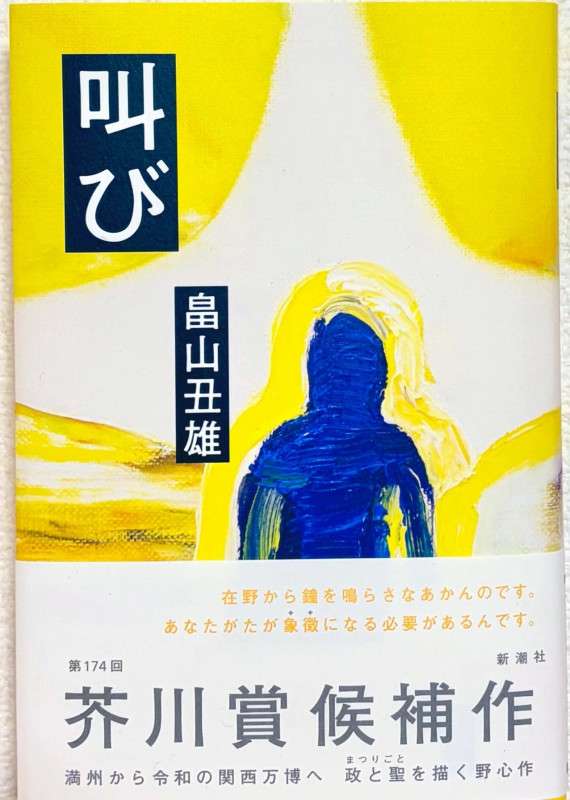
Sharing the Akutagawa Prize, Hatakeyama’s historical novel leaves readers with a tight, wordless pressure in the throat. Beginning with a deeply personal sense of guilt, the narrative gradually expands into a meditation on postwar Japan, weaving together Osaka’s local history, Manchuria, and suppressed wartime memories.
Kafe no Kaerimichi (“On the Way Home from the Café”) by Hikaru Shimazu
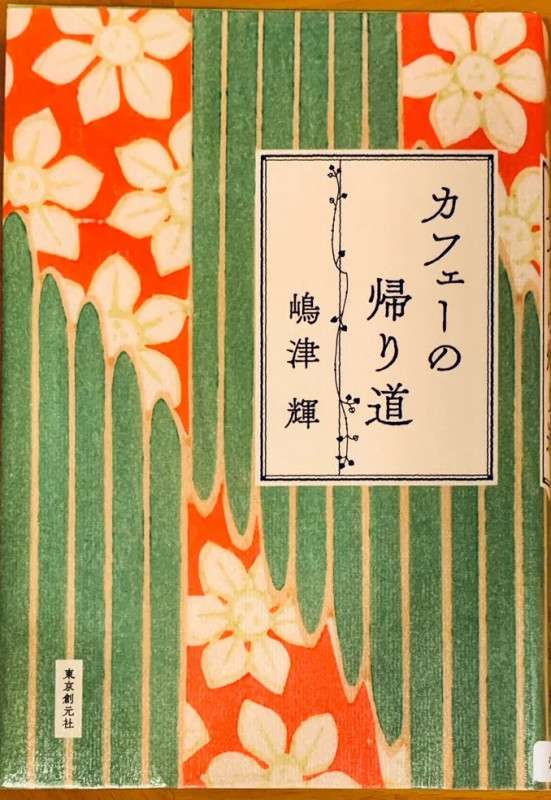
The Naoki Prize went to a novel we pick up for much the same reason we drink coffee: for the rustic feel, its warmth, and its soft but persistent aftertaste. Set around a modest café in Ueno, Tokyo, the story follows a group of women working as servers in the early twentieth century. Without relying on dramatic twists, Shimazu captures the weight of everyday life through the texture of working-class survival.
Akutagawa Prize: Finalists
Kaigara Koro (“Seashell Routes”) by Hiroki Hisumi

Set in the misty port city of Kushiro, this reflective novel weaves personal memory with postwar history and unresolved border tensions. After marrying a musician of Ainu heritage who suddenly disappears, the narrator is left to face resurfacing memories and the quiet burden of place.
BOXBOXBOXBOX by Wan Sakamoto
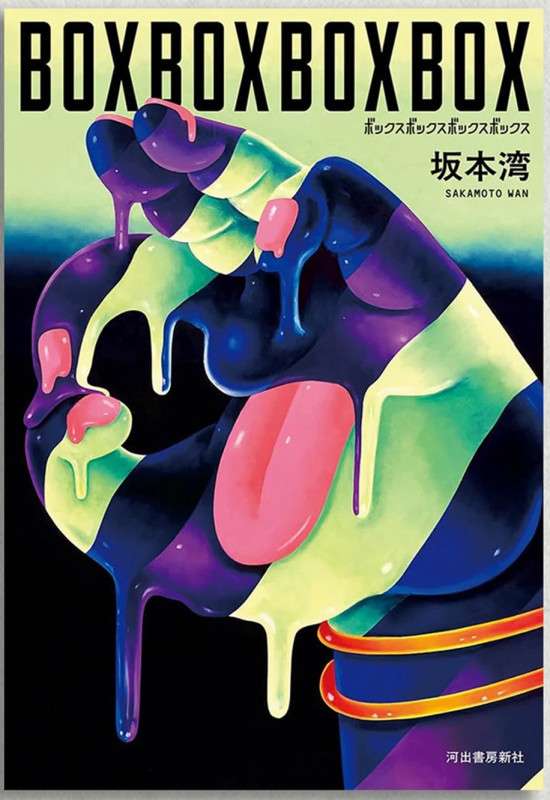
A sharp critique of systems that reduce people to interchangeable parts, Sakamoto follows four warehouse workers trapped in monotonous factory labor, until a single unsettling act exposes the moral limits of an impersonal logistics system.
Hebi (“Snake”) by Kaoru Sakazaki
Rather than relying on overt horror, Sakazaki unsettles through subtle shifts observed by the narrator, who is a stuffed toy endowed with consciousness. Through the conflict of father and son, the story lingers as a chilling meditation on how fragile “normal” can be.
Naoki Prize: Finalists
Shirasagi Tatsu by Yu Sumida
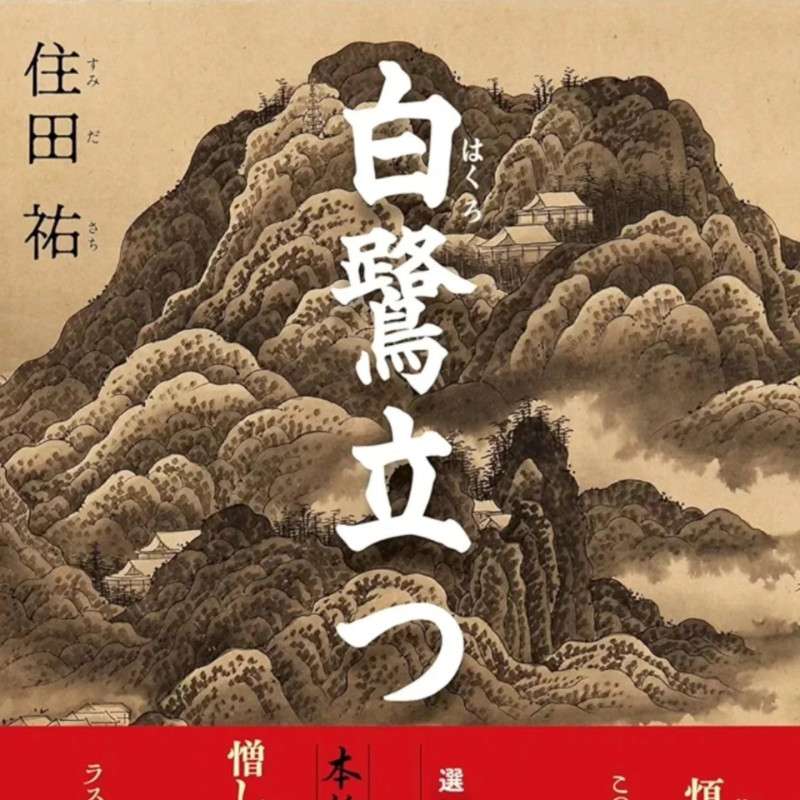
Two Buddhist monks hide a dangerous secret as they attempt the deadly thousand-day ascetic practice, a quest for legacy that ultimately ignites catastrophe. In a novel that resists easy spiritual uplift, Sumida delivers a visceral exploration of faith and obsession.
Shinto no Shonin (“Witness of the Sacred Capital”) by Takeaki Daimon
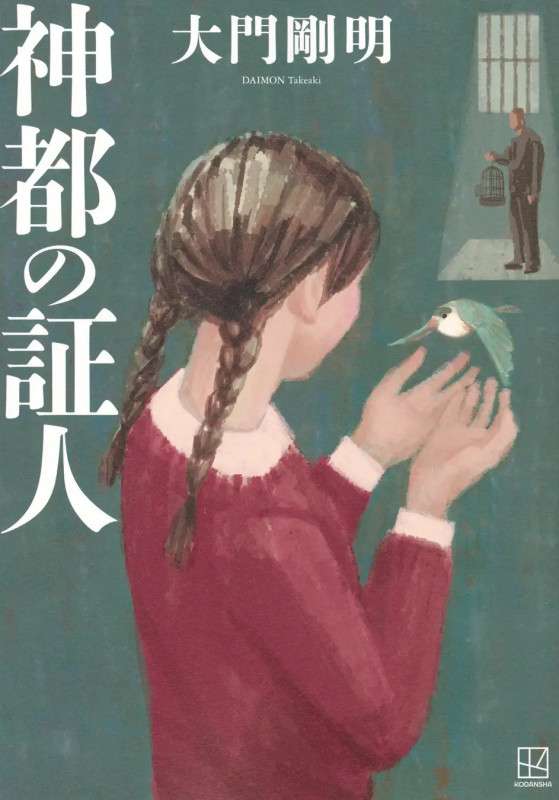
Blending courtroom drama with wartime moral conflict, Daimon traces a lawyer’s lifelong fight against a wrongful murder conviction. Sharp dialogue and ethical tension drive a narrative that questions what “doing right” means when institutions themselves are broken.
Kazoku (“Family”) by Akira Hamanaka
Inspired by real crimes, this novel follows a woman who constructs a pseudo-family and exploits the principle of “non-intervention in civil matters” to carry out audacious crimes. Hamanaka exposes family as both refuge and trap, illustrating how easily care can mutate into control.
Joo-sama no Denwaban (“The Queen’s Phone Operator”) by Yu Watanabe
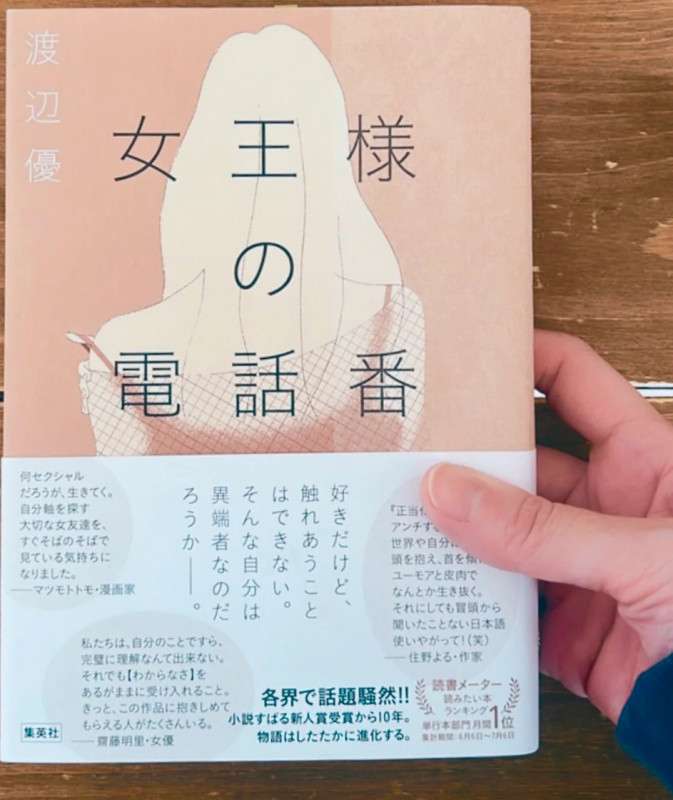
Centered on a woman working the phones for an SM escort service, Watanabe’s novel surprises with its tenderness. Through humor and vulnerability, it explores asexuality, desire, and social conformity, offering a compassionate portrait of lives lived outside conventional scripts.
Interested in Literature? Check out Metropolis’ Literature Section for Book Recommendations and More.
The Books of 2026
Taken together, the 2026 selections reveal a literary landscape deeply engaged with memory, labor, ethics, and belonging. While these emerging works have not yet appeared in English translation, they offer a rewarding opportunity for readers studying Japanese, and are now more accessible than ever with e-books and built-in translation tools. Whether for pleasure or practice, these prizewinning novels offer a vivid entry point into contemporary Japanese literature. Happy reading!
This article was originally published in Metropolis Magazine, “Drama,” Spring 2025. Read the full issue here.