How to Prepare for a Typhoon in Tokyo
How to stay safe when the big storms hit
Every summer, Tokyo residents learn to read the sky a little differently. By August, the city’s social media feeds fill with screenshots of weather apps, convenience stores quietly stock extra batteries and cup noodles, and seasoned locals begin mentally rehearsing the same annual routine: check the forecast, charge the devices and stock up early. Typhoon season has arrived.
For newcomers to Japan, the experience can feel somewhere between awe-inspiring and genuinely alarming—trains cancelled with eerie precision, shuttered storefronts in neighborhoods that never close and then, hours later, streets scrubbed clean under blinding blue skies. Understanding what typhoons actually are, what to expect and how to prepare properly makes all the difference between riding out the storm with confidence and getting caught off guard.
Get Your Personalized Guide to Preparing for a Natural Disaster in Japan
Answer 8 questions to get your personalized emergency guide for typhoon season, earthquakes, flooding and more.
By Arden Kreuzer
Your profile is one step away
Enter your email to get your result, plus the Metropolis newsletter — Tokyo’s essential guide for expats, visitors and Japan fans. Weekly roundups on dining, events and culture in Tokyo delivered to your inbox.
Unsubscribe anytime. We never sell or share your data.
What Is a Typhoon?
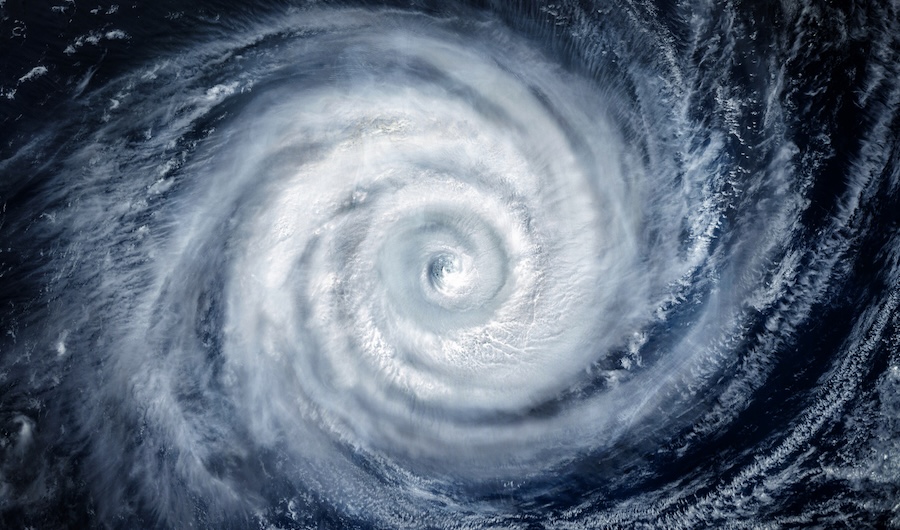
A typhoon is a tropical cyclone, the same meteorological phenomenon as a hurricane or cyclone, just occurring in the Northwest Pacific. These massive rotating storm systems form over warm ocean waters, typically beginning as clusters of thunderstorms that gradually organize around a low-pressure center. As ocean heat fuels their growth, winds accelerate and the system tightens into the distinctive spiral that satellite images make so recognizable.
Japan uses the Japan Meteorological Agency (JMA) classification system, which differs from the scales used in the US or elsewhere.
The JMA Scale: Full Spectrum (weakest → strongest)
| Category | 10-min sustained winds |
|---|---|
| Tropical Depression | Below 34 knots / 63 km/h |
| Tropical Storm | 34–47 knots / 63–88 km/h |
| Severe Tropical Storm | 48–63 knots / 89–117 km/h |
| Typhoon | 64–84 knots / 118–156 km/h |
| Very Strong Typhoon | 85–104 knots / 157–193 km/h |
| Violent Typhoon | ≥105 knots / ≥194 km/h |
When Does Typhoon Season Hit?
Japan’s typhoon season officially runs from June through November, though the peak risk window for the Tokyo area falls between late August and October. September is historically the most active month, when sea surface temperatures in the Pacific remain high enough to sustain and intensify approaching systems.
Not every typhoon makes landfall, and not every storm that approaches the Kanto region will bring severe conditions to central Tokyo. Japan’s geography of mountains to the north and west and open Pacific exposure to the south shapes how storms track and weaken. But the variability is precisely why preparedness matters: conditions can shift significantly within 24 to 48 hours of a storm’s projected arrival.
What a Tokyo Typhoon Actually Looks Like
For most Tokyo residents, a typhoon day follows a predictable rhythm. Warnings appear 48 to 72 hours out, with NHK and major broadcasters running near-constant updates. Supermarkets tend to see a rush, mainly the practiced stocking-up of people who have done this before, rather than panic-buying.
The morning of a direct hit typically brings heavy rain that arrives in bands, with wind picking up through the afternoon. Train operators like JR East, Tokyo Metro and the private lines will generally issue suspension decisions on set schedules, often announcing planned shutdowns the evening before. By the time the eye wall passes (if it does), conditions can deteriorate rapidly over just a few hours. Afterward, the city rebounds with notable speed: trains resume, streets drain and life resumes.
Building Your Emergency Kit
Japan’s government actively encourages all residents, not just Japanese nationals, to maintain a prepared emergency bag, known as a 非常用持ち出し袋 (hijoyo mochidashi bukuro). For typhoon preparedness specifically, this bag covers not only the immediate storm but the possibility of evacuation to a designated shelter if flooding, landslides or structural damage becomes a concern in your area.
For a full breakdown of what to pack, where to store it and how to tailor it to your household, see our Emergency Evacuation Backpack List.
At a minimum, your bag should be ready to go before a storm approaches—not assembled during one. Key categories include water and food for at least three days, a first aid kit, copies of important documents, cash in small denominations, a battery-powered or hand-crank radio and any prescription medications. Residents with pets, infants or household members with accessibility needs should plan additional supplies accordingly.
Staying Informed: Key Resources
Knowing where to look for reliable, real-time information is half the battle. Bookmark these before the season gets underway.
Train Status
- JR East – jreast.co.jp/e – Real-time line operation status in English
- Tokyo Metro – tokyometro.jp/en – Service updates for all Metro lines
- Yahoo! 乗換案内 (Norikae Annai) – The go-to app for real-time disruption alerts across all lines; set alerts for your regular routes (Japanese only)
- X (Twitter) – Individual rail operators maintain active accounts and post suspension decisions as they’re announced
- JR East – x.com/jreastinfo
- Tokyo Metro – x.com/tokyometro_info
- Tokyu Railways – x.com/tokyu_official
- Toei Subway – x.com/toeikotsu
- Odakyu Electric Railway – x.com/odakyuline_info
- Keio Corporation – x.com/keiodentetsu
- Keisei Electric Railway – x.com/keiseirailway
Weather and Warnings
- Japan Meteorological Agency (JMA) – jma.go.jp/jma – The authoritative source for typhoon tracks, warnings, and advisories
- NHK World – nhk.or.jp/nhkworld – English-language broadcast updates during major weather events
- Weathernews – weathernews.jp – Granular hyperlocal forecasts with an excellent app
Evacuation Information
- Hazard Map Portal (国土交通省) – disaportal.gsi.go.jp – Search your address for flood risk zones, landslide risk areas, and designated evacuation shelters (Japanese only)
- Your Ward or City Office Website – Each Tokyo ward (区) publishes its own disaster preparedness map (bousai map) with shelter locations, evacuation routes, and special-needs support information. Search “[your ward name] 防災マップ” or “[ward name] disaster map”
- Safety Tips App – Available in English, this app pushes J-Alert emergency notifications to foreign residents’ phones and is recommended by the Tokyo Metropolitan Government
One Last Thing
The neighbors who seem unfazed by typhoon season aren’t fearless, they’re prepared. Japan’s disaster-readiness culture is among the most developed in the world, and residents, both longtime and new, benefit enormously from tapping into it. Know your local evacuation routes, keep your emergency kit stocked and follow official channels when conditions deteriorate. The storm will pass, it always does.
Want to make sure your emergency bag is actually ready? See our full guide: Emergency Evacuation Backpack List →
For further information regarding disaster preparedness, read about what to do in an earthquake in Japan and what to do in a medical emergency in Japan.