March 23, 2026
What Niseko Says About the Future of Travel in Japan
A weekend in Hirafu's luxury bubble, staying at Niseko Kyo and dining at Masonry
Niseko is more than a ski resort. It’s Japan’s most visible test of whether luxury inbound tourism can outlast the weak-yen boom.
Niseko needs no introduction. Despite Hokkaido being a sparsely populated island, the area has achieved a level of international name recognition on par with major cities like Kyoto. The powder did that. Japow, as it has been abbreviated by travelers from Down Under, is not a myth. Japan is one of the snowiest countries in the world, and the quality of its snow for skiing is widely considered the best on earth. Niseko, one of many ski and onsen towns across the country, got this particular level of international attention in the 1990s.
For local Japanese like myself, from Tokyo, heading to Niigata or Nagano by bullet train is the more common option for skiing, areas also known for japow. So the question of what makes Niseko so famous had been lingering. Like many Tokyo residents, I knew Niseko well enough by reputation to have meant to go. An invitation to try a hotel and its restaurant gave me the push.
How Niseko Got Here
The name itself comes from the Ainu language: ニセ(ィ)コアンペッ (nisey-ko-an-pet, “river toward the cliff”), referring to the area that includes the towns of Kutchan, Rankoshi and Kaributo, which renamed itself Niseko in the 1960s for tourism purposes (a decision that proved controversial, given it took the name of an entire region). When people say Niseko today, they typically mean the larger tourism zone, and Kutchan is most often what visitors picture.
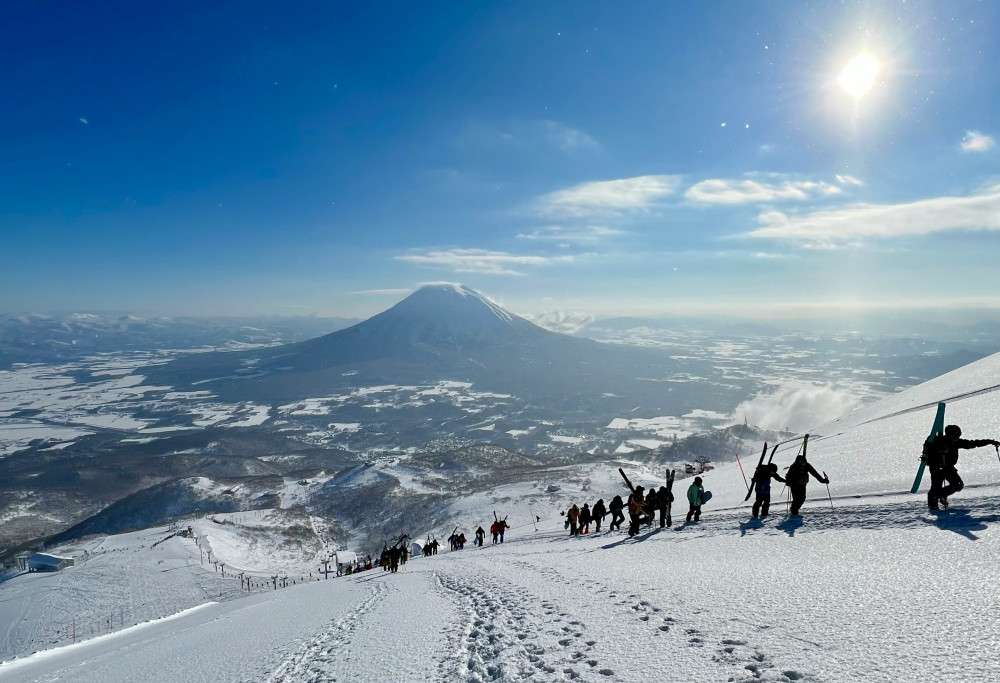
Ainu in Hokkaido and Sakhalin had traditional snow gliding shoes, but the ski as we know it today arrived in the 20th century. Theodor von Lerch of the Austro-Hungarian Army, often cited as the figure who introduced skiing to Japan (in Niigata), also taught the sport to the Japanese army in Kutchan and skied Mt. Yotei himself. With hot springs nearby, the area was already functioning as a ski resort by the early 1900s, and the patronage of Yasuhito, Prince Chichibu, who visited for skiing and onsen, added further prestige.
In the 1960s, Kutchan became a sister city to St. Moritz, a pairing of two prestigious snow resort towns. By the 1990s, word of Niseko’s snow had spread through Australian ski circles, helped along by the minimal time difference, the seasonal difference in the Southern Hemisphere and the far superior snow quality. That is how we get to the Niseko we know now.
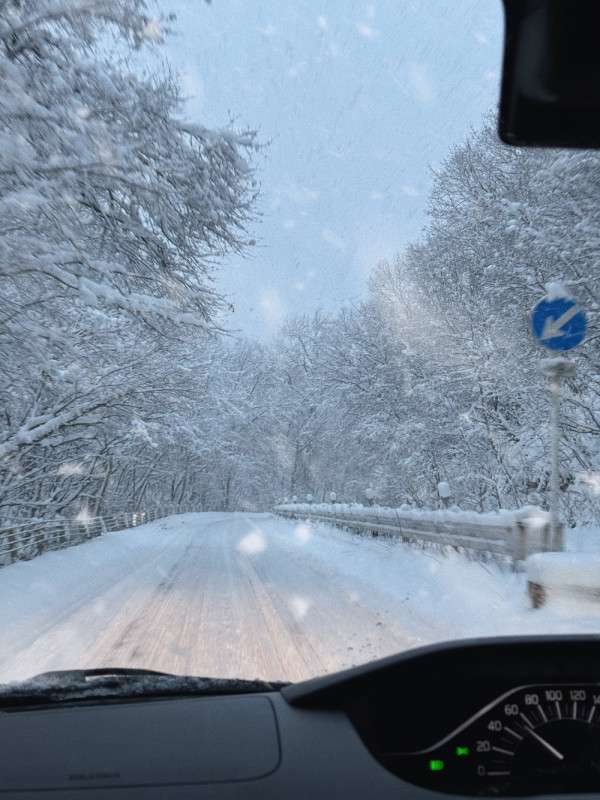
Arriving for the first time, you find a resort town that has been shaped, sometimes dramatically, by that attention. Hirafu in Kutchan operates almost entirely in English: menus, signage and staff greetings all default to it. I spent the entire stay without speaking a word of Japanese, which is a strange thing to notice when you are Japanese. The concentration of international visitors is well-documented enough to have become part of Niseko’s identity. While Hokkaido has long attracted visitors from Southeast Asia for the novelty of seeing a winter wonderland, more recently, investment from Singapore and Malaysia has added a new layer to that presence. Someone once described Hirafu as Azabu Juban teleported into a snowy mountain, and the comparison holds more than it should.
Experiencing Hirafu: Niseko Kyo and Masonry Japan
Getting there from Tokyo means a flight to Shin-Chitose and two hours of increasingly white Hokkaido countryside, until Hirafu appears. There, I stayed at Niseko Kyo, a Luxe Nomad property in Upper Hirafu with true ski-in ski-out access.
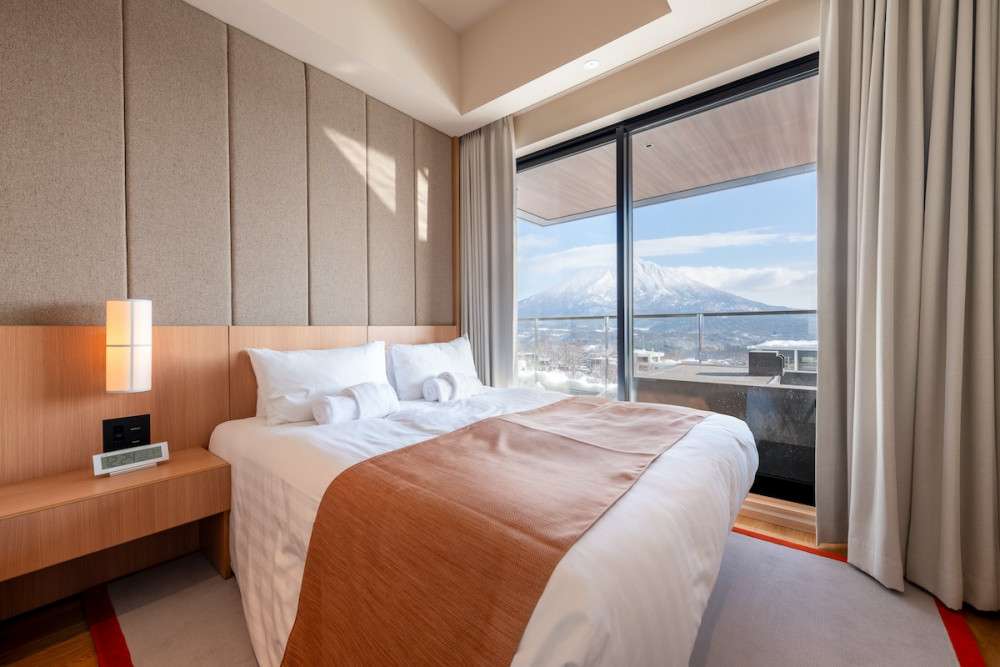

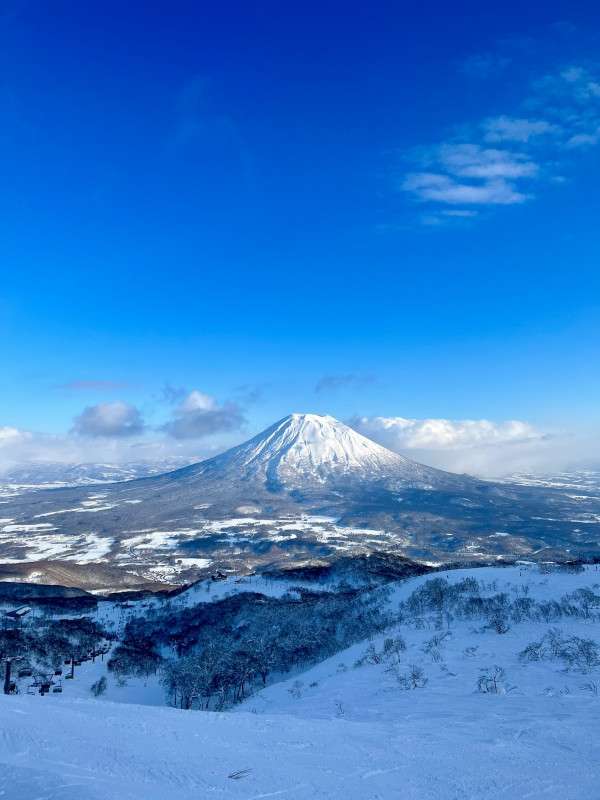
The room looks directly at Mt. Yotei, magnificent under snow. From the start, the attention to detail caught my eye when I saw the fully equipped kitchen came with Japanese knives. Choices in every corner of the room, from the toiletries to the bedding, are curated with intention, down to the motorized television that lowers from the foot of the bed. Being a true ski-in ski-out property with the lift entrance right outside, coming back to a warm room for lunch between sessions felt homely and luxurious at the same time.
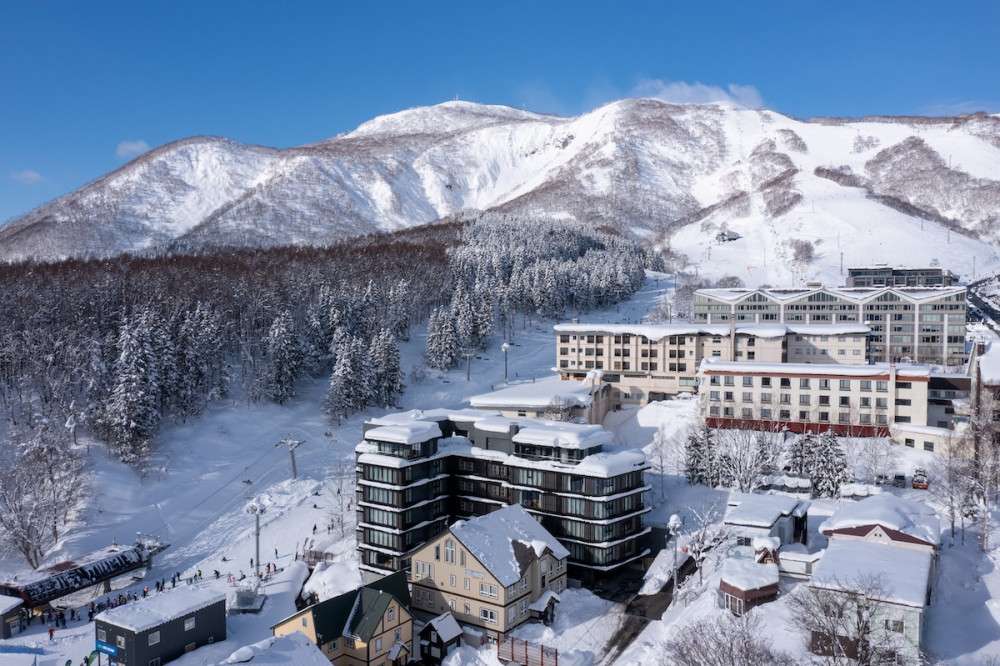
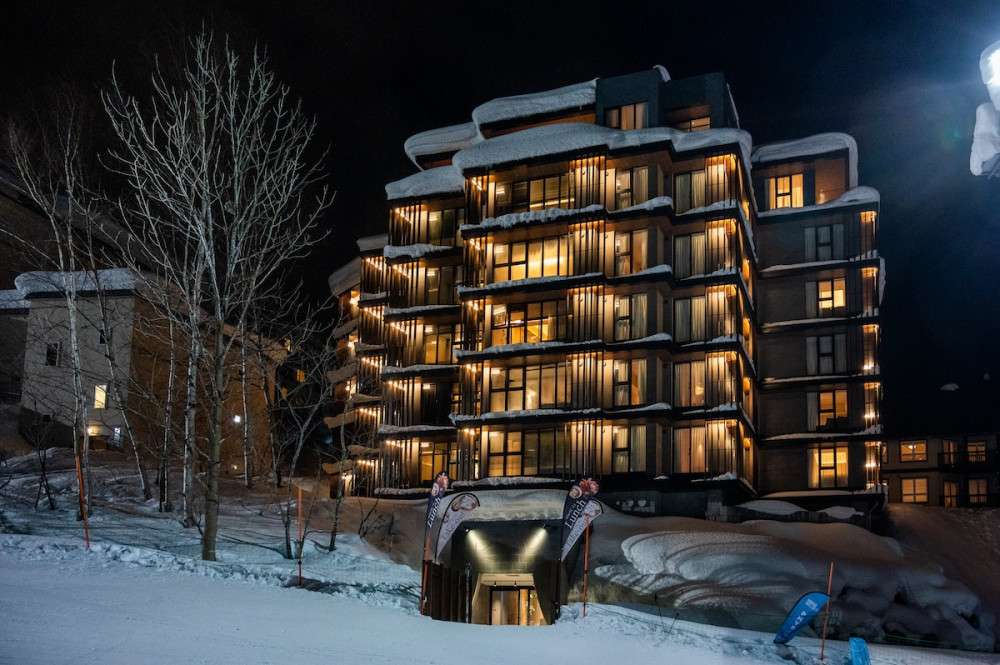
The trend in Niseko is these properties that are neither large-scale hotels nor the b&b hutte (huts) common in Japanese ski resorts, condo hotels that are cozier, like Niseko Kyo with its 22 rooms, but equipped with restaurants and more luxurious amenities. For a property of its size, the staffing is generous and the hospitality attentive, closer in spirit to a ryokan’s omotenashi than a hotel. In the evening, staff came to the room offering snacks, hot chocolate and board games, which is exactly the right way to end a day in the snowy mountains.
Niseko Kyo houses the restaurant Masonry. Originally founded in Bali in 2018 by Aussie chef Ben Cross, it brought its Mediterranean-leaning, wood-fire philosophy to Niseko as its first global expansion. In contrast to its super global backstory, the menu features local Hokkaido produce in ways that feel genuinely thought through rather than themed.
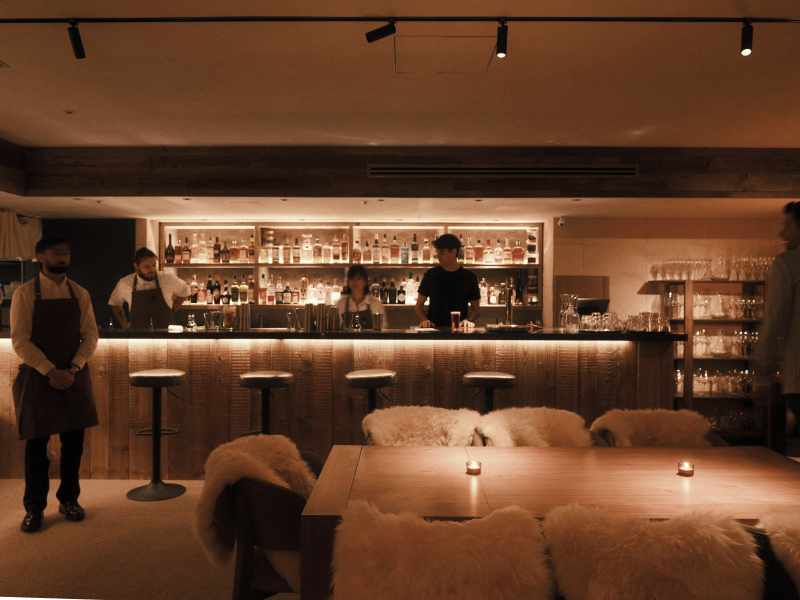
The Akkeshi Maruemon oyster, served with smoked katsuobushi mignonette and chive, sets the register early. Dips come with fermented potato bread, served warm. The hummus-inspired chickpea purée with burnt togarashi butter was, unexpectedly, one of the best versions of the dish I have had, and I still think about it to this day. The main was the Makkari pork loin, a local breed, which came with harissa. It does make you think how random the universe is, for ingredients of this snowy island to end up in dishes of the Levant.
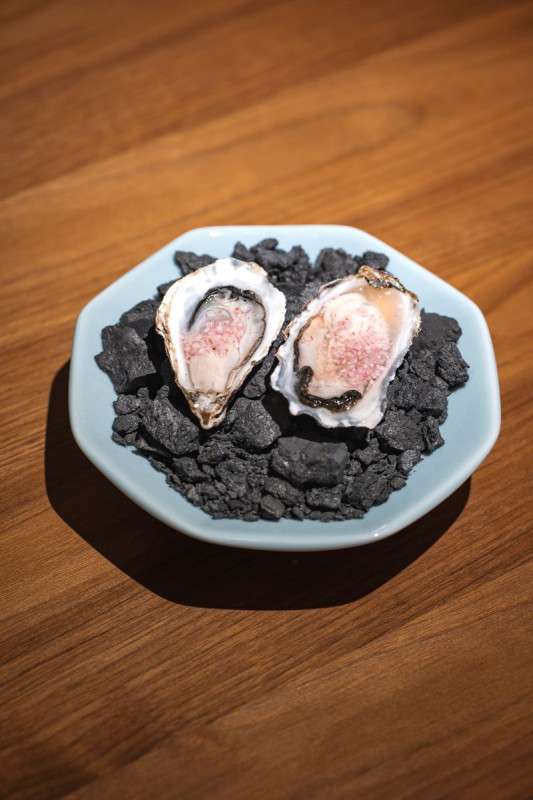
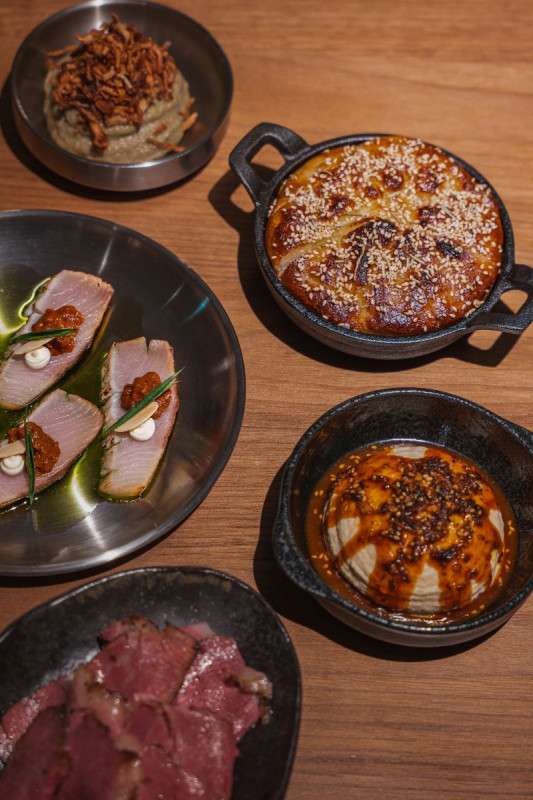
With unique cocktail choices and creative fusion food in an ambient setting, it tells me that Niseko is very different from ski experiences of my university days, packed one-night stays in rustic minshuku in Shigakogen—a thought I had while sipping an ume ball made with Amaro Montenegro, umeshu and absinthe
One of the pleasures of a resort town is being surrounded by worthwhile things beyond the slope and bars in Hirafu are part of that. Niseko Confidential, the Niseko outpost of Tokyo Confidential in Azabu, which I personally love for its casual yet story-heavy approach, is now here too. Bar Gyu has been around longer and remains one of the area’s most recognizable institutions, with vintage vibes. Bar Haku leans into whiskey, a natural fit for Hokkaido, a spiritual home of Japanese whisky. Even after the ski slopes close, there is always something to look forward to: a glass, or several, after a day on the pistes.
However, five minutes by car from Hirafu’s busy lifts, the landscape switches register entirely. From luxury condos and busy restaurants, now you see vast fields, sparse wooden structures and Japanese signage. On the way back, we stopped at Goshiki Onsen, a mountain retreat in Niseko that has been operating since 1930, where the spring water is said to shift through five colors depending on the light.
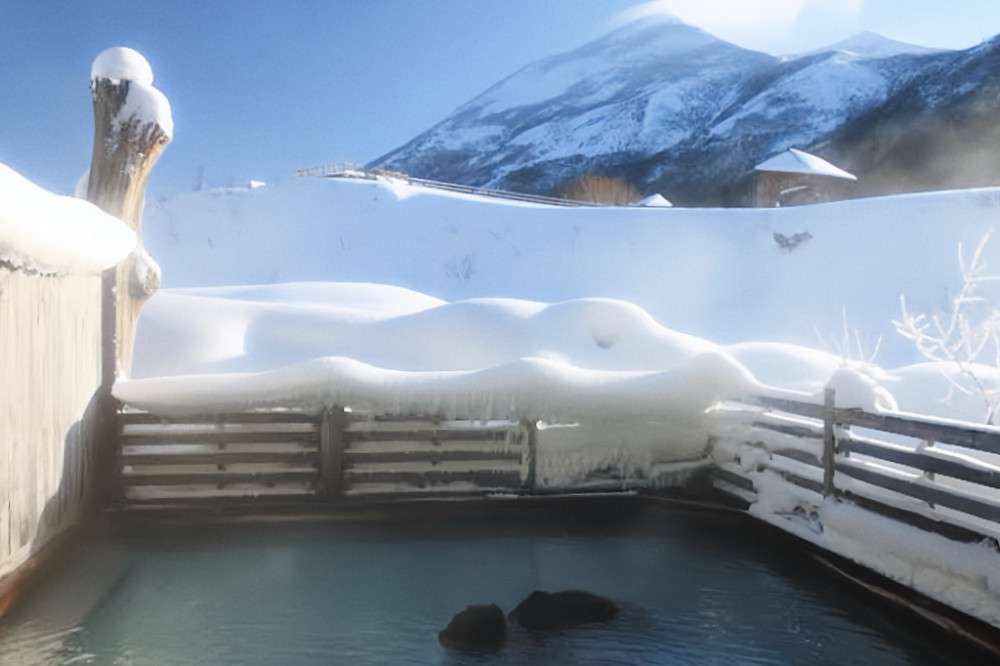
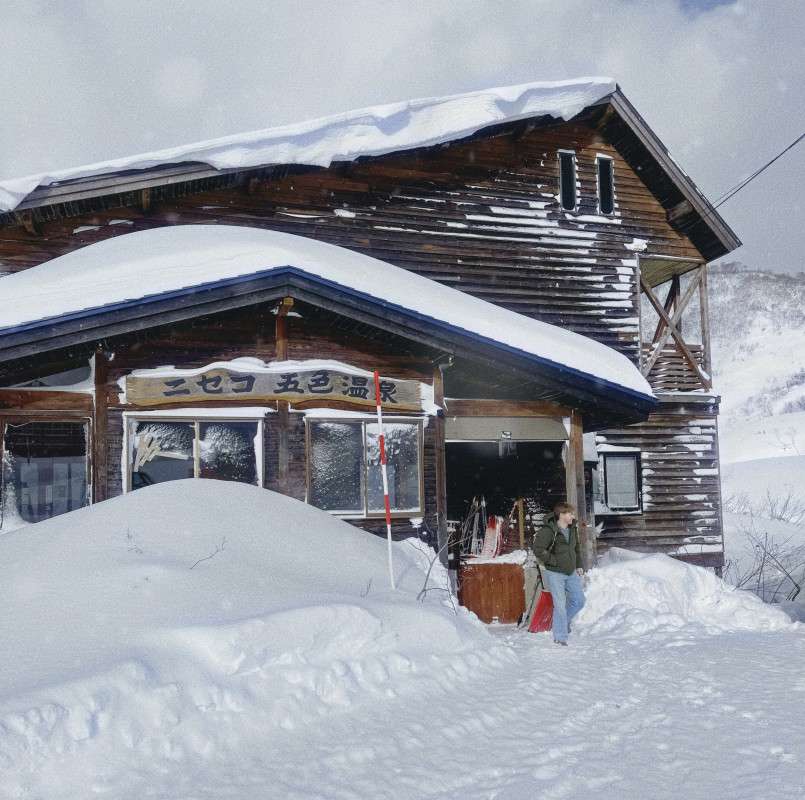
The facility has two separate bathing areas, each with both indoor and outdoor baths. We were the only ones there—kashikiri—despite it being the high season in Niseko. It was serene: just the sound of water and snow-covered mountains visible from the outdoor bath. The cold air against your face while the rest of you is submerged in hot spring water is a particular kind of pleasure of rotenburo.
Many Japanese media outlets describe Niseko as the easiest way to experience abroad without leaving Japan (even recommending it as a way to practice English), but the rustic, more grounded side of the area is still present.
The Question Japan Hasn’t Answered Yet
Niseko makes headlines for luxury hotels and sophisticated eateries with higher price tags than you would expect in a mountain town. I agree that the prices, especially in high season, are what you expect in Ginza or Hiroo in Tokyo. But Niseko’s growth as a luxury resort raises a larger point about Japan’s future of tourism.
Japan is experiencing rapid growth in its popularity as a travel destination, to the point where “going to Japan” has become almost a cliché on social media. Japan went from 4.8 million inbound visitors in 2000 to nearly 37 million in 2024. This, of course, causes issues like tourist traps, overcrowding, and so on. But whenever there is reporting on the issues this brings, certain voices insist Japan has no choice but to keep chasing volume, that it is dependent on tourism. But inbound tourism’s direct contribution to Japan’s GDP stood at 1.5% in 2025, below the UK’s 2.3%, Hong Kong’s 5.5%, according to UNWTO and IMF data. So clearly, “dependent” overstates the case considerably; however, tourism has contributed significantly to GDP growth in recent years.
*The economic effects of tourism are notoriously difficult to calculate, and figures vary widely depending on methodology and many include domestic tourism and transportation.
Part of what distinguishes this particular surge is the bucket-list pilgrimage of viral spots enabled by a weak yen, a type of visitor motivated less by Japan specifically than by Japan being temporarily affordable. Because for a long time, Japan was seen as an expensive destination, in a broader sense. Tokyo was rated by the Economist Intelligence Unit as the most expensive city in the world for 14 consecutive years ending in 2006. The slight niche as a destination meant that it, most often, only attracted more “seasoned” travelers.
Today, those who decided to come to Japan after TikTok videos of how affordable it is sometimes seem surprised to find Japan is not as inexpensive as some other destinations in Asia and are disappointed. Everything is relative, and the affordability as its allure is new, most likely temporary and never sustainable. So what is going to happen once Japan loses the popularity it has now? In other words, it might become niche again, and in that case, quality over quantity would be the solution, once again.
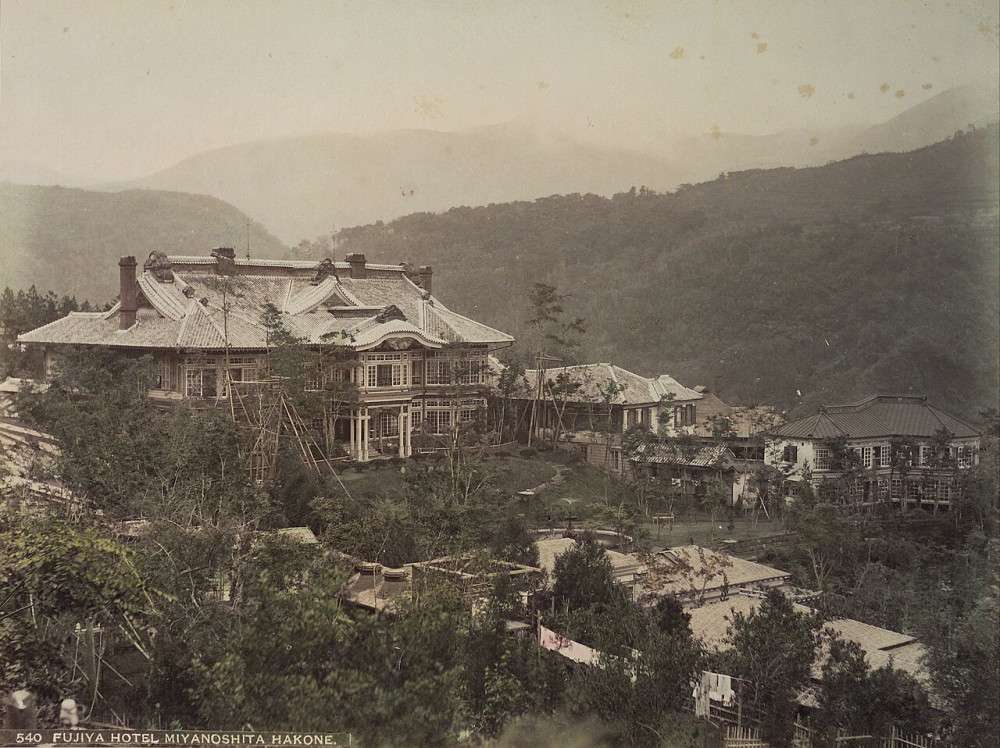
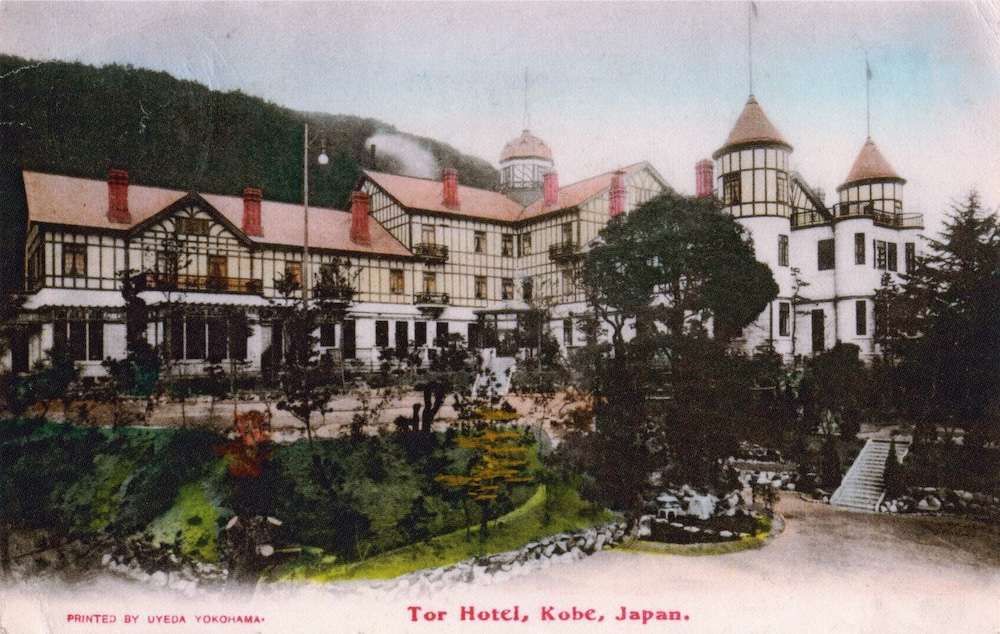
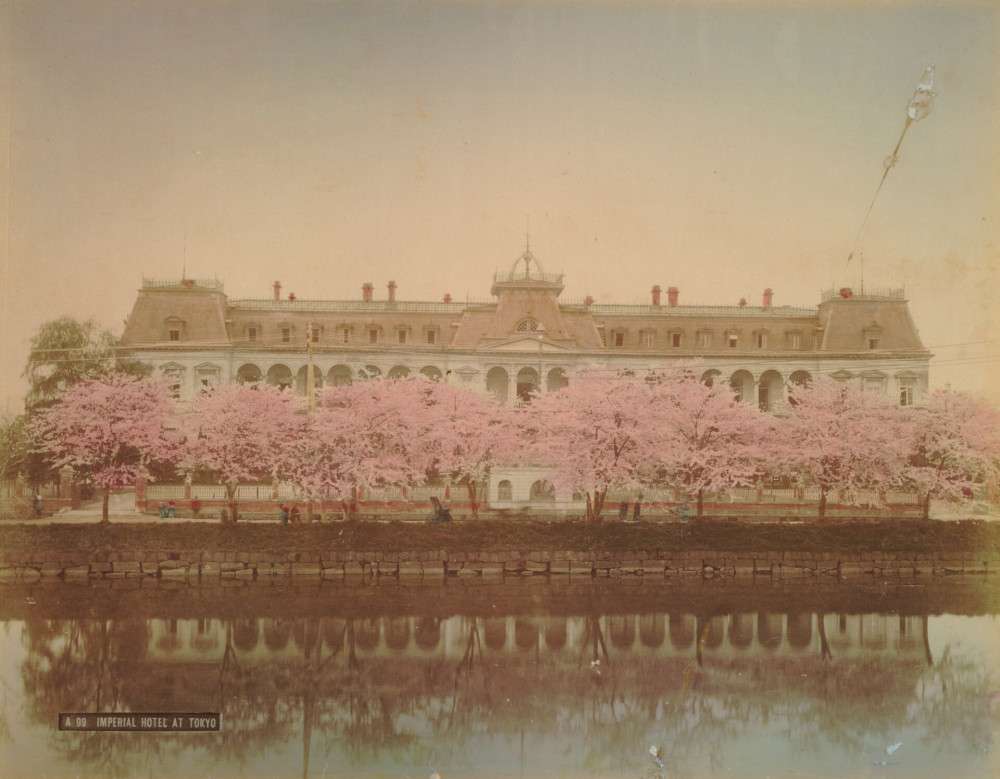
Many of the premium aspects of travel in Japan were built over a long time: the iconic ryokan along routes like the Nakasendo, some operating for three or four hundred years, have been attracting discerning international travelers for decades without ever competing on price. Kyoto was drawing ultrawealthy Western visitors before the Second World War. The Imperial Hotel has been a destination in its own right since 1890. Niseko stands out because it is a place where the development as a prestigious destination is ongoing, and its early development already had the influence of international tourism, unlike other major Japanese destinations.
Japan’s Tourism Agency has identified Hokkaido as a focus area for developing what it calls “luxury inbound tourist destinations,” a quality-over-quantity framing that is the right instinct, even if the bureaucratic execution remains questionable. Niseko, arguably the place that inspired the policy in the first place, is already progressing in that direction regardless, and may well be its most visible test.
Kutchan was among the first “rural” municipalities to introduce a lodging tax in 2019, with roughly half the revenue going to the local DMO for visitor infrastructure like free ski shuttles, and the rest to the town for public works like winter road heating. The kind of system long common in Europe and North America is a reminder that quality destinations require active maintenance.
On my way back, I saw construction for the planned Hokkaido Shinkansen that would connect Tokyo and Kutchan directly. With direct access coming in the near future and properties like Niseko Kyo and restaurants like Masonry continuing to emerge, Niseko is becoming an increasingly compelling case study in what Japanese luxury tourism outside the major cities can look like. Japan would do well to keep an eye on it.
–
The editor was a guest of the Luxe Nomad’s Niseko Kyo and Masonry Japan. This article was reported and written independently.
Related Articles
Interested in how Japan’s tourism industry is evolving?
“Micro-Tourism” Trend Puts the Spotlight on Chiba
Tokyo’s luxury hotel dining is worth knowing about. Read our review.
An Evening at Janu Tokyo: Grill, Bar and Lounge