
Inside the Restaurants at Grand Hyatt Tokyo
From superfood-fed wagyu to spring cocktails, here’s what happened when we dined our way through Grand Hyatt Tokyo
Roppongi has no shortage of dining options, but very few places let you travel across Japan, to enjoy everything from Tokyo-raised wagyu to Yamagata rice, without leaving the building. Metropolis set aside an evening at Grand Hyatt Tokyo to see how that promise holds up across four very different restaurants and bars. From the first course to the final pour, the through-line was clear: precise sourcing, regional partnerships and chefs who really love what they do.
Keyakizaka: Substance Over Showmanship
Teppanyaki often comes with expectations: flying shrimp tails, onion volcanoes, theatrical knife tricks. Keyakizaka leaves the performances to Benihana. What we get instead is substance: a friendly chef deeply focused on the craft, working across an immaculate counter with even more immaculate results.
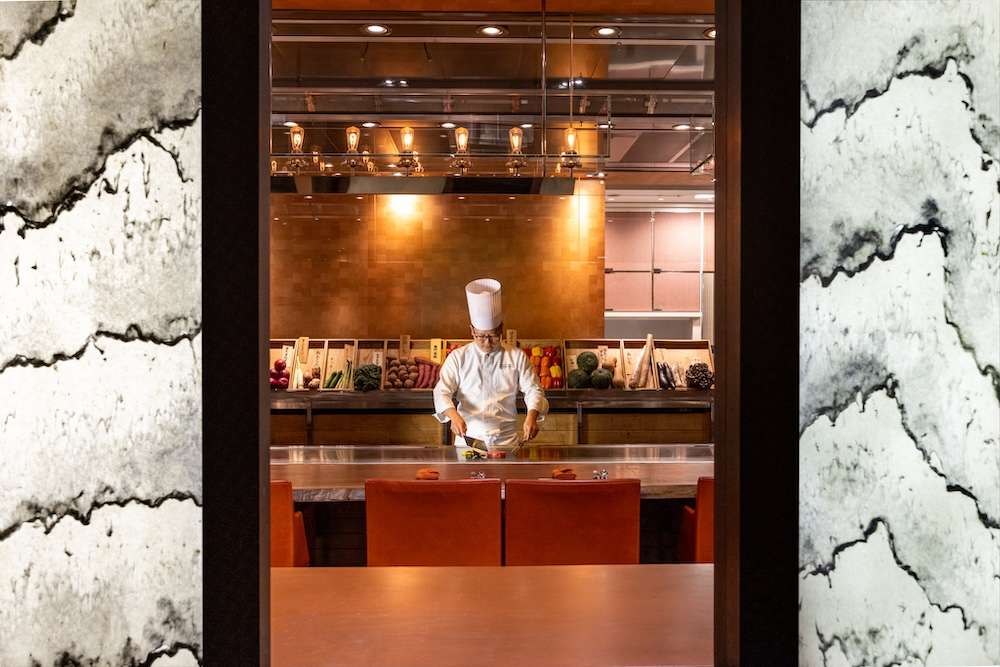
The centerpiece is Keyakizaka Beef, an original premium wagyu developed exclusively for the restaurant. This Kuroge wagyu comes from Akikawa’s Takeuchi Farm, the only wagyu farm in Tokyo. The cattle are fed a superfood blend straight out of an LA mom’s cupboard: quinoa, seaweed, cacao and blueberries. The simple idea is: if superfoods are good for us, they’re good for cows. The chef and his team visit the farm every month to oversee the process firsthand.
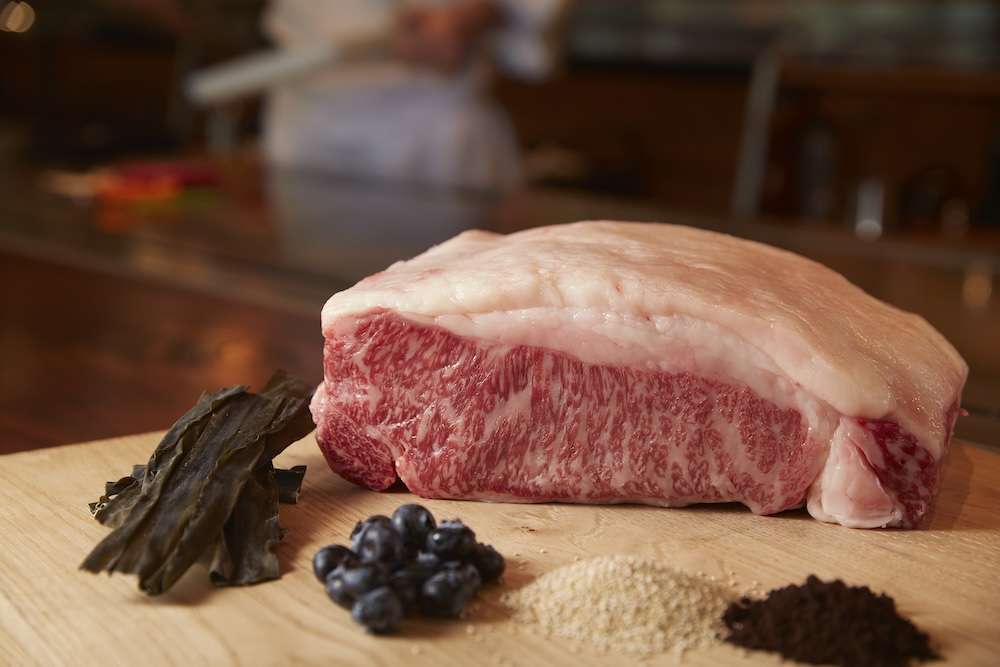
Only four to five cattle a month qualify as Keyakizaka Beef, all graded A4 or A5. The result is wagyu with the expected buttery depth, but a clarity that doesn’t overwhelm. The surrounding vegetables shift with the seasons, subtly changing the experience each time.
Keyakizaka Teppanyaki Official Website
Shunbou: Rice as a Community Collaboration
At Shunbou, the pace slows. The focus here is kaiseki, a delicate, seasonal course
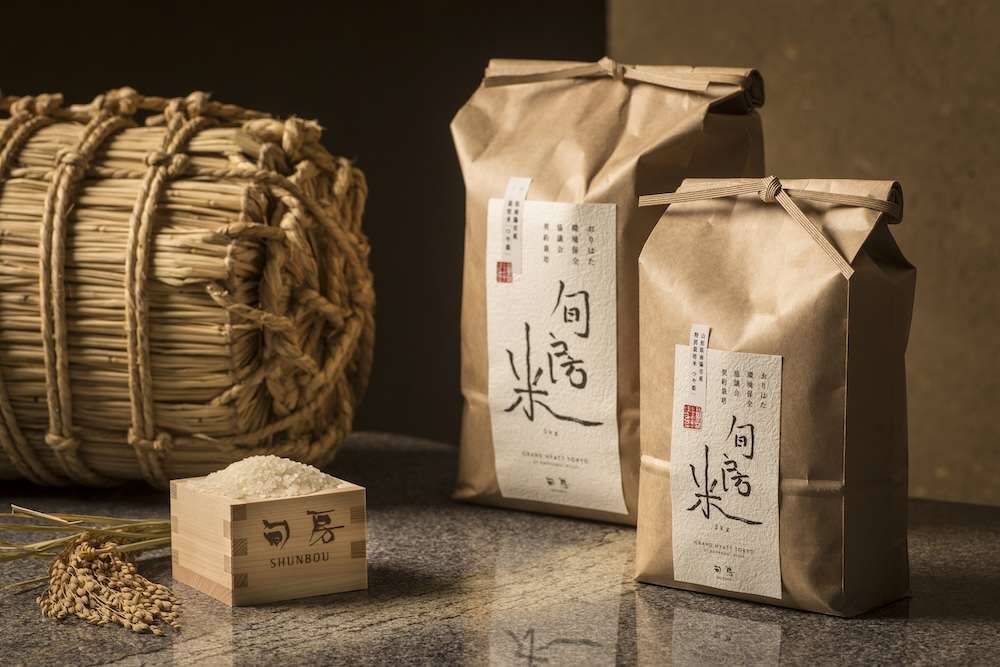
menu with rice at the center of it all. Shunbou-mai is developed exclusively for Shunbou in partnership with producers in Yamagata Prefecture. It’s based on tsuya-hime and consistently scores 80 or higher on Japan’s taste scale, whereas most rice lands between 65 and 75.
The rice arrives in a traditional iron kama placed directly on the table and when the lid is lifted, steam rises slowly to reveal grains that look almost polished. Each bite is glossy, slightly sweet and distinctly structured.
There’s also small-batch sake made from the same rice; a taste of quiet dialogue between the glass and the bowl. The rest of the meal stays rooted in seasonality: assorted sashimi featuring market-fresh fish of the day, wagyu sukiyaki served in a ceramic bowl, and kaiseki courses that balance flavor, texture, color and presentation with deliberate care.
Maduro: Spring, Reimagined in a Glass
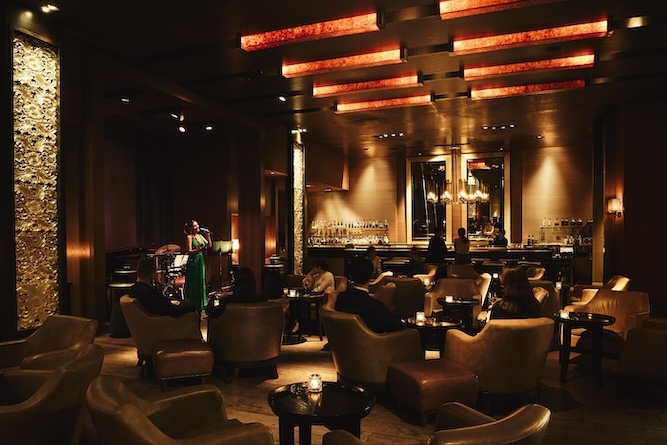
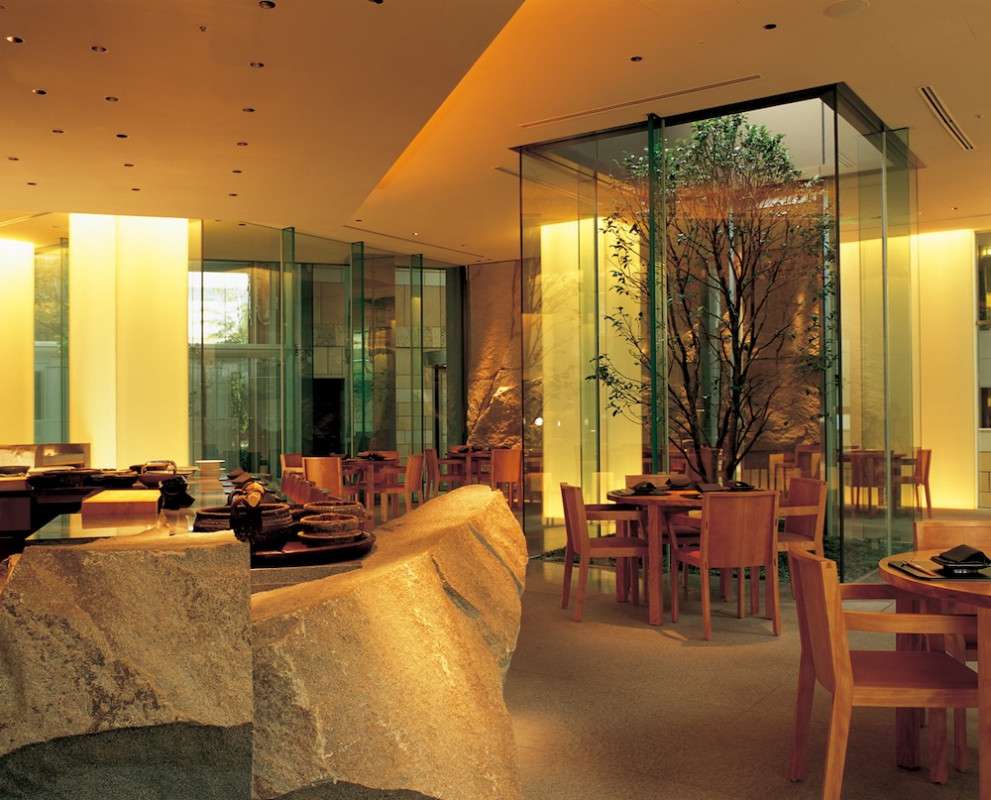
Maduro has always been the hotel’s late-night pulse where live jazz meets low lighting and polished wood. This spring, the cocktail program leans into low-waste techniques and seasonal references to Japan.
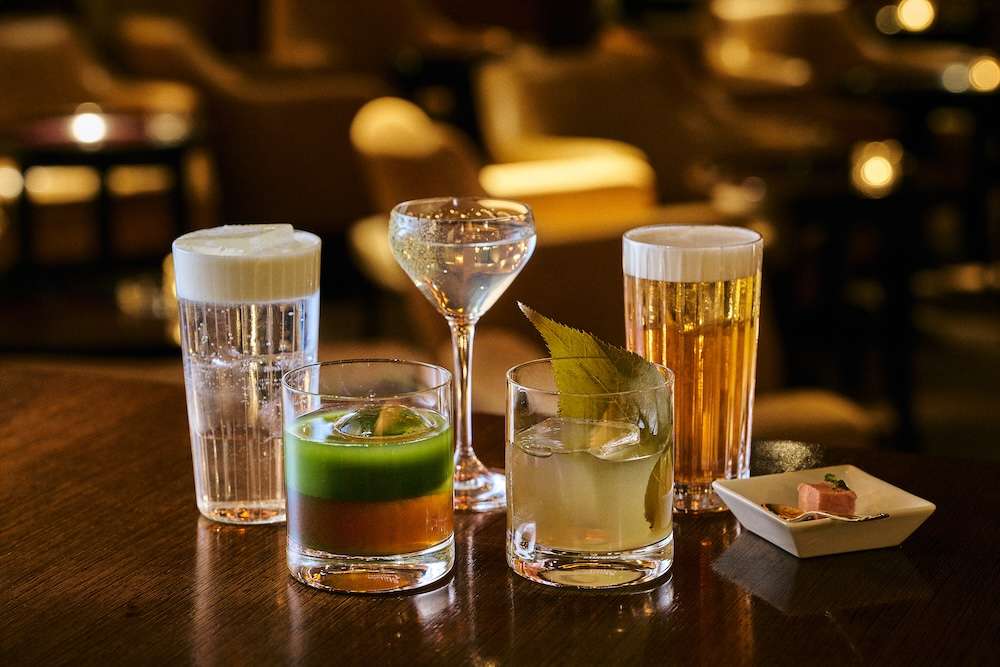
Highlights include the “Soshun Martini,” a blend of Japanese gin, junmai daiginjo sake and Cocchi Americano, finished with a sansho spray and kombu-lemon mineral salt, the soft grain notes hint at warmer weather. “Clearly, Strawberry” transforms Denki Bran into a clarified milk punch, served alongside a strawberry sorbet made from ingredients that would normally be discarded. The effect is clean and contemporary, but sustainable.
The Oak Door: A Culinary Tour of Japan
The Oak Door’s new “Tour of Japan” menu reads like an edible map, from Shizuoka tomatoes and Fuji-san salmon to stracciatella from Shibuya Cheese Stand. The main course centers on Kagamiyama Kyushu aged beef from Miyazaki Prefecture, finished with Japanese pepper leaves.
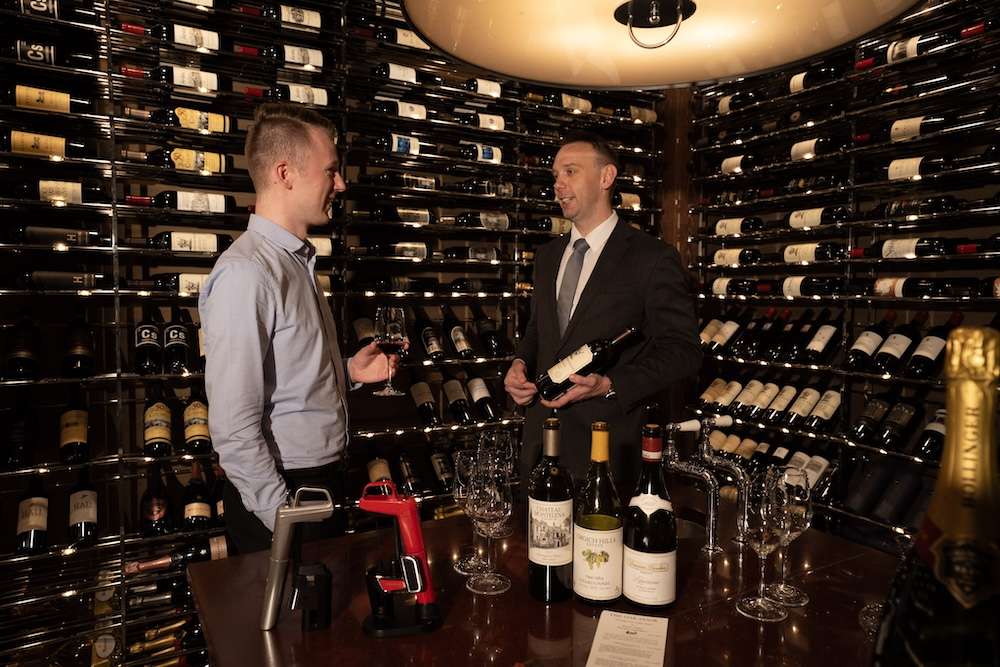
For those who want to go further, “Through the Cellar Door” replaces the usual wine list with something far more immersive. Guests step into the cellar itself, where sommelier Steven Hagan guides them through a curated New World selection. The experience includes a wine tasting from Hagan’s monthly lineup, designed to highlight different regions, grapes or seasonal themes. The informal, conversational approach turns a sometimes overwhelming decision at the table into a moment of discovery. Through the Cellar Door is available to hotel guests or diners at Grand Hyatt Tokyo’s sixth-floor restaurants.
After the Last Course
Stepping back into Roppongi at the end of the evening, the city feels louder and brighter than it did on arrival (and it’s not just from the sommelier’s pristine wine recommendation).
What makes Grand Hyatt Tokyo’s restaurants compelling isn’t the luxury alone, but the way each venue anchors itself in Japanese producers. Together they offer a rare breadth of seasonal ingredients shaped by chefs who continually refine and reinterpret regional flavors, from superfood-fed Tokyo wagyu to Yamagata rice and sakura-infused cocktails.
An evening at one of these restaurants reminds you why Tokyo remains one of the world’s most dynamic dining cities—and why sometimes, the best way to travel Japan is simply to book a table.