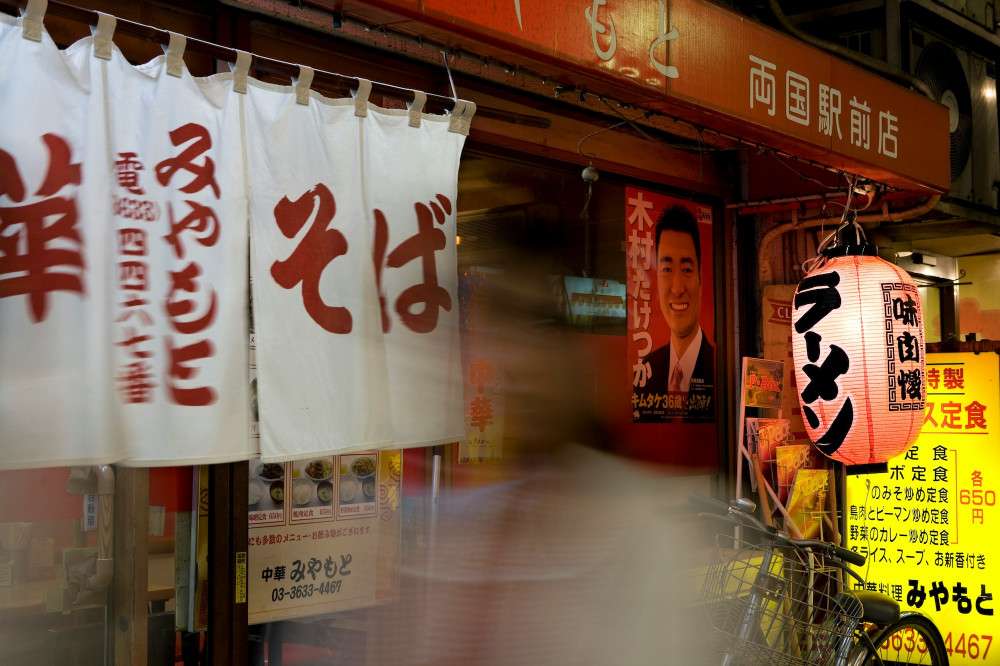
Tokyo Neighborhood Guide: Ryogoku
Our favorite things to do and places to eat in Tokyo's official sumo town
Ryogoku is one of Tokyo’s most distinctive neighbourhoods—equal parts living history, sumo heartland and hidden food destination. Whether you’re visiting for a tournament at the Kokugikan or just passing through, there’s more than enough here to fill a full day. Here’s how to make the most of it.
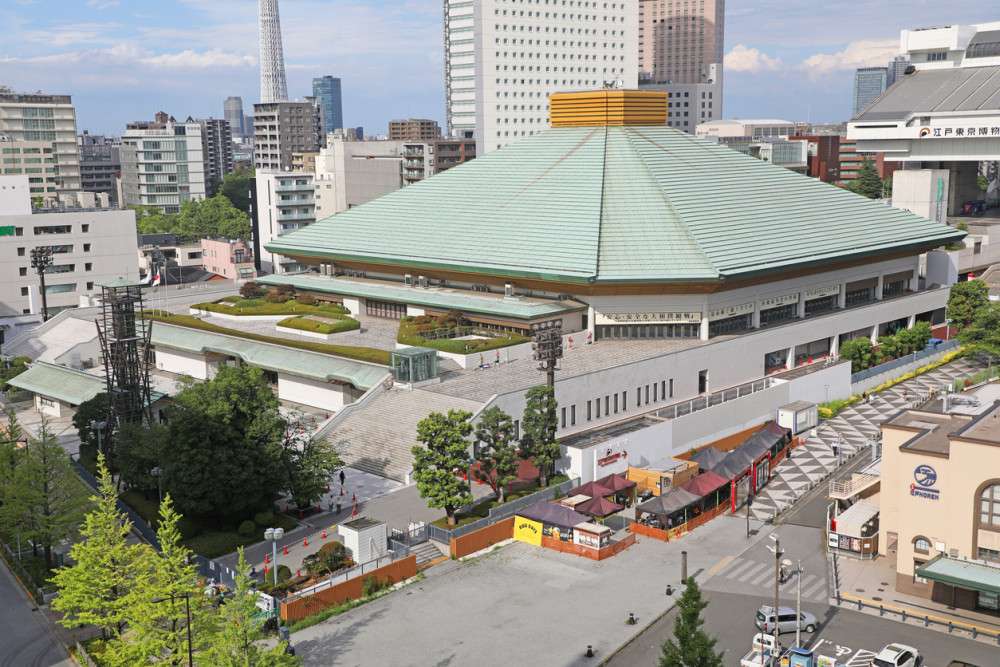
Things to Do in Ryogoku
Edo-Tokyo Museum (Just Reopened March 2026)
After a four-year closure for major renovations, one of Tokyo’s great museums reopened on March 31, 2026, with more interactive exhibits and immersive storytelling. The museum traces 400 years of the city’s history, from the Edo period through to the modern day, and the renovations have added significantly to the experience—a full-scale reconstruction of the historic Hattori Clock Shop, expanded Edo streetscape with new stall displays, and ceiling projections that shift between imagery of old Edo and contemporary Tokyo. The Nakamuraza Kabuki theatre model has also been enhanced so visitors can now step inside and explore. Allow at least two hours.
Learn more about the museum: Edo-Tokyo Museum
Sumida Hokusai Museum
A short walk from the stadium, this sleek museum is dedicated to Katsushika Hokusai, the Edo Period’s most celebrated ukiyo-e woodblock artist, who lived his entire life in this corner of the city. The permanent collection and rotating exhibitions are beautifully presented and easy to navigate even without much prior knowledge of the genre.
Website: hokusai-museum.jp
Kyu Yasuda Garden
A tranquil traditional Japanese garden once belonging to the Kasama domain estate. Wander the stone paths, watch koi move through the pond, and catch views of Tokyo Skytree framed between the trees. Small, peaceful and completely free — a perfect interlude between bouts.
Website: city.sumida.lg.jp
Yokoamicho Park
A little further from the station, this park is anchored by a memorial hall dedicated to victims of the 1923 Great Kanto Earthquake and the WWII air raids that devastated the city. Sober and moving, it’s a worthwhile stop for those with an interest in Tokyo’s modern history.
Website: tokyoireikyoukai.or.jp
Sumida River Walk
The broad walkway along the Sumidagawa is lined with historical paintings and plaques—a pleasant stroll between sights, especially in May when the riverside comes alive. For a different perspective entirely, catch the Tokyo Mizube Cruising Line from Ryogoku Pier for an hour-long river cruise taking in the skyline, Rainbow Bridge and the approach to Asakusa.
Website: gotokyo.org/jp/spot/1795/index.html
Edo-Yu Ryogoku
An elegant bathhouse with multiple indoor and outdoor pools, sauna, spa treatments and restaurants. A natural stop after a full day on foot.
Places to Eat
Chanko Kawasaki
The oldest chanko nabe restaurant in Ryogoku—over 80 years and still going. The traditional wooden building alone sets the tone: this is the real deal. Chanko nabe, the protein-packed wrestler’s hotpot, is hearty, warming and made with the kind of care that only comes from decades of repetition. Book ahead during tournament season.
IG: @chankawa2529
Ryogoku Edo Noren
Housed in the former Ryogoku Station building right next to the west exit, this dining and entertainment complex brings the atmosphere of old Tokyo to life alongside a dozen eateries serving some of the city’s most distinctive and historically significant foods. At its centre sits a full-sized sumo ring—not for matches, but spectacular as a photo spot and conversation starter. Pick up a free map and tourist information from the desk on the ground floor.
Website: jrtk.jp/edonoren
Ulaan Baatar
Ryogoku’s long history of welcoming Mongolian sumo wrestlers has left its mark on the neighborhood’s food scene. This Mongolian restaurant, run by a former wrestler, is the most direct expression of that connection. Order the houshour, the signature dish, a crispy fried parcel of seasoned meat that is well worth the trip alone.
Paper Moon
A retro bar with old Americana vibes, friendly staff and a menu that surprises, think Hawaiian-inspired noodles and other offbeat recipes. The master is laid-back and welcoming, making it an easy place to linger.
Wool Club
A café run by a wool company, which makes more sense once you learn that this part of Ryogoku has long been associated with the knit industry. Come for the omurice, which has become something of a signature.
Bonds House
A laid-back restaurant serving reimagined Western dishes with koji at the heart of the menu. The terrace is the main draw—heated kotatsu tables in winter, open-air in summer.
Kaeru Honpo
An old-school dagashi-ya style monja-yaki bar that rewards those who seek it out. The highballs are excellent, the regulars are good company, and the owner, who speaks some English, runs the place with a warmth that keeps people coming back. The house rule: at least try a greeting in Japanese.
Beer Club Popeye
Beer aficionados, turn down the side street. Popeye opened in 1985 and has grown to 100 taps, offering a wide selection of craft beers from all over Japan—one of the most impressive selections in the country. The staff is deeply knowledgeable, happy hour runs from 3pm to 8pm, and the 10-beer tasting flight is a brilliant way to work your way around the menu.
Website: 70beersontap.com
Getting Your Bearings
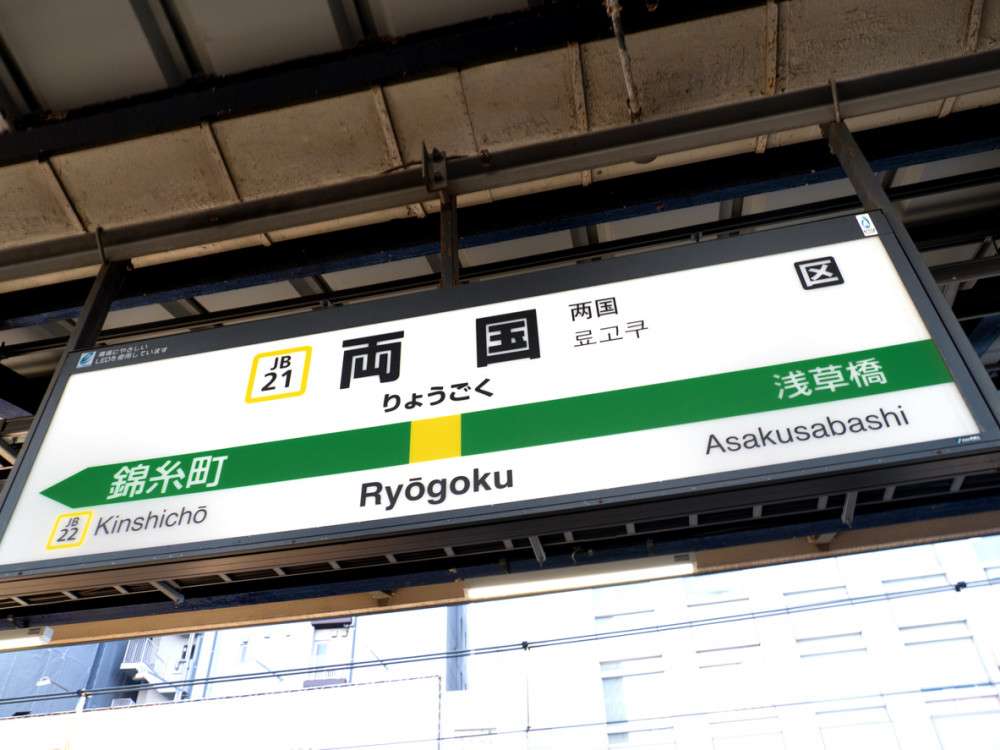
Ryogoku sits on the east bank of the Sumida River, a short ride from Akihabara or Asakusa on the JR Sobu Line. The neighborhood is compact and highly walkable—most attractions cluster within a 15-minute radius of Ryogoku Station.
For those visiting during a sumo tournament (January, May or September), tournaments run from 8:35am to around 6pm. Ticket holders are allowed to leave and re-enter the arena once, so it’s entirely possible to weave sightseeing around the matches. Plan to head back inside around 2:30pm for the top-division bouts.
Everything you need to know about attending the sumo: read our complete Tokyo sumo guide.
Practical Tips On Visiting Ryogoku
- Getting there: JR Sobu Line or Toei Oedo Line to Ryogoku Station
- Time needed: A full day, especially on tournament days
- Tournament days: Book restaurant reservations in advance—Ryogoku fills up fast when sumo is in town
- Wi-Fi: Free Wi-Fi is available from the tourist information desk inside Ryogoku Edo Noren
Planning your full day? Read our guides to the Grand Sumo Tournament Tokyo 2026 and Getting Tickets for the Sumo Tournament in 2026 for everything else you need.