December 5, 2025
What Is Oshikatsu? How Japan’s Fandom Culture Is Redefining Connection and Self-Care
From itabags to plushies, discover how Japanese youth are finding comfort in their faves
By Kate Lehane
Late nights scrolling through Mercari, I prayed for the off chance I had missed a listing or two. I spent hours methodically thumbing through racks of badges and buttons at used merch stores, checking each relevant section with tactical precision. I was determined to create the perfect display, a visual representation of my devotion and admiration.
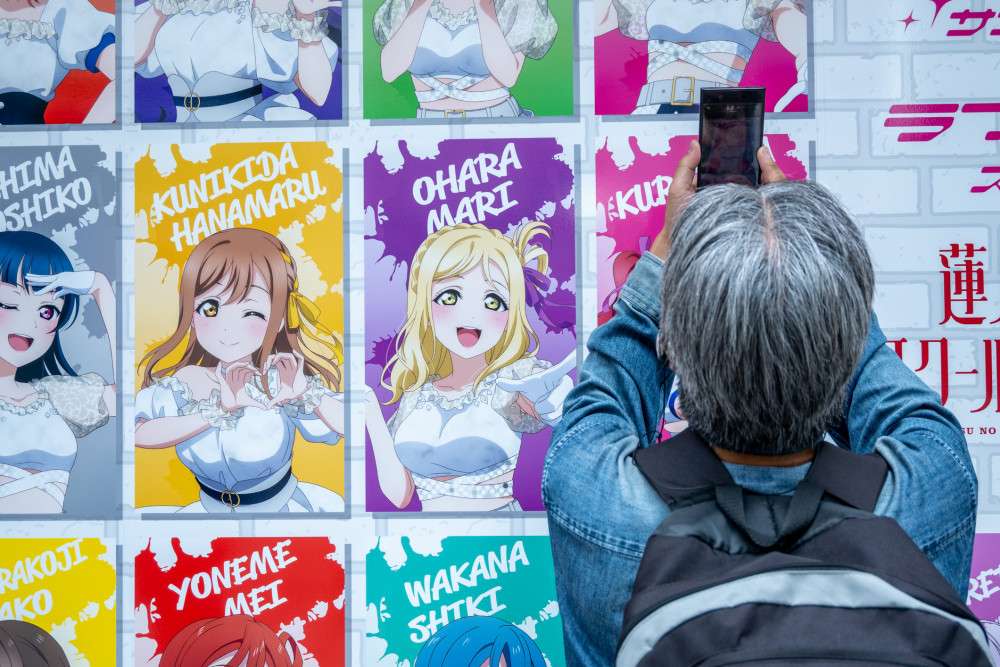
From the outside, this level of dedication might seem excessive. All this effort for a fictional character, or an idol who will never know your name? But for myself and many young otaku, this isn’t about obsession—it’s about connection. In a time when real-world relationships can feel fragile or fleeting, oshikatsu—literally “oshi activities,” or the act of supporting one’s favorite—has become a form of self-care and identity-building.
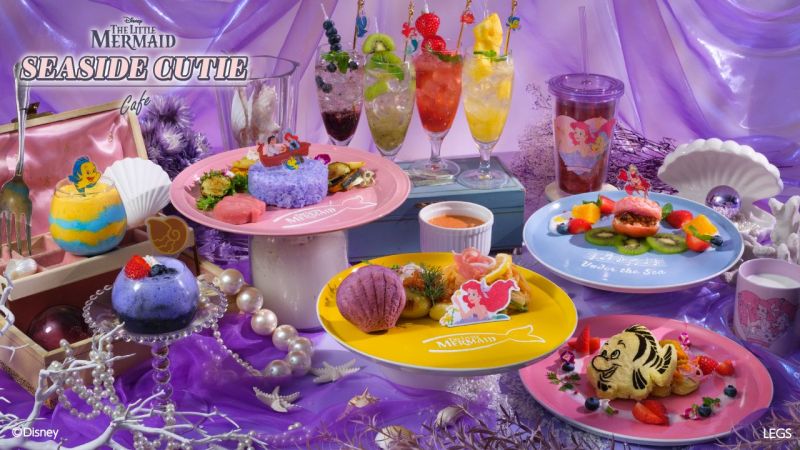
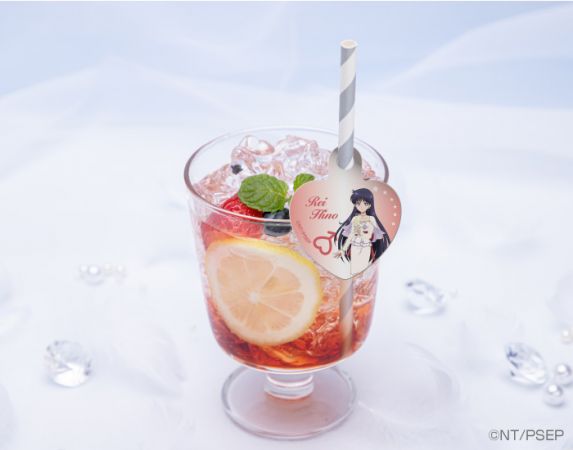
What started as a niche fandom practice has evolved into an emotional and economic force, blurring the line between consumption and comfort. From itabags lined with badges to themed cafés and “oshi weddings,” oshikatsu represents a new kind of love, one built on devotion, ritual and the quiet reassurance that someone (or something) is always worth rooting for.

The Origins and Evolution of Oshikatsu
Born from the idol boom of the 1980s and later popularized by the online forum 2channel, the term “oshi” referred to one’s favorite member of an idol group, particularly AKB48. The all-girls group revolutionized the idol industry, with their focus on interactive idols. Rather than the well-manicured image and unattainable status of previous idols, AKB48 was founded on the premise of “meeting real idols.” They sold intimacy and exclusivity with meet-and-greet events, and rallied fans to vote for their favorite idols by buying more copies of their CDs.
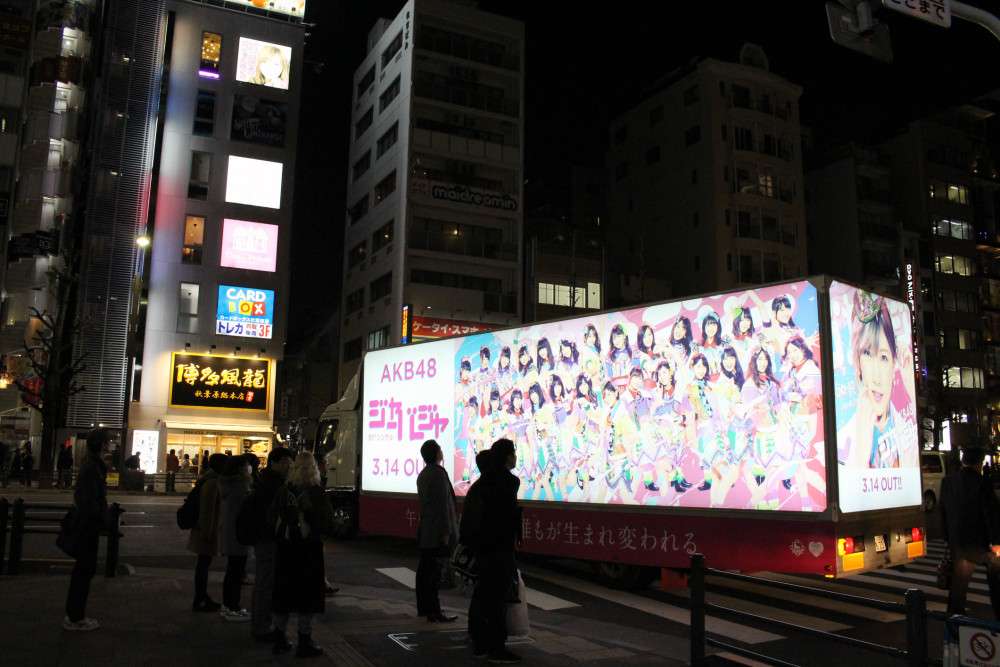
To call AKB48’s impact on not just the idol industry, but the entertainment industry at large a social phenomenon would be underselling just how drastically they changed the market. Instead of being passive observers, fans transformed to active participants, often working together to uplift the career of their favorite member.
This fan-active approach has crossed overseas, where meet and greets are now expected of idols all across the world. Today, it goes far beyond AKB48 and even idols. Oshi has evolved to describe any character, celebrity or even virtual personality someone feels deeply connected to.
Badges and Bags: The Visible Side of Devotion
After hours of painstakingly arranging and rearranging the display of badges, I finally settled on a layout and slid the sheet of badges into the plastic display. After all the sewing, stitching and searching was over, my itabag was complete.
The itabag—composed of the words for pain and bag–is a staple of oshikatsu. The name alludes to the painful nature of being so extravagant and earnest as to dedicate an entire bag to someone. An illustration of one’s dedication, they typically feature rows of the same or similar pin badges used as display pieces—true form over function.
Hunting down duplicates of the same badge may seem easy enough on the surface, but when you remember that most character goods in Japan come in randomized sets, you begin to realize the significant investment these bags can become. The process is both emotional and financial—an act of commitment as much as collection.
Emotional and Financial Investment
A 2024 study by Professor Masayuki Miyata of the Tokyo University of Health Sciences found that oshikatsu participants spent an average of 37% of their disposable income on goods and services related to their oshi and devoted nearly 40% of their free time to oshikatsu—almost half of their free time.
But behind those numbers are stories of people finding purpose in small, consistent acts of care.
When I’m tired after a long day, I know my oshi will be there waiting for me. When I’m far from home, all I have to do is flip over my phone to see her photocard tucked inside the case. Sometimes that tiny reminder is all it takes to keep me going. And I know I’m not alone in this.
In Miyata’s study, 70% of youths in Tokyo who rated their daily happiness as 8/10 or higher had at least one oshi. He speculated that oshikatsu helps to cultivate meaning and purpose in those who engage with it, a form of self-care built around surrounding oneself with little things that spark joy, whether an itabag or a simple phone wallpaper.
Economically, too, the trend is hard to ignore. In many cases, support for your oshi comes down to how much you can spend on them, whether it’s concert tickets, CDs or even in-game cosmetics for the characters; there are heaps of merchandise. Fans spend an estimated ¥250,000 a year on their oshi, contributing roughly ¥3.5 trillion annually to Japan’s GDP.
Economists have even speculated that oshikatsu could be a driving force in boosting domestic spending and exporting Japanese pop culture worldwide.
For fans, though, these expenses are less about consumerism and more about connection. After all, when your oshi brings you happiness and comfort, why shouldn’t you give back in any way you can?
But What Makes It So Special?
I’ve always admired ornately decorated itabags, outfits coordinated in an oshi’s signature colors and afternoon tea displays created in their honor. But to find a character you connect with enough to dedicate so much to? Now that’s the hard part.
Asking what makes someone’s oshi special is like asking why they love their favorite food or person. For some, it’s admiration. For others, comfort, nostalgia or a sense of being understood. These attachments reveal as much about the fan as they do about the oshi itself.
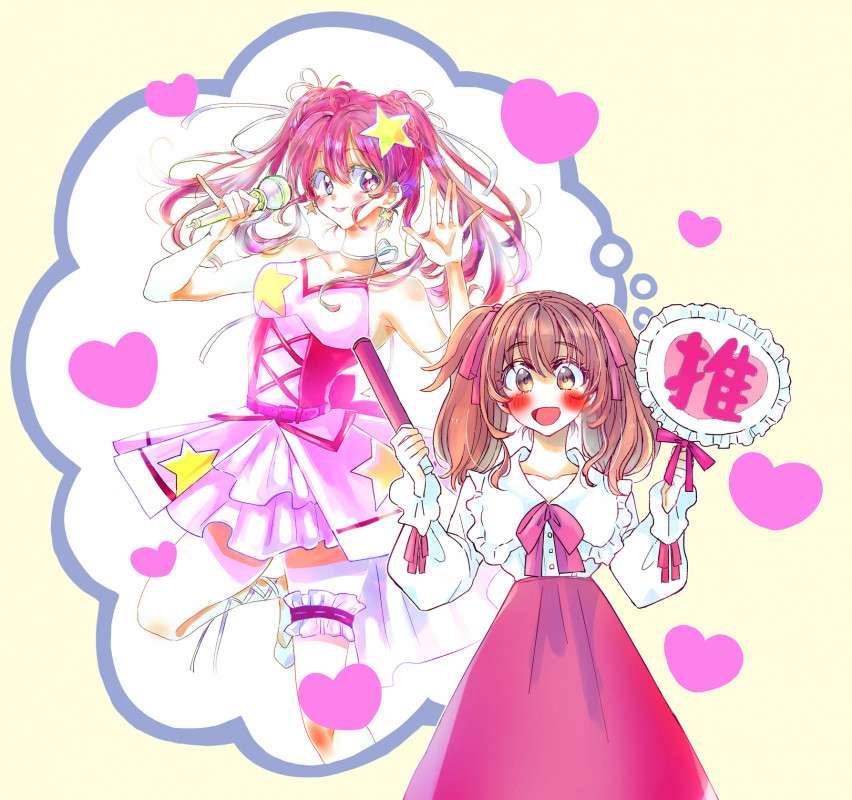
While grandiose displays generate the most social media buzz, the everyday reality of oshikatsu is quieter—a private kind of love that might not extend beyond the walls of home. No one starts out planning to build an itabag, just like no one plans who they’ll love for life. And while this juxtaposition might sound dramatic, it isn’t far from reality—some wedding venues have begun to offer “oshi wedding ceremonies,” where fans can marry their favorite character—unofficially, of course.
It’s devotion, imagination and longing all woven together—the emotional center of oshikatsu.
Loneliness and Oshikatsu
It’s easy to dismiss this kind of devotion as obsession, but oshikatsu is less about fanaticism and more about finding stability in an unstable world. In a time when genuine connection feels harder to maintain, your oshi becomes a quiet source of reassurance: someone to root for, someone who never rejects you.
Despite being more digitally connected than ever, finding and maintaining deep and meaningful bonds is especially difficult for younger generations. Rejection, bullying and ostracization are ever-present threats, especially for those already marginalized for otaku interests. In a 2023 survey, 40% of respondents in Japan said they felt lonely “sometimes” or “frequently.” It’s not just Otaku who feel the impact of our increasingly isolated society.
Oshikatsu offers an emotional refuge—a space where affection is safe, consistent and uncomplicated. The simple presence of an oshi’s badge, photocard or plush can remind someone that they are not alone, even on difficult days.
So, my itabag accompanies me just about everywhere. My oshi’s plush sits beside me at cafés and joins me for karaoke. It’s not about showing off devotion; it’s about carrying a reminder of joy. For many, oshikatsu isn’t an escape from reality, but a way to make the everyday a little easier to bear.