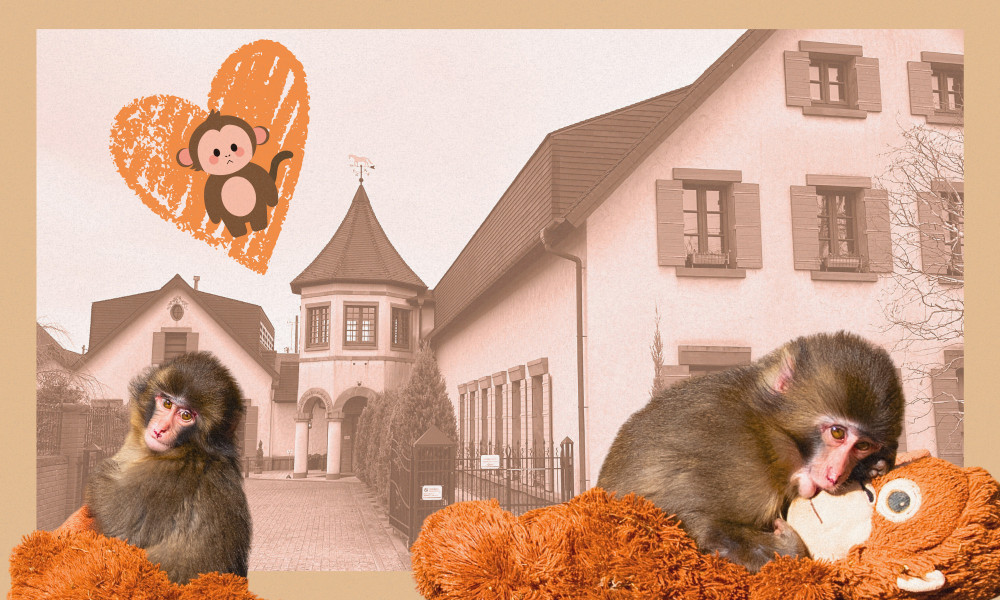
Visiting Punch the Monkey’s Hometown: Ichikawa
Greater Tokyo's unexpected spotlight, courtesy of one baby monkey.
By now, most of the internet has met Punch the Monkey. The Japanese macaque was born at Ichikawa City Zoo, spent his infancy in the hands of zookeepers after being abandoned by his mother, was reintroduced to his troop, and then went viral. Algorithms are a random thing, but no one can be mad looking at a baby monkey holding on to his IKEA orangutan plushie for dear life.
For most viewers, the location registered vaguely, if at all. A zoo in Tokyo, some said. Just outside Tokyo, said others. Japan, said the rest.
The zoo is in Ichikawa, Chiba. And Ichikawa is worth knowing.
Where Is Punch? What to Know Before Visiting Ichikawa Zoo
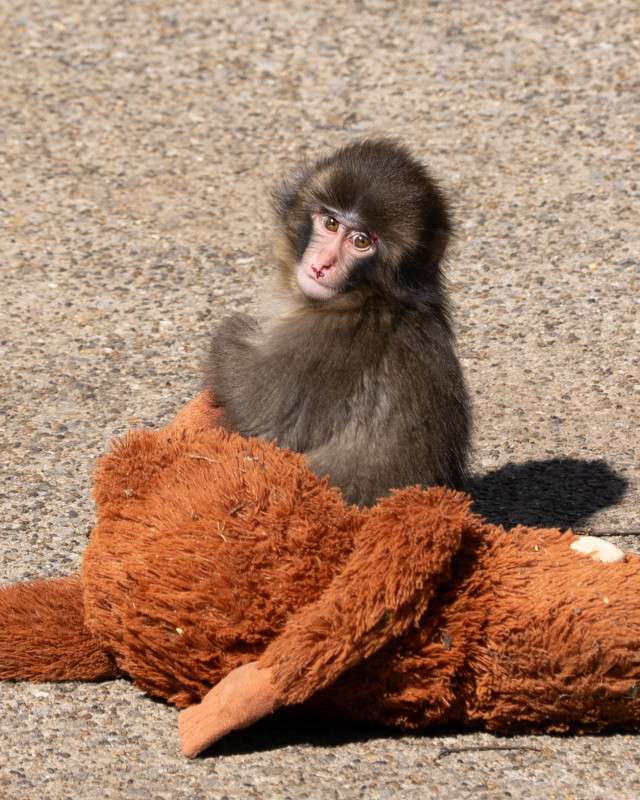
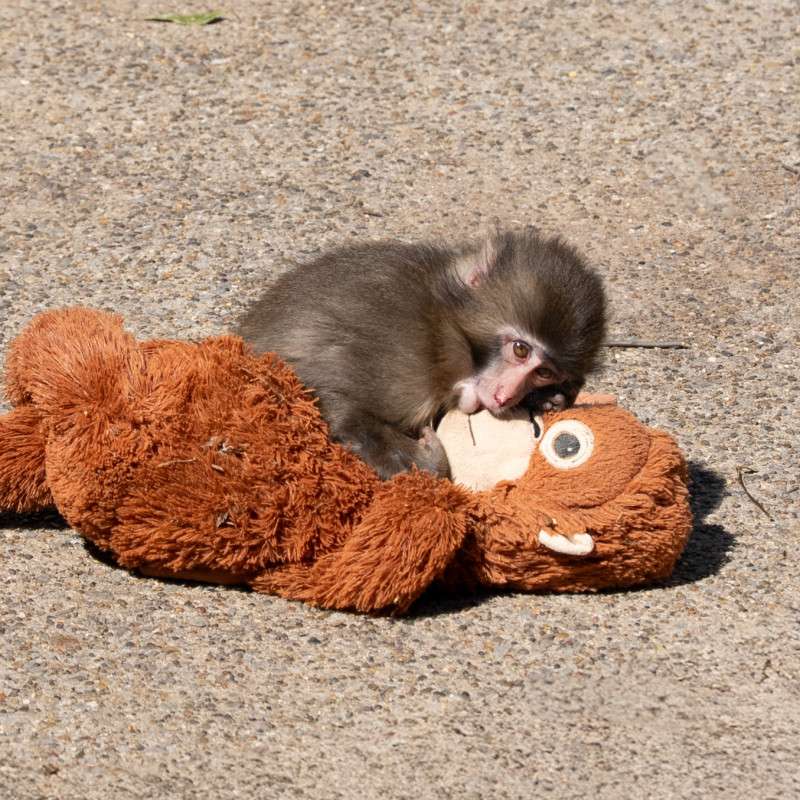
Punch the Monkey lives at Ichikawa City Zoo and Botanical Garden in Omachi, in the north of the city. Admission is ¥440 for adults and ¥110 for children. The zoo is open 9:30am to 4pm, with last entry at 4pm, and is closed on Mondays. Monkey Mountain is easy to find from the entrance with no map needed. The zoo sits within Omachi Park, which also includes a botanical garden, nature museum, rose garden and planetarium. The botanical garden is free to enter.
How to Visit Punch the Monkey
The closest station is Omachi on the Hokuso Line. From central Tokyo, Hokuso Line services connect via Keisei Takasago to Ueno on the Keisei Main Line, and via the Asakusa Line through-service to Nihombashi, Higashi-Ginza and beyond. Omachi Station is also directly connected to Haneda Airport via Hokuso-Keisei-Asakusa-Keikyu through services, with no transfer required.
From Tokyo Station, the Musashino Line runs directly to Ichikawa-Ono Station, from where the zoo is reachable by bus, taxi or on foot. Motoyawata Station (JR Sobu Line / Toei Shinjuku Line) is better connected to areas like Shinjuku and Akihabara, and has direct bus services to the zoo.
Buses depart from the north exit:
- 5 (bound for Doshokubutsuen), alight at the last stop
- 14 (bound for Ichikawa Eigyosh)o, alight at Onomachi 4-chome, then a 10-minute walk
- 32 or 33 (bound for Omachi Station or Ichikawa Eigyosho via Omachi Station), alight at Komagata, then a 15-minute walk
Many of the restaurants and cafes listed below are in the central area around Ichikawa and Motoyawata stations, south of the zoo. On the way back, the bus routes pass through these areas, giving you more dining options and better train connections back to Tokyo.
Through-service trains can be confusing as you need to board the specific service that runs all the way through. Check Google Maps or Yahoo Transit for the best route, and do not hesitate to ask station staff.
*A Note Before You Visit
Ichikawa Zoo has been receiving a significant volume of threatening calls and letters from abroad since Punch went viral, to the point where staff are spending time managing harassment instead of caring for the animals.
The interactions that distressed so many viewers are not what they appear. Japanese macaques live in strictly matrilineal hierarchies, and aggression from dominant members toward newcomers is how those hierarchies are maintained. Many criticized the zoo for not intervening or moving Punch to a separate enclosure, unaware that zookeepers raised orphaned Punch in isolation from birth, providing one-on-one care, until the clip went viral. The decision to reintroduce him to the troop was deliberate and informed by expert advice. Prolonged separation would have made integration impossible, leaving him alone for life. More recent footage shows Punch being groomed by other monkeys and taking cues from adults, which primatologists read as meaningful progress.
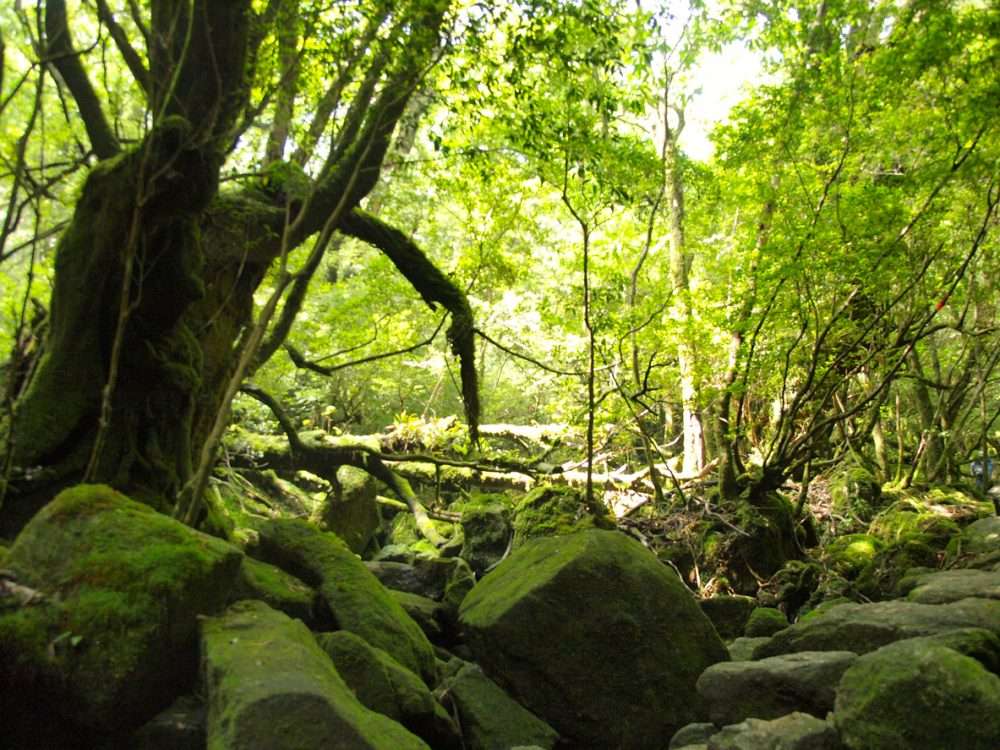
The zoo’s rocky enclosure has drawn criticism from viewers who assumed Japanese macaques always live in a lush jungle. Japanese macaques are the northernmost non-human primates in the world, thriving across an unusually wide range of environments, from subtropical southern forests to rocky coastlines and steep cliff faces. The iconic “snow monkeys” of Jigokudani live on volcanic rock with minimal vegetation. What visitors also cannot see from outside the enclosure are four back-room spaces open to the monkeys around the clock. Ichikawa Zoo has stated they are always working to improve conditions and they hope the renewed attention will bring more visitors and more funding. Sadly, many brands joining the viral moment with memes and ads, including IKEA beyond its plushie donation, are not contributing financially to the zoo or to Punch’s care.
A guide to Ichikawa, Punch’s Hometown
Just 20 minutes from Tokyo Station on the Sobu Yokosuka Line, Ichikawa is a city many have never heard of, until the viral monkey. Ichikawa sits at the northwestern edge of Chiba Prefecture, separated from Tokyo proper by the Edogawa River. The city is often seen as an affluent residential suburb thanks to its easy access to central Tokyo and its historical prestige. While not a typical tourist destination, it offers a glimpse of a quieter side of Greater Tokyo life.
What to Do in Ichikawa, Chiba
Punch brought you here, so what else is there?
・Tekona Shrine and Guhoji Temple
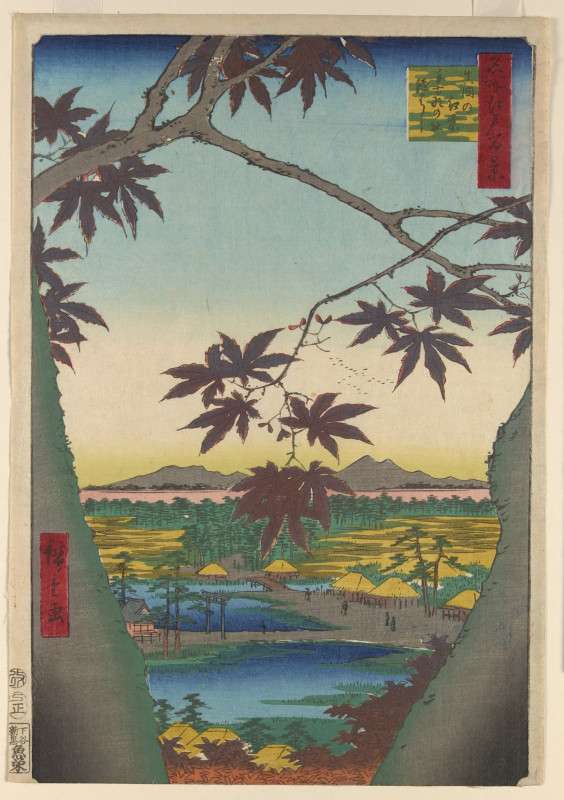
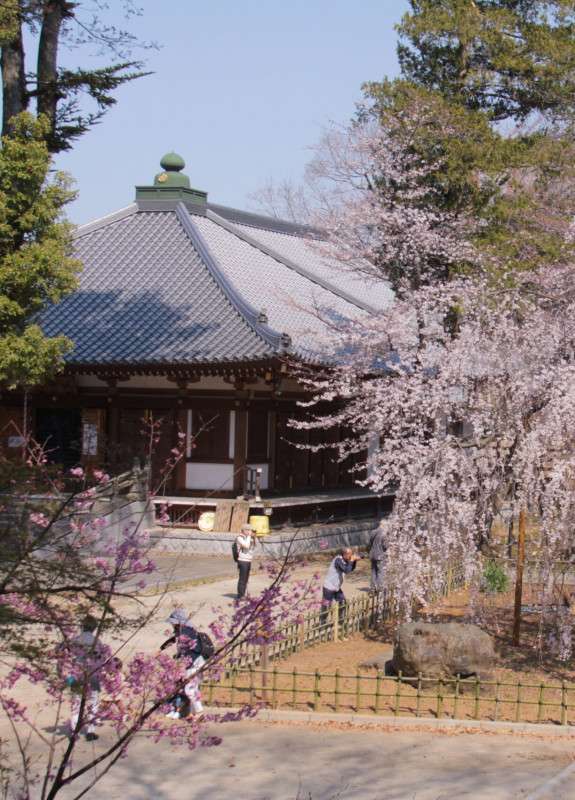
The city’s long history has produced its share of folk stories, haunted spots and local legend. According to one, a woman of extraordinary beauty named Tekona lived in the district of Mama, harassed by suitors from across the region until she drowned herself in despair. The story spread to the capital (Kyoto) and found its way into the Man’yoshu. In 737, the monk Gyoki built Guhoji Temple to console her spirit. Centuries later, in 1501, she appeared in the dreams of the temple’s head priest and a shrine, Tekona Reijindo, was established in her name. It became famous enough that Hiroshige included it in his One Hundred Famous Views of Edo as ukiyo-e.
The shrine still stands, a ten-minute walk from Ichikawamama Station, with the well nearby, said to be where Tekona drew water each morning.
For more haunted and storied corners of greater Tokyo, see our guide to ghost hunting in the city.
・Hokekyoji Temple
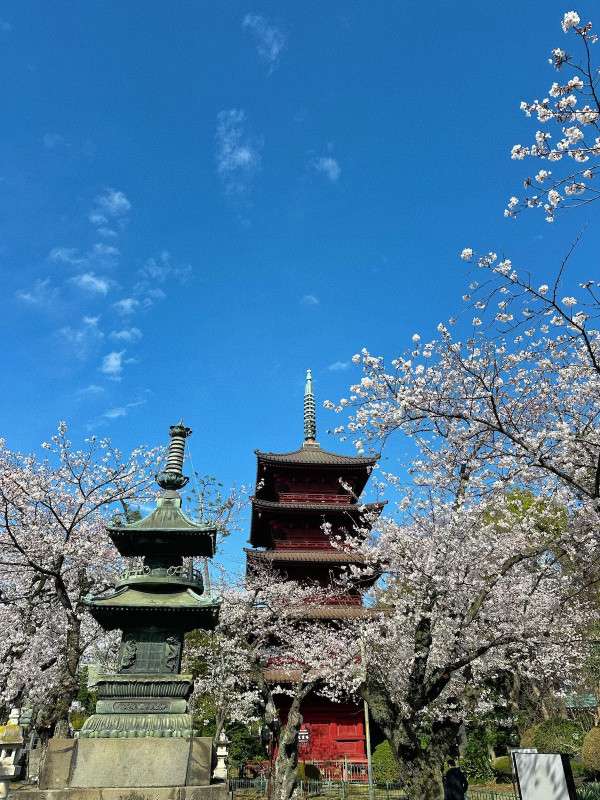
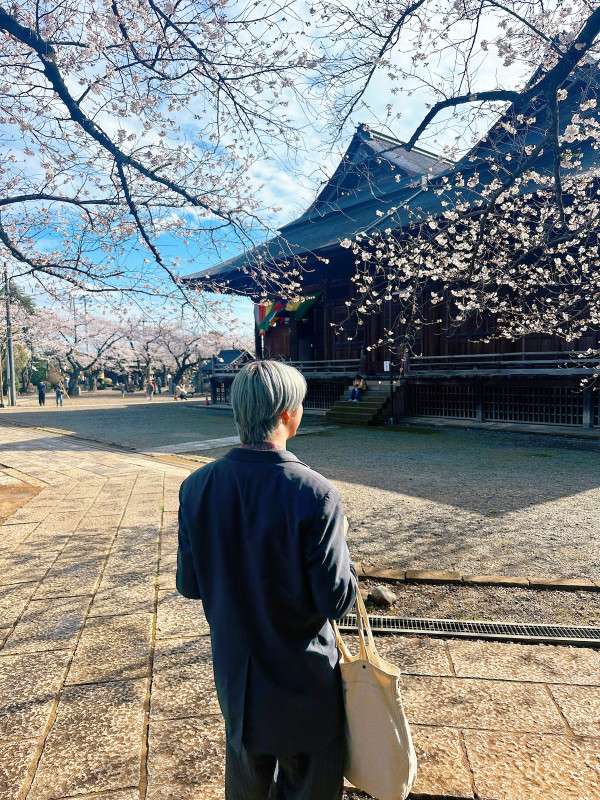
If Ichikawa has one site that demands attention on its own terms, it is Hokekyoji. Founded in 1260, it is one of the most important temples of Nichiren Buddhism, housing multiple National Treasures and Important Cultural Properties. The Soshido, the Founder’s Hall, dates originally to 1325 and features an unusual double roof.
The approach from Keisei Nakayama Station is lined with cherry trees and small shops selling amazake; in late March, the whole path turns into a tunnel of blossom. The temple complex also has a café with a garden that rewards a visit, particularly in autumn.
・Daikeien
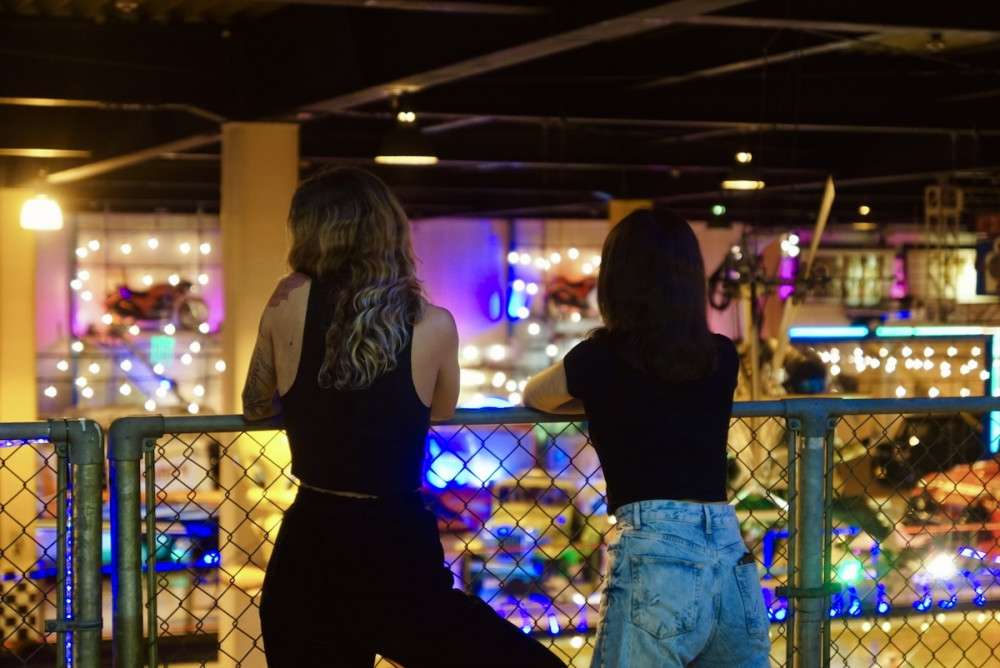
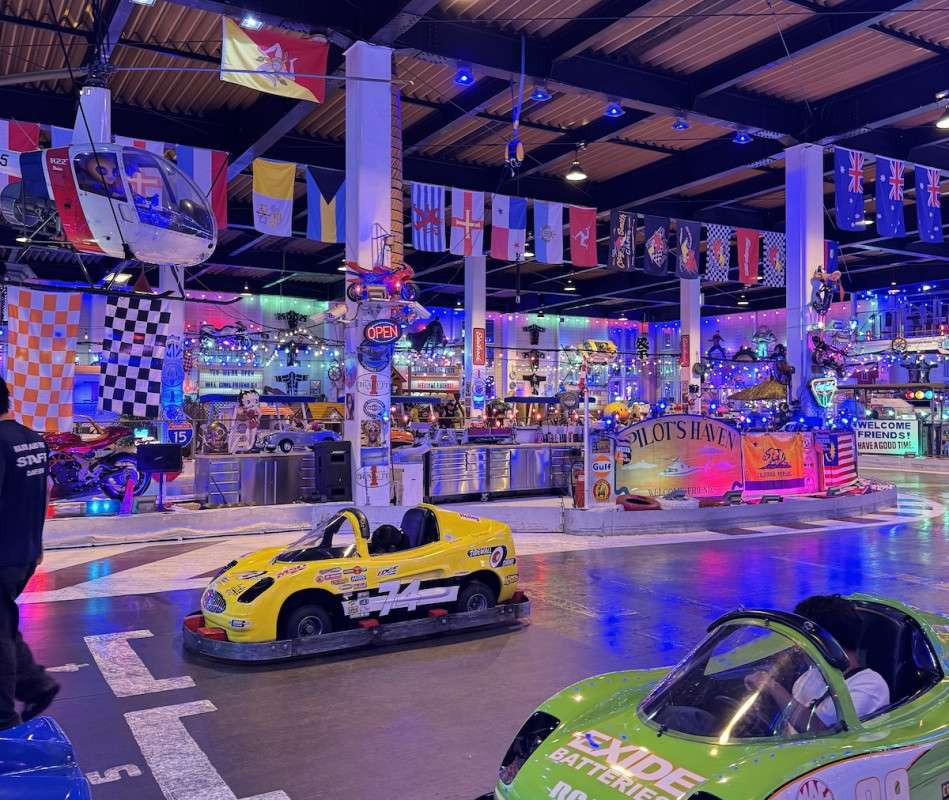
Less than a kilometer from the zoo, where Punch lives, is Daikeien. Opened in 1951, it is the biggest indoor arcade in Japan. The sprawling complex runs 24 hours and fits a remarkable amount into its grounds: hundreds of crane games, an indoor go-kart track, batting cages, billiards, darts, karaoke and, scattered across the property, the owner’s personal collection of vintage sports cars, helicopters and military vehicles. It is aggressively, sincerely retro and entirely unself-conscious about it. A free shuttle runs to and from Ichikawa-Ono Station.
・Gyotoku: Hundred Temples and Little India
Gyotoku, in the south of the city, has an old reputation: the area was once described as “Gyotoku senken, tera hyakken,” a thousand houses and a hundred temples. The pilgrimage route from Hokekyoji toward Naritasan passed through here, and enough travelers found reasons to stop that the temple town developed its own economy around it. Many of those temples remain, making it an ideal neighborhood to wander through.
The area has also quietly become known as a little India. The Indian restaurants in particular have a reputation that stretches well beyond the city. Bombay Palace brings together chefs recruited from Michelin-starred restaurants in Dubai and five-star hotels in Mumbai. Gyotoku Biryani House, open since 2018, has drawn curry obsessives from across the prefecture for its slow-cooked mutton biryani and karahi. The neighborhood is also home to a mosque established in 1997, with halal eateries scattered throughout.
Read about the neighborhood of Nishi-Kasai, just next to Gyotoku and also known for its South Asian influence: Tokyo Neighborhood Guide: Nishi Kasai
Eat and Drink in Ichikawa
Now that you’ve seen Punch the Monkey, it would be a waste to head home just yet, so make a day of it and explore these unique eateries.
・Ryotei Tochigi-ya
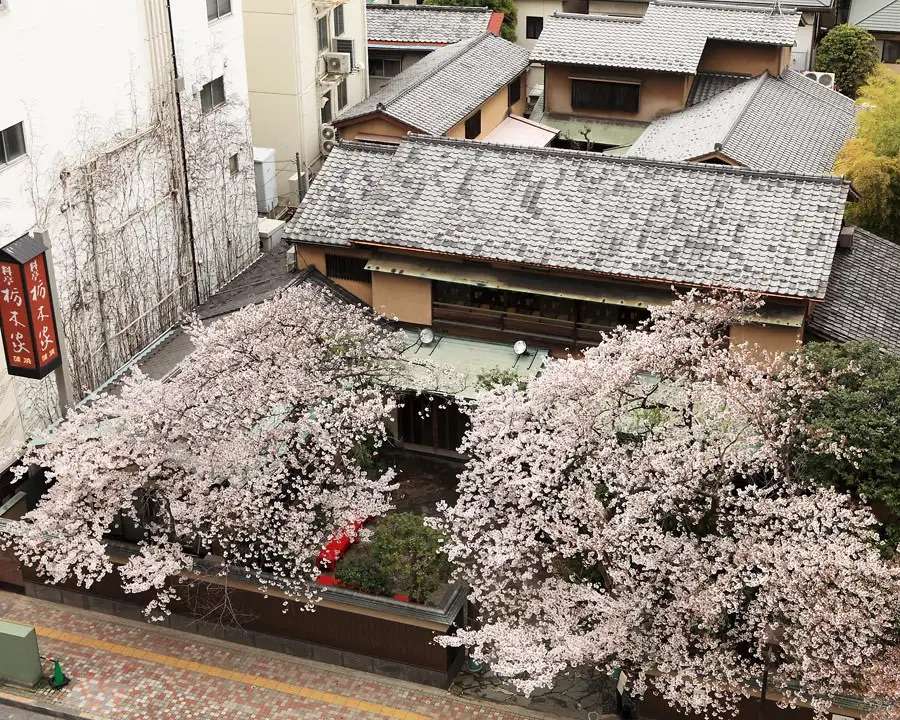
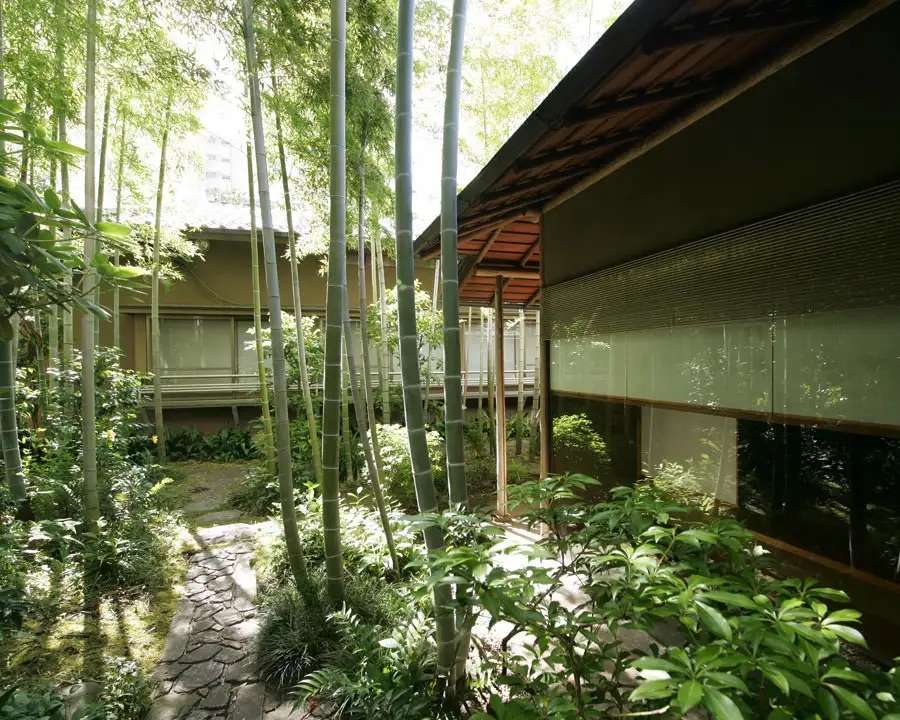
Opened in 1884, with more than 140 years of history. A prestigious ryotei known for Edo-style haute cuisine, long hosting politicians, business leaders, cultural figures and visiting dignitaries. Private tatami rooms look onto a serene Japanese garden, with bamboo groves and a small teahouse. Reservations recommended.
1-24-5 Ichikawa, Ichikawa
No fixed holidays
・Café Dubois
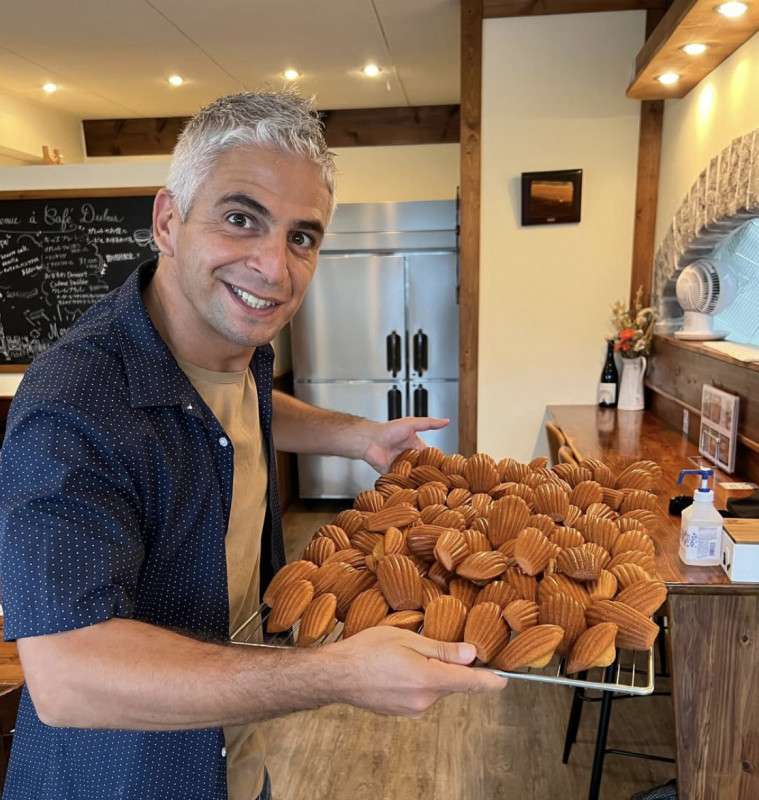
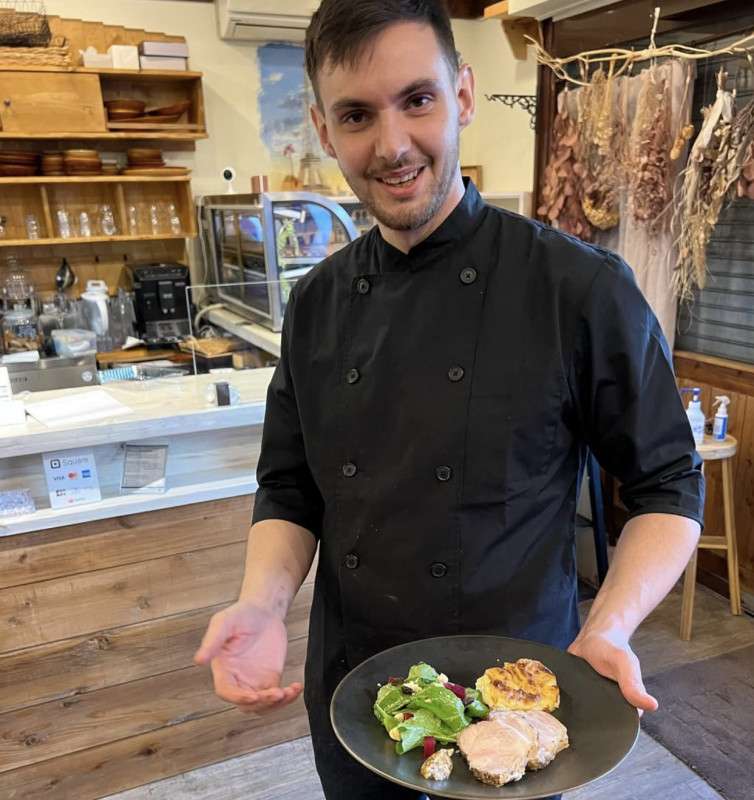
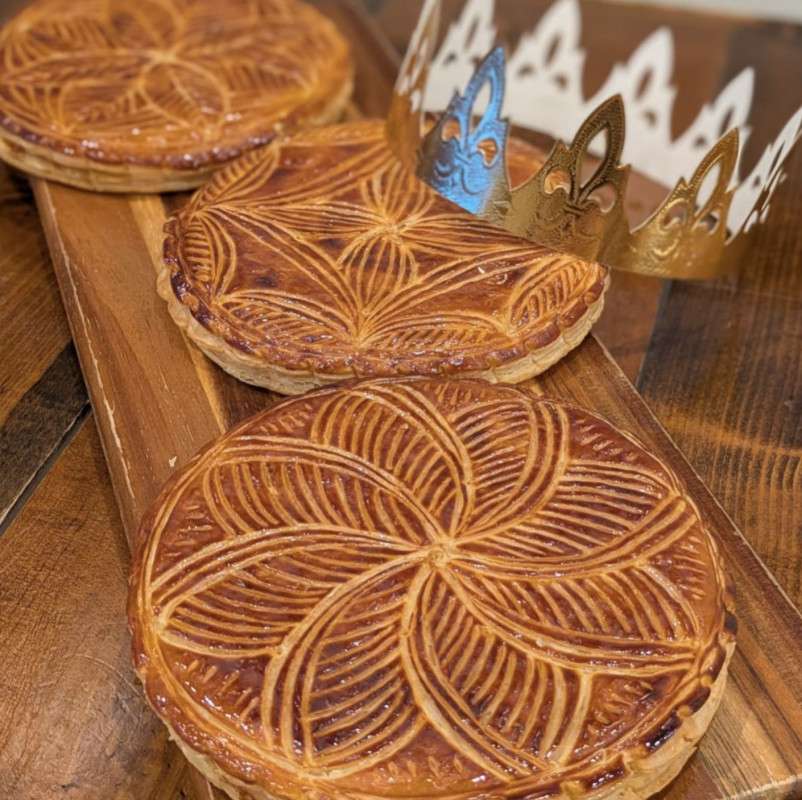
A French-owned café, crêperie, boulangerie and pâtisserie near Motoyawata Station, making everything by hand: buckwheat galettes, crepes, croissants and cakes, with gluten-free options available. The chef works the counter in full view. Weekends draw a queue.
2-16-22 Yawata, Ichikawa
Closed on Mondays and Tuesdays
For more of the best bread the Tokyo area has to offer, see our guide to brown bread in the city.
・Pâtisserie Jean Paul Thiebaut
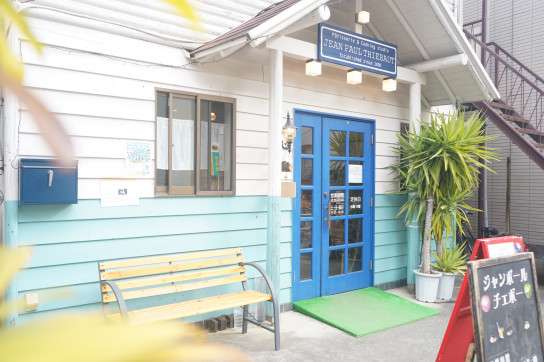
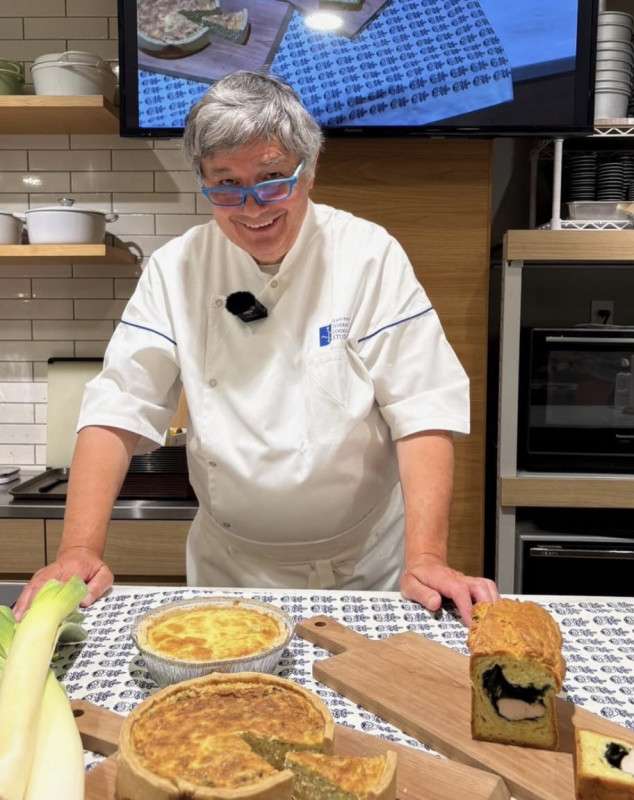
About ten minutes on foot from Shimousa-Nakayama Station, in a residential side street, run by French pâtissier Jean Paul Thiebaut. The blue door is the landmark. The marjolaine and Gâteau opéra are the house recommendations. The kind of shop that locals do not advertise. If you are in the area for Hokekyoji, the bread here is reason enough to extend the trip.
2-27-15 Onitaka, Ichikawa
Closed on Wednesdays and Thursdays
・Ichikawa Oidon
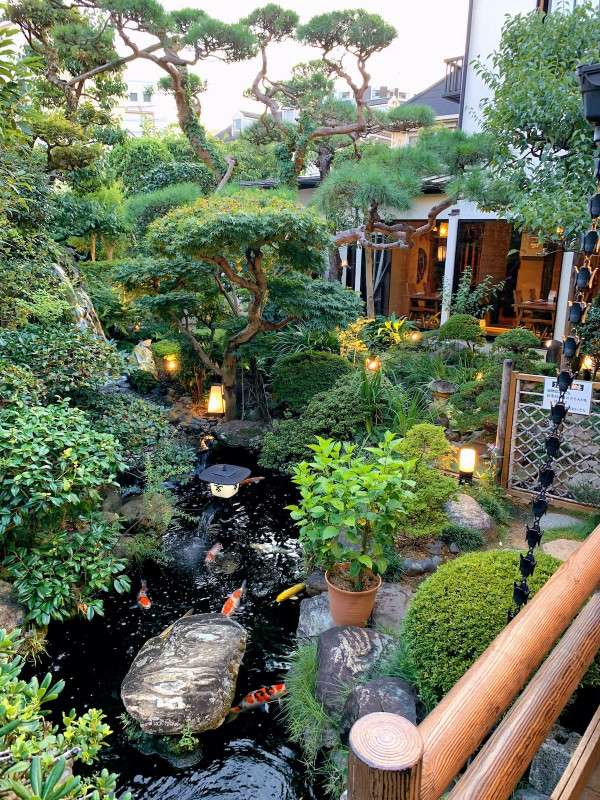
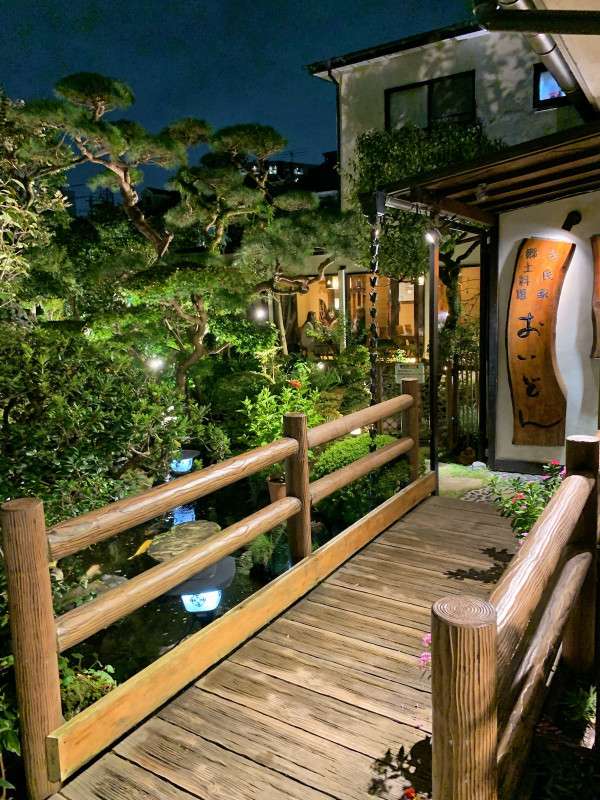
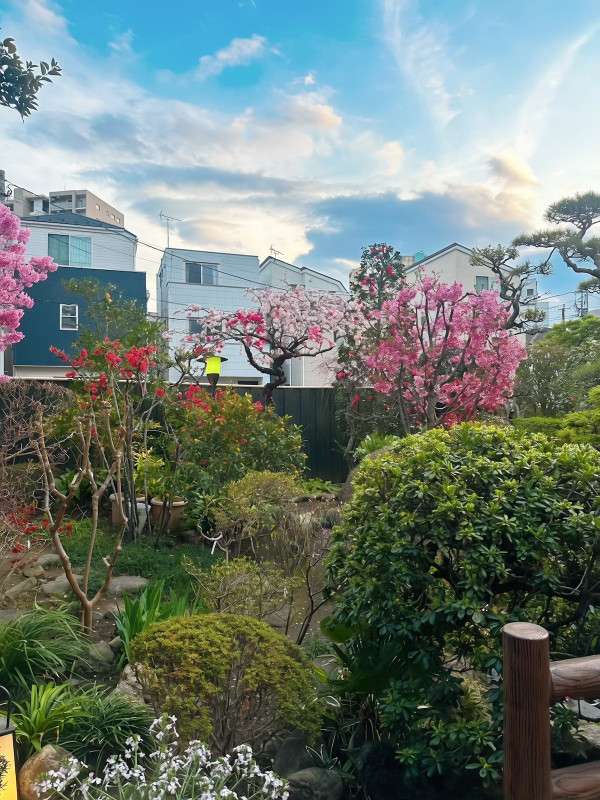
A Kagoshima restaurant set in a kominka, three minutes on foot from Ichikawamama Station. A Japanese garden with a koi pond greets you at the entrance; the dining rooms look out onto it. The kitchen focuses on Kagoshima and greater Kyushu cuisine, with Satsuma kurobuta shabu-shabu and an extensive shochu selection as the draws. Booking recommended.
1-16-9 Mama, Ichikawa
Closed on the second Monday of the month
・Yama Pizza
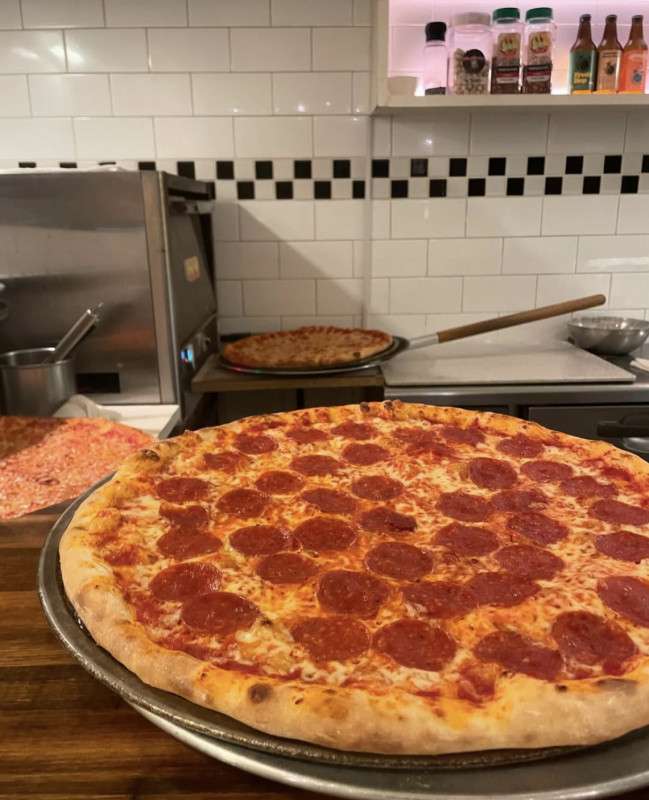
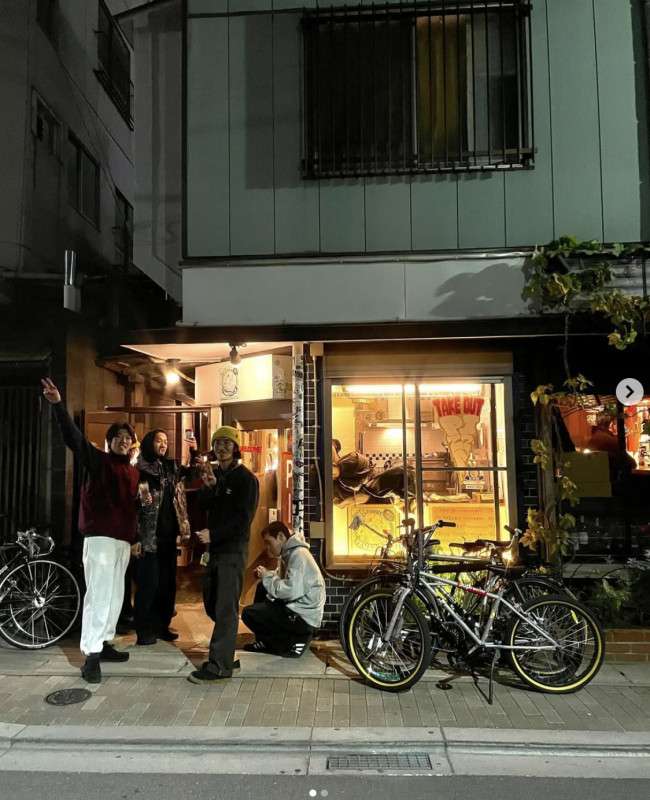
An American pizza specialist a short walk from Ichikawa Station, opened by an owner who traveled to New York specifically to study the style before opening. The menu is concise: two classic options, three speciality pies, and a monthly rotation. Regularly cited as among the best New York-style pizzas in the country.
4-18-20 Shinden, Ichikawa
Closed on Tuesdays
・Foodical Heroes

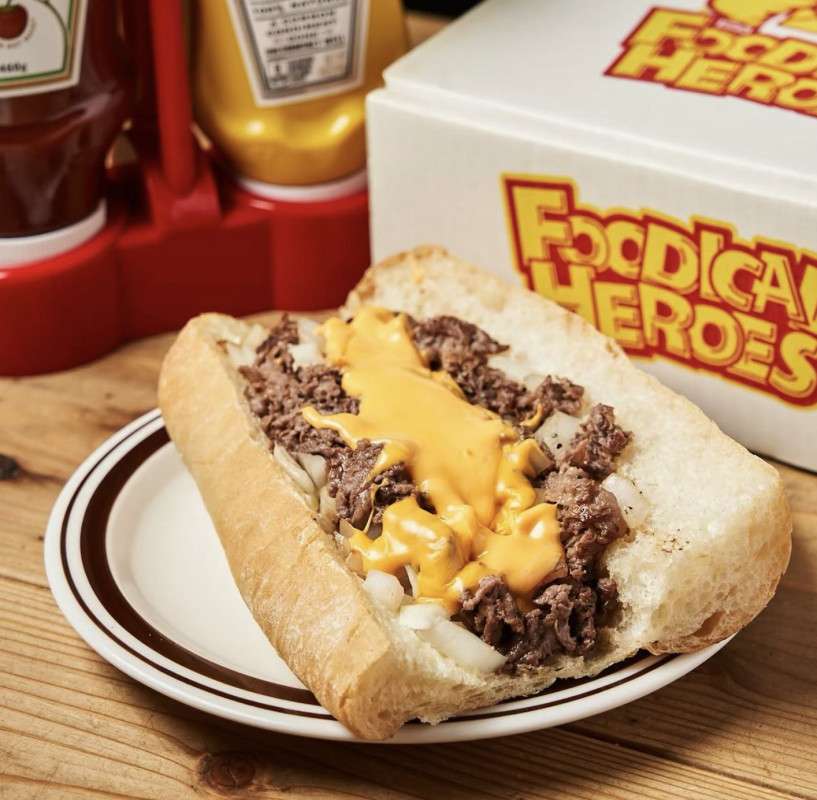
A Philly cheesesteak specialist near Motoyawata Station, run by an owner with a genuine obsession for the iconic sandwich. Counter seating only, English radio on in the background, root beer available. People travel across Tokyo for this.
3-23-1 Minami-Yawata, Ichikawa
Closed on Tuesdays
・Lamp Lights Jagaimo

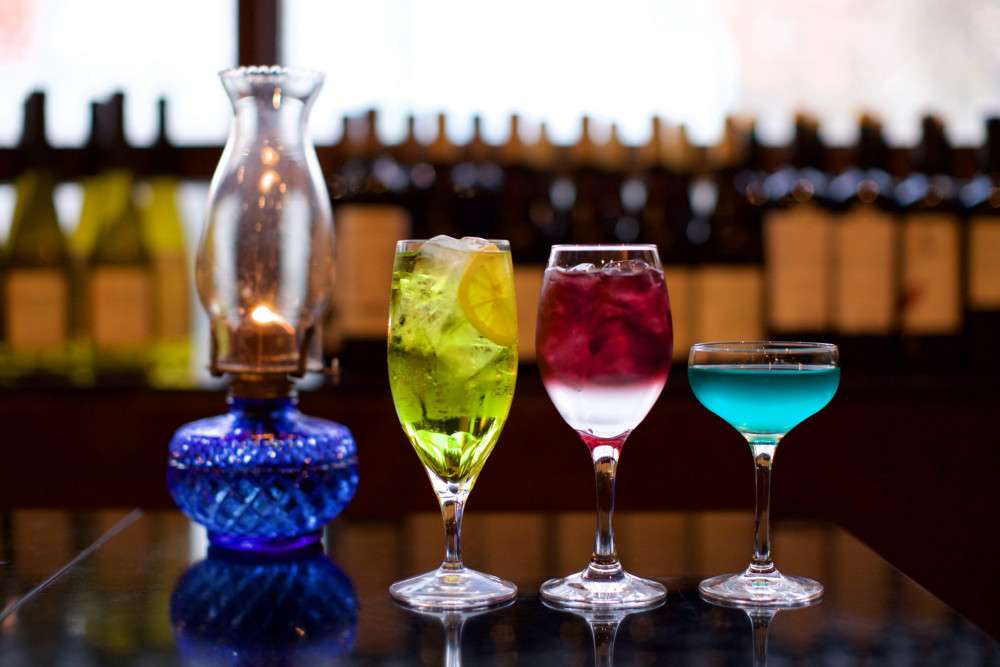
The entire menu is built around a single ingredient. The owner-chef has devoted the kitchen exclusively to potatoes, sourcing directly from contract farms and rotating varieties by season. Over 40 dishes, over 120 drinks, warm lamp-lit interior.
Kabura-ki Building 1F, 2-16-19 Yawata, Ichikawa
Closed on Sundays
・Cafe Terrace Ekoin
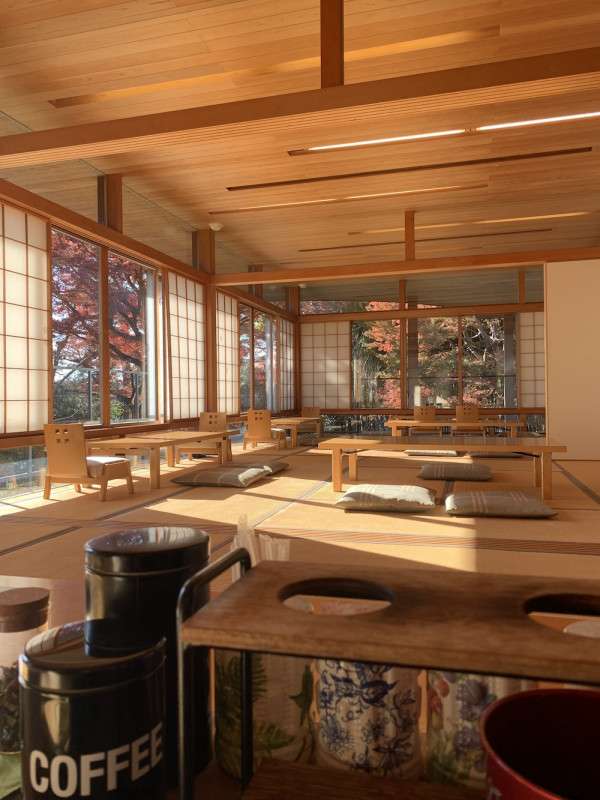
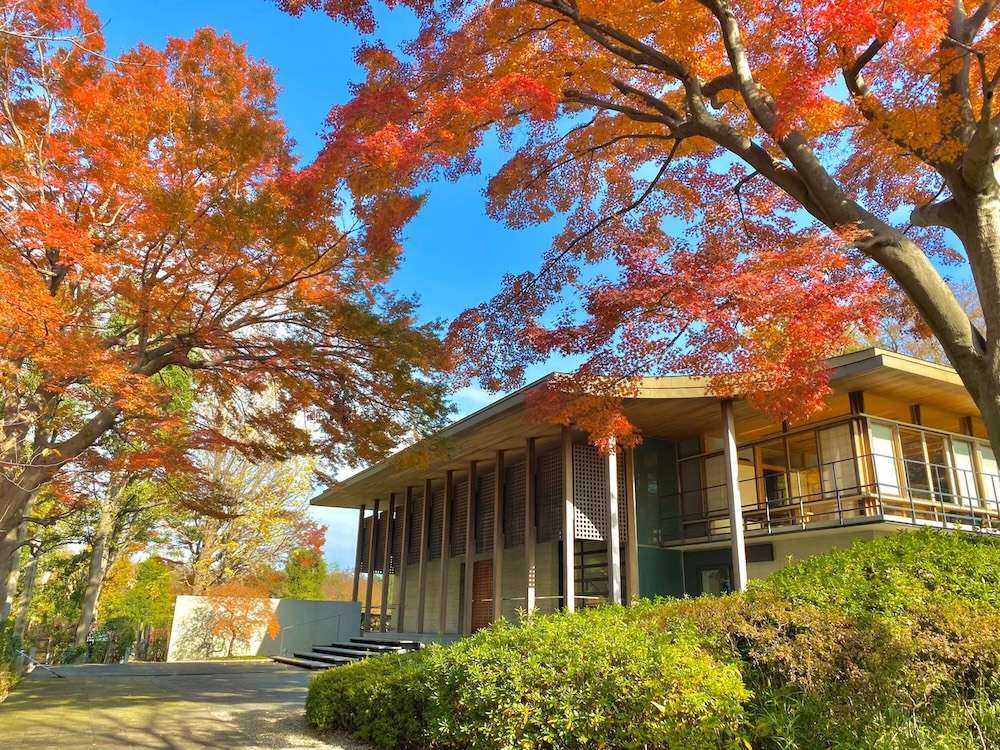
A café on the second floor of Ekoin’s Ichikawa branch temple, looking out over a manicured Japanese garden. Tatami seating, large windows, ¥500 coffee and tea. Quiet enough to feel like a discovery. The garden peaks in autumn when the maples turn.
Ekoin Betsuin 2F 5-26-12 Konodai, Ichikawa
No fixed holidays
Check out our roundup of beautiful cafes near Tokyo, with some Ichikawa entries included:
11 Biophilic Cafes for a Nature-Filled Escape from Tokyo
・Ichikawa Russia-tei
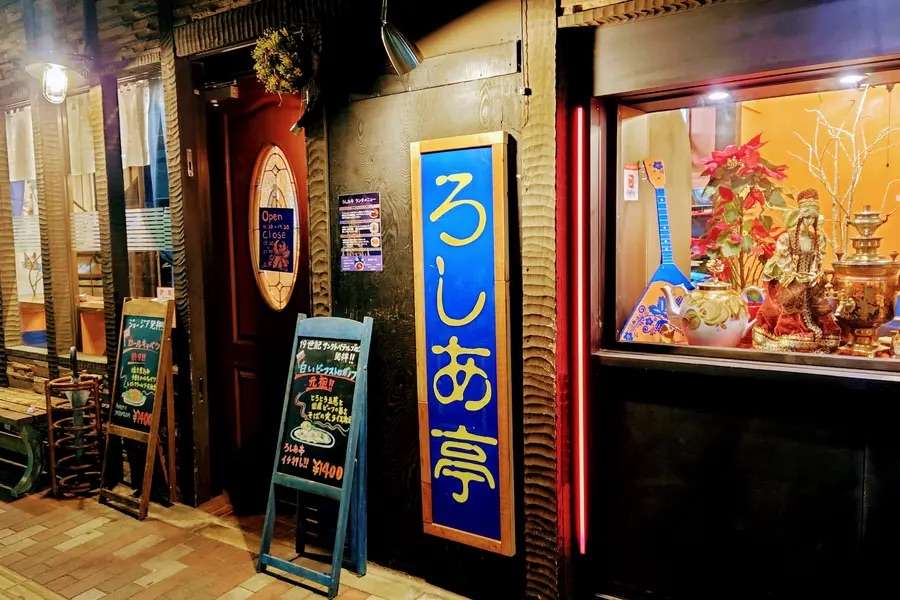
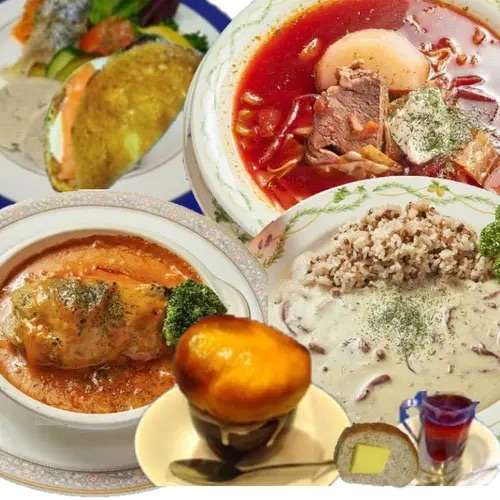
A Russian institution: 28 years in Jimbocho before relocating to Ichikawa in 2023. The menu spans Russian classics, Georgian and Ukrainian dishes, all under one roof. The signature white beef stroganoff and the borscht are the reliable entry points.
2-1-1 Ichikawaminami, Ichikawa
Closed on Tuesdays
・Aso Coffee Ichikawa
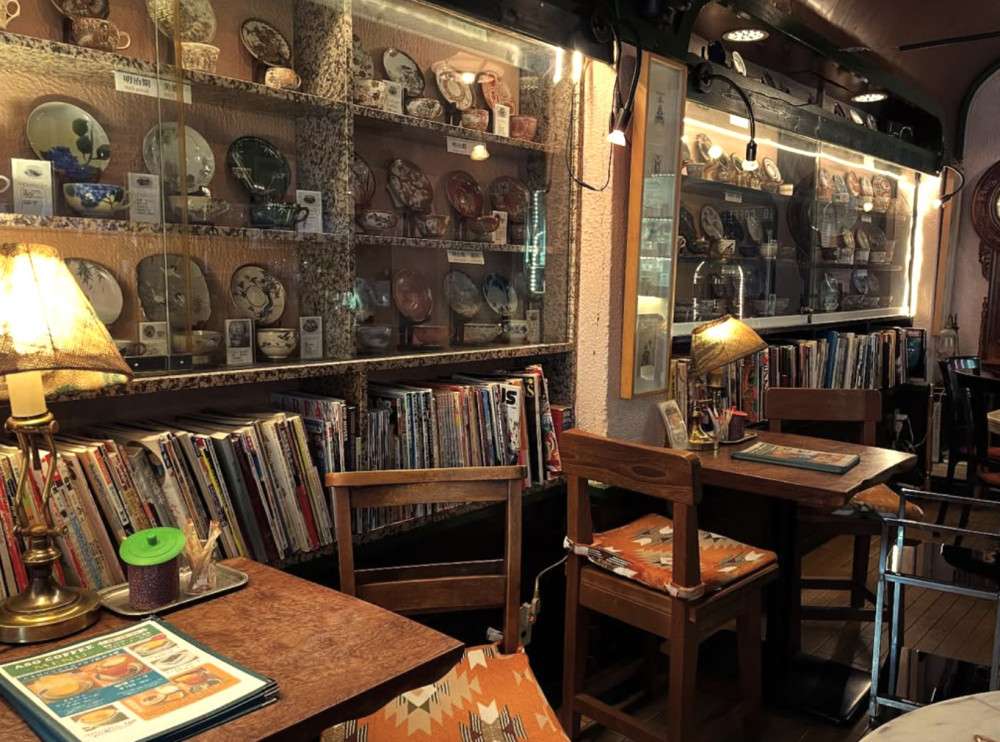
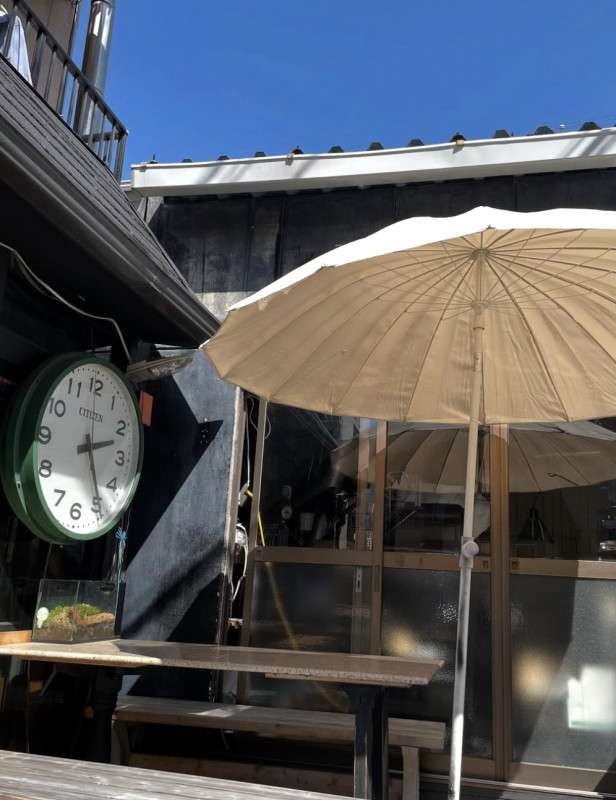
A self-roasting coffee shop with 45 years in the city, now run by father and son. Over 30 bean varieties roasted daily on two machines, with the owner happy to walk you through each one. Serious about the craft in a way that tends to attract a dedicated local following.
4-17-9 Shinden, Ichikawa
Closed on Wednesdays
Check hours directly before visiting
Ichikawa, Chiba: A Brief History
Human settlement here stretches back to the Japanese Paleolithic, with kofun burial mounds and other archaeological evidence scattered across the city. Ichikawa served as the provincial capital of Shimousa Province, appearing in the Man’yoshu, Japan’s oldest poetry anthology, as early as the 8th century. The Edo period confirmed its status as tenryo, land under direct control of the Tokugawa shogunate.
By the Meiji Restoration, Ichikawa had become something stranger: a city seriously considered as the site for the new National Diet building. Statesman Katsu Kaishu envisioned a parliament on the Edogawa, modeled after the Houses of Parliament on the Thames. It didn’t happen.
What followed was a quieter kind of prestige. The central districts, Ichikawa, Mama, Sugano and Yawata, lined with the city’s emblematic black pine, became a retreat for the Meiji elite. Politicians, industrialists and military officers built their houses here. The areas of Konodai, Mama, Sugano and Yawata in Ichikawa City were developed as villa plots during the Taisho period, where politicians, bureaucrats and military officers built their residences. These areas flourished as one of Japan’s most upscale residential neighborhoods. The writers came too: Natsume Soseki, Masaoka Shiki, Yosano Akiko, Yukio Mishima, Nagai Kafu and Koda Rohan all lived here or set work here. Consequently, the area also became known as a hanamachi (flower town), a geisha district. By the 1920s, there were 17 okiya (geisha houses), 12 ryori-ryokan (luxury inns serving kaiseki-style cuisine), as well as many tea houses and ryotei (traditional restaurants).
Today, the central neighborhoods remain some of the most sought-after residential addresses in the prefecture, often commanding higher land prices than adjacent parts of Tokyo. Ichikawa has long been seen as a more upscale residential suburb, in contrast to the traditionally working-class character of shitamachi (eastern Tokyo), and is now widely regarded as a family-friendly area.
The city splits in character from north to south. The southern edge, bordering Tokyo Bay, contains one of Japan’s 500 designated important wetlands, including a shorebird habitat adjacent to the Imperial Household Agency’s Niihama duck sanctuary, where His Majesty Emperor Naruhito proposed to Empress Masako in 1992. The north, where the zoo sits, is more agricultural, with pear orchards spreading across Omachi.