What’s It Like To Have A Japanese Spitz?
Japan’s native comedian
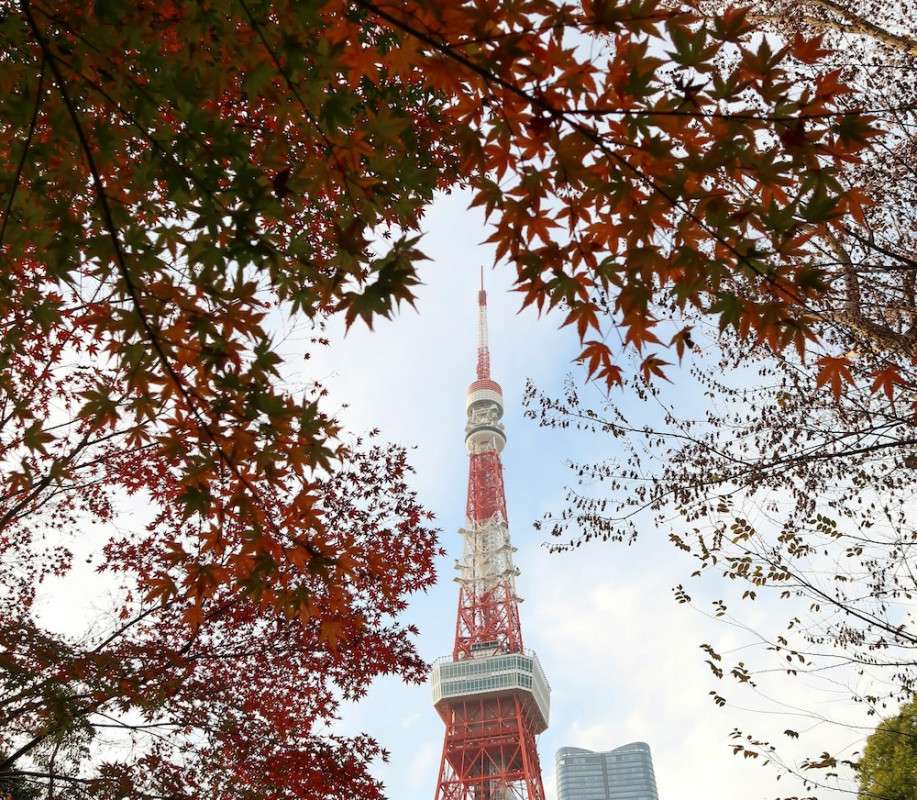
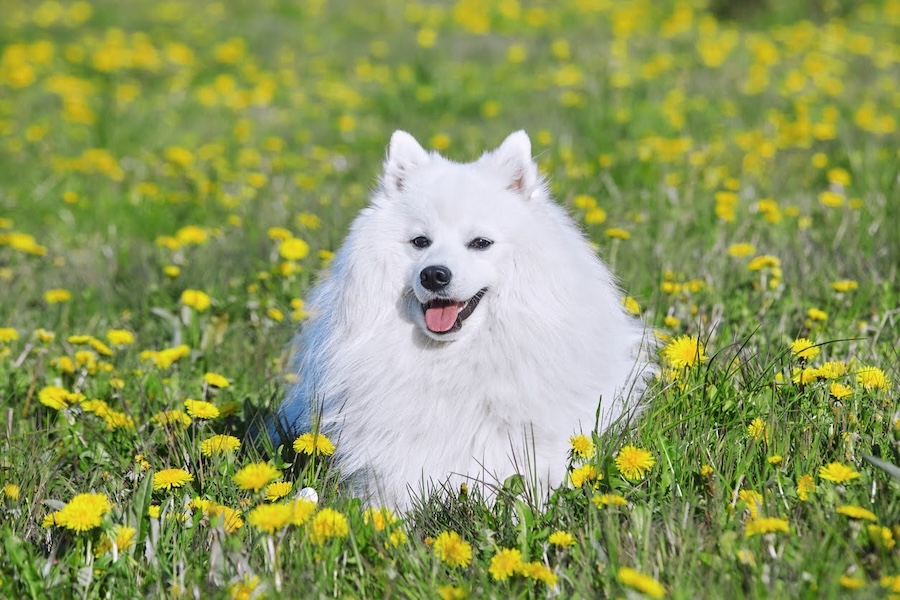
If you’ve spent any time in a Tokyo park, you’ve likely seen one before: a cloud of white fur trotting confidently beside its owner, ears alert, tail curled neatly over its back. The Japanese Spitz is one of those breeds that feels both distinctly Japanese and oddly universal, familiar yet still a little mysterious.
Despite its name, the history of the Japanese Spitz is not entirely domestic. The breed is believed to have descended primarily from white German Spitz dogs brought to Japan in the early 20th century, eventually standardized in 1948. Today, however, the breed has become something uniquely suited to daily life in Tokyo.
So what is it actually like to live with one?
A Dog That Wants to Be With You
The Japanese Spitz is often described as a companion dog, but that phrase can feel vague until you experience it. This is not a breed that simply coexists with you. It watches you, follows you and quietly positions itself nearby throughout the day.
Unlike more overtly clingy breeds, the Spitz doesn’t always demand physical contact. Instead, it prefers proximity. Owners often describe them as having a slightly “cat-like” independence, choosing to sit near you rather than on you while still staying aware of your presence.
This makes them well-suited to people working from home in Tokyo apartments. At the same time, their attachment means they may struggle if left alone for long hours.
Apartment Life, Tokyo Style
One of the biggest misconceptions about fluffy dogs is that they need large outdoor spaces. In reality, the Japanese Spitz adapts well to apartment living in Tokyo.
A daily walk around the neighborhood, short play sessions and regular interaction are usually enough for many dogs. After that, they tend to settle indoors and rest quietly.
Tokyo apartments come with challenges, especially noise. The Spitz is an alert breed and tends to bark at unfamiliar sounds. Hallway footsteps, delivery visits or neighbors moving nearby can trigger a reaction.
Training and early socialization help reduce this behavior. With consistency, barking can be managed, but it is something to consider in buildings with thin walls.
If you travel often, consider options like English-Speaking Pet Hotels in Tokyo.

The Grooming Myth
At first glance, the Japanese Spitz looks high-maintenance. A thick white coat suggests constant grooming and cleaning. The reality is more manageable.
For most of the year, the coat is easy to maintain. Weekly brushing is usually enough, and the fur has a natural resistance to dirt. Once dry, mud and debris often fall away on their own.
Twice a year, shedding increases significantly. The undercoat is released over a few weeks, and daily brushing becomes necessary. Fur will collect on clothing and furniture during this period.
Outside of shedding season, the breed is relatively low-maintenance compared to what its appearance suggests.
A Personality That Feels Almost Human
Part of the appeal of the Japanese Spitz comes down to personality. These dogs are expressive in ways that feel unusually human.
They react visibly to changes in their environment, tilting their heads or responding quickly to familiar voices. Many owners describe playful behavior that seems designed to get attention.
This expressiveness also makes training easier. The breed is intelligent and responds well to positive reinforcement and consistent routines.
That said, like many Spitz-type dogs, they can be independent. At times, they may ignore commands if they do not see a reason to follow them.
Friendly to a Fault
If you are looking for a guard dog, this is not the breed for you.
The Japanese Spitz is usually friendly or neutral with strangers. Many approach new people with curiosity rather than caution, though some may take a little time to warm up.
In Tokyo, where interactions with neighbors and passersby happen daily, this sociability is generally a benefit. The breed also tends to do well with children and other dogs when introductions are handled properly.
Adoption is also an option through Dog Adoption & Fostering in Tokyo.

Health and Longevity
The Japanese Spitz is considered relatively healthy. Most individuals live between 12 and 16 years.
One of the more common concerns is patellar luxation, a condition affecting the knee joint. Regular veterinary care and responsible breeding help reduce the risk.
Other minor issues can include dental care and tear staining, though these are manageable with routine maintenance.
The Reality Behind the Aesthetic
It is easy to be drawn to the Japanese Spitz because of how it looks. The bright coat, fox-like face and compact size align with modern preferences in Tokyo living spaces.
But ownership goes beyond appearance.
This is a dog that notices when you leave, reacts when you return and expects to be part of your daily routine. It does not require much space, but it does require attention.
A Perfect Fit for the Right Lifestyle
In many ways, the Japanese Spitz reflects everyday life in Tokyo. It adapts to smaller spaces, responds well to routine and stays closely connected to its owner.
For those who want a dog that is manageable in size but engaging in personality, it is a strong choice. For those who prefer a more independent pet, it may feel demanding.
In a city where space is limited and schedules are full, the Japanese Spitz offers something simple: a consistent, responsive companion that stays close, whether that means a short neighborhood walk or a quiet afternoon at home.