The cinema is an increasingly contested space. Who needs cinemas now that we have instant access to new releases, and can easily be introduced to cinematic classics via the abundance of streaming services that are available at the click of a button? Does anyone even watch films anymore?
With this abounding discourse, one would assume that cinemas are something of the past, but in Tokyo, it is quite the opposite. There are not enough days in the week, pennies in the pot, or popcorn in the bag to suffice my appetite for immersing in the holy art of film, but in Tokyo, I have always found the perfect place to slip away for a few hours, away from reality and into whatever world I fancied entering that day.
In this guide, we have compiled a selection of my favorite small cinemas in Tokyo, complimented by a great guide we found online, which is in Japanese but acts as a simple map of smaller Tokyo cinemas. This is by no means an exhaustive list but we hope that it will encourage you to visit a smaller cinema and introduce yourself to a film that will stay with you as you re-enter the real world.
Located on the second basement floor of Kichijoji PARCO, Uplink Kichijoji carries the spirit of Tokyo’s independent cinema scene. The mini-theater screens a mix of Japanese and international films, leaning toward thoughtful indie releases and festival favorites. Since opening after the beloved Baus Theater closed in 2014, it has become a welcome gathering place for film lovers in the neighborhood.
A mainstay of Tokyo’s arthouse scene for more than two decades, Eurospace has built a reputation for championing independent cinema. The theater regularly screens films from across Europe and Asia, along with carefully selected Japanese releases that rarely appear in larger multiplexes. Tucked away in Shibuya, it remains a trusted destination for viewers who enjoy thoughtful, unconventional storytelling.
Right by Shimotakaido Station, this old-fashioned neighborhood cinema offers a refreshing alternative to Tokyo’s larger multiplexes. The theater is known for its thoughtfully curated screenings, often pairing two films together in double features that range from Japanese classics to international favorites. Shimotakaido Cinema feels less like a commercial theater and more like a quiet community hub for film lovers.
Tickets from ¥1,700 (General Pricing) Setagaya-ku, Matsubara 3-27-26 03-3328-1008
Pole Pole Higashinakano is a compact mini-theater in Nakano Ward known for its quiet, thoughtful film programming. The cinema takes its name from the building “Pole Pole Za,” with pole pole meaning “slowly, slowly” in Swahili, a fitting phrase for a space that encourages unhurried viewing. With just one screen and 96 seats, the theater offers an intimate setting for independent films, documentaries and international titles.
Tickets from ¥2,000 Nakano-ku, Higashinakano 4-4-1 Pole Pole Za B1F 03-3371-0088
Cinema Rosa began life as a standalone movie theater before the building gradually expanded into a broader entertainment space. During the height of the Space Invaders boom, the venue evolved into a lively leisure center, with arcades and other attractions gathering around the cinema. Today, Cinema Rosa continues to screen Japanese and international films while retaining the slightly nostalgic charm of Ikebukuro.
Tickets are available on their website Toshima-ku, Nishi-Ikebukuro 1-37-12 Rosa Kaikan 03-3986-3713
Cinema Neko is one of Tokyo’s most atypical places to watch films. The theater is housed inside a wooden cultural property that once served as a textile testing facility, bringing cinema back to a town that had been without a theater for nearly 50 years. High ceilings, large windows and natural wood give the space a calm atmosphere, while modern projection equipment and 360-degree surround sound create a high-spec screening experience.
Tickets from ¥500 – ¥2,000 Ome-shi, Nishibuncho 3-123 0428-28-0051
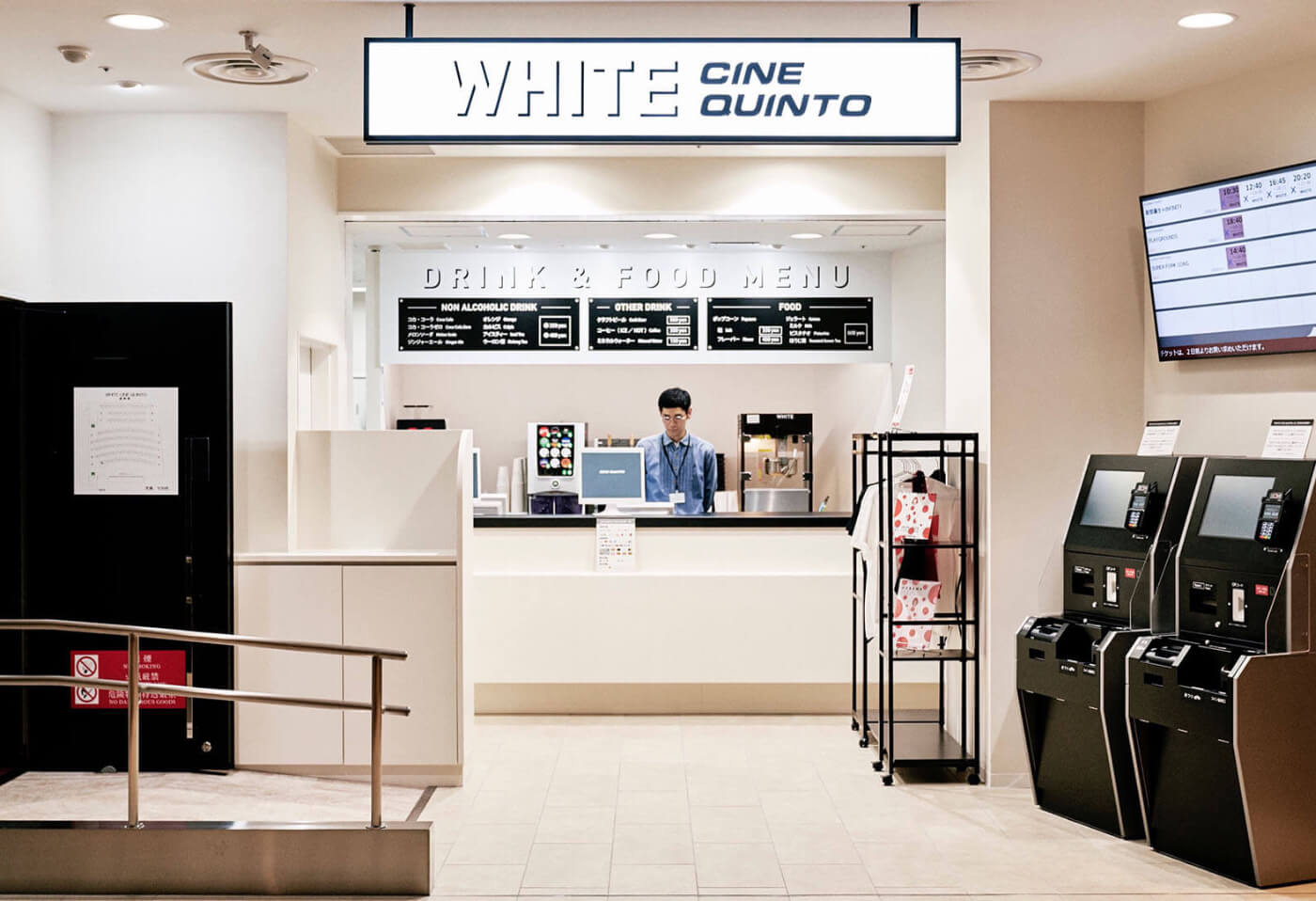
Cine Quinto, nestled in the ceaseless furore of energetic Shibuya, offers international and Japanese new releases. Its sister branch, White Cine Quinto, is located around the corner in the PARCO building, and shows the international festival favorites. The pair of cinemas are accessible and trendy places to catch up with the newest films and explore the latest Japanese stories.
Tickets from ¥1,500 Shibuya-ku, Udagawachou 20-11 Mitsuba Building 7F 03-3477-5905
Showing mainstream new releases, independent favorites, and classic retrospectives, Human Trust (also operating under the name EuroLive venue) specializes in bringing the history of cinema and events to the bustling heart of Shibuya. Set on the seventh floor of the Kokochi building, it offers a more relaxing environment than a big, multi-screen cinema, and sells an elite selection of cinema snacks to enjoy before, during, or after the film.
Tickets from ¥1,500 Shibuya-ku, Shibuya 1-23-16 Kokochi Building 7-8F 03-5468-5551
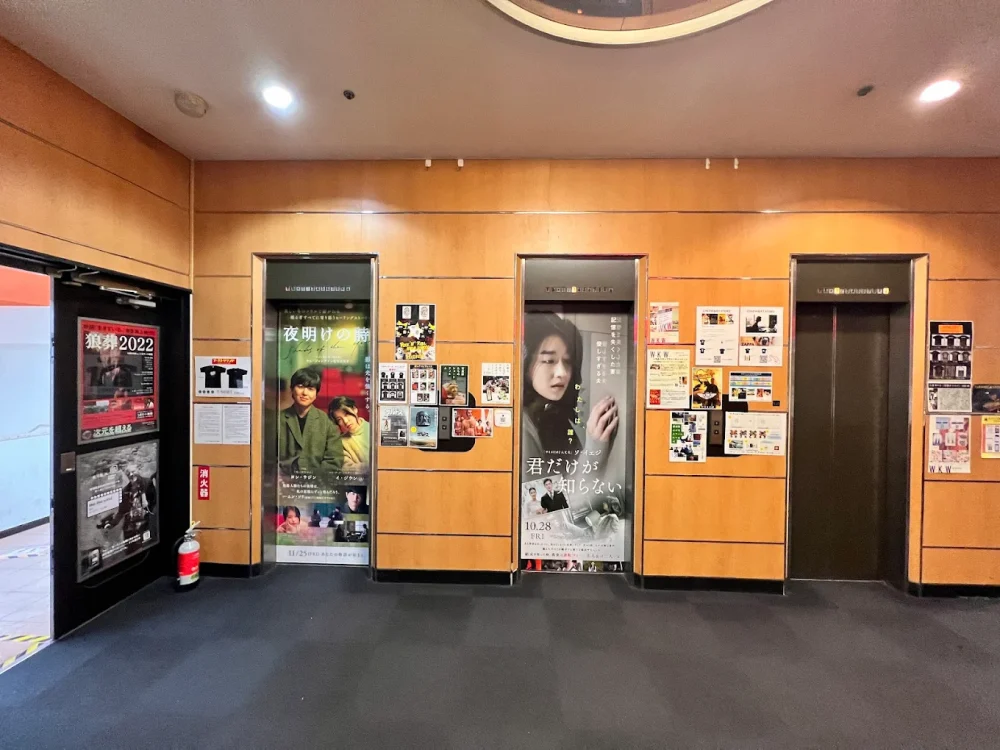
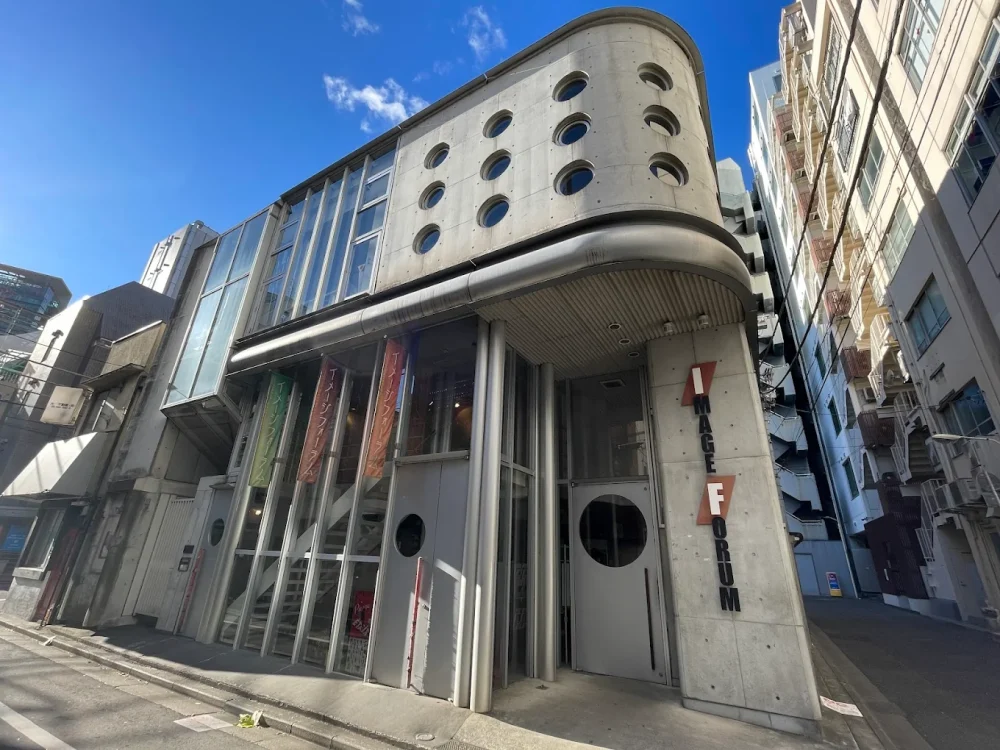
A pint-sized cinema in the backstreets of Shibuya, Image Forum offers a niche selection of documentaries and independent films. It offers both Japanese and international selections. Simply walking into this cinema, full of floor-to-ceiling posters, will make you feel in safe and creative hands.
Tickets from ¥1,400 Shibuya-ku, Shibuya 2-10-2 03-5766-0114
Art, theater, cinema. Bunkamura is a cinema where you can explore the arts in all forms and supplement your gallery exhibition viewing over at the Bunkamura Gallery. It carefully curates arthouse picks that are showing nowhere else in the city.This makes it the best cinema for niche productions that you’ll be thankful you got the chance to watch.
Tickets from ¥1,200 Shibuya-ku, Shibuya 1-23-16 03-3477-9264
Over fifty years old, this cinema is a regular haunt for students. Double bills of international and Japanese films presented on 35mm, with themes ranging from directors to seasons, one could spend a whole day lost in the art of film. With ample breaks for decompressing and grabbing a drink or snack, there are plenty of exciting and diverse screenings to keep you occupied for a whole day. For those who are brave enough, an extra late-night screening plays after the double bill, making it an all-day excursion.
Tickets from ¥1,100 Shinjuku-ku, Takadanobaba 1-15-16 03-3200-8968
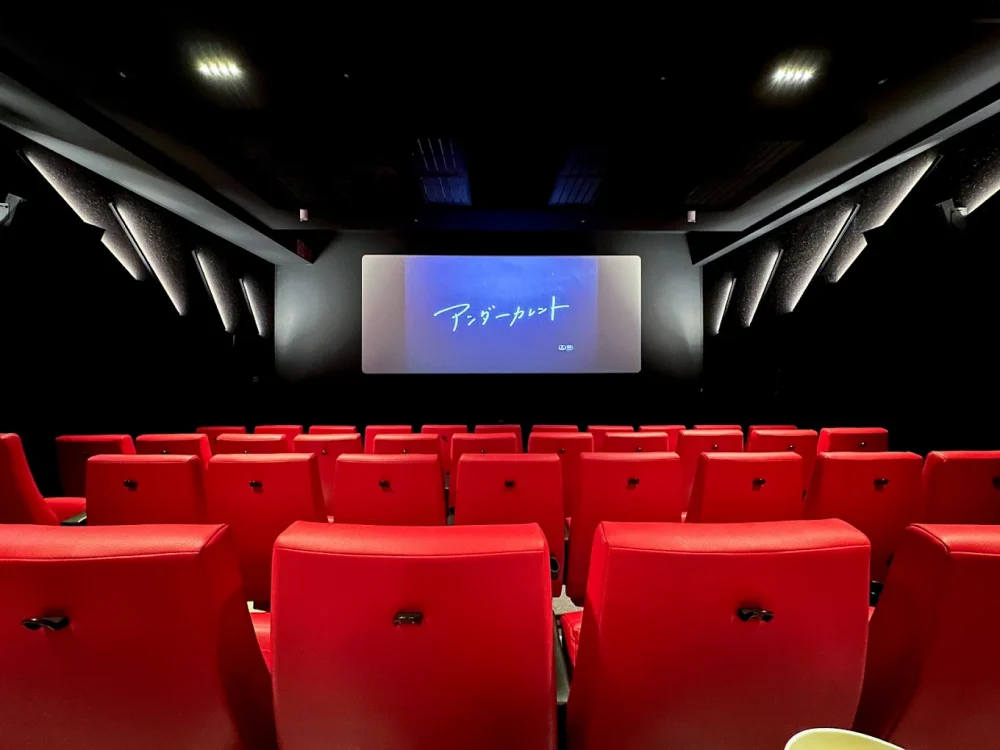
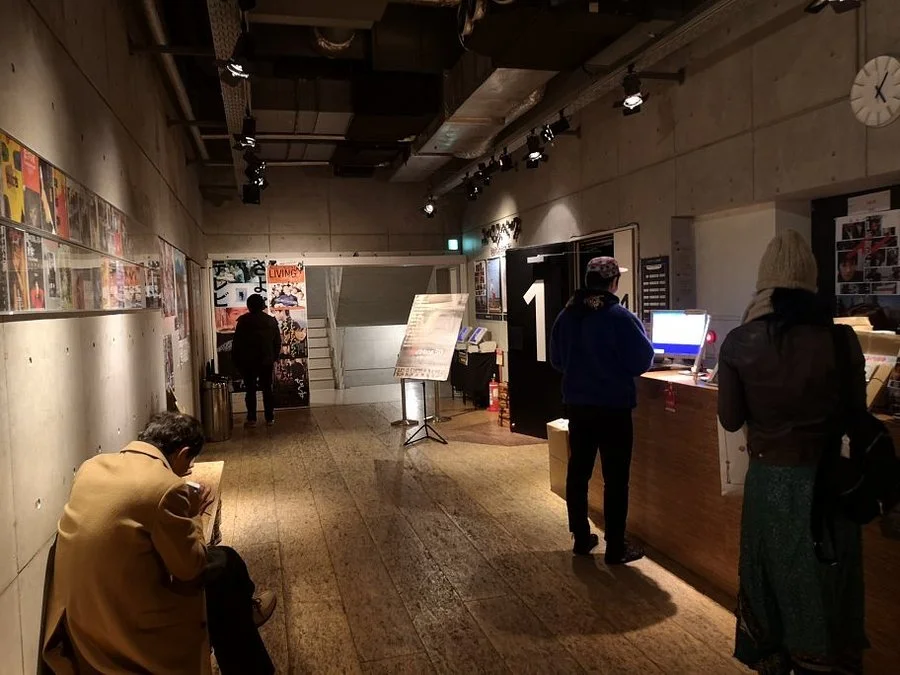
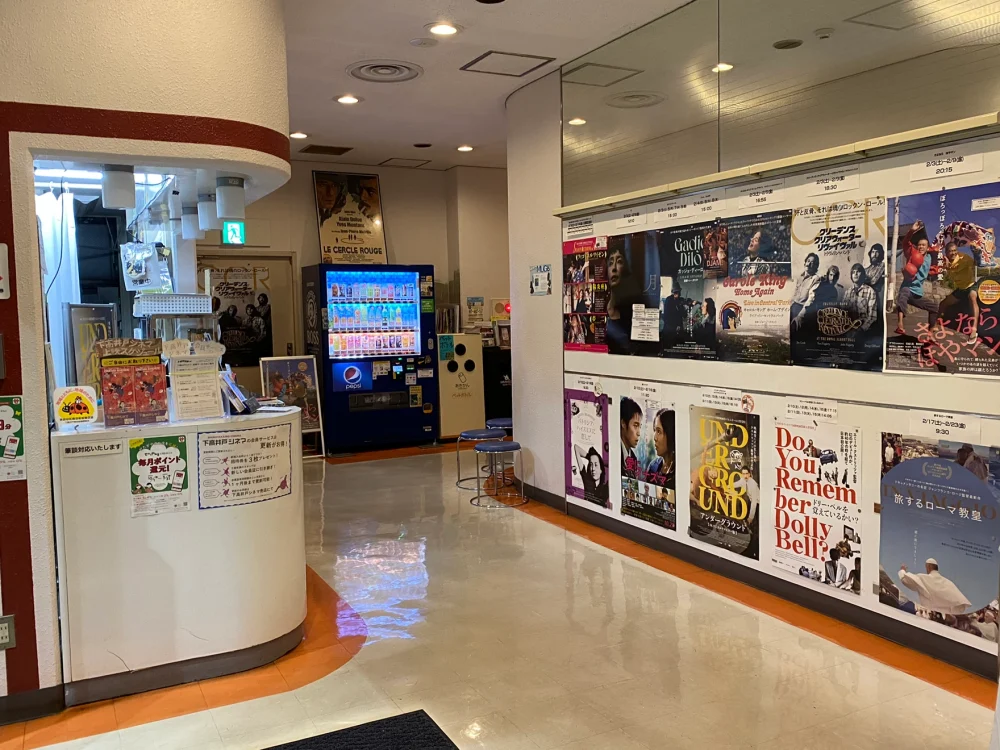
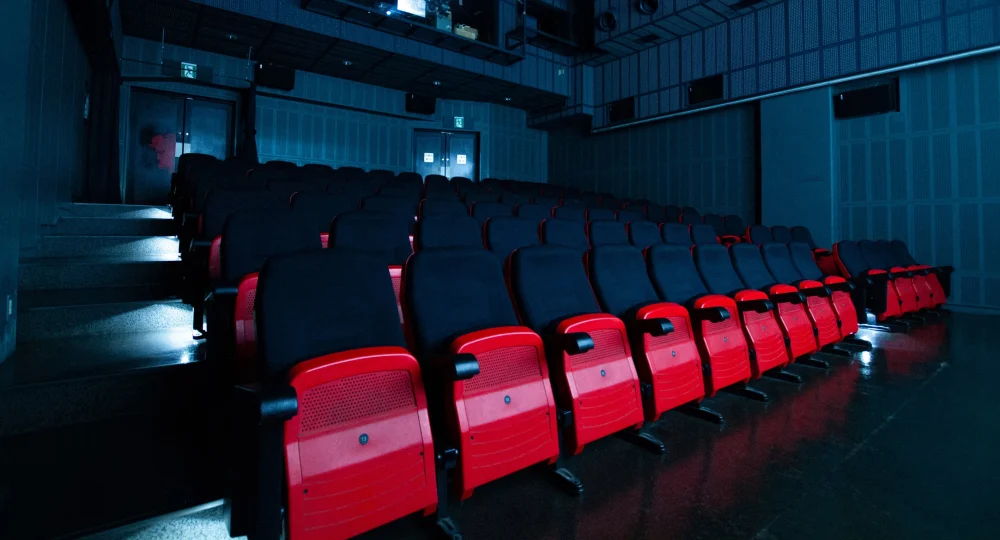
Shinjuku has a number of indie cinemas, but quirky Qualité shows a great range of foreign films and documentaries. Often, these titles are hard to come across in Tokyo. There are big-name Japanese films showing alongside indie productions. But their dedication to screening older Japanese and foreign films makes this the perfect destination for every film-lover.
Tickets from ¥1,500 Shinjuku-ku, Shinjuku 3-37-12 Shinjuku NOWA Building B1F 03-3352-5645
CinemArt mainly screens indie Japanese releases that won’t be screened at bigger, more mainstream cinemas. The theater does screen global releases, but later than in America or Europe. However, it is worth waiting to see them at this central cinema.
Tickets from ¥1,500 Shinjuku-ku, Shinjuku 3-13-3 Shinjuku Bunka Building 6-7F 03-5369-2831
A nostalgic venue dressed in postmodern architecture, Jinbocho Theatre specializes in classic Japanese cinema, manzai performances and independent plays. A day full of leafing through aged books, ending with a journey back in time to mid-century Japan.What more could you ask of the most creative neighborhood in Tokyo?
Tickets from ¥900 Chiyoda-ku, Kanda Jinbocho, 1-2-3 03-5281-5132
Possibly the coziest and most retro cinema in town, Meguro feels like you are opening the door to Showa-era Japan. Showing a diverse range of English–language cinema, as well as independent Japanese titles, Meguro’s schedule works on a weekly basis. A couple of films screen at the same times every day for one week, giving you ample time to soak up this sentimental atmosphere.
Tickets from ¥1,100 Shinagawa-ku, Kamiosaki, 2-24-15 Meguro West Exit Building B1 03-3491-2557
Originally written by Tomi Haffety in January 2023, and updated by the Metropolis Japan team in March 2026 for accuracy.
Metropolis
Metropolis is Japan's No. 1 English magazine, covering the nation's culture, fashion, entertainment and lifestyle for both local residents and aficionados abroad.
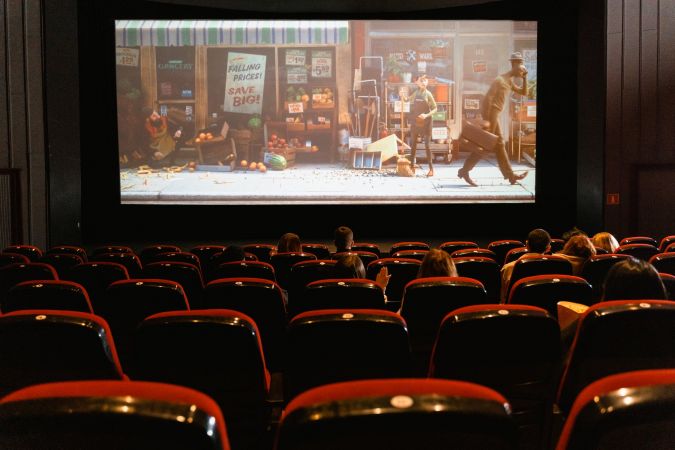

 Shinjuku has a number of indie cinemas, but quirky Qualité shows a great range of foreign films and documentaries. Often, these titles are hard to come across in Tokyo. There are big-name Japanese films showing alongside indie productions. But their dedication to screening older Japanese and foreign films makes this the perfect destination for every film-lover.