January 30, 2026
Exploring Japanese Traditional Incense and the Art of Kodo
Yoshimi Higuchi and the spirit of incense
A thin plume rises, twists and dissolves into the air. Lighting an incense stick is a silent ritual, a gentle exhalation into stillness. In Japan, incense, or ko, has long been a spiritual language; a bridge between the seen and the unseen. In temples, it accompanies prayers, while inside homes, it connects the living to their ancestors. For master craftsman Yoshimi Higuchi, who makes incense in the city of Ashikaga (Tochigi Prefecture), this ancient art remains a dialogue between matter and spirit.
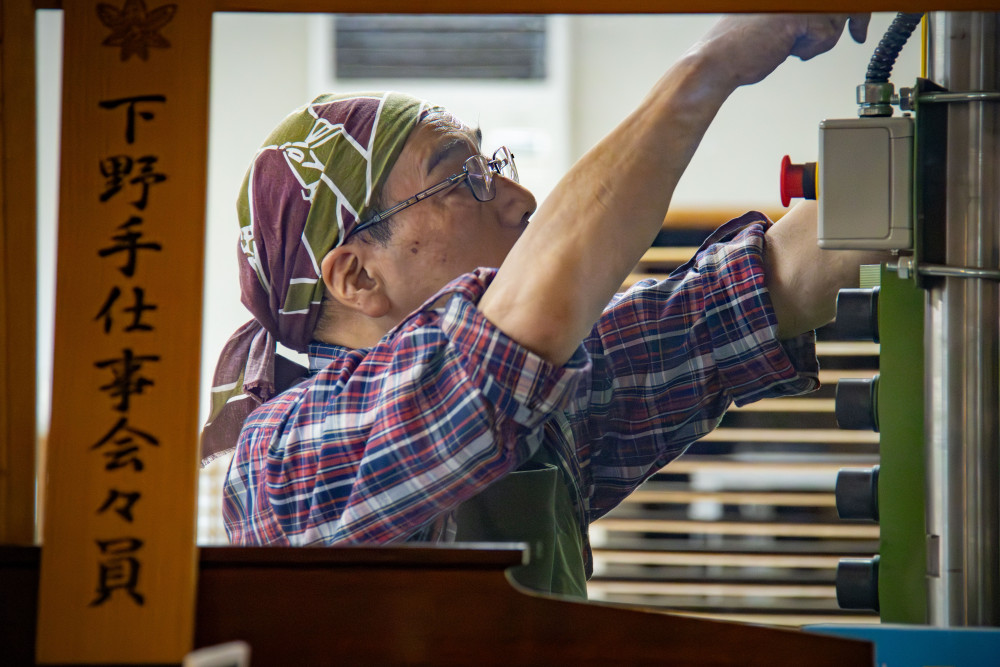
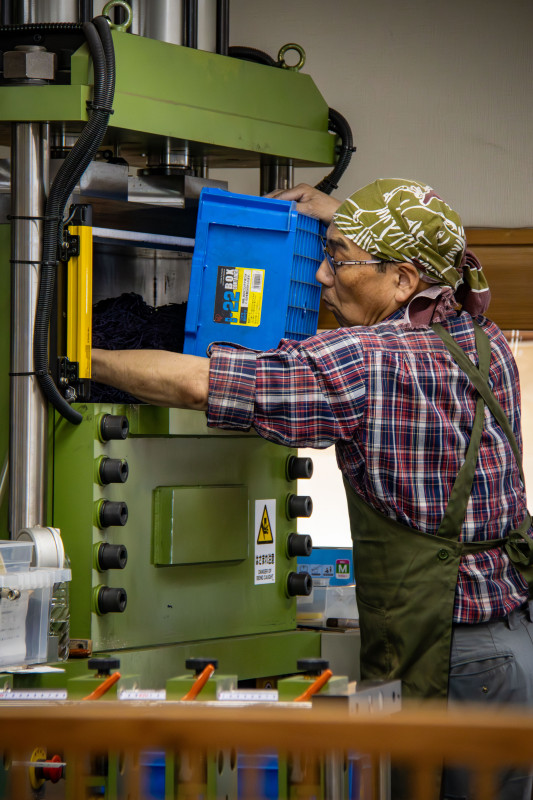
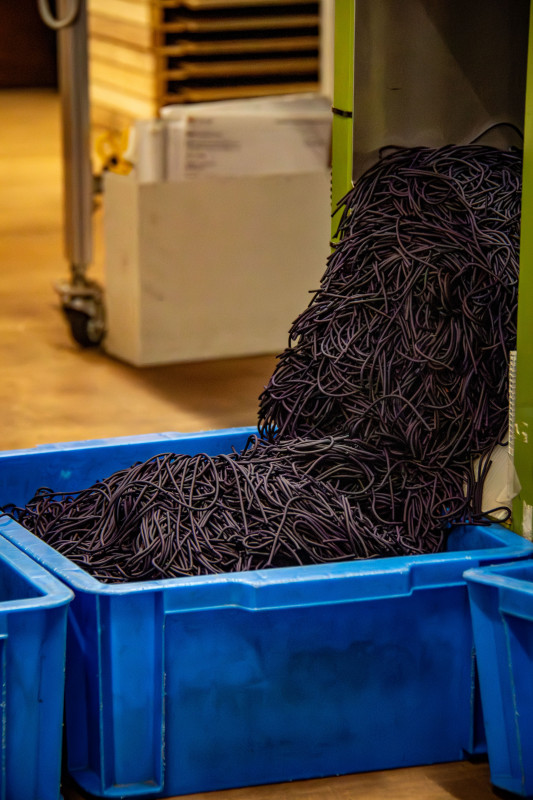
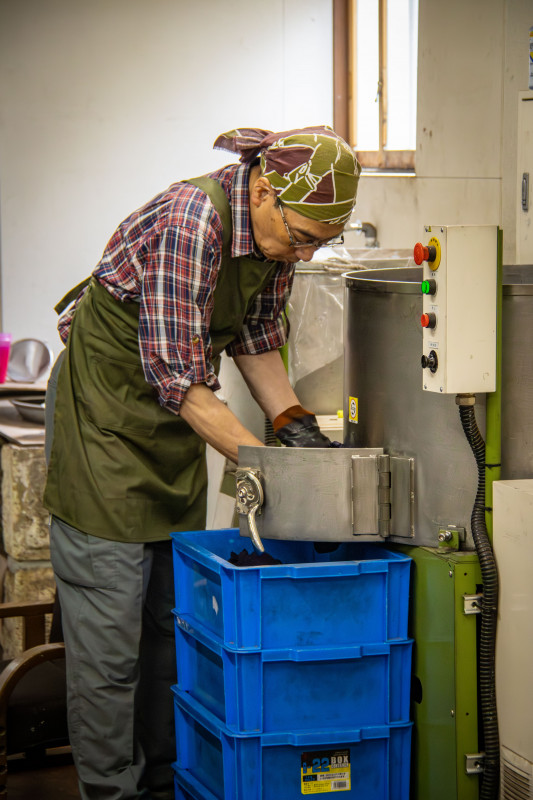
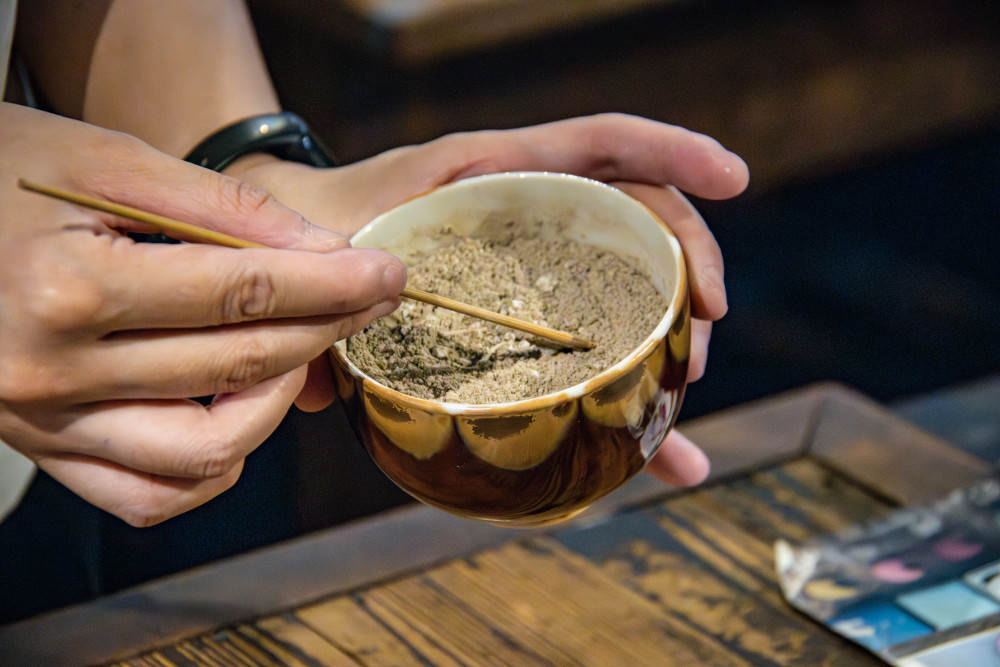
Inside his workshop, Ran to Tsuki (“Orchid and Moon”), Higuchi continues a tradition that stretches back centuries. He shapes blends that are both delicate and expressive, born from a long conversation between materials, gesture and time. Each morning, he adjusts the texture of his doughy incense, listening to the mixture beneath his fingers. “Even when I use the same ingredients,” he says, “the result changes with the climate, the humidity, the light. Incense lives with its environment.”
For Higuchi, making incense is less about producing a commodity than revealing a presence. His work reflects a deep Japanese philosophy of impermanence: that beauty lies in what is fleeting and that truth emerges through attentiveness. “Whatever I do, I’m never satisfied,” he smiles. “That’s why I keep going. Maybe perfection is never to reach it.”
A Fragrance of Faith and Memory
Incense arrived in Japan more than 1,400 years ago, alongside Buddhism from China and Korea. The Nihon Shoki recorded that in 595, a log of aromatic wood washed ashore on Awaji Island. When
burned, its fragrance astonished the villagers, who offered it to the imperial court. From that moment, incense entered the Japanese spiritual landscape as a divine gift, a breath connecting the human and celestial worlds.
In Buddhist temples in Nara and Kyoto, the slow-rising smoke became a metaphor for prayer ascending toward the heavens, the transformation of matter into spirit. Over time, this practice evolved beyond the religious sphere. During the Heian period (794-1185), incense became an aesthetic court art form by perfuming robes, poetry paper and intimate spaces. By the 15th century, it culminated in kodo, the “way of incense”.
In Shinto, Japan’s indigenous belief system, incense also holds a role of purification and invitation. Its fragrance is thought to summon the kami, spirits of nature, during seasonal rituals. Through its smoke, the impermanent and the eternal meet—the essence of Japanese spirituality.
The Artisan’s Breath
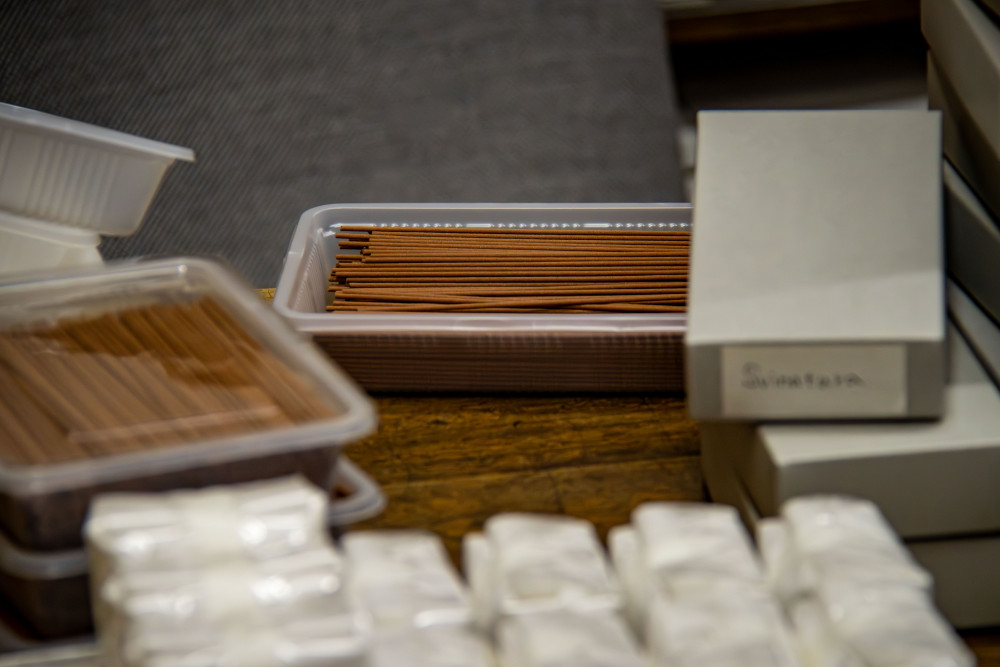
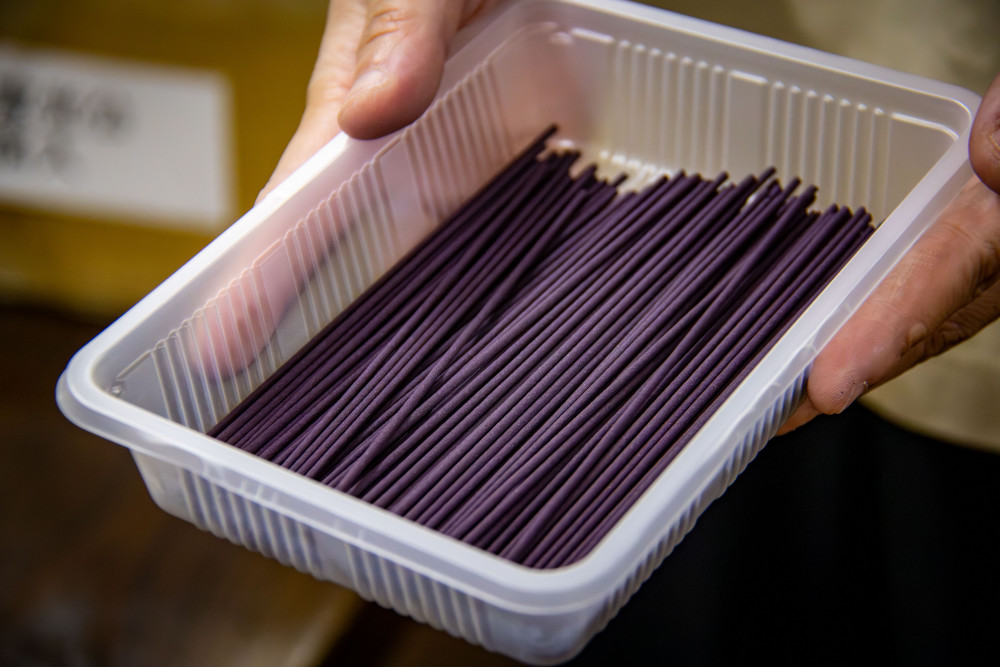
When Higuchi began at age 19, he saw incense-making merely as a task. Years later, he came to understand it as a form of self-cultivation. His process is rooted in discipline and sensitivity, balancing water and powder, rhythm and stillness. “The scent has moods,” he explains. “Some days it opens easily, other days it resists. You have to learn to listen.”

In 2020, when he temporarily lost his sense of smell due to COVID-19, Higuchi describes feeling “as if the connection to the world had vanished.” Yet the experience deepened his understanding: “To sense is not just to perceive an odor, it is to be connected to everything around you.” For him, incense-making is both a craft and a spiritual practice, an act of presence.
The Way of Incense
The kodo ceremony remains one of Japan’s most elusive traditional arts: invisible, intangible and profoundly meditative. Practitioners do not burn sticks, but small chips of aromatic wood warmed over charcoal. Each participant “listens” to the fragrance in silence, a ritual of mindfulness where time slows and attention deepens.
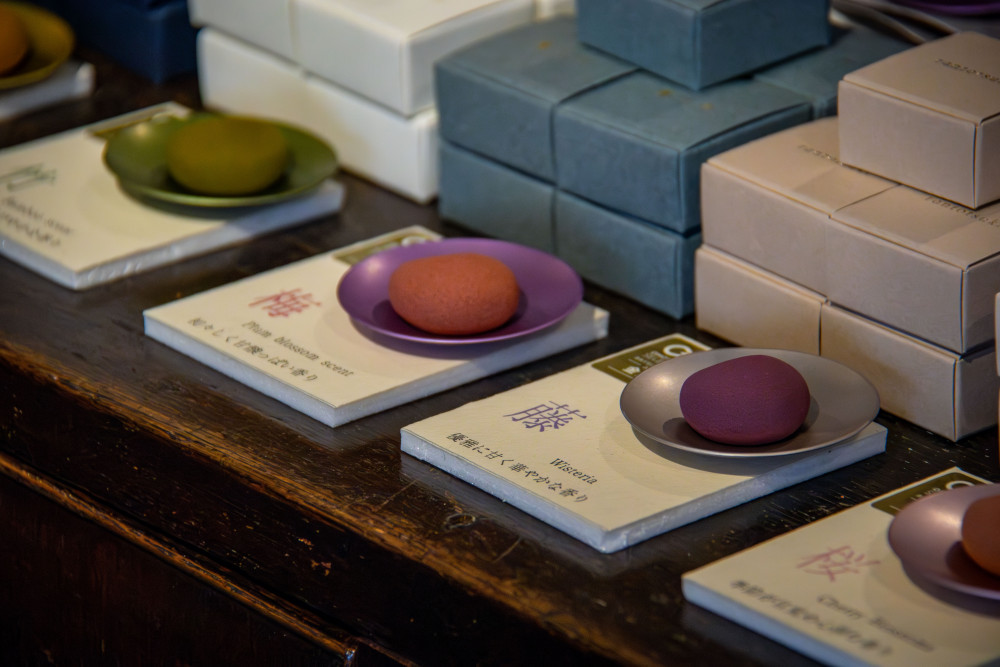
For Higuchi, each fragrance tells a story through the ephemeral language of scent. His incense is simple yet elusive, aiming to awaken. Through his quiet devotion, he carries forward the ancient soul of Japanese incense—a dialogue between earth and spirit, body and breath.