
June 12, 2025
11 Influential Japanese LGBTQ+ Novels to Read
Love, identity, and the untold tales of Japan’s queer community
By Metropolis
From groundbreaking literary works to contemporary masterpieces, here are 11 of the most influential Japanese LGBTQ+ novels that offer a glimpse into the diverse experiences of Japan’s queer community.
Spanning from historical classics to modern breakthroughs, these authors provide rich, nuanced portrayals of love, self-discovery and resilience. They not only reflect the complexities of queer identity in Japanese society but also challenge conventions and open up discussions about acceptance and equality. Where available, we’ve also noted if an English translation exists for international readers.
Advertisement
1. The Confessions of a Mask (1949) – Yukio Mishima (Available in English)

A seminal work in Japanese queer literature, Confessions of a Mask follows Kochan, a young man growing up in post-war Japan who struggles with his attraction to men while attempting to conform to societal expectations. Mishima’s semi-autobiographical novel is a deeply introspective examination of repression, self-deception, and the burden of maintaining a facade in a rigidly heteronormative world. Through poetic and often unsettling prose, this novel remains one of the most influential works in LGBTQ+ Japanese literature.
2. The Little House (2010) – Kyoko Nakajima (Available in English)
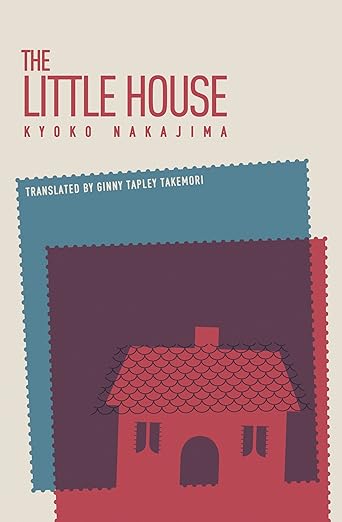
Told from the perspective of an elderly housemaid recalling her past, The Little House is a nostalgic and emotionally rich narrative set in pre-war Tokyo. As she reflects on the family she served, subtle yet profound themes of same-sex attraction emerge, adding layers of complexity to an already intimate portrayal of love and secrecy. Nakajima delicately explores how societal norms and unspoken desires shape relationships, making this novel a quietly powerful read.
3. あのこは貴族 “Aristrocrats”(2009) – Mariko Yamauchi (Japanese only, English translation not yet announced)

Set in contemporary Tokyo, this quietly incisive novel follows Hanako and Miki, two women from vastly different backgrounds connected through the same man. Hanako, raised in wealth, becomes engaged to Koichiro, a lawyer from a similar class. Miki, who dropped out of Keio University due to financial hardship, meets Koichiro while working at a lounge. Their affair continues even after his engagement.
As Hanako and Miki come to know each other, the novel unpacks the intersecting pressures of class, gender, and social mobility. Rather than focusing on romance, it explores a subtler kind of queerness—how women relate to each other within, and against, the roles society assigns them.
4. Lonely Castle in the Mirror (2017) – Mizuki Tsujimura (Available in English)

This bestselling fantasy novel follows a group of isolated students who are magically transported to a mysterious castle, where they must navigate a world filled with secrets and unspoken truths. While not explicitly an LGBTQ+ novel, Lonely Castle in the Mirror subtly explores themes of identity, alienation, and self-acceptance, offering an allegory for the struggles of queer youth in Japan. Its emotionally resonant storytelling makes it a must-read for anyone who has ever felt like an outsider.
Advertisement
5. Breasts and Eggs (2020) – Mieko Kawakami (Available in English)

A bold and thought-provoking novel, Breasts and Eggs delves into themes of body autonomy, gender, and class, centering around three women navigating their own personal struggles. One of its key subplots involves a transgender character confronting Japan’s rigid societal norms. Kawakami’s candid and unflinching prose challenges conventional narratives on womanhood and identity, making this a groundbreaking and essential read.
6. If Cats Disappeared from the World (2012) – Genki Kawamura (Available in English)

While not explicitly LGBTQ+, this heart-wrenching novel explores themes of love, loss, and relationships. All through the story of a dying man bargaining with the devil to prolong his life. Within its tender narrative lies a subtle but profound contemplation of different forms of love. This includes those that defy traditional norms. Kawamura’s storytelling is simple yet deeply affecting, leaving readers with a lingering sense of introspection.
7. 火花 “Spark” (2015) – Naoki Matayoshi (Available in English)
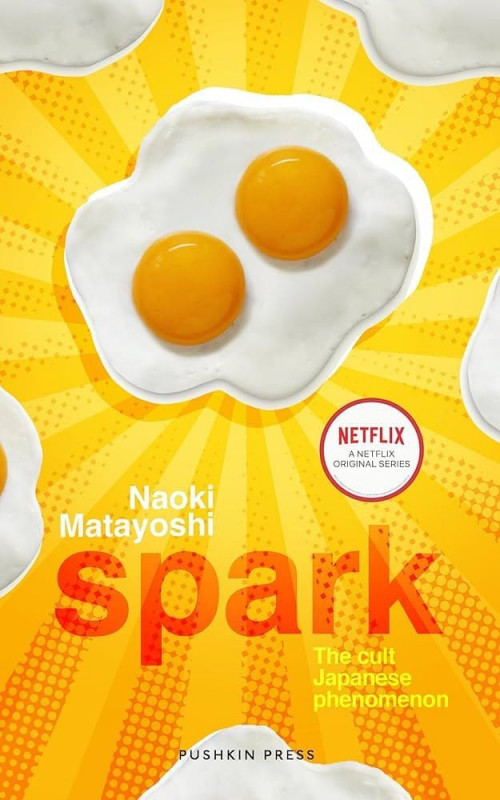
A witty and heartfelt novel about the struggles of an aspiring comedian, Spark offers an unexpected yet compelling romantic subplot. Matayoshi weaves humor and vulnerability into the narrative, highlighting the challenges of navigating queer identity in Japan’s male-dominated entertainment industry. The novel’s charm and emotional depth make it an engaging and thought-provoking read.
8. 飼育 “Prize Stock” (1958) – Kenzaburo Ooe (Available in English)

This 1958 novella, which won the Akutagawa Prize, follows a young boy in a rural Japanese village during WWII as he and other children capture and interact with a downed Black American pilot. While not known as an LGBTQ+ work, some scholars have noted the homoerotic undertones in Ōe’s depiction of male characters and their intense, often physical interactions. These readings highlight how emotional and bodily intimacy between boys in Ōe’s writing can invite queer-adjacent interpretations, even if not explicitly intended.
9. Vita Sexualis (1909) – Ogai Mori (Available in English)
Often cited as one of the earliest examples of modern Japanese literature to openly address sexuality, Vita Sexualis is a fictionalized memoir of a man reflecting on his sexual development. Though not a queer novel in a modern sense, the narrator reflect on early same-sex experiences and attractions, including a schoolboy crush and interactions with male classmates. These moments are often described in a detached, clinical tone, but they are present and several scholars have examined how the novel’s repression, ambiguity, and emotional distance toward women can point to queer subtext or internalized desire, particularly in the context of Meiji-era masculinity. The book was banned shortly after publication, highlighting the discomfort it provoked around non-normative expressions of intimacy.
10. In Praise of Shadows (1933) – Jun’ichiro Tanizaki (Available in English)
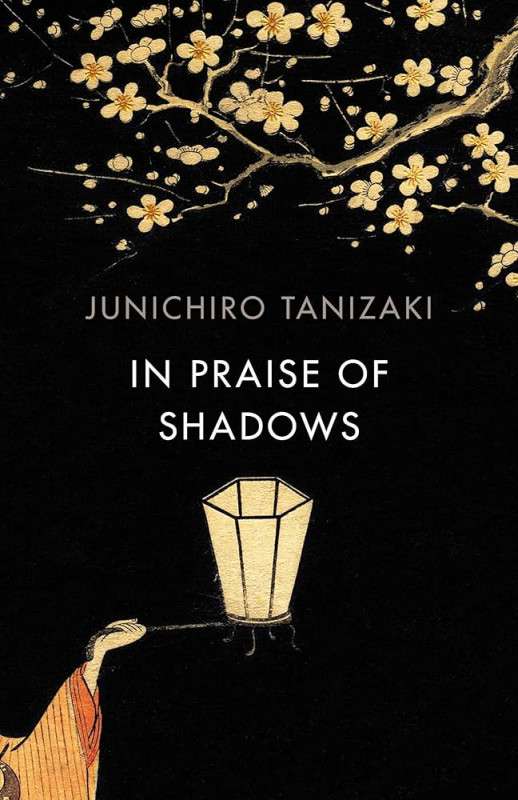
While technically an extended essay rather than a novel, In Praise of Shadows is a poetic meditation on aesthetics, traditional architecture, and Japanese notions of beauty and sensuality. Tanizaki’s lingering descriptions of dimness, tactility, and the eroticism of obscured forms have fascinated queer theorists and readers alike. The essay’s sensual, moody tone—and its implicit contrast to modern Western rationalism—has led some to explore its queerness as an aesthetic and spatial sensibility rather than an identity.
Advertisement
11. Bath Towel (1996) – Jiro Fukushima (Available in Japanese only)

Nominated for the 115th Akutagawa Prize, Bath Towel is a short story that portrays a same-sex relationship between a high school teacher and his male student. Based on Fukushima’s own experiences as a teacher and poet in Kumamoto, the story explores desire, power, and taboo with raw emotional clarity. Fukushima later published an autobiographical novel revealing a relationship with Yukio Mishima, further cementing his cult status in queer literary circles.
Explore More LGBTQ+ Stories in Japan:
- Queer Voices in Japanese Cinema – A list of must-watch LGBTQ+ films
- These Japanese LGBTQ+ novels offer rich and meaningful insights into the diverse world of queer literature. Let’s celebrate and support the voices shaping the future of LGBTQ+ storytelling in Japan.