Traditional Japanese Performing Arts
A guide to the major styles of Japanese Performing Arts
Japan’s traditional performing arts date back more than 1,000 years, and many are still performed across the country today. The full list could go on for pages, but here’s a quick guide to some of the major styles you’ll encounter, from grand theater to shrine rituals.
Interest in Japanese Arts? Check out Metropolis’ Cultural Section for more art-related articles.
Kabuki
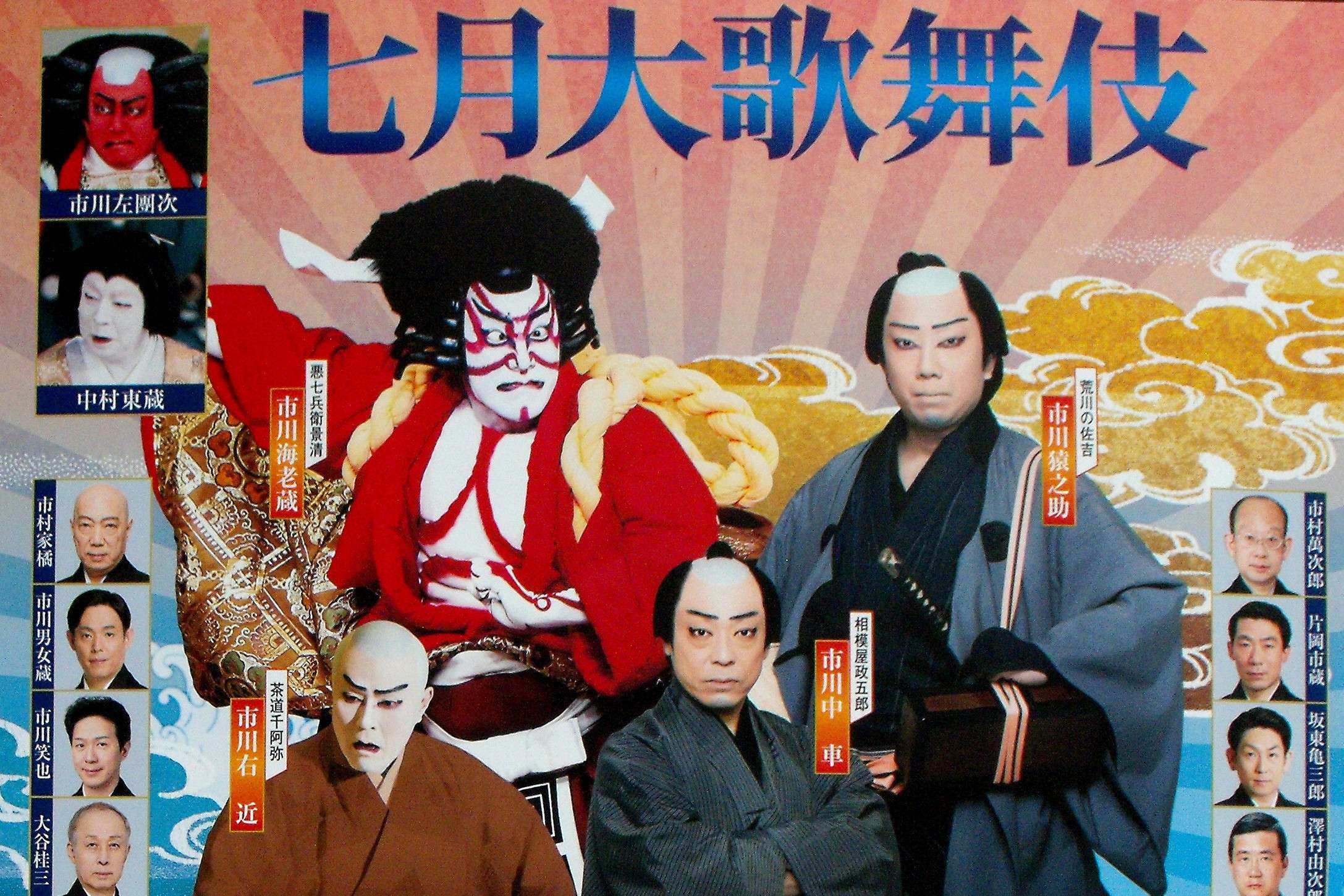
Developed in the 17th century during the Edo period, kabuki is known for bold kumadori makeup, elaborate costumes and dramatic poses called mie. Performances combine dance, music and stylized acting. All roles are played by men, including female characters, known as onnagata.
Noh
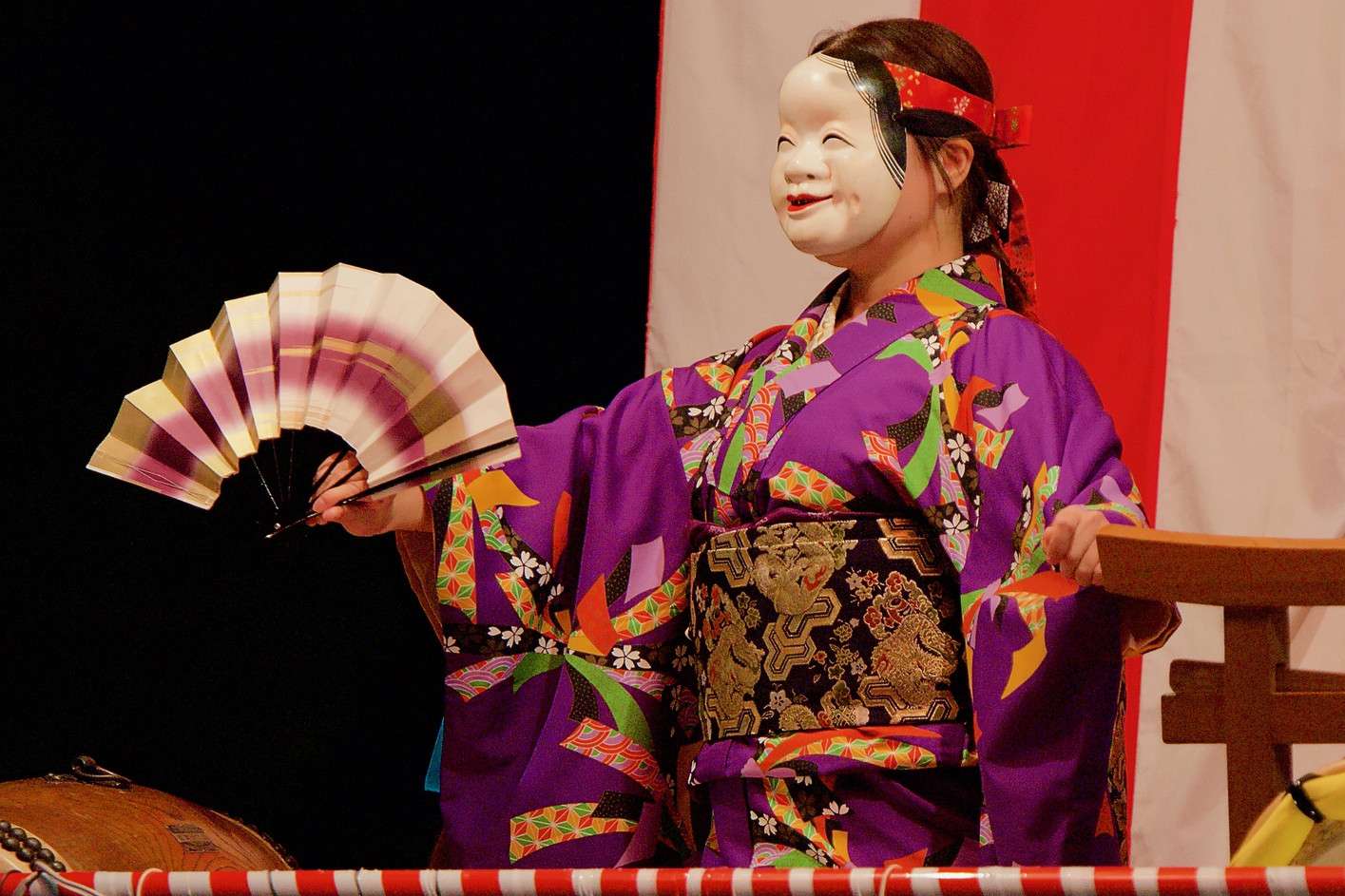
Noh is a 600-year-old classical theater form characterized by slow, controlled movements and poetic chanting. Performers often wear carved wooden masks to portray spirits, gods or historical figures. The minimalist stage design emphasizes subtle gesture and atmosphere.
Kyogen
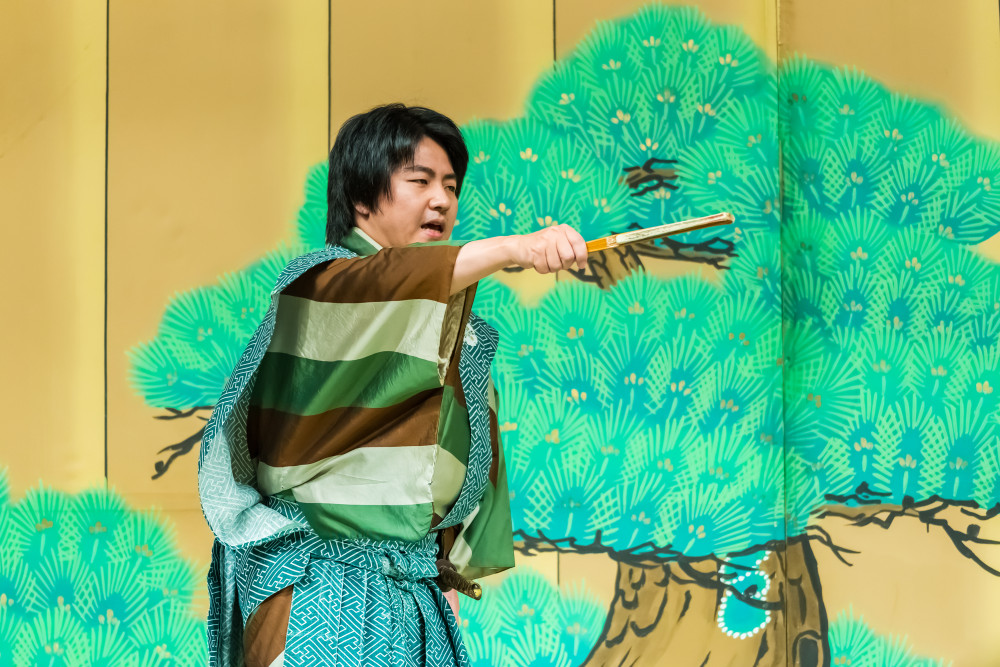
Kyogen developed alongside noh as its comedic counterpart. Performed between noh plays, it features everyday characters and witty dialogue. Unlike noh, kyogen relies less on masks and focuses on spoken humor.
Bunraku
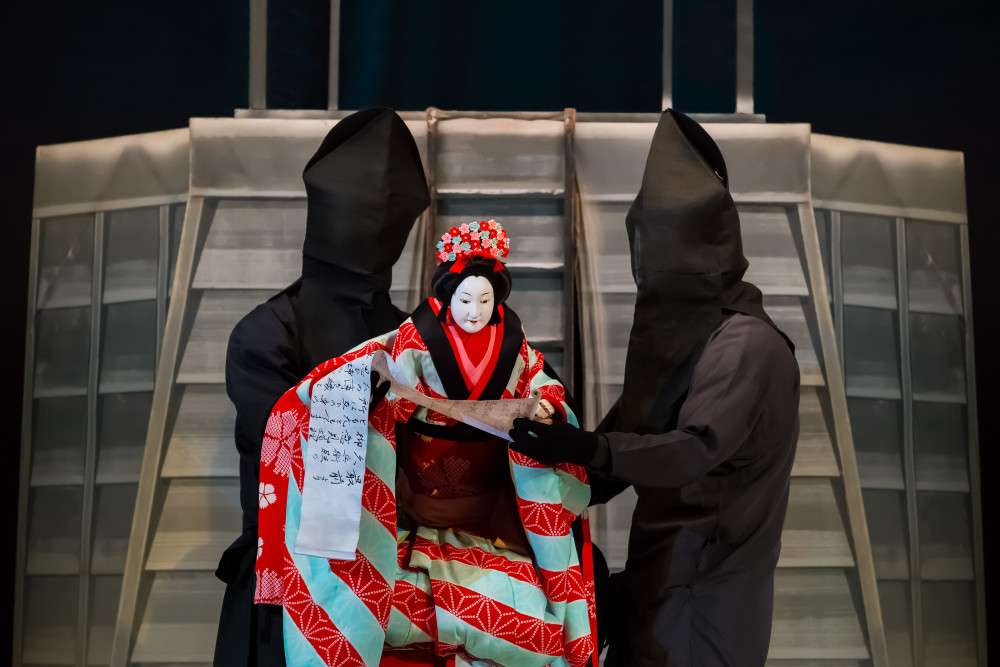
Bunraku is traditional puppet theater built on joruri, a narrative musical form in which a tayu (chanter) recites dramatic stories accompanied by a shamisen. In bunraku, that narration and music merge with intricately crafted puppets to create a performance tradition dating back roughly 400 years. Each puppet is operated by three visible puppeteers, working in precise coordination on stage.
Gagaku
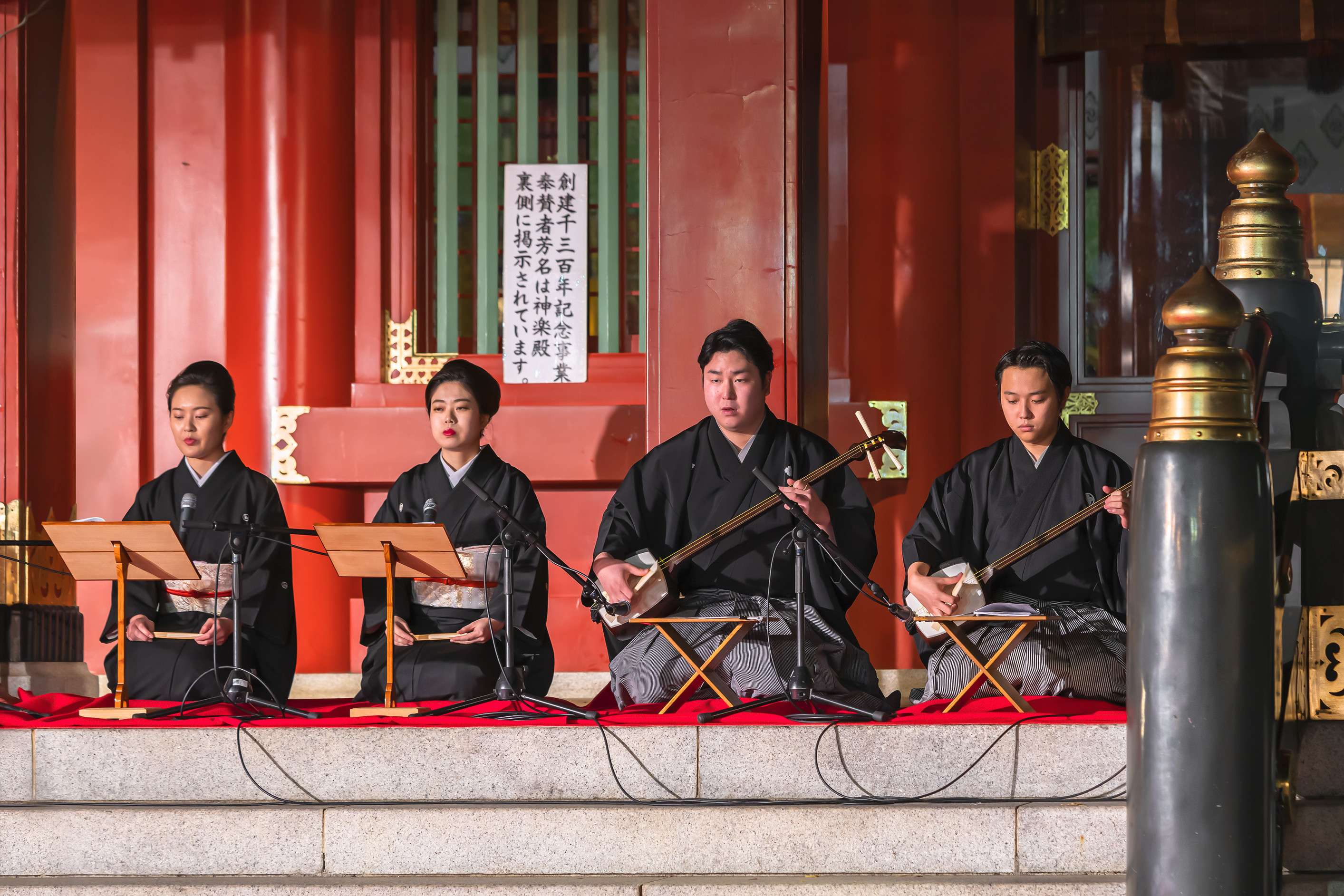
Gagaku is Japan’s oldest form of court music, dating back over 1,000 years. It was historically performed for the Imperial Court. The ensemble includes wind instruments such as the sho and hichiriki, along with percussion.
Rakugo
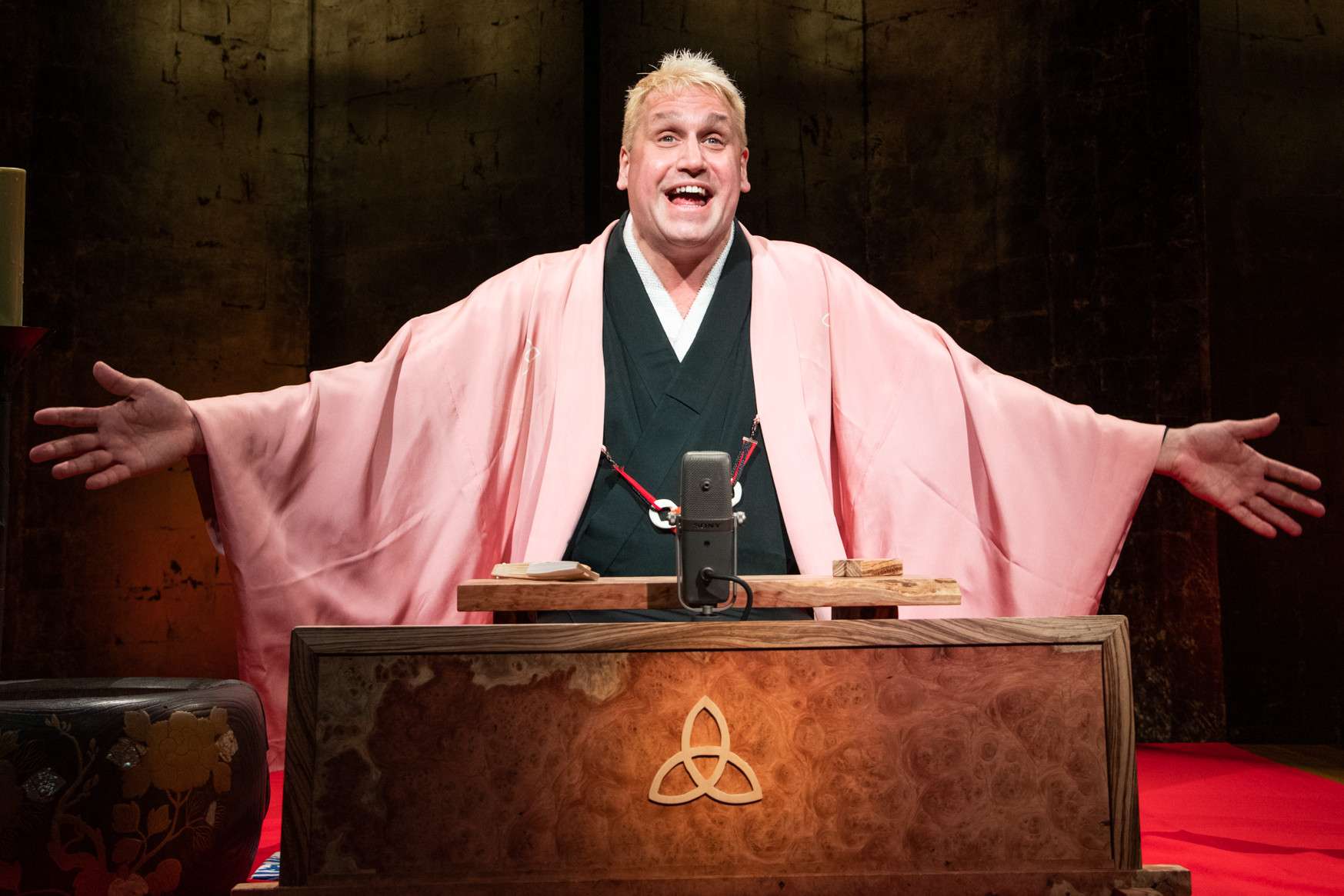
Rakugo is a form of seated storytelling performed by a single narrator. Using only a fan and small cloth as props, the performer voices multiple characters. Stories are humorous and end with a punchline.
Nihon Buyo
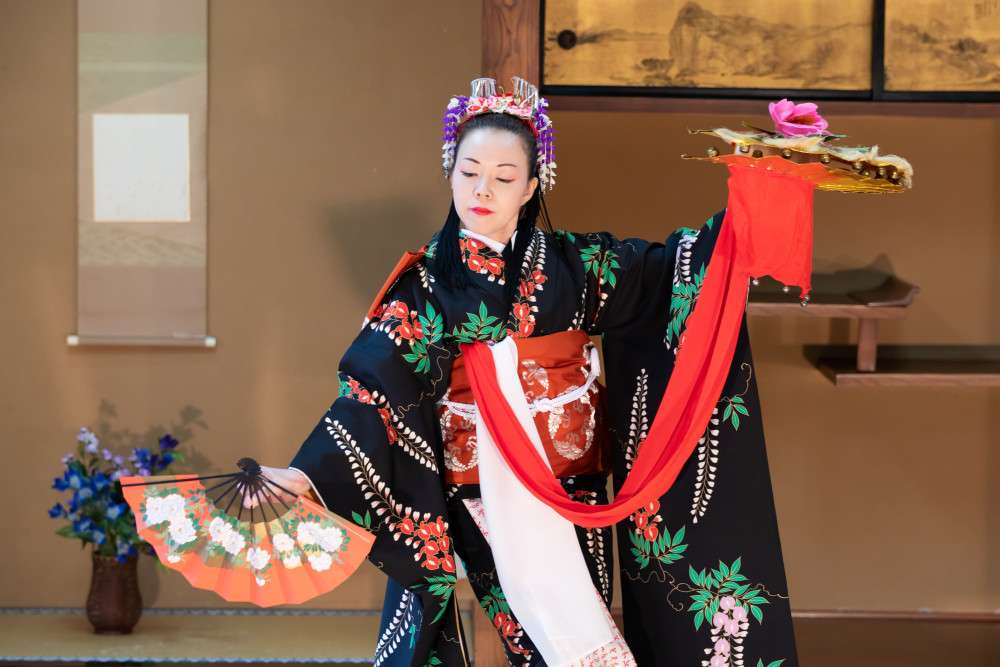
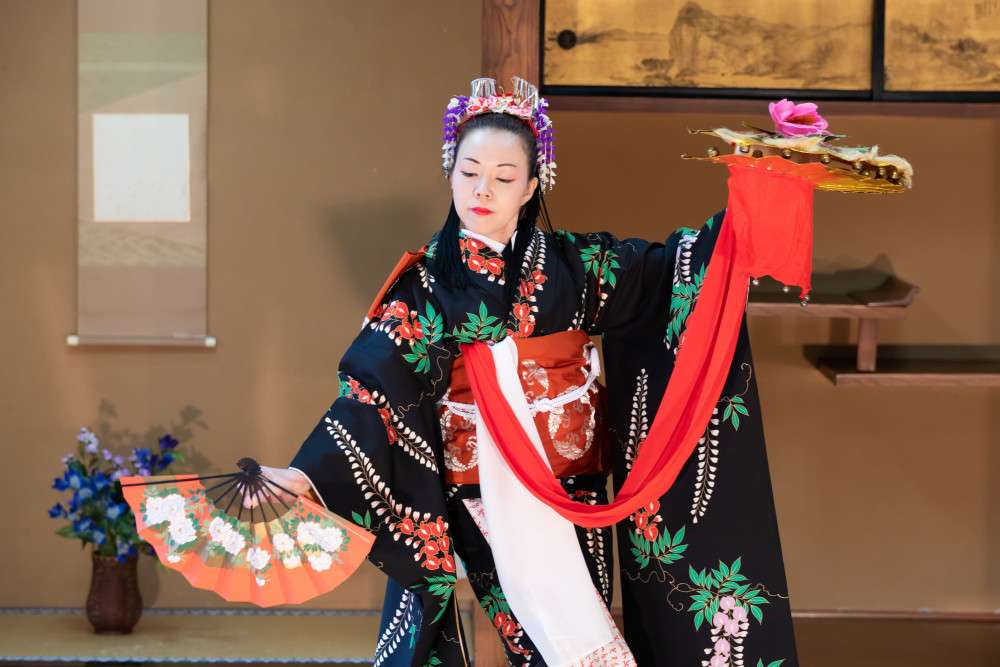
Nihon buyo is a classical dance form influenced by kabuki and regional folk traditions. Movements are controlled and expressive, often accompanied by traditional music. Performers wear kimono and use fans or props.
Kagura
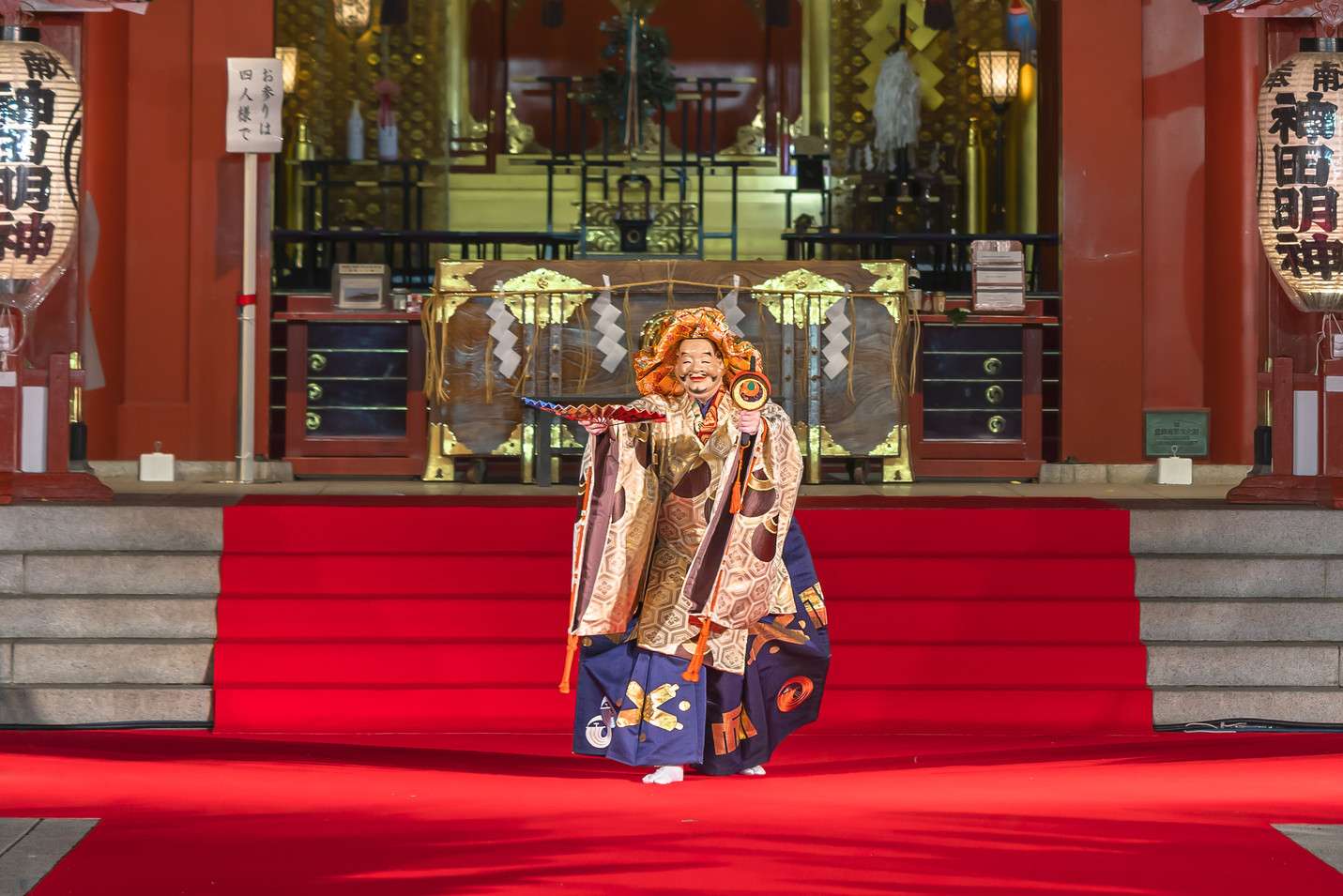
Kagura is a Shinto ritual dance performed at shrines during festivals. It reenacts myths related to the gods and is often accompanied by drums and flutes. Some styles remain sacred ceremonies, while others have evolved into public performances.
This article was originally published in Metropolis Magazine, “Drama,” Spring 2026. Read the full issue here.