May 28, 2020
Tiles and Tactics: Mahjong in Japan
Mahjong’s smoky past endures in Japan’s design and rhythm of play.
By Metropolis
The origin of mahjong is in China and it is surrounded by myth and multiple theories. Some say the game dates back to the 6th century BCE and was invented by Confucius. A more accepted account traces it to the late Qing dynasty, between 1862 and 1874, when Chen Yu-men of Ningbo combined two older games: yezi (or madiào), a card game from before the 12th century, and gupai, a domino-like game from the Ming period. This fusion created májiàng, which means “sparrow” in Chinese. The earlier game yezi later spread to Europe and evolved into modern playing cards.
Japan encountered májiàng during the Taishō era, when Shanghai’s cosmopolitan culture fascinated Tokyo’s modern set. Japanese players refined the rules and developed a more systematic scoring method, creating maajan. By the postwar years, jansō, or mahjong parlors, had become fixtures of urban life, serving as smoky retreats for salarymen, students, and writers.
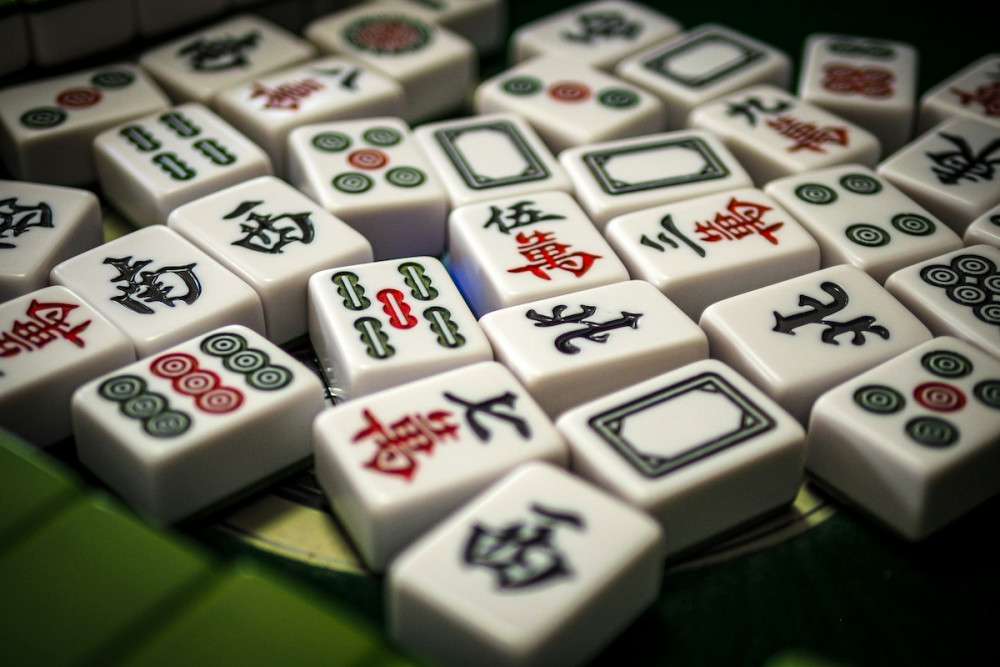
Today, the game continues to evolve. Many jansō now resemble minimalist cafés, clean and bright with coffee replacing cigarettes. Online platforms have transformed mahjong into a digital spectacle with professional leagues and televised tournaments. At the same time, a growing number of younger players are rediscovering the tactile appeal of traditional tiles and quiet in-person play.
In Japan, mahjong bridges eras and atmospheres. Whether played in a Shinjuku lounge or a countryside inn on a rainy night, the rhythm of the tiles remains the same, a measured blend of chance, skill, and anticipation that keeps players returning to the table.