December 25, 2025
New Year’s Resolutions in Japan: Try New Year’s “Precedents”
How Japan’s “Firsts” Remind Us To Start the Year With Intention
By Tamaki Hoshi
Every New Year, we burden ourselves with resolutions. Japanese customs, however, offer another way to begin the year: not with vows for completion, but with reverence for beginnings.
Here, the New Year unfolds through a series of hatsu (初), or “firsts.” Consider adopting this alternative approach to January 2026 by incorporating its customs, from the first sunrise (hatsu-hinode) to the first shrine visit (hatsu-mode), the first dream (hatsu-yume), and even the first bath (hatsu-yu).
Welcome the new year with our guide to Things To Do in Tokyo at Christmas and New Year.
The Meaning of “Hatsu”
The character for hatsu, 初, combines the radicals for “cloth” (衣) and “blade” (刀), evoking the first, irreversible cut that starts a garment’s creation. It’s an act that requires both precision and resolve, just as each year asks us to begin again with intention.
The Culture of “Firsts”
Unlike modern New Year’s resolutions, which emphasize perfection and completion, the customs of hatsu promote continuity. It acknowledges that every start is temporary, and every ending, too, becomes a start.
Japan’s cyclical relationship with beginnings comes from and is reflected in its celebration of the seasons: the first plum blossoms in spring, the first summer moon, or the first harvest of autumn. And at the heart of winter, the New Year’s customs of “firsts” form a calendar of ritualized rebirth.
Customs of “Firsts” in Tokyo To Begin Your 2026
Here are five traditional customs that you can quietly incorporate into your New Year’s celebration.
Hatsuhinode (初日の出): The year’s “first sunrise,” welcomed in reverent silence from mountains, beaches or rooftops. For those in Tokyo, join early risers at Mt. Takao, Tokyo Tower, or Tokyo Skytree to watch the first light spill across the horizon at 6:51 a.m.
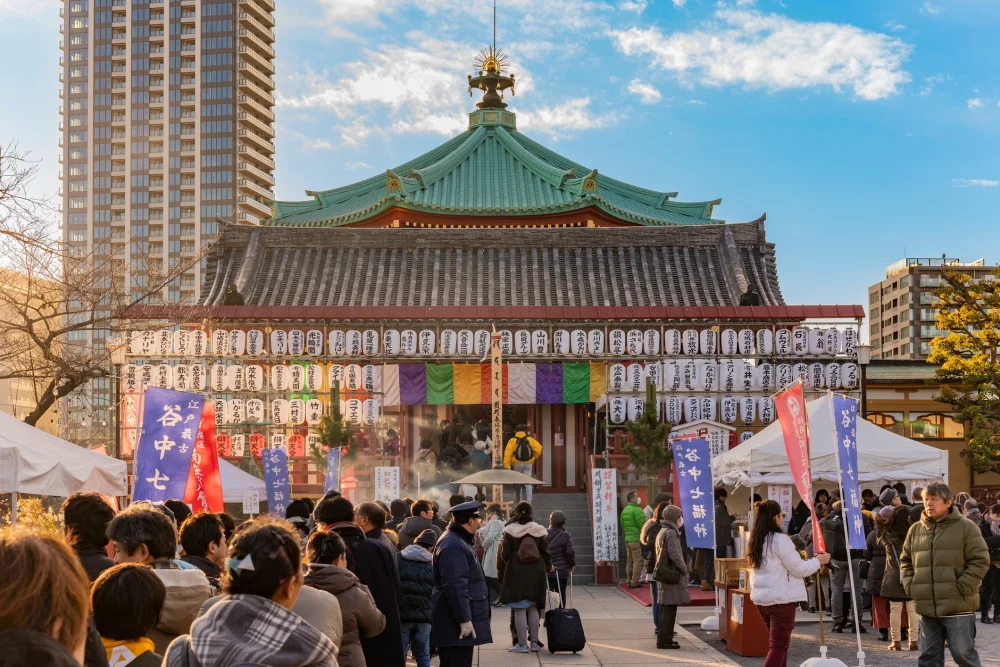
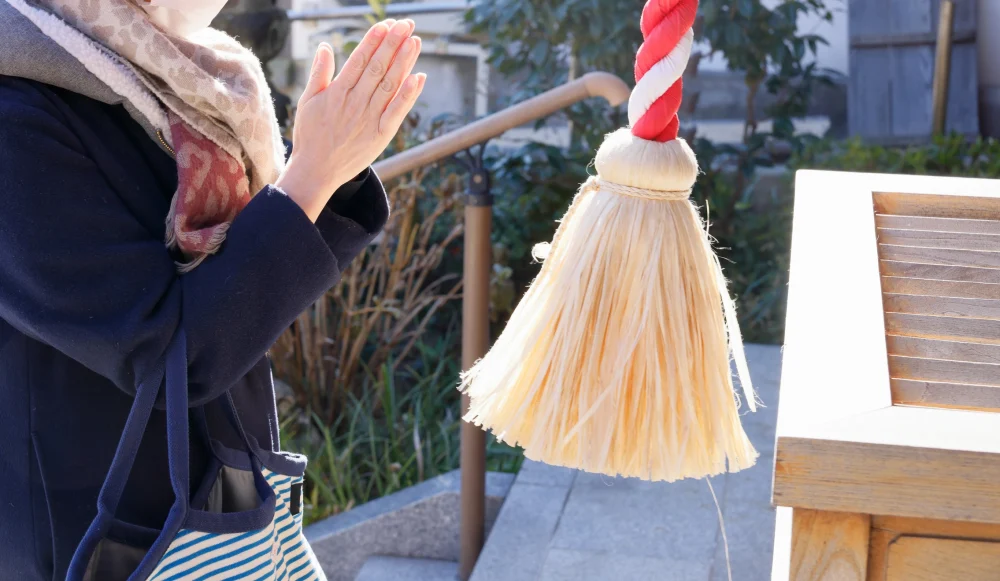
Hatsumode (初詣): The “first shrine or temple visit,” a quiet prayer for renewal. Rinse your hands, bow, clap and breathe in the mingled scent of incense and cedar. Whether amid Meiji Shrine’s calm or Senso-ji’s festive crowd, it’s less about asking and more about praying with gratitude.
Hatsuyume (初夢): The year’s “first dream,” said to foretell one’s luck. Fortune is said to smile on those who dream of Mount Fuji, a hawk, or an eggplant (sang as a rhyme “ichi Fuji, ni taka, san nasubi”). It’s a gentle superstition, perhaps, but also a reminder to notice what your sleeping mind chooses to begin with.
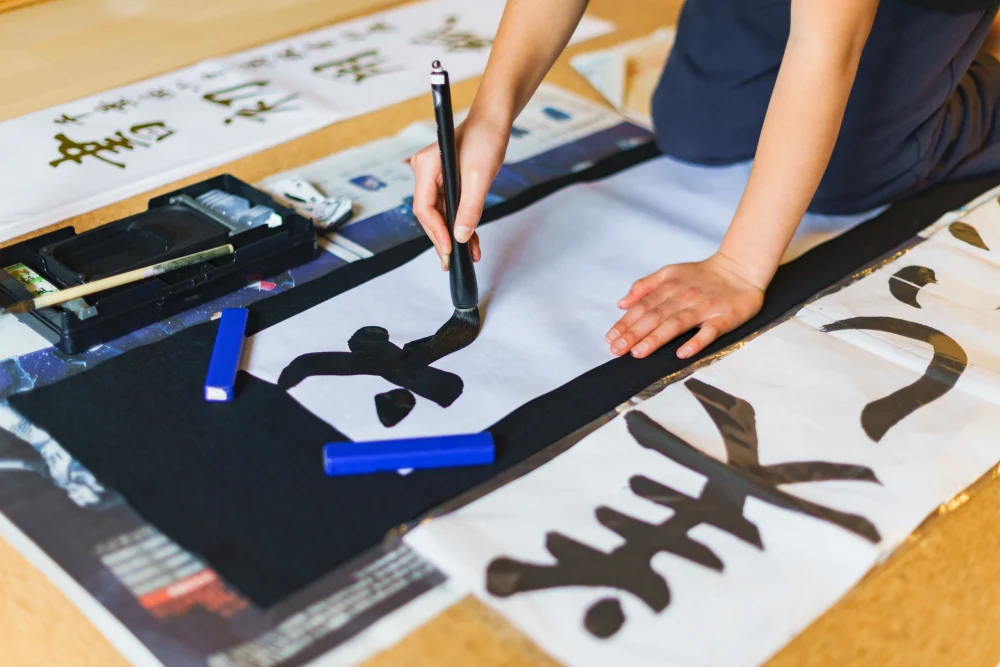
Kakizome (書き初め): The “first writing,” done on January 2nd with brush and fresh ink. More meditative than a resolution, it’s a way to write your hopes into being. Even if the goal fades, the moment of creation endures, reminding us that beginnings themselves can be beautiful.
Hatsuyu (初湯): The “first bath” of the year, a ritual of cleansing. Some seek onsen steam under winter skies; others simply linger at home, allowing a little extra time to soak in the tub. Either way, it’s an act of renewal for both body and mind.
Beyond these, there are countless other firsts: the first glance into a mirror (hatsukagami), the first sip of tea (hatsucha), and even the first laughter (waraizome).
Bringing Hatsu Into the Everyday
You needn’t be in Japan to honor the spirit of hatsu. You can also make your own customs because the essence of hatsu isn’t in tradition alone. It can unfold in everyday gestures, like the first sip of coffee savored, or the first message sent with care. The appreciation for hatsu teaches that renewal is not reinvention, but refocus.
This New Year, trade resolutions for reverence. Begin gently, and let that first step—however small—carry the calm of intention through the circling seasons ahead.
This New Year, tradition meets change. Check out our article on Japanese New Year Traditions that have been around for centuries.