December 31, 2024
Where to Eat Authentic Chinese Cuisine in Tokyo: No More “Chuuka”
Tokyo is full of regional Chinese food waiting to be tried.
By Metropolis
There’s nothing wrong with machi chuuka (Japanese-style casual Chinese cuisine). But with the flourishing Chinese community in Ikebukuro, it would be a shame not to take advantage of Tokyo’s truest Chinese flavors.
Yokohama Chinatown is just a short train ride from Tokyo, but like many Chinatowns in the West, it reflects a strong Cantonese (Guangdong region) influence, reshaped over time to match local flavor and simplified presentation.
“Chinese cuisine” is a very generalizing term. Given the vastness of the land and its ethnolinguistic diversity, culinary variety naturally follows. In fact, the idea of “Chinese cuisine” is comparable to “European cuisine”, a fair comparison considering China’s scale and diversity.
So instead of simply searching for “Chinese restaurants,” if you want to try gachi chuuka (authentic Chinese cuisine in Japan), you’ll need to look by region — whether that’s a province, an autonomous municipality, or an ethnic group.
Here is a growing, regularly updated list of restaurants to guide your next food tour and introduce you to some of the most authentic regional Chinese food in Tokyo.
If you’d like to learn more about the difference between machi chuuka and gachi chuuka in Japan, as well as the history behind them and more detailed recommendations, check out this article:
A Tale of Two Chinese Cuisines in Japan
1) Huoyanshan Xinjiang / Kaenzan Shinkyo (火焔山 新疆 )
[Xinjiang Uygur Autonomous Region]
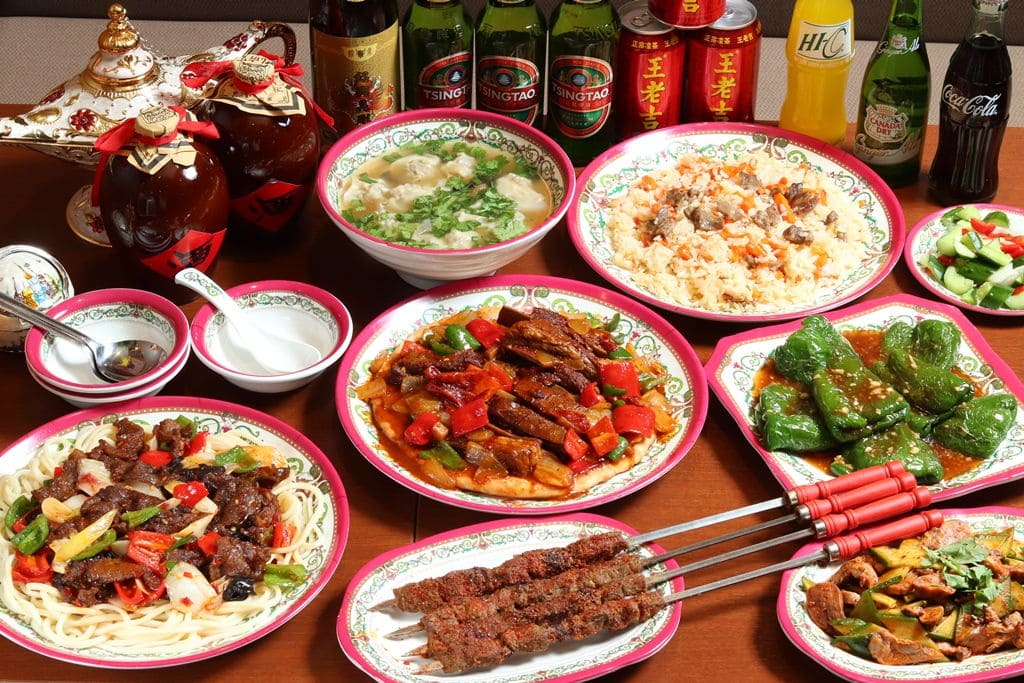
Uyghur cuisine may not be the first variety of cuisine that comes to mind when searching to satisfy your Chinese cravings, but if you’re a fan of Middle Eastern flavors it shouldn’t be passed up.
The Uyghurs are an ethnic group concentrated in China’s western Xinjiang province, with communities also spread throughout China as well as in Kazakhstan and Kyrgyzstan. As a Turkic people with deep roots in Central Asia, their culture and cuisine reflect that crossroads. While many today associate Turkic peoples with Turkey in West Asia/Middle East, their origins lie much closer to where the Uyghurs remain, before some groups migrated westward to Anatolia.
Entering Kaenzan Xinjiang, expect to be welcomed by the warm atmosphere and powerful scent of spices wafting from the kitchen. Red in all shades is represented across the menu. Leaning toward a more typical image of Chinese cuisine are a variety of noodle dishes. The spicy and scallion heavy Uyghur-style stir-fried noodles topped with sesame seeds gives it that Uyghur spin that makes it a must-try. Lamb is also in abundance, with notable dishes including spicy lamb hoof and Xinjiang-style lamb skewers.
If you’re overwhelmed by the selection, call Kaenzan Xinjiang a week before your visit. For ¥3,850 you can enjoy a Xinjiang Uyghur Cuisine Omakase Course!
1-20-11 Minamiikebukuro, Toshima-ku
(They also have a branch in Ueno)
kaenzan-xinjiang.owst.jp
2) Sajiaoxiaojiuguan / Sanshousakekan (撒椒小酒館)
[Sichuan Province]
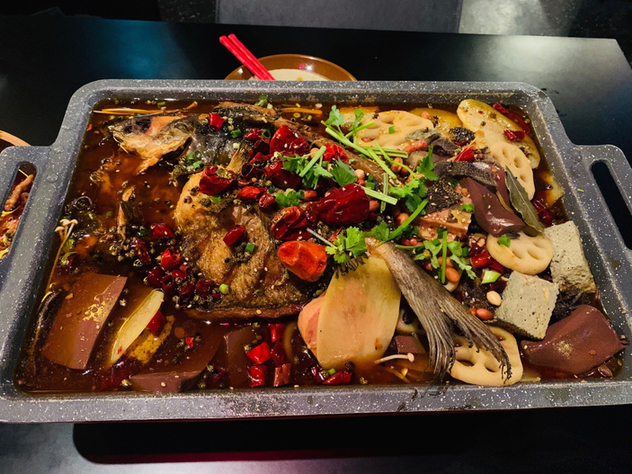
Sichuan cuisine, sometimes written Szechuan or Szechwan, has experienced a boom in global recognition. Hailing from the province famous for being the home of the panda, this cuisine is known for its dried chili peppers and numbing peppercorns. But don’t fear, If spice doesn’t sit well with you, there are a number of other enticing options as well.
Entering Sanshou Sakekan isn’t as straightforward as one might assume. Facing the Nissan building, take the staircase on the left until you reach the 4th floor. Yes, you may face obstacles such as stacks of boxes or cleaning equipment, but do not let this deter you. Once you open the heavy door, you’ll be transported to a bright, frenetic environment with attentive staff and occasionally a DJ, or at least Chinese and English language music videos projected onto the wall.
Century egg and beef with green pepper would be a strong start on your journey at Sanshou. Century egg is known for its “ammonia” flavor profile that comes from the process of preserving the egg in clay. If that doesn’t tempt you, I highly recommend “drooled chicken”, more frequently rendered as “mouth-watering chicken”. It’s a cold, juicy chicken plate that is so delicious it was honored with the name “mouth-watering chicken” amongst all the chicken dishes.
For your main course, you’ve got your pick of grilled skewers, collagen-rich pig trotters, stir fries and the infamous stinky tofu. If everything on the menu appeals to you, don’t hesitate to try one of their many course menus with all-you-can-drink service.
1-43-3 Nishi-Ikebukuro, Toshima-ku, 4th floor
(They also have branches in Ueno and Okubo)
chinese-dining-shangrila.owst.jp
3) Wuji Shaguo Mixian / Goki Sunanabe Beisen (呉記砂鍋米線)
[Liaoning Province]
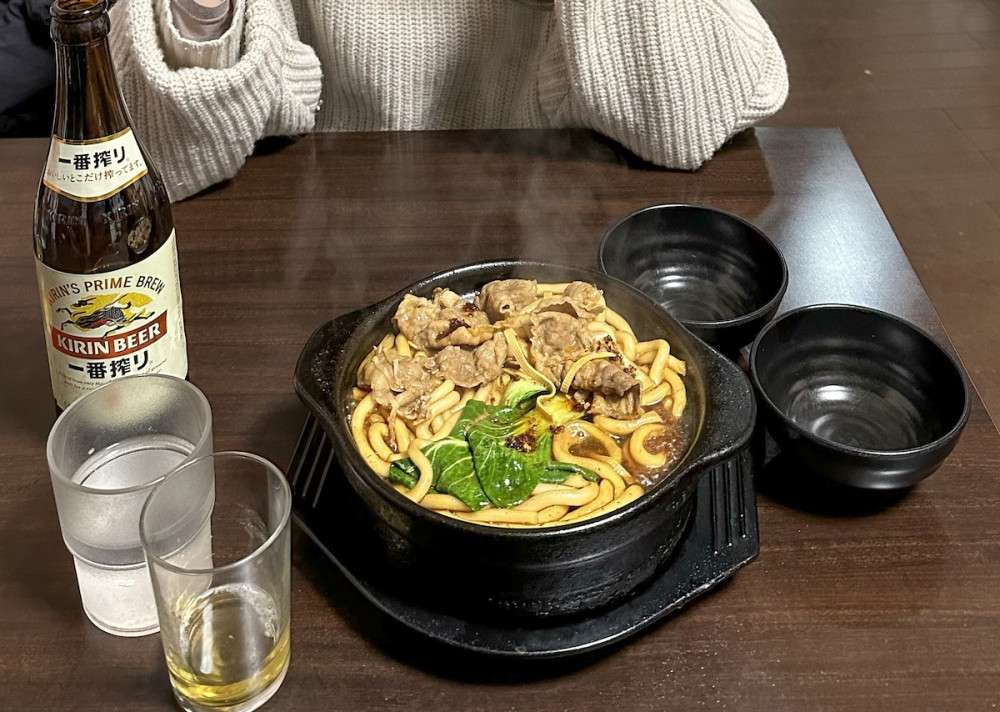
Owned by a couple from the northern province of Liaoning, this no-frills restaurant specializes in hearty clay pot noodle dishes. Warming and comforting, hot clay pots are a northern staple, with potato noodles being a particularly popular choice. You can also opt for their signature namesake mixian — rice noodles originally from Yunnan in southern China but now enjoyed across the country. To round things out, the restaurant also offers a selection of simple side dishes and regional staples.
8-11-3 Minamikoiwa, Edogawa-ku
https://tabelog.com/tokyo/A1312/A131204/13238982/
4) Shengxingshun Tieguodun / Seikoujun Tetsunabeton (盛興順鉄鍋炖)
[Dongbei Region (Liaoning, Jilin and Heilongjiang)]
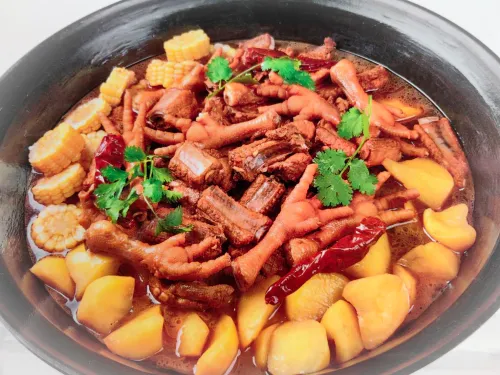
Run by owners from China’s northeast, this restaurant serves Tieguodun, a rustic “iron pot stew” with a history of more than 300 years. It’s a deeply local dish, little known outside the region, and even in Japan only a handful of places serve it. Simmered slowly in a heavy pot, it’s the kind of hearty comfort food that Chinese students often come here for when craving a real taste of home.
8-14-5 Minamikoiwa, Edogawa-ku
(Multiple locations across Japan)
https://shengxingshun.com/
5) Guizhou Huoguo / Kishu Hinabe (貴州火鍋)
[Guizhou Province]
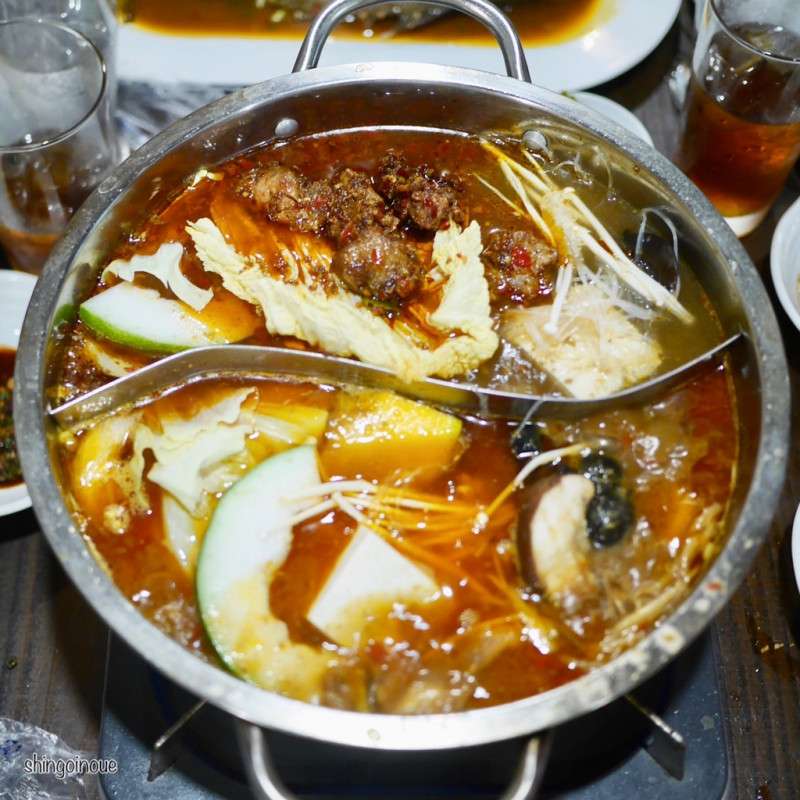
Known for its bold spice, Guizhou cuisine makes heavy use of fermented ingredients and chili. A standout is the Dou Chi Hotpot, made by combining lightly seasoned fermented soybeans with mashed chili peppers, ginger, and garlic to create a sauce called ciba lajiao. Think of it as a mix of Chinese “natto” and chili peppers, no surprise it pairs perfectly with rice.
1-55-1 Shinkoiwa, Katsushika-ku
https://tabelog.com/tokyo/A1312/A131204/13232027/
6) Jingcheng Chuandian / Keijo Kushiten (京城串店)
[Yanbian Korean Autonomous Prefecture]
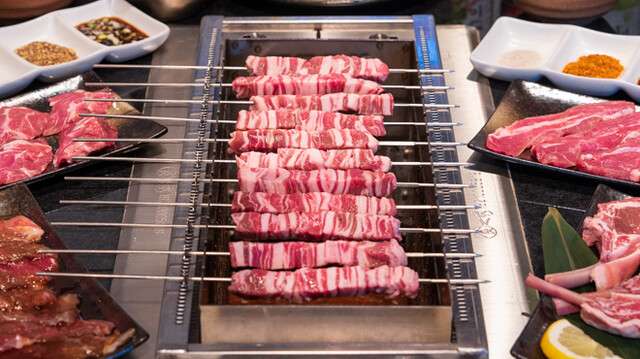
This restaurant highlights the cooking of Yanbian, a Korean autonomous prefecture in Jilin province. Northeastern China is home to many ethnic groups, but the Chaoxian people, who speak Korean, play a major role in shaping the region’s culture. The menu reflects the area’s geography, with mountain ingredients like mushrooms and ginseng, but the star attraction is the lamb skewers. Seasoned with cumin and a blend of spices, they’re grilled to perfection and full of flavor. Popular sides include kimchi and cold noodles.
1-2-9 Ichikawa, Ichikawa-shi, Chiba
https://tabelog.com/chiba/A1202/A120202/12052343/
7) Haidilao / Kaiteirou (海底撈火鍋)
[Sichuan Province]
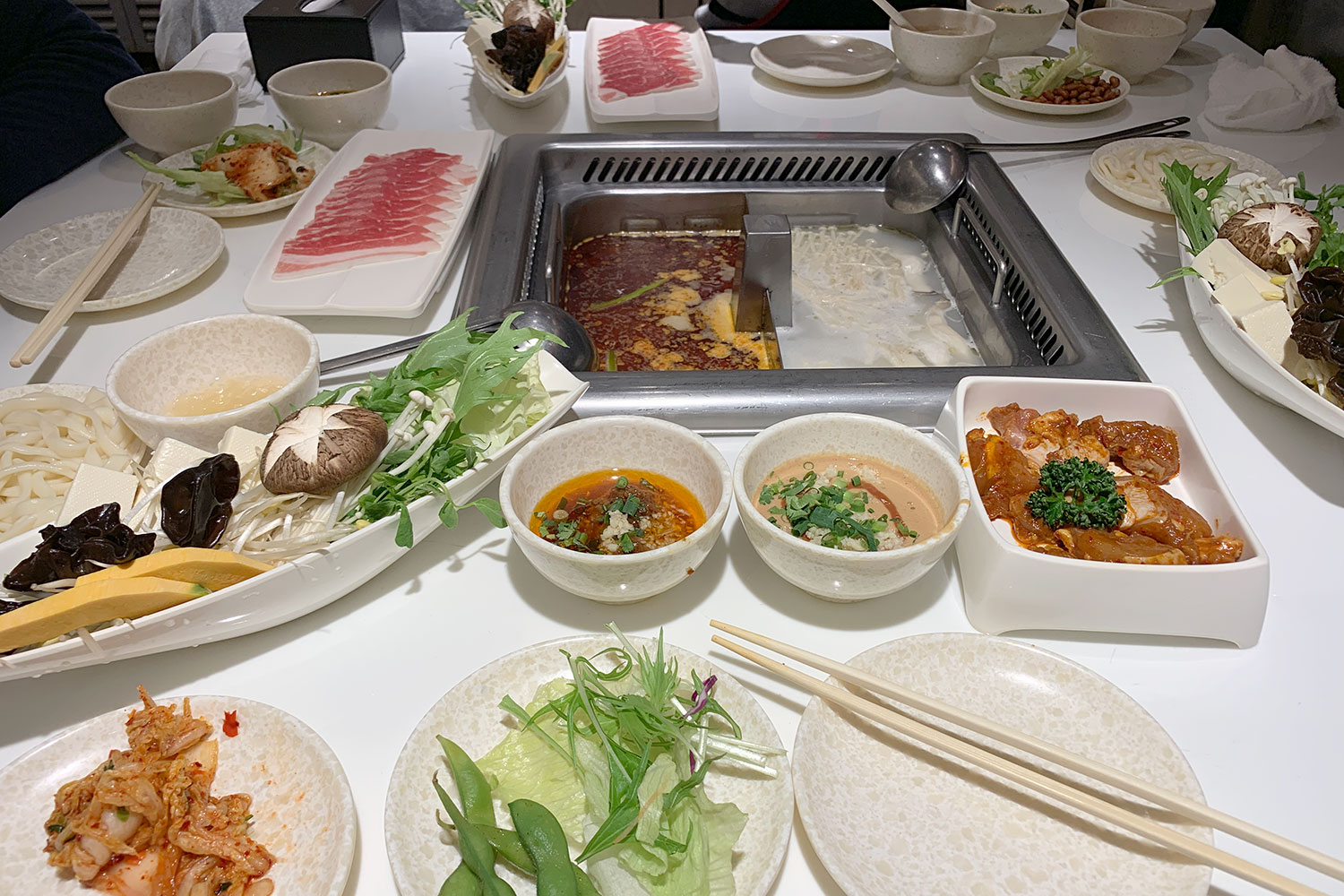
If you’re looking to expand your shabu-shabu and nabe repertoire, Haidilao is the best place to explore Chinese hotpot.
This isn’t your average hotpot experience — Haidilao is a world-renowned chain with nearly 1,600 locations worldwide.
Typical hotpot broth options include mala, its blaze-red color a perfect indicator of its spice level. A tamer but equally pleasing herbal mixture is the pork bone broth that is sure to please fans of tonkotsu ramen. Don’t worry if someone in your group has allergies or dietary restrictions — everyone can share or order separate broths. After ordering, head over to the seasoning station to combine a variety of pastes and spices to add extra flavor to your personalized meal.
Haidilao has a great variety of thinly sliced meats to choose from – including Kobe beef and specially seasoned lamb. There’s no shortage of seafood either, including the all-popular Chinese fish balls, chewy and packed with flavor.
A visit to Haidilao is also the perfect opportunity to try ingredients less popular in Japan but widely enjoyed in Chinese cuisine, such as wood-ear mushroom (kikurage in Japanese) — which is black with a slick texture and light flavor profile to complement strong seasonings — or a side of sliced pig ear. You also may be tempted to grab a can of beer or try some Shaoxing wine, but you’ll find other classic hotpot beverages in the soft drink section as well. Try the sweet and refreshing Hainan coconut milk or the plum juice — an unexpectedly rich drink that is powerfully smoky.
1-21-2 Minamiikebukuro, Toshima-ku, 5th floor
(Multiple locations across Japan)
haidilao.owst.jp
Originally written by Giovanni Scheno