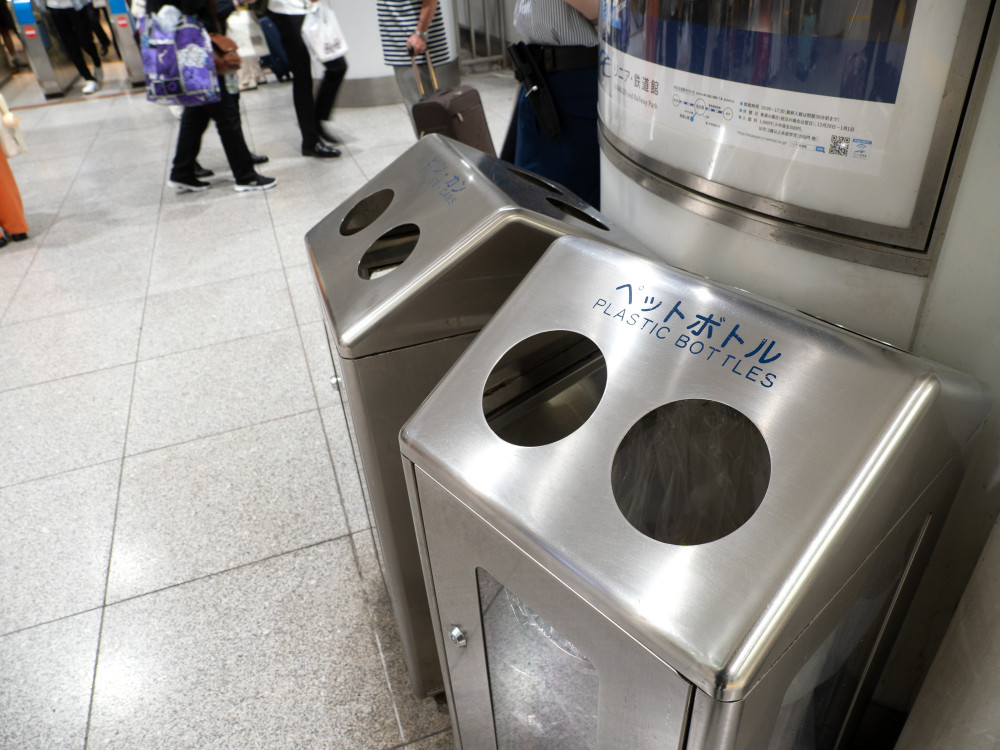
If you’re not from Japan, you’ve probably had this odd realization while strolling the streets: Where are all the trash cans? You finish a drink or unwrap a snack and suddenly find yourself awkwardly carrying the rubbish around for blocks, hunting for a trash can that never seems to appear. And yet—Japan’s streets remain impressively clean.
The Sarin Gas Attack That Changed Everything
The most direct reason traces back to a tragic event: the 1995 Tokyo subway sarin gas attack, carried out by the Aum Shinrikyo cult. One of the deadly nerve gas canisters used in the attack was concealed inside a trash can. In the aftermath, public trash cans, especially in train stations, were removed as a security precaution. Over time, this decision stuck, becoming an unspoken standard in Japanese public planning.
Clean Culture, Not Public Bins
But Japan’s bin-free streets are not only about preventing terrorism. They reflect something deeper: a cultural mindset of responsibility and cleanliness. In Japanese society, there’s an unspoken rule that you are responsible for your own trash. It’s common to see people carrying wrappers and bottles in their bags or pockets until they get home. Even at festivals, where food and drinks abound, people will queue to sort waste properly into designated recycling and burnable bins.
This is partly rooted in group-oriented thinking, where maintaining a clean shared space is a way of showing respect for others.
Convenience Store Bins (If You Know Where to Look)
It’s not that bins are completely non-existent. They’re just strategically placed—usually outside convenience stores, where people are likely to consume items immediately after purchase. Some vending machines also have attached bins, but these are intended only for bottles and cans bought from that machine.
You’ll rarely see general-use public trash bins in parks, stations, or on sidewalks, unless it’s a tourist-heavy area or during special events. The Mori Building complexes usually have them, for example.
Trash Sorting: A National Pride
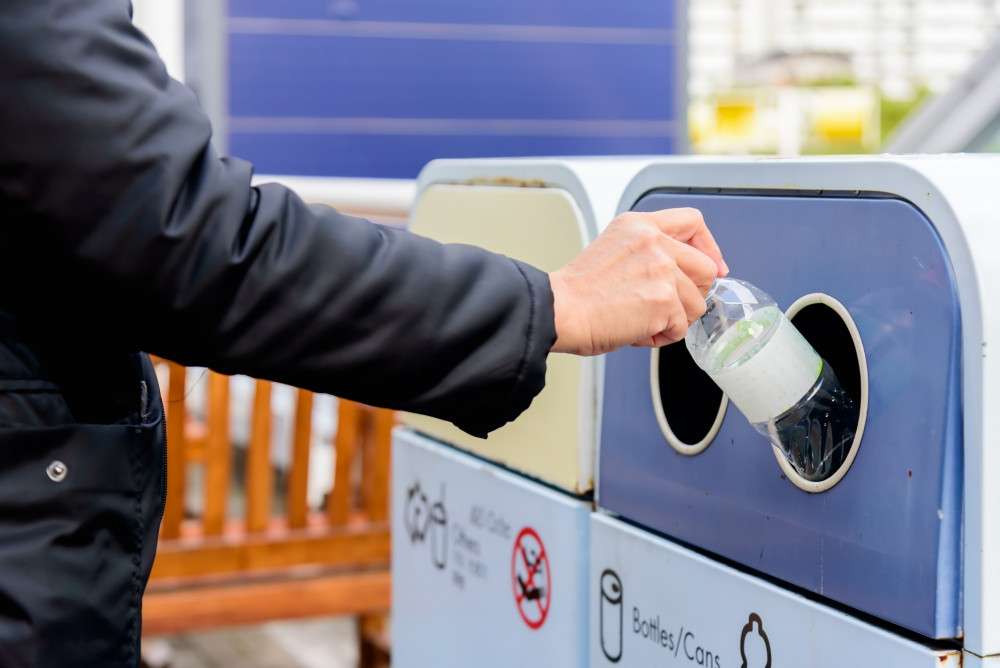
Another key part of the puzzle is Japan’s incredibly strict recycling system. Trash must be sorted into categories such as burnables, plastics, PET bottles, cans, and glass—categories that vary slightly by municipality. Many people prefer to take their trash home, where they can sort it correctly and avoid the shame (yes, shame!) of putting something in the wrong place.
A Lesson in Mutual Responsibility
So what can we learn from Japan’s approach?
Despite the lack of trash cans, Japan remains one of the cleanest countries in the world. It’s not just about rules—it’s about personal accountability, civic pride and respect for shared space. In a way, the absence of bins is a quiet vote of confidence in people’s willingness to carry their own weight—literally.
It may be inconvenient for tourists, but it’s also a reminder that sometimes the cleanest societies also have the most considerate habits.