What It’s Really Like to Work as a Hostess in Tokyo’s Kabukicho
Life behind the neon
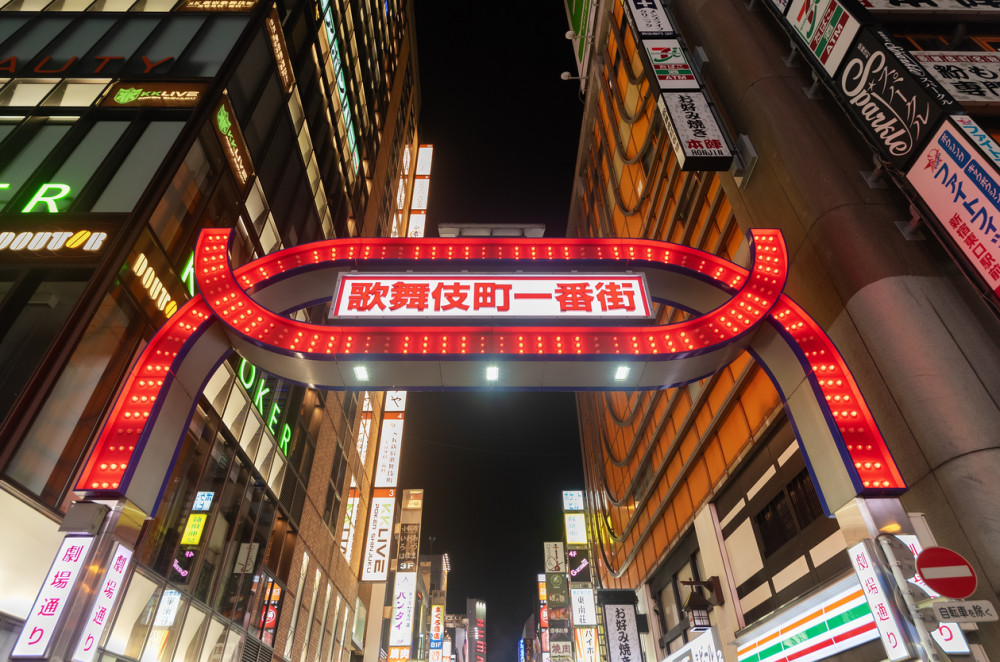
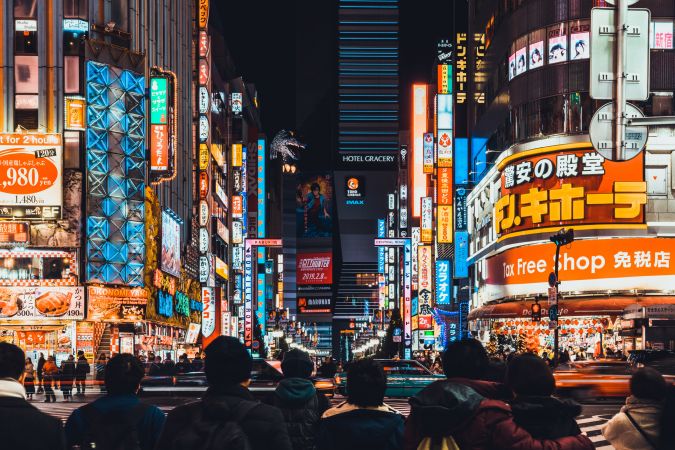
One of Tokyo’s most infamous entertainment districts, Kabukicho has long been a place of curiosity, stigma and whispered tales. Tonight, Metropolis sits across from someone who recently stepped into this world, a hostess just a few months into her job at a kyabakura (Japanese hostess club).
Meet Chie
Chie (not her real name), 22, greets me with a huge smile. Her curled hair is as immaculate as her manicured nails. She never imagined she’d be working as a hostess in Tokyo’s red-light district, yet here she is, pouring drinks at night, laughing at clients’ jokes and adapting to a profession that is both glamorous and emotionally demanding.
“I grew up in Iwate,” she tells me. “It’s spacious there. My upbringing felt very traditional. My parents run a small restaurant, and I was kind of expected to take over one day. But I always felt restless and too loud. I wanted to be somewhere exciting with lots of concerts and new people, and knew I wanted to come to Tokyo for my studies.”
Chie moved to Tokyo for university, dyed her hair blue, met a hundred new friends, bought tickets to every music concert she could and soon realized that tuition and city life weren’t cheap.
A new friend who worked in Kabukicho introduced her to hostessing. She hesitated at first. “I feared the judgment that came with it, and I didn’t really want to give up my free evenings. I was also not really sure my personality was a fit.”
“To be honest, I’m kind of clumsy and didn’t pay attention to my appearance. But my friend explained that the earnings could get good in Tokyo if you became a little popular, and the flexible hours won me over. I knew I liked music and singing anyway, and I knew my friends said I was easy to talk to. So I told myself I’d try it for a month. Just to see. I dyed my hair back to a brown color so I would fit in with the other girls, and went to the bar with my friend.”
First Night at the Kyabakura
Chie’s first shift was overwhelming. “The moment I walked into the club that first night, my heart was racing,” she recalls. “I’m not a shy person and I don’t get anxious easily, but it was weird!” The club’s mama-san, a seasoned hostess in her forties, gave her a crash course in etiquette: how to pour drinks, how to sit and how to make every client feel like the center of the universe.
“I had no idea what I was doing,” she laughs. “I spilled a drink on my first customer. He was really nice about it. I realized quickly that charm matters more than perfection, and it made me less nervous.”
She also learned to read people: who wanted attention, who wanted a listening ear and who just wanted to escape their daily lives. “Lots of men come in just to talk,” she says. “They’re lonely, or they’re tired. They don’t admit it, but you can feel that they don’t have anyone to confide in. Others want to be entertained, to be around beautiful people. It’s not just about looks, it’s about making them feel special.”
Misconceptions of Working in a Hostess Club
To outsiders, hostessing is widely misunderstood. “People assume we’re escorts, or that we’re forced into things we don’t want to do,” Chie says, shaking her head. “But it’s not like that at this club. There are strict rules, no touching, no forced drinking and if a client crosses the line, they’re removed.”

Still, the industry has its gray areas. Some hostesses form personal relationships with customers outside of work. Others feel pressured to drink more than they’d like. And there are always those who mistake kindness for romantic interest. “You have to set boundaries,” Chie explains. “It’s easy to lose yourself in this world if you’re not careful, but I’ve always seen it like a job. I could go home with some men if I wanted to, but I never really felt like I wanted that. I’m not really interested in dating.”
Overseas Customers
I ask Chie if she meets many international visitors at the club. She nods. “Yes, sometimes. Kabukicho is a major tourist spot, and some clubs are foreigner-friendly, but not all. A lot of visitors to Japan are curious about hostess culture, but they don’t always know the rules.”
Some adapt quickly and enjoy the experience, she says, while others misunderstand the boundaries. “Some think it’s like a Western bar, where you can be more casual with the staff. But we have a structured way of interacting here that’s not so obvious.”
The Importance of Appearance
When I ask how important appearance is in this industry, Chie nods knowingly. “It’s everything,” she says. “The first thing a customer notices is how you look—your hair, your tone, your outfit. Feeling polished and elegant is part of the job. It’s not really my personal style, though.”
That polish comes at a cost. “I spend a lot on makeup, hair treatments and clothes,” she admits. “It’s an investment, but it pays off. Customers are more likely to request you or return to you if you look put-together. I often stop by beauty salons before my shift. I don’t have the time to do it all by myself, and I’m bad at things like hair styling! I used to keep my hair short before I moved to Tokyo.”
Do Patrons Give Gifts?
Chie smiles at the question. “Yes, often!” she says. “Some customers bring small things, like chocolates or perfume. Others go all out for girls—designer bags, jewelry, even vacations.”
She’s careful about accepting gifts. “It depends on the customer’s intentions. But there are regulars who genuinely just want to make us happy. It’s part of the culture. And the hostesses buy gifts for their regulars too, to make them feel special in return. I’ll buy things like cigars and whiskey. That kind of thing.”
The Emotional Toll
The biggest challenge, Chie admits, is the emotional labor. “Some nights, you feel like a therapist,” she says. “Men talk about their failing marriages, their work stress, their regrets. It can get heavy. Sometimes I’m tired from school, or I had a bad day myself, but it’s like my emotions don’t really exist here.”
There are also moments of unexpected connection. Chie recalls a regular, a middle-aged businessman, who once opened up about losing his wife. “He told me I reminded him of his daughter, who he barely sees anymore. He just wanted someone to listen to him. I think he didn’t know how to rebuild.”
The Toyoko Kids
As our conversation deepens, I ask about the young people who drift through Kabukicho. Her expression turns serious. “Yeah, you see the Toyoko kids a lot. Some are runaways, others just don’t have anywhere else to go. Some feel marginalized and come here looking for community. Every story is different, but they stick together, forming little groups. They crash in manga cafés, internet cafés or get taken in by people they meet here. I know the government is trying to do something about it, but what can they do?”
Looking Ahead
Chie doesn’t see herself doing this forever. “I don’t think anyone does, unless they get really popular,” she says. She’s saving money and considering a career as a flight attendant after graduating.
“This job has taught me a lot I’m not going to learn in a normal arubaito—how to read people, how to hold a conversation, how to adapt. I’ve met people from all walks of life, and I’m learning to see things through their eyes. Those are skills I can take anywhere. I’m also studying English because I want to work as a flight attendant for an international airline. I want to see and learn more about the world. For now, this is where I am. And that’s okay. I don’t mind if people judge or misunderstand. I know myself and my path.”