Born of Earth, Conceived in Fire
Japan’s ancient pottery traditions are far more interesting than you think
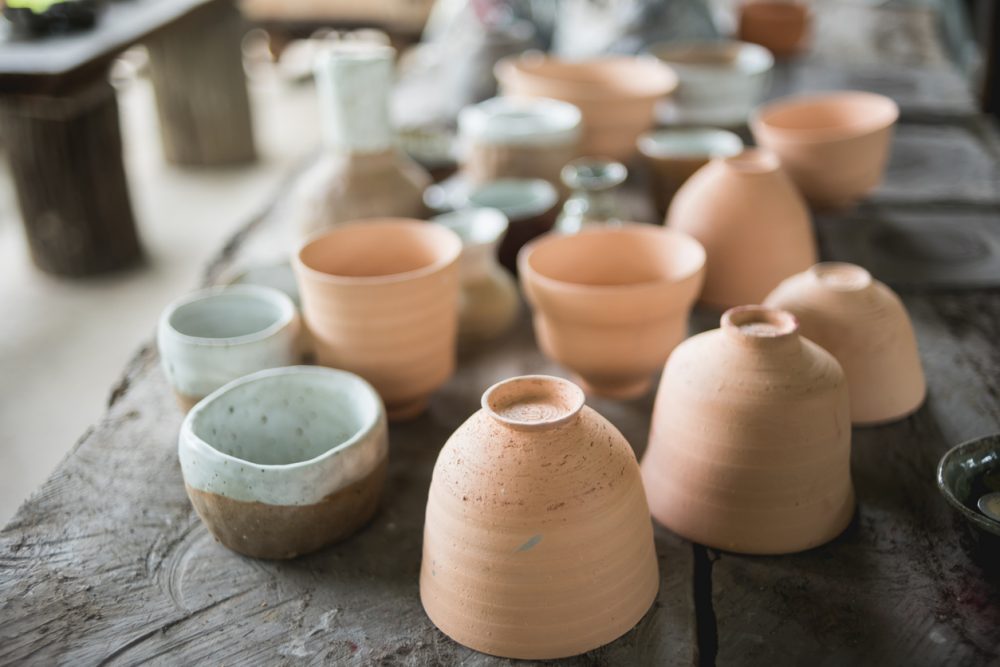
For most of my life, whenever I reached the pottery section of a museum, my eyes would glaze over. Bowls, cups and plates. Why would I want to waste time staring at someone’s old dishes?
But it turns out that Japan’s ceramics are anything but boring. Passed down through countless generations, born of earth ripped from rice paddies and mountaintops, conceived amidst the raging flames of vast climbing kilns—they tell us tales that are as intriguing as the land itself.
What Emerges From the Flames
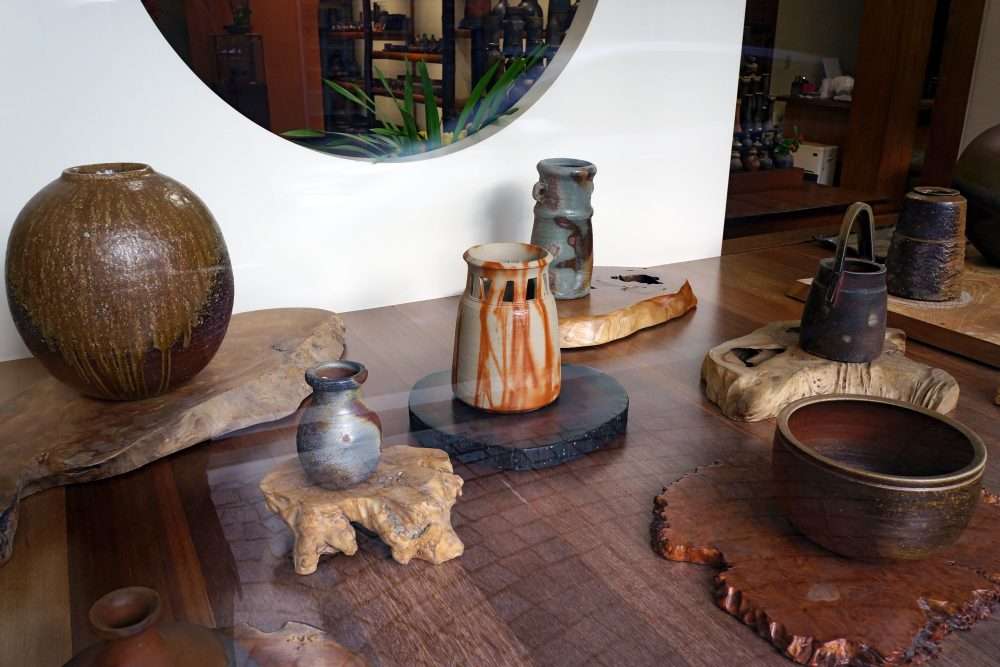
There are strange hills above the village of Imbe that glow reddish-brown in the sunlight. As you climb them, millions of pottery fragments crunch beneath your feet. Millions of failed experiments. Millions of lessons learned.
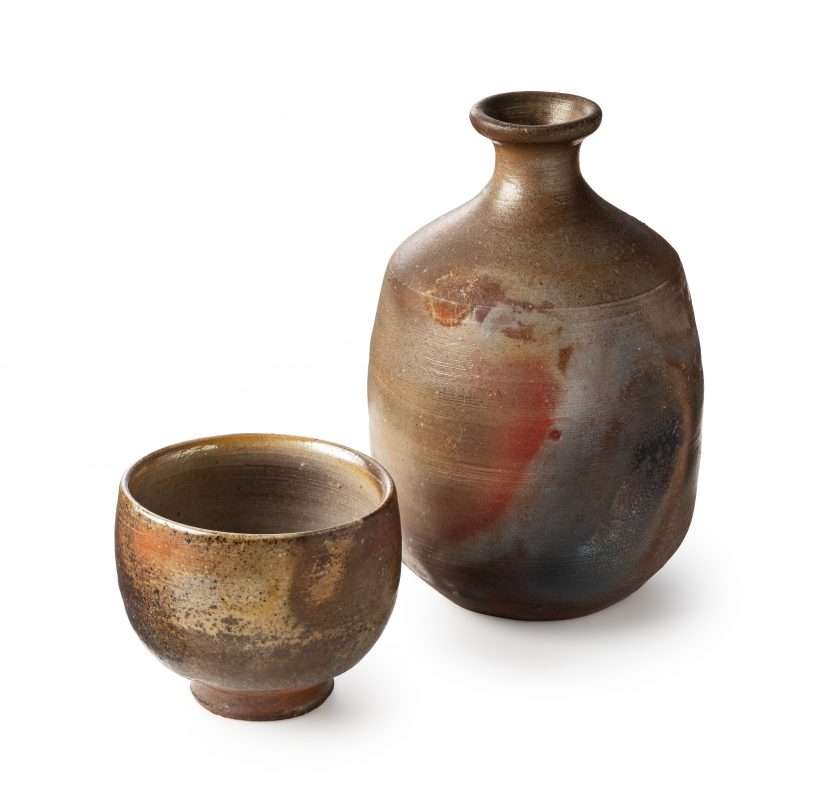
Known as Bizen ware, the pottery of this region owes its earthy red hues to Imbe’s iron-rich clay. Potters dig it from local rice paddies and age it for 50 to 100 years. When Japanese black pine is burned in a kiln at temperatures over 1200℃, its super-heated ash adheres to this clay, forming a natural glaze that is unpredictable, asymmetrical and beautifully organic.
Master Bizen potters, inheritors of a centuries-old tradition, must learn to look upon earth and fire as partners in their art. There is no way to completely control what emerges from the flames.
Caterpillars of Brick and Mortar
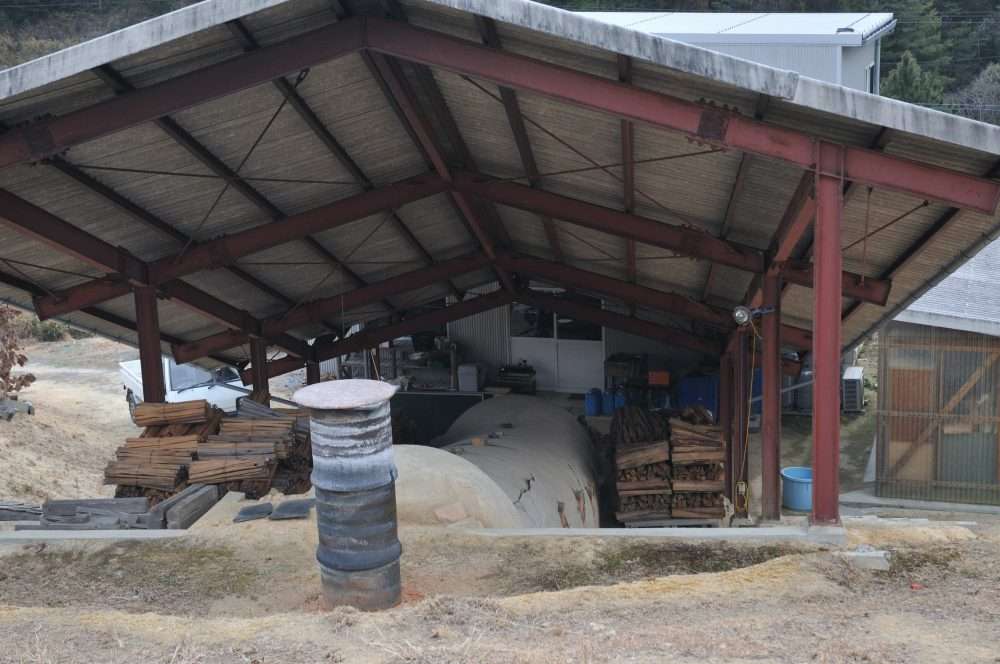
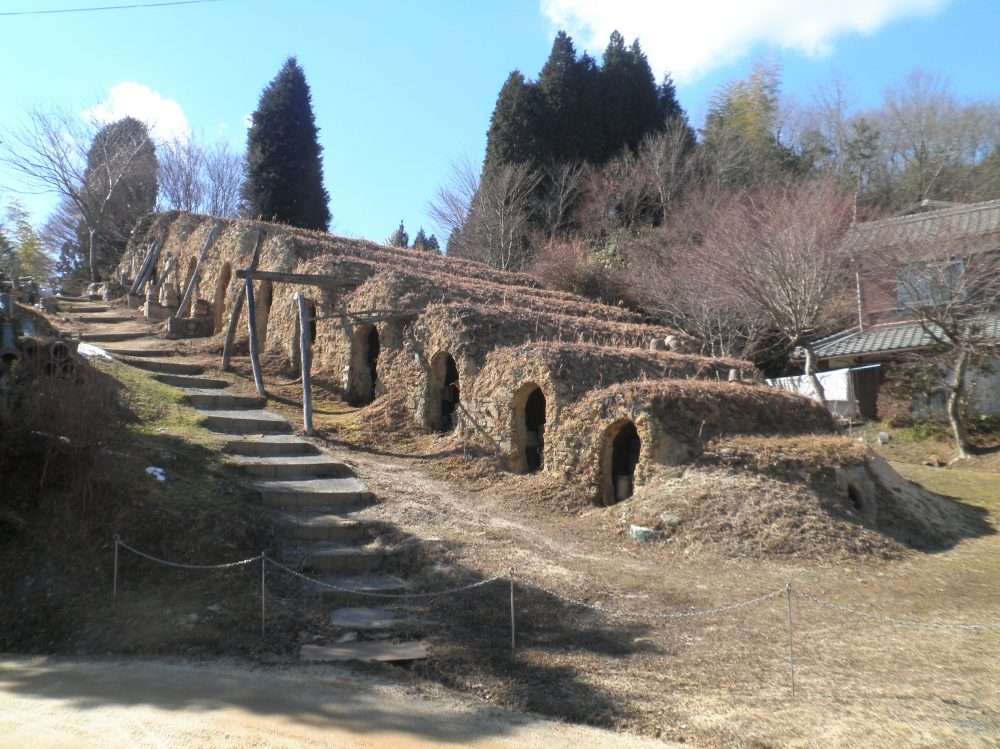
There is nothing understated about a noborigama. Shaped from thousands of heat-resistant bricks, these sprawling multi-chambered climbing kilns resemble huge caterpillars. Each is built diagonally on a slope so that heat is passed upwards through its many chambers for greater efficiency and temperature control.
In rural Hyogo, a 47-meter noborigama with nine firing chambers scales a hillside in the village of Tachikui. First constructed in 1895, this massive kiln would have been a huge undertaking for such a small community.
Demand for the beautiful pottery of the region, known as Tamba ware, must have more than justified the expense and effort. Incredibly, the Tachikui noborigama is still fired up once a year, typically in late spring.
The Pottery Wars
The noborigama did not spring spontaneously from the soil of Japan. During the ambitious warlord Toyotomi Hideyoshi’s invasion and occupation of the Korean peninsula from 1592-1598, highly skilled Korean potters began to turn up in Kyushu.
Whether they were invited or abducted is a matter of some debate, but what is certain is that their arrival changed Japanese ceramics forever. Along with their fabulous climbing kilns, the new arrivals also introduced techniques for crafting high-quality ceramics to be used in the tea ceremony—Toyotomi’s favorite hobby.
To this day, the distant descendants of those Korean potters still produce some of Japan’s finest pottery, including Karatsu ware, Arita ware and Satsuma ware. Toyotomi’s invasion is thus known as the Pottery War.
From Japan to the World and Back Again
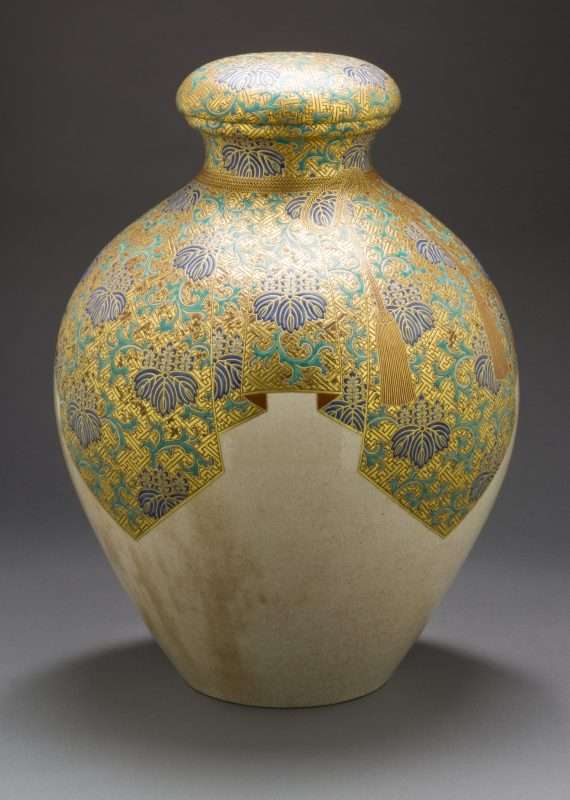
During Japan’s isolation throughout the Edo period, Kyushu’s ceramics became one of the country’s few exports to Europe. Sugar was one of the main commodities that flowed in the opposite direction along the so-called Sugar Road from Nagasaki to Kokura.
Europeans proved so enamored with Japanese ceramics, particularly Arita porcelain, that they began to imitate them. This gradually evolved into a hybrid form that combined Japanese and European aesthetics. After Japan opened to the world in the mid-19th century, European ceramics were influenced in turn by Japanese imports.
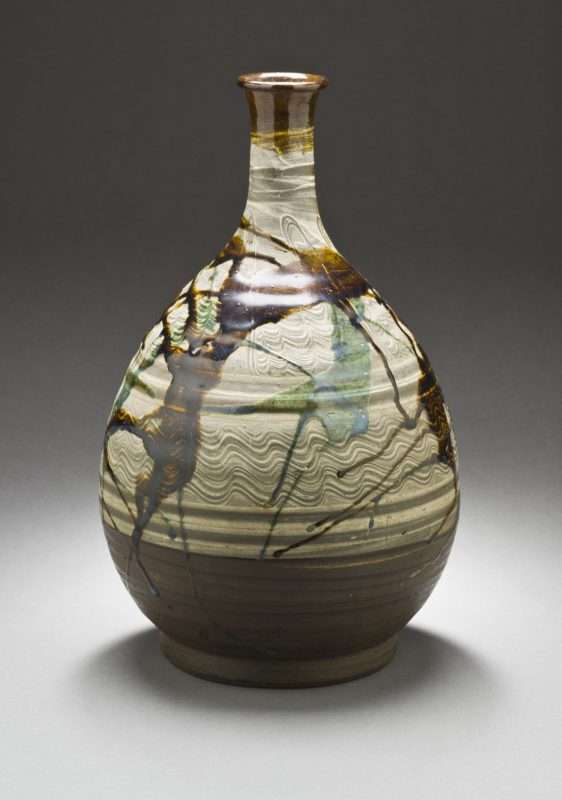
In the 20th century, American artist Paul Soldner experimented with Raku ware, traditionally made in Japan by pulling red-hot pottery from the kiln and exposing it to the air. This causes intriguing cracks, color changes and distortions, which Soldner accentuated further by plunging pieces into flammable materials.
Want to Get Involved?
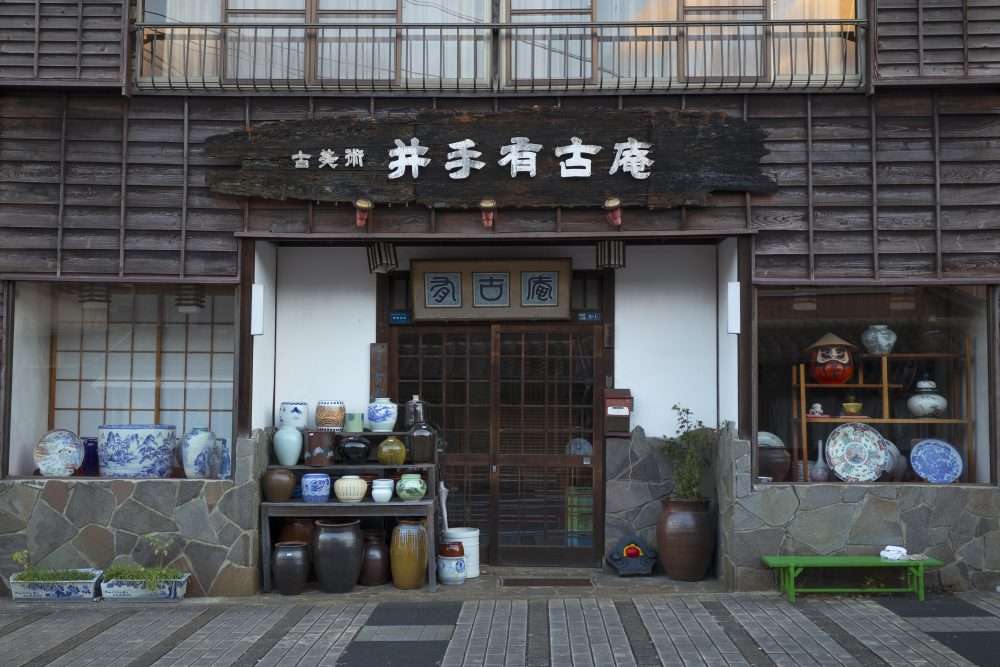
If you want to explore Japanese ceramics for yourself, many of the locations mentioned in this article are well worth visiting. In Imbe and Tachikui, you can tour local studios and kilns before taking a turn at the pottery wheel to shape your own little piece of their history.
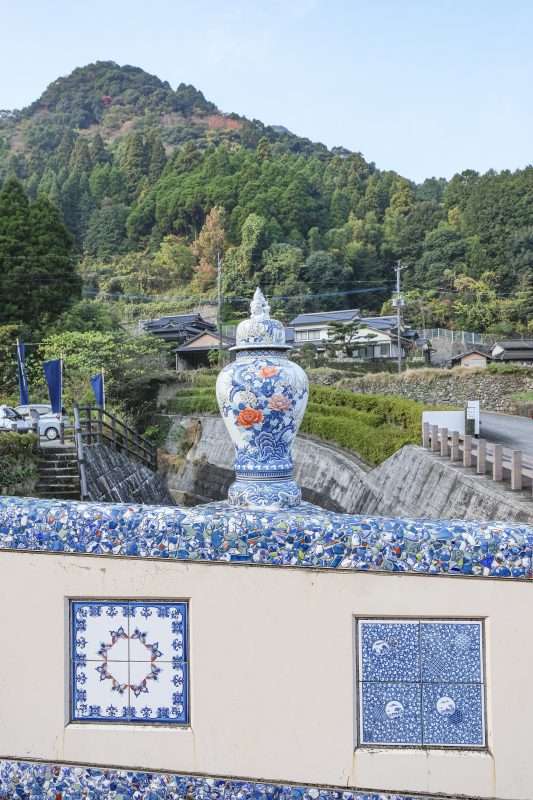
Tachikui also hosts an annual Pottery Festival every autumn. At Tozan Shrine in Arita, even the torii gate is made of blue porcelain, while the Amatsu Shrine in Imbe is decked out from floor to roof with the earthy sheen of Bizen ware.
The best tours and hands-on workshops are run by the artisans themselves, so be sure to seek them out.
Related articles:
A Guide to Trying Traditional Japanese Crafts in Japan