A Guide to Trying Traditional Japanese Crafts in Japan
From kintsugi to knife sharpening, here's where to learn the traditional crafts still shaping Japan today
Japan has spent centuries refining the idea that an object made by hand is worth more than one made by machine. Nowhere is that clearer than in the country’s traditional crafts. Lacquerware, ceramics, textiles, blacksmithing, papermaking. These aren’t museum relics so much as living practices, still taught by working artisans who will happily hand you a tool and let you ruin your first attempt. Tokyo, for all its neon and vending machines, is full of studios where visitors can spend an afternoon learning skills that predate the city itself. Here are several worth seeking out, along with where to go if you want to try them yourself.
Kintsugi: Japanese Ceramic Repair Workshop
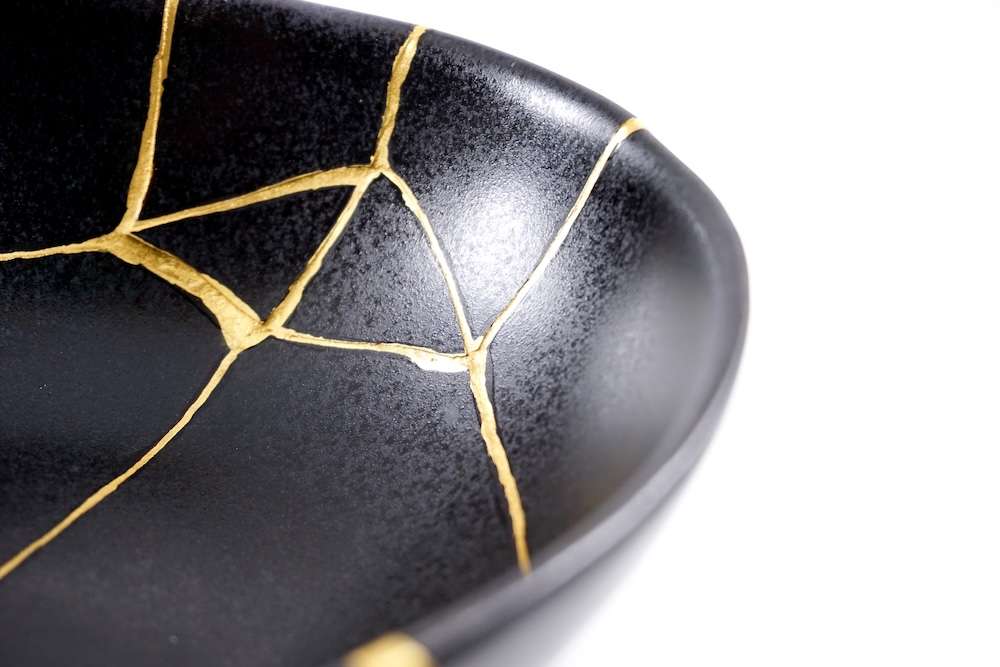
Kintsugi is the art of repairing broken ceramics with lacquer and gold dust. It’s built on a philosophy that runs counter to almost everything modern consumer culture teaches about damaged objects. A broken bowl repaired is not a lesser version of the original. Rather, it’s a new object entirely, with a visible history.
The technique dates back to the 15th century, when a shogun sent a damaged tea bowl to China for repair. Unimpressed with the ugly metal staples that came back, Japanese craftsmen set to develop something more elegant.
The process itself is exacting. Broken pieces are cleaned and fitted back together with urushi lacquer, a natural resin that takes days to cure properly. Then the seams are dusted with gold, silver or platinum powder while the lacquer is still tacky.
Workshops for visitors typically compress this weeks-long process into a single session using faster-curing materials. But the fundamentals stay the same: patience, a steady hand and a willingness to let the cracks show rather than disappear.
- Origin: Developed in Japan, with early instances often traced to Kyoto’s tea ceremony culture
- Era: Believed to date to the late 15th century, during the Muromachi period
- Difficulty for beginners: Moderate. The lacquer work is forgiving, but getting a clean gold line takes a steady hand
- Status today: Practiced both as a traditional craft and a popular workshop activity. Full-time kintsugi restorers are rare, but interest in the technique has grown internationally in recent years
- Fun fact: Traditional kintsugi uses urushi lacquer, which is mildly toxic before it cures. This is one reason most beginner workshops substitute a synthetic alternative
Try it here:
禅ZEN Japanese Craft Workshop
1-27-2 Asakusa, Taito-ku
From ¥6,051
Book the Kintsugi Workshop on Klook
A skilled instructor walks participants through fitting ceramic shards together with lacquer and tracing the seams in gold. You can take home the piece you restored at the end of the session.
Chopstick Making Workshop: Carving Your Own Hashi
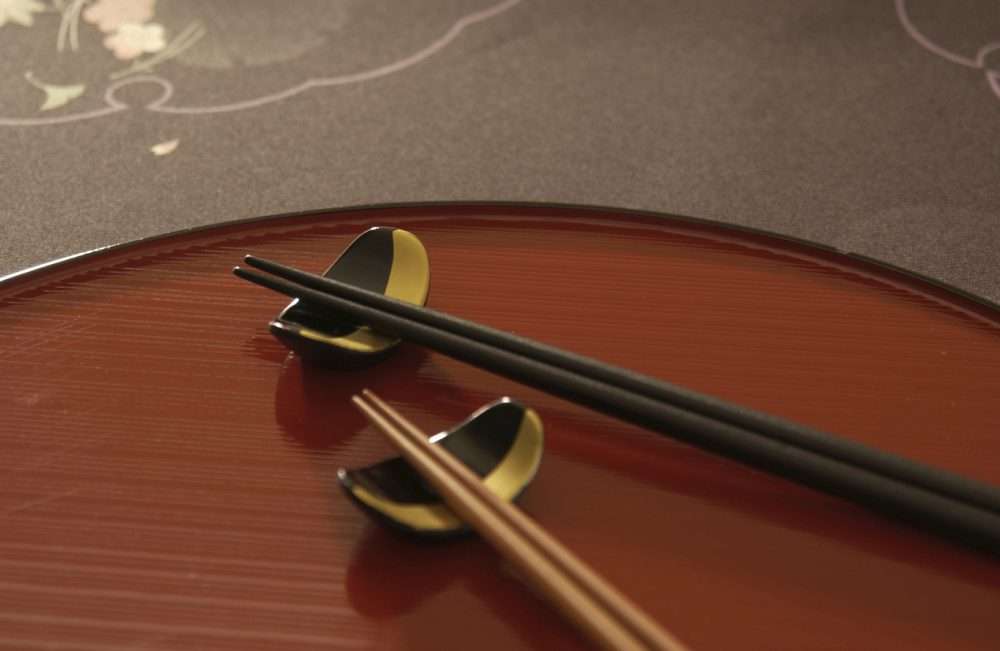
Chopsticks are so ordinary they tend to disappear, which makes carving your own a good reminder of how much craft goes into everyday objects. Japan has been using hashi since at least the eighth century, and regional traditions vary widely: from the lacquered chopsticks of Wakasa to the simple, unfinished wood favored in more austere settings.
Making a pair from scratch involves more physical effort than the finished product suggests. Blocks of wood are shaped with a hand plane, tapered toward one end, then sanded through progressively finer grits until the chopsticks feel balanced and smooth in the hand. Getting the taper even on both sticks, so a pair actually matches, turns out to be harder than it looks. Many workshops let participants dress up the finished pair with engraving or gold lacquer detailing, turning a simple tool into something worth giving as a gift.
- Origin: Used throughout Japan, with well-known regional styles from Wakasa (Fukui Prefecture) and Tsugaru (Aomori Prefecture)
- Era: Chopsticks have been used in Japan since at least the Nara period (8th century)
- Difficulty for beginners: Easy. The hardest part is getting both sticks evenly tapered
- Status today: An everyday object rather than an endangered craft. Though hand-carved and lacquered chopsticks remain a specialty item made by trained artisans
- Fun fact: Wakasa-nuri chopsticks are made using a lacquering process with dozens of layers, some incorporating eggshell or shell fragments for texture
Try it here:
禅ZEN Japanese Craft Workshop
1-27-2 Asakusa, Taito-ku
Open 9am to 6pm
From ¥515
Book the Chopsticks Making Workshop on Klook
Choose your wood, carve your pair using a hand plane, then sand and finish until they feel right in your hand. The studio wraps the finished chopsticks for you to take home.
Pottery Making in Tokyo: Yakimono Workshops
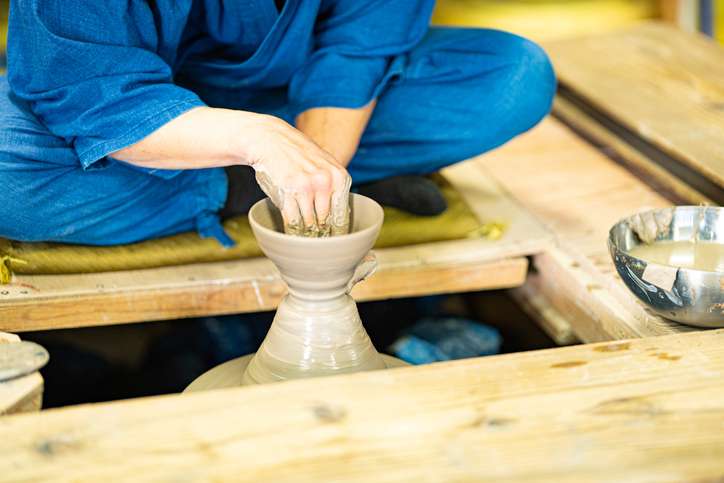
Japanese ceramics vary so much by region that “pottery” barely functions as a single category. Shigaraki ware favors rough, unglazed textures that show the clay’s natural character. Kutani ware, by contrast, is known for bold overglaze enamel painting in reds, greens and golds. Bizen ware is fired without glaze at all. Instead, it relies entirely on wood ash and flame patterns for its finish, a process that can take over a week.
Beginner workshops usually focus on either wheel-throwing, shaping wet clay on a spinning wheel or hand-building, forming pieces by coiling or pinching clay without a wheel. Hand-building tends to be more forgiving for first-timers. The wheel takes longer to get a feel for, but produces more symmetrical results. Either way, firing is required for finished pieces, so most studios ship the final product after the session.
- Origin: Distinct regional styles across Japan, including Shigaraki (Shiga), Kutani (Ishikawa) and Bizen (Okayama)
- Era: Japanese ceramic traditions date back thousands of years, with many named styles developing during the medieval and early modern periods
- Difficulty for beginners: Moderate to challenging, depending on technique. Hand-building is more forgiving than wheel-throwing
- Status today: Actively practiced and taught, with many regional kilns still family-operated across multiple generations
- Fun fact: Bizen ware uses no glaze at all. Its finish comes entirely from ash and flame during a firing that can last more than a week
Book a Pottery Experience on Klook
Japanese Knife Sharpening and Craft Workshop
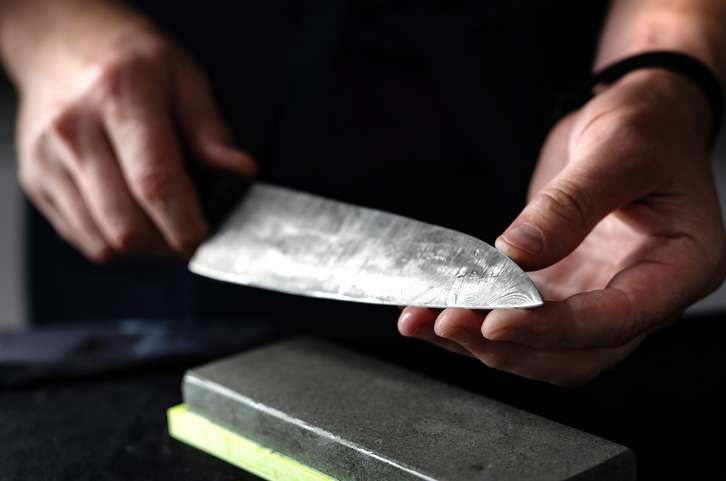
A good Japanese kitchen knife holds an edge sharp enough to make most home cooks a little nervous, and that edge is the product of centuries of swordsmithing knowledge repurposed for the kitchen. When Japan’s sword industry lost its market in the 19th century, many blacksmiths turned their skills toward knives instead, which is part of why the country’s kitchen knives are still forged and sharpened with techniques closer to bladesmithing than to standard cutlery work.
Sharpening is done in stages, moving across a series of whetstones with progressively finer grits, each one refining the edge left by the last. The angle matters as much as the stone. Japanese blades are typically sharpened narrower than their Western counterparts, which makes them capable of a finer edge but less forgiving of a wobbly hand. Workshops usually start participants on a dull practice blade so the first mistakes happen somewhere low-stakes, then move to guided sharpening on the visitor’s own knife, or one provided by the studio.
- Origin: Rooted in swordsmithing traditions, with modern knife-making hubs in Sakai (Osaka), Seki (Gifu) and Echizen (Fukui)
- Era: Sword-forging techniques date back over a thousand years; kitchen knife specialization grew after swordsmithing demand declined in the 19th century
- Difficulty for beginners: Challenging. Maintaining a consistent sharpening angle by feel takes real practice
- Status today: A living industry, Sakai alone still produces a large share of Japan’s professional kitchen knives, though many workshops are small, family-run operations facing succession challenges
- Fun fact: Professional Japanese chef’s knives are often sharpened to a finer edge angle than most Western knives, which is part of why they require different sharpening technique
Try it here:
禅ZEN Japanese Craft Workshop
1-27-2 Asakusa, Taito-ku
Open 9am to 6pm
From ¥15,000
Book the Knife Sharpening Workshop on Klook
Sharpen your own knife using traditional Japanese whetstones, learning the techniques artisans have refined over generations.
Indigo Dyeing Workshop: Japanese Aizome and Shibori
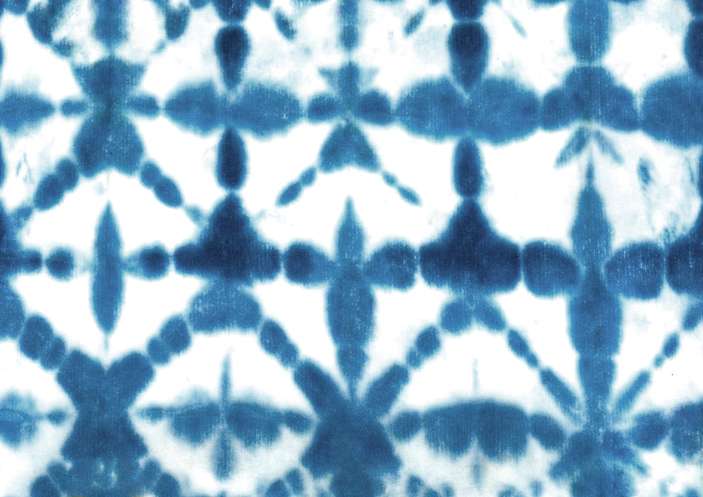
Japanese indigo dyeing uses fermented leaves from the Persicaria tinctoria plant. This produces a deep, almost black-blue color that was once used as everyday Japanese clothing. It was so common that a visiting European chemist reportedly nicknamed it “Japan Blue.” The dye itself is temperamental. Indigo vats are living fermentation cultures that need to be fed and maintained, and getting a consistent color depends on factors like temperature and how long the fabric stays submerged.
The technique most workshops teach is shibori, a resist-dyeing method where fabric is folded, twisted, bound or clamped before dipping so that the bound sections resist the dye and create patterns. Because the binding is done by hand and the dye reacts differently every time, no two pieces come out exactly alike. This is part of the appeal for people trying it for the first time.
- Origin: Practiced across Japan historically, with Tokushima Prefecture particularly known for indigo cultivation and dyeing
- Era: Indigo dyeing was widespread by the Edo period (17th to 19th century), when it became closely associated with everyday clothing
- Difficulty for beginners: Easy. Shibori folding and binding techniques are simple to learn, even if mastering complex patterns takes years
- Status today: Practiced commercially and as a craft workshop activity. Natural indigo fermentation and dyeing by traditional methods is a smaller, more specialized field than dyeing in general
- Fun fact: A 19th-century European chemist visiting Japan is said to have nicknamed the color “Japan Blue” for how common it was in everyday dress
Book an indigo dyeing experience near Mt. Fuji on Klook.
For Tokyo, book the indigo dyeing workshop on Flip Japan Guide.
Edo Kiriko: Tokyo’s Traditional Cut Glass Craft
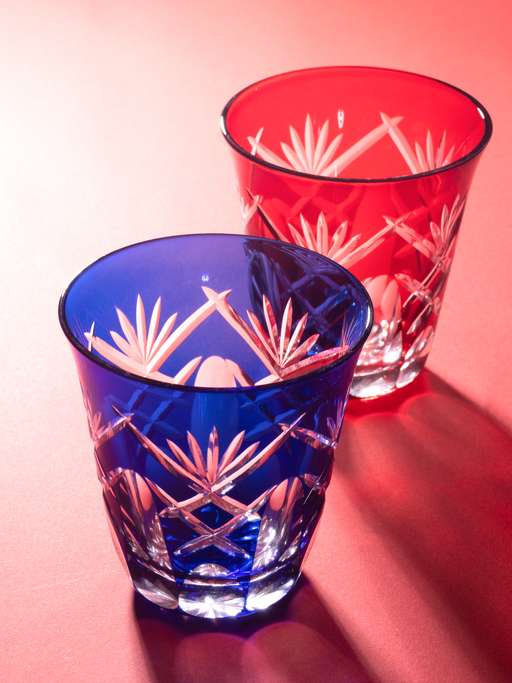
Edo kiriko is a style of cut glass that developed in Tokyo, then Edo, in the late Edo period, when local craftsmen began cutting facets and patterns into colored glass using tools originally intended for cutting gemstones. The layered glass used in kiriko has a colored outer layer over clear glass, so cutting through it reveals the clear layer underneath in whatever pattern the craftsman carves, typically geometric motifs like chrysanthemums, hemp leaf patterns or fish scales.
Making even a simple pattern requires steady, controlled pressure with a rotating cutting wheel, since a single slip can ruin the piece. Workshops aimed at visitors usually start with pre-marked guides and simpler patterns, but the satisfaction of watching a plain glass turn into something faceted and light-catching comes through even at the beginner level.
- Origin: Developed in Edo, present-day Tokyo
- Era: Emerged in the late Edo period, around the 1830s
- Difficulty for beginners: Challenging. A single slip of the cutting wheel can ruin the piece
- Status today: Recognized as a Japanese traditional craft, produced by a relatively small number of specialized workshops concentrated in Tokyo’s older districts
- Fun fact: The colored outer layer of kiriko glass is cut away to reveal clear glass underneath, meaning the pattern only becomes visible during the cutting process itself
Book a Kiriko glass workshop in Asakusa on Klook
Japanese Calligraphy Workshop: Learning Shodo
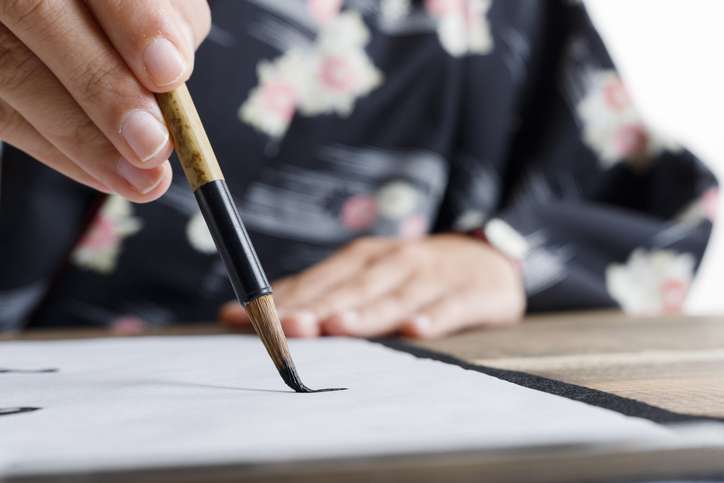
Shodo treats handwriting as a full art form, with the same characters looking dramatically different depending on brush pressure, ink dilution, paper absorbency and the writer’s posture. The tools themselves, brush, ink stick, inkstone and paper, are collectively known as the “Four Treasures of the Study,” and grinding your own ink from a solid stick against an inkstone is often part of the experience rather than a chore to skip.
Traditional instruction places heavy emphasis on stroke order and posture before technique, since a rushed or tense hand shows up immediately in the finished character. Most beginner workshops let participants choose a word or phrase with personal meaning, then practice it repeatedly before producing a final piece to take home, ink smudges and all.
- Origin: Practiced throughout Japan, with roots in Chinese calligraphy traditions
- Era: Introduced to Japan by the 7th century, alongside the adoption of Chinese writing systems
- Difficulty for beginners: Moderate. Basic characters are approachable, but controlling brush pressure takes practice
- Status today: Still widely taught in Japanese schools, making it one of the more accessible traditional crafts to try
- Fun fact: The brush, ink stick, inkstone and paper used in shodo are collectively known as the “Four Treasures of the Study”
Book a calligraphy experience on Klook
Paint Your Own Daruma
Daruma dolls are the round, red, googly-eyed figures sold at temple markets across Japan, and most visitors assume they’re just decorative until someone explains the ritual behind them. The doll is modeled after Bodhidharma, the monk credited with founding Zen Buddhism, and it’s sold with blank white eyes on purpose. The owner paints in one pupil while making a goal, then paints the second only once that goal is achieved, which is why you’ll spot one-eyed Darumas sitting on desks and altars all over the country.
Workshops walk participants through the symbolism first: the doll’s round, weighted base means it always rights itself when knocked over, a design meant to represent resilience rather than just balance. From there it’s a matter of picking up a fine-tip brush and committing to a face, since papier-mâché doesn’t forgive a shaky hand the way a pencil sketch would.
- Origin: Modeled after Bodhidharma, the monk credited with founding Zen Buddhism in Japan
- Era: The tradition of Daruma dolls as goal-setting talismans became widespread during the Edo period
- Difficulty for beginners: Easy. The brushwork is simple, though painting a face you’re happy with takes a steady hand
- Status today: Still sold and painted at temples and shops nationwide, especially around New Year, when many people buy a fresh Daruma to set a goal for the coming year
- Fun fact: Tradition holds that you paint in the left eye first when making the wish, and the right eye only once the goal is met
Try it here:
Paint Your Own Daruma
Book the Daruma Painting Workshop on Flip Japan Guide
Learn the history and symbolism behind Japan’s traditional wishing doll, then paint the eyes and details yourself while setting a personal goal.
Kumihimo Braiding: Traditional Japanese Cord Making
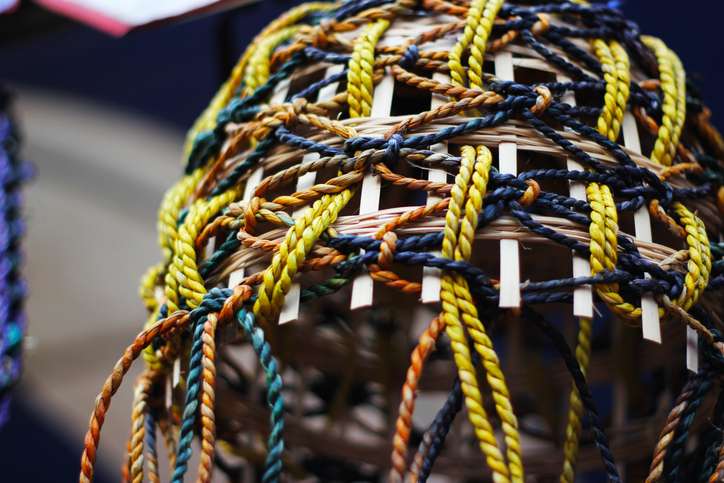
Kumihimo is a traditional Japanese braiding technique that produces intricate cords once used to tie samurai armor together and secure the obi on a kimono. Braiders work at a wooden stand called a marudai, weaving strands of silk thread over and under one another in a rotating pattern that looks slow and repetitive from a distance but requires real concentration to keep tension even.
Different braiding patterns produce cords with distinct textures and cross-sections, some flat, some round, some square, and changing the color sequence of the threads can turn a simple braid into something that looks almost woven with a pattern.
Beginner workshops usually send participants home with a finished cord long enough to use as a bracelet, phone strap or bag charm, along with a decent understanding of just how much math is quietly happening in something that looks like simple over-under weaving.
- Origin: Practiced across Japan, with a particularly strong association with Kyoto’s Iga and Kumihimo workshops
- Era: Dates back over a thousand years, with widespread use during the Edo period for samurai armor cords and kimono obi ties
- Difficulty for beginners: Easy to moderate. The basic braiding motion is simple to learn, though keeping tension even takes practice
- Status today: Still practiced commercially, particularly for obi-jime cords used with kimono
- Fun fact: Some traditional kumihimo patterns require dozens of individual threads, each tracked and moved in a specific sequence
Book a Kumihimo Workshop at a Historic 370-Year-Old Braiding Shop in Tokyo
Sashiko Stitching: Traditional Japanese Embroidery
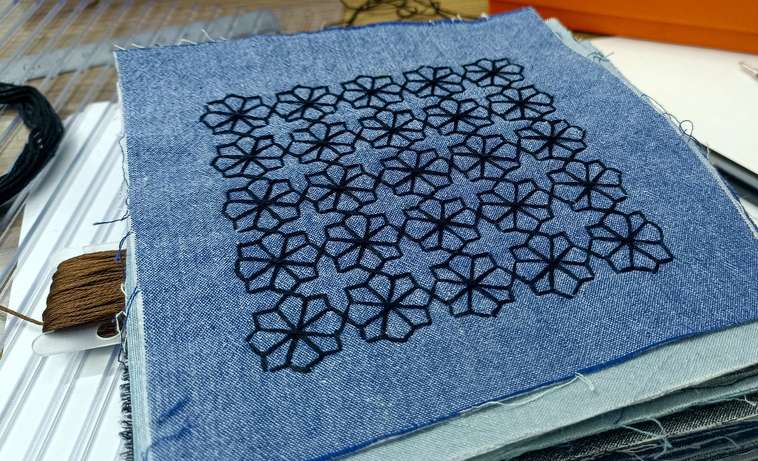
Sashiko is a form of running-stitch embroidery that developed among rural and working-class communities. It was a way to reinforce and repair worn fabric, long before it became decorative in its own right. The name translates roughly to “little stabs,” a reference to the small, even stitches that create geometric patterns like waves, diamonds or interlocking grids.
Sashiko was traditionally worked in white thread on indigo-dyed cloth. It began as a matter of necessity. Stitchers added layers of thread to reinforce thin or damaged fabric so it could hold up to more wear. That makes it a close cousin in spirit to kintsugi’s idea that repaired things can be as good as, or better than, the original. Workshops usually have participants stitch a small pattern onto a coaster, tote bag or handkerchief. The appeal is how quickly a repetitive, meditative stitch adds up into a finished pattern.
- Origin: Developed among rural and working-class communities across Japan, particularly in colder northern regions like Tohoku
- Era: Widely practiced by the Edo period, as a practical way to reinforce and repair worn fabric
- Difficulty for beginners: Easy. The stitch itself is simple and repetitive, making it a good starting point for hand embroidery
- Status today: Enjoyed a resurgence as both a decorative craft and a mending technique. Partly through renewed global interest in visible mending
- Fun fact: The name sashiko translates roughly to “little stabs,” describing the small, even stitches the technique is built from
Book a Japanese Stitching Sashiko Workshop Experience in Osaka on Klook
Koh-do: Japanese Incense Making
Koh-do, the “way of incense,” is one of Japan’s three classical refinement arts, alongside tea ceremony and flower arranging, though it gets far less attention from visitors than the other two. Traditional practitioners don’t say they “smell” incense. They say they “listen” to it, a distinction that reflects how seriously the practice treats scent as something to be interpreted rather than just enjoyed.
Beginner workshops usually skip the more meditative side of koh-do and focus on blending, letting participants combine aromatic woods, spices and other natural materials into their own custom incense. Sandalwood, cinnamon and agarwood are common starting points, and most studios walk visitors through the character of each ingredient before letting them mix. The blended material gets shaped into cones, sticks or pressed into a mold, depending on the studio, so it can be lit and burned once it’s dry.
- Origin: Rooted in Buddhist ritual practice introduced to Japan from China; developed into a refined art form by the aristocracy
- Era: Formalized as one of Japan’s three classical arts during the Muromachi period, alongside tea ceremony and ikebana
- Difficulty for beginners: Easy. Blending scents to your own taste doesn’t require prior skill, though creating a balanced fragrance takes practice
- Status today: Practiced both as a formal art with dedicated schools and as an accessible workshop activity for visitors
- Fun fact: Practitioners traditionally describe koh-do as “listening” to incense rather than smelling it
Try it here:
Incense Making Experience
Book the Incense Making Workshop on Flip Japan Guide
Blend traditional aromatic materials into your own custom incense, guided through the character of each ingredient before you mix.
Bamboo Craft Workshop: Traditional Japanese Takezaiku
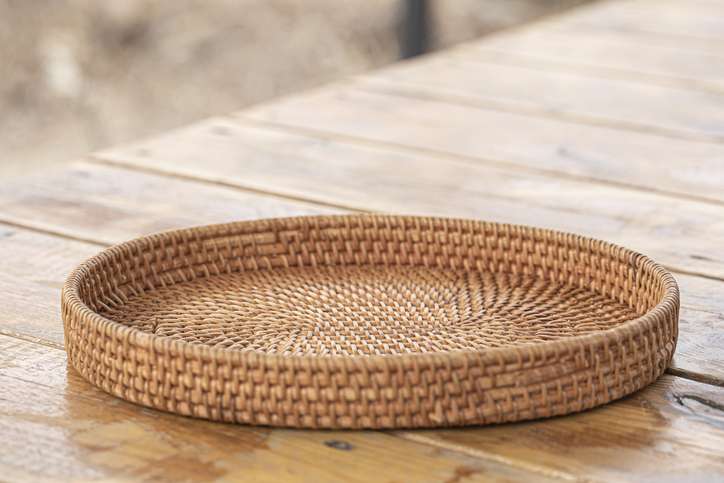
Bamboo has been central to Japanese craft for centuries. It’s lightweight, flexible and strong all at once, qualities that make it useful for everything from tea whisks to baskets to structural elements in traditional architecture.
Working with bamboo starts with splitting it into thin strips. This takes practice to do evenly, since the strips need to be uniform in width and thickness before being woven. Artisans then weave the strips into patterns, some tight and functional, some open and decorative, to build baskets, trays or lampshades.
Beginner workshops typically supply pre-split bamboo strips so participants can focus on the weaving itself. The result is a small basket or tray that shows off the material’s natural color and grain.
- Origin: Practiced across Japan, with notable regional traditions in Oita, Kyoto and Beppu
- Era: Bamboo craft techniques have been used in Japan for over a thousand years
- Difficulty for beginners: Moderate. Splitting bamboo evenly takes skill, though most workshops handle that step in advance
- Status today: Still practiced by trained artisans, though the most complex woven forms are increasingly made by a shrinking number of specialists
- Fun fact: A single bamboo basket can involve hundreds of individually split and woven strips
Bamboo Artistry & Zen Serenity Tranquility with Ginkaku-ji in Kyoto
Mokuhanga: Traditional Japanese Woodblock Printing
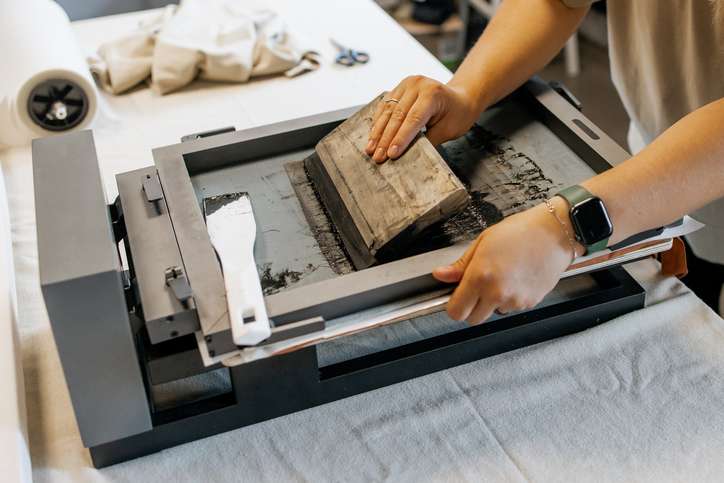
Mokuhanga is the traditional Japanese woodblock printing technique behind ukiyo-e. These are the prints of Mount Fuji, kabuki actors and famous waves that most people picture when they think of Japanese art. Each color in a traditional print requires its own hand-carved block. Printers ink each block by hand then press it onto the paper in careful registration with the others. This keeps the colors aligned correctly.
Unlike Western printmaking, mokuhanga uses water-based pigments rather than oil-based ink. Printers also dampen the paper before printing, which helps it absorb color more readily. The result is the soft, slightly textured look these prints are known for.
Beginner workshops usually provide a pre-carved block or two. Participants focus on mixing pigment and applying it evenly with a brush, then use a hand tool called a baren to transfer the image onto paper. It’s a good way to feel how many hands typically touch a single ukiyo-e print before it’s finished.
- Origin: Developed in Japan, closely associated with Edo (Tokyo) during the height of the ukiyo-e print industry
- Era: Ukiyo-e woodblock printing flourished from the 17th through 19th centuries
- Difficulty for beginners: Moderate. Carving is difficult to learn quickly, but beginner workshops usually focus on printing from pre-carved blocks, which is more approachable
- Status today: A living art form with a smaller but active community of printmakers and educators, both in Japan and internationally
- Fun fact: A single multi-color ukiyo-e print traditionally required a separate hand-carved block for each color, all pressed in careful alignment
Book a Woodblock Printing Workshop at Flip Japan Guide
Furoshiki Wrapping: Traditional Japanese Cloth Wrapping
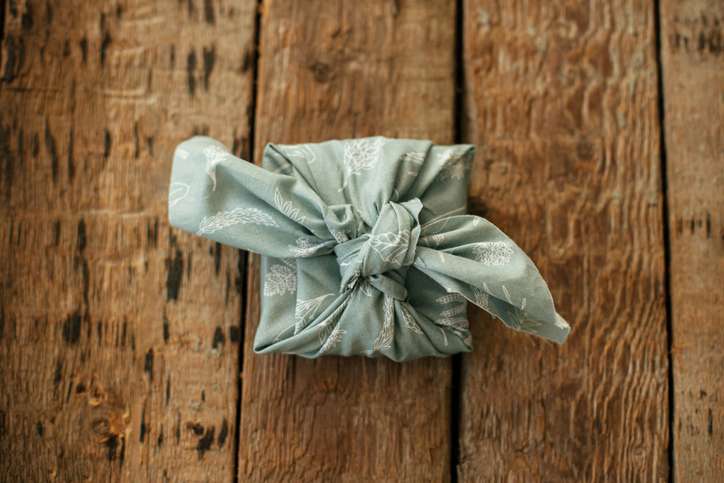
Furoshiki is the traditional Japanese practice of wrapping and carrying objects using a single square of cloth. The method predates modern gift wrap and bags by centuries. It has seen renewed interest as a low-waste alternative to both.
What looks at first like simple folding is actually a small system of techniques. Different knots and folds suit a bottle, a box or an oddly shaped gift. A well-tied furoshiki can carry surprisingly awkward loads without anything shifting.
Workshops usually run through a handful of the most useful folds using different sizes and weights of cloth. Most participants leave able to wrap at least a bottle and a book competently. They also take home a cloth or two to actually use afterward.
- Origin: Practiced throughout Japan
- Era: In use since at least the Nara period (8th century), with the name and widespread use developing during the Edo period
- Difficulty for beginners: Easy. Most basic wraps can be learned in a single workshop session
- Status today: Enjoying a resurgence as a low-waste alternative to gift wrap and shopping bags
- Fun fact: A well-tied furoshiki can carry surprisingly awkward or heavy loads, including bottles, boxes and even furniture in more advanced techniques
Book a Japanese Washi & Origami Cultural Experience in Tokyo on Klook
Sensu: Japanese Folding Fan Making
The folding fan is one of Japan’s more quietly practical exports. Unlike the flat, round uchiwa, the sensu collapses down to a slim wedge, which made it easy to carry and, historically, easy to fold into everything from noh theater to tea ceremony to samurai battlefield signaling. A folding fan wasn’t just for cooling off; the way it was opened, closed or held communicated rank and etiquette in formal settings for centuries.
Making one from scratch, ribs and all, is a specialist trade that takes years to learn. Visitor workshops narrow the scope considerably, usually handing participants a pre-assembled fan frame and letting them focus on the paper: stamping, painting or otherwise decorating the surface before it’s mounted. It’s a faster entry point into a craft that traditionally involves dozens of separate hands before a single fan is finished.
- Origin: Developed in Japan, with the folding fan considered a Japanese invention later exported to China and beyond
- Era: Early folding fans date to the Heian period, with production techniques refined through the Edo period
- Difficulty for beginners: Easy. Decorating a pre-assembled fan is approachable for all skill levels
- Status today: Still produced by specialist workshops, particularly in Kyoto, though most visitor experiences focus on decoration rather than full construction
- Fun fact: A traditional sensu can take dozens of individual craftspeople to produce, from rib-cutting to paper-mounting to final assembly
Try it here:
Fan Making Experience
Book the Fan Making Workshop on Flip Japan Guide
Decorate your own folding fan by hand, choosing your own design on a traditionally mounted frame.
Whichever craft you choose, the appeal is the same: a few hours spent making something with your own hands, guided by someone who has spent a lifetime perfecting the skill. In a city that moves as fast as Tokyo, that kind of slowness is its own reward.