July 22, 2025
How “Sex Toy” Brand TENGA Is Changing Sex Talk in Japan
This iconic “pleasure item” is pushing the conversation forward and normalizing masturbation
Sexuality in Japan, Is It Taboo?
Do people in Japan talk about sex? Masturbation? Sexual pleasure?
Many outside observers assume Japanese people are shy and quiet, believing that Japan doesn’t talk about sex at all. But this is a common misconception. In fact, Japan does, or perhaps did, talk about sex quite openly, in a way. (One could say that Victorian Europe and Edo Japan were almost opposites when it came to attitudes toward sexuality.) Some might say they never doubted this, knowing the other side of modern Japan: the billion-dollar porn industry, bustling red-light districts and cultural exports the government doesn’t exactly boast about as soft power… But the issue isn’t whether people talk about sex. It’s how, when and what they talk about.
Do we talk about sex outside of:
・Beating around the bush with medical terms to discuss procreation?
・Using it as a cheap joke or punchline?
・Treating it as something only men have agency over?
・Cultural production that reduces it to commodifying female bodies?
・Assuming there is only one “natural” way of doing it?
So how is TENGA, a “masturbator” you’ve probably seen in high street shops around Tokyo, an entry point to this conversation? What many categorize as just a “sex toy” has actually been influencing Japan in ways worth exploring.
Sex Ed in Japan: Sexuality Beyond “Babymaking”

Japan does have sex education. Children learn about bodily changes in elementary school by fifth grade, and again focus on reproduction in middle school health class. However, the content is heavily centered on biology or simply to prepare them for the physical changes of puberty.
According to Watanabe Daisuke, an associate professor at Saitama University who specializes in sexuality education, Japan’s national curriculum avoids discussing how conception actually happens. “Sperm, eggs and fertilization are covered,” he explained in an interview with NHK, “but the process leading to fertilization is not.” In practice, this means sex is never explicitly addressed, not even as an act, let alone as something people might enjoy, worry about, or feel conflicted over.
In middle school, the curriculum touches on sexually transmitted infections and pregnancy, but still stops short of discussing intercourse itself. Condom use is mentioned, but the other practical information about sex is mostly left unsaid. Teachers are left walking a narrow line, caught between vague official guidelines and their own sense of responsibility. So yes, Japanese schools talk about sex, but often as if no one is really doing it. That gap between biology and lived experience is where much of the current conversation stalls.
For instance, my school actually did talk about masturbation, how it’s normal, nothing to feel guilty about, and how certain ways of doing it could hurt your body. But this isn’t the case everywhere. It depends so much on the teacher, since official guidelines tend to beat around the bush.
Additionally, religious schools in Japan often show reluctance to include more comprehensive sexual education, such as contraceptive methods or broader sexual health topics, due to religious values. There are approximately 392 Christian junior and senior high schools in Japan, significantly more than the 162 Buddhist schools and just 8 Shinto schools. While all schools, including private ones, are expected to follow the Ministry of Education’s national guidelines, religious schools in Japan are legally permitted to incorporate faith-based content into their curriculum. This means they may devote class time to Bible study or theology, which can come at the expense of other subjects, including sex ed. Religion-specific classes can be used to promote abstinence-only messages or religiously-framed understandings of biology and ethics, including topics such as abortion and sexual identities.
Sex is not just about sexual intercourse. It’s about sexuality. It’s about identity, wellness, your own body, stages of life, desire and pleasure. It is related to culture, emotion, kinship and overall, life. If sex and sexuality are reduced to an act of procreation, not only is it heteronormative, masturbation becomes unexplainable. Looking at many societies like the 20th-century U.S., with Christian-backed “science” of sex being reserved for reproduction, masturbation has been demonized. It needs to be normalized, especially to expand the talk of sex beyond babymaking.
Read more about a drag artist Labianna is changing Sex Ed in Japan.
I remember back in high school discovering that some models I knew from my favorite fashion magazines were posing with TENGA. In 2015, the company launched a series on its website called “TENGA VOICE,” where celebrities talked about their experiences with TENGA. It was refreshing. I was in high school at the time and thought it was wholesome to see people I admired openly talking about masturbation to normalize it. These celebrities included models, comedians, entrepreneurs, athletes, musicians… It felt bold, because it wasn’t just adult entertainers but people from all kinds of fields, respected in their own artistry, all talking about sexual wellness.
Tenga, Cultural Icon
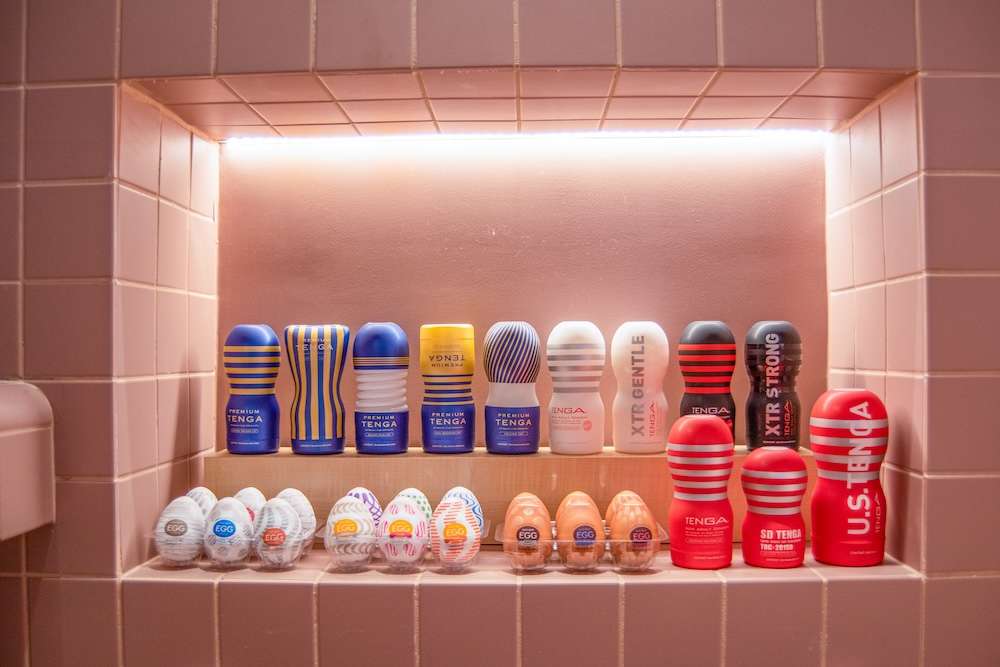
So what exactly is TENGA? For Japanese speakers, it’s synonymous with masturbatory aids for the penis, having become a genericized trademark for these kinds of products (similar to how “Fleshlight” is used in English). Even for visitors, it’s often seen as an iconic omiyage (souvenir) from Japan.
Koichi Matsumoto, TENGA’s inventor, came from the automobile industry. He loved manufacturing and craftsmanship but wanted to create something new and exciting. One day, he noticed how sex toys weren’t marketed to win people’s trust like other products. Instead, they were designed to look “risqué.” Their selling point wasn’t function, design, or quality. Many didn’t even list the maker, cautions, or customer service contact details expected for everyday items.
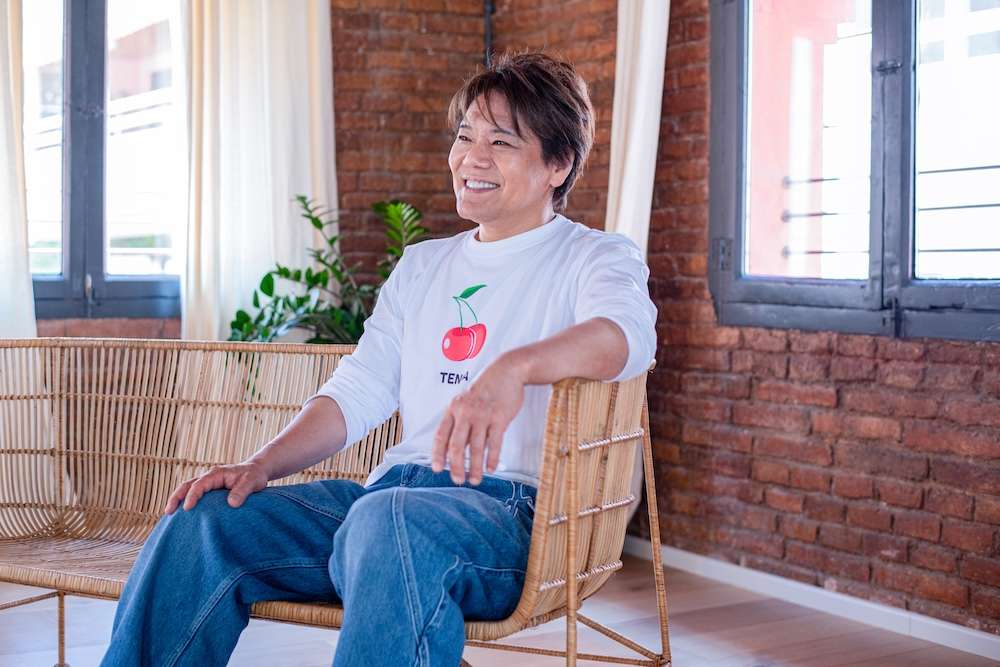
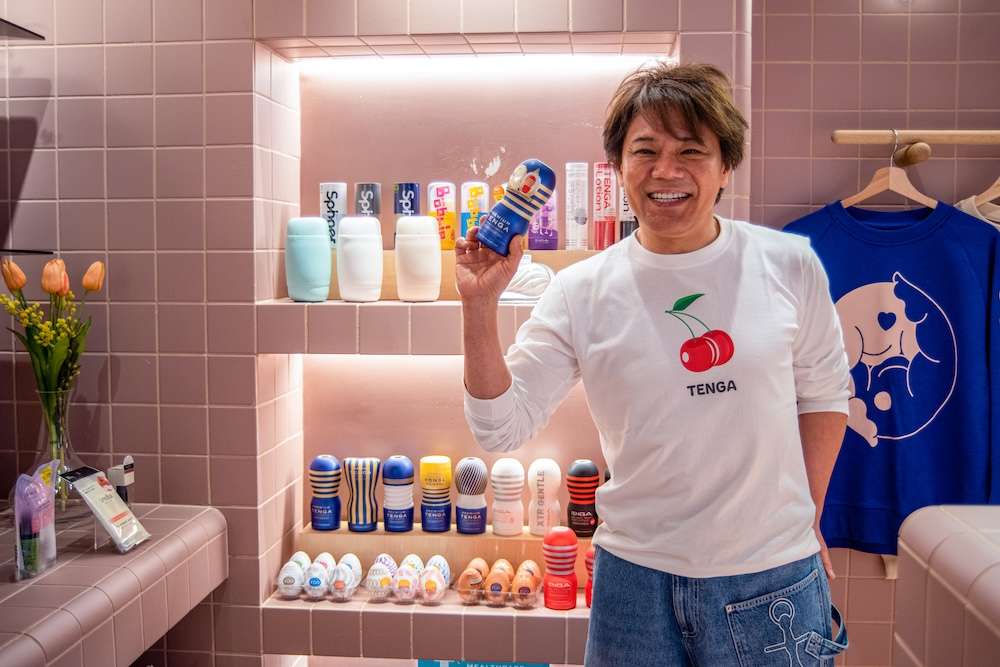
He thought people masturbate just like they eat, sleep, dress, brush their teeth, or listen to music. It’s a mundane and natural thing. Hence, it should be treated like any other gadget you’d see in an electronics store. That thought led to TENGA’s invention, using his savings after quitting his job and spending 2 years year on R&D by himself. In 2005, TENGA was born.
TENGA doesn’t describe itself as a “sex toy”. What makes it stand out is that it’s not designed to emulate human body parts. For example, many similar “sex toys” world are called “artificial vaginas” in English. TENGA instead focuses on physics, pursuing stimulation through geometry and texture. TENGA EGG, for example, is labeled by internal patterns like “Boxy,” “Wavy,” or “Tornado.” They are minimalist and sleek, aiming for “universal design,” intuitive and easy to use without instruction.
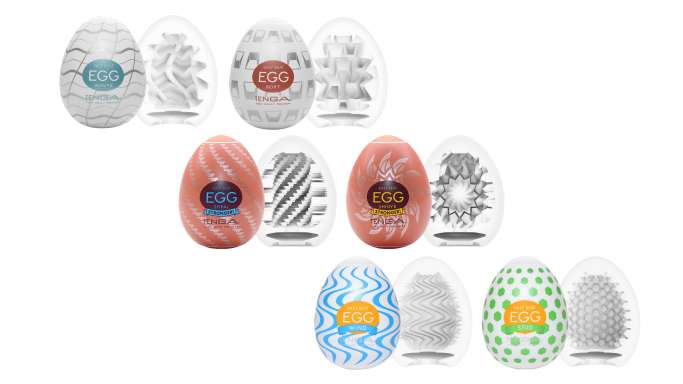
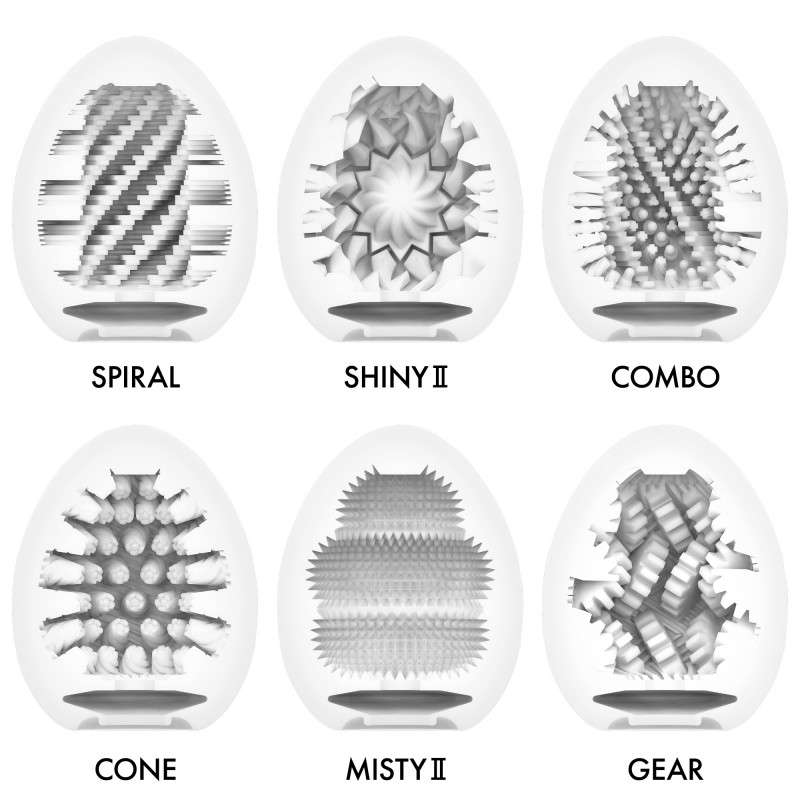
This approach is inclusive. While many Western brands expanded into mimicking anal or oral sex to reach wider audiences, TENGA focused on creating well-designed gadgets for effective, pleasurable stimulation of a body part.
This design philosophy doesn’t just make TENGA inclusive. It also helps categorize the products as mundane, not risqué or scandalous. Today, you might see TENGA on the shelves of pharmacies or convenience stores, but before TENGA, seeing “self-pleasuring items” in these shops was unimaginable in Japan. The sight of TENGA in a high-street store was already a powerful step toward normalizing sexual wellness. And a stylish flagship shop like TENGA LAND, located inside a fashionable mall in the heart of Harajuku, subconsciously helps people accept and unashamedly embrace the concept of masturbation.
Inclusive Designs
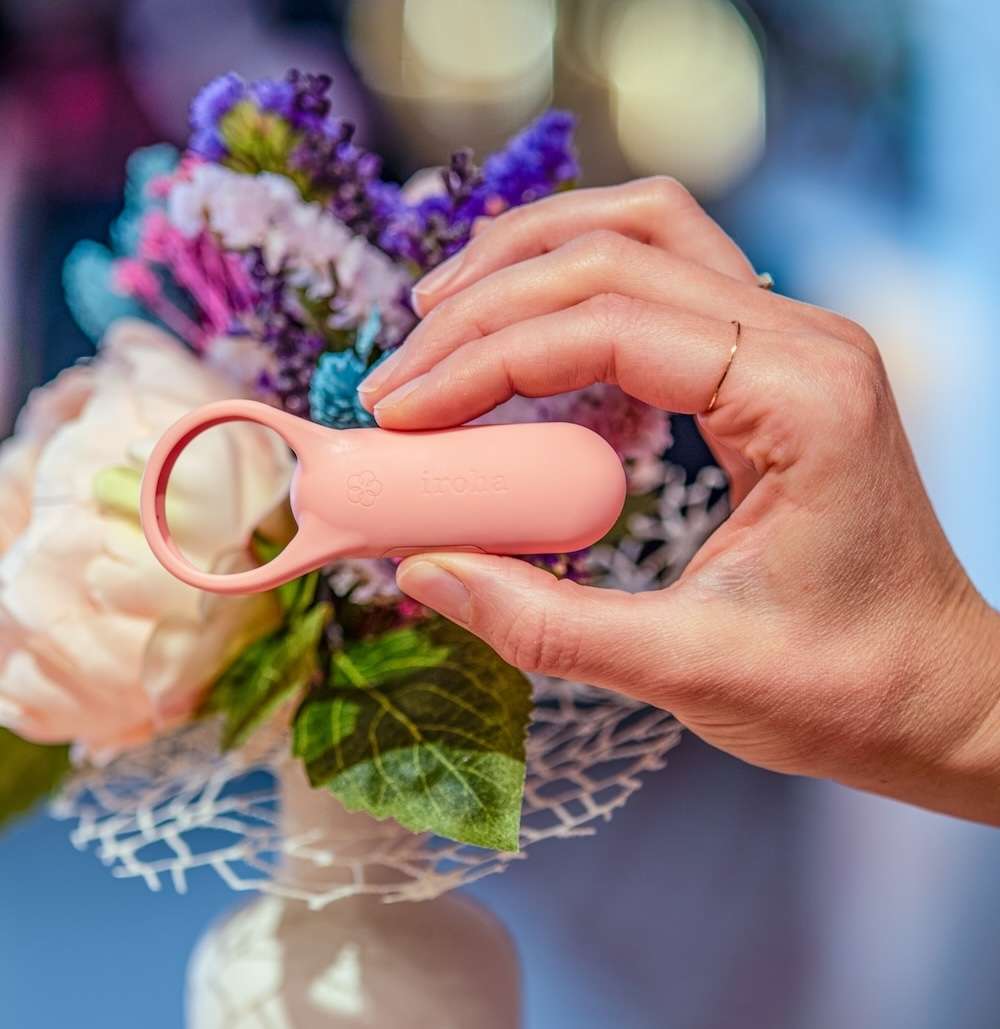
TENGA as a company started with its flagship product, but it has grown into a more comprehensive sexual wellness brand. One of its biggest expansions came in 2013 with the launch of “iroha“, which made a big wave in Japan. Iroha is a line of vaginal masturbatory aids, primarily targeting women.
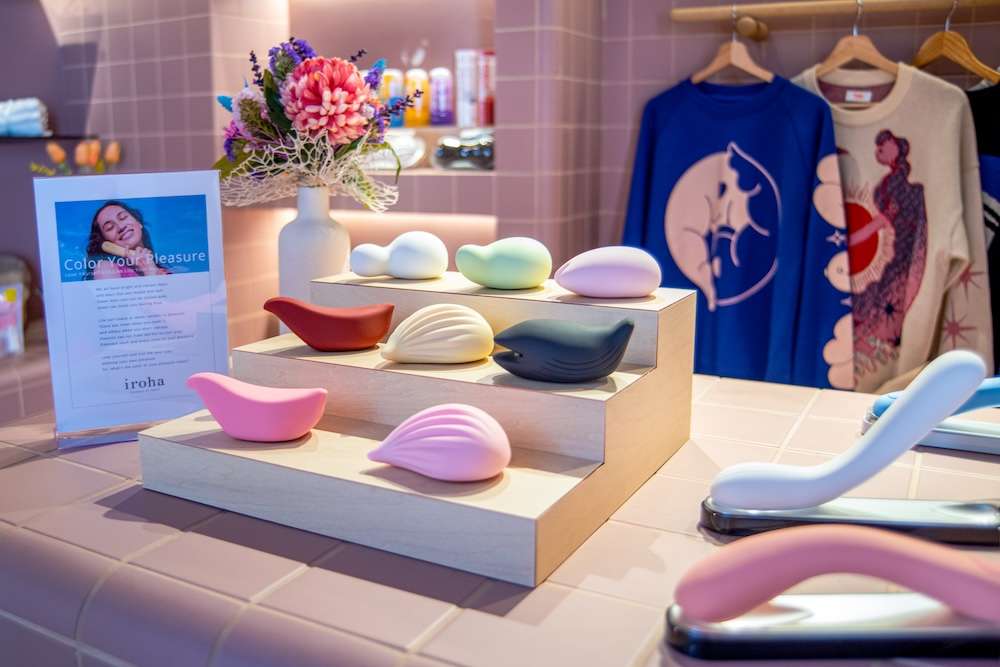
Women’s sexuality has often been dismissed and masturbation for women was talked about even less than men’s. Unlike the traditional risqué and hypererotic masturbatory aids targeting men, products for women were designed to be as discreet as possible. Many are familiar with the most successful example of this: the hand-held wand massager marketed for “shoulder use,” with the unspoken understanding that it could be used elsewhere.
Iroha was innovative because it was designed specifically for sexual pleasure and wellness, with development led by a female R&D team. It wasn’t overtly a “sex toy,” but it wasn’t pretending to be something else either. Iroha products look like wagashi (Japanese traditional sweets), soft, abstract objects that resemble sculptures. This meant that after washing and leaving them out to dry, they looked aesthetic in your room. But importantly, they were unapologetically designed for pleasure and sexual wellness. Iroha was also the first product of its kind to have a full-page advertisement in a nationwide newspaper.
Read more about femtech and sex positivity in Japan with the founder of Love Piece Club.
In 2023, TENGA launched a unisex pleasure item, TENGA UNI. It’s versatile and can be used for vaginas, penises, or by couples. These are just some of the ways TENGA, which started with a single product designed for penis insertion, has expanded, continuing to innovate through extensive R&D.
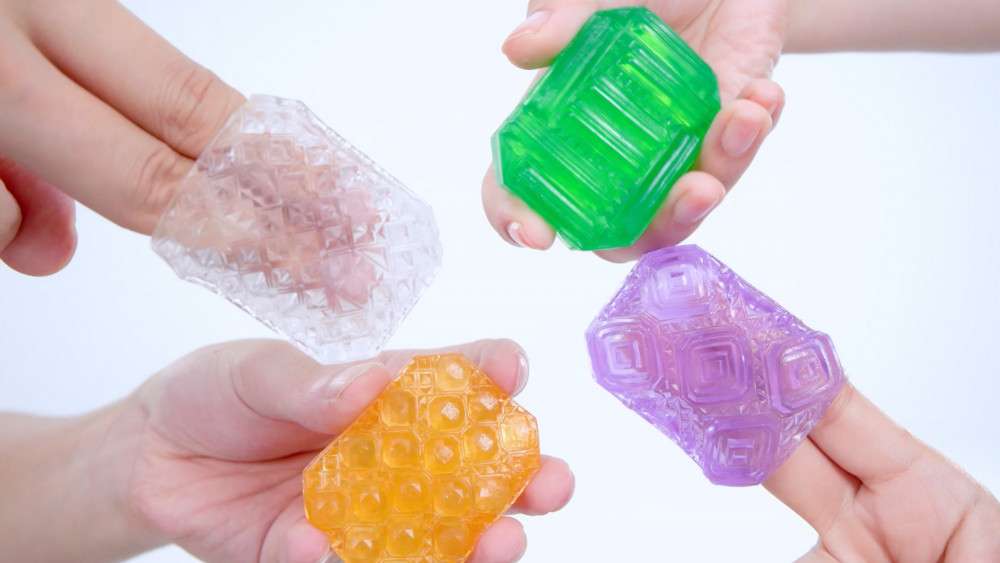

It also recognized an often overlooked reality: sexuality and sexual pleasure are parts of life for everyone, including people with disabilities. While support often focuses on eating, dressing, and daily mobility, true quality of life includes sexual wellness, too. Some individuals cannot masturbate on their own due to physical limitations. To address this, since TENGA’s founding, the company has collaborated with an NPO and occupational therapists to develop cuffs (assistive devices) that enable users to hold and use TENGA products independently. They are also currently developing a similar cuff for iroha products. In Saitama, TENGA also operates a factory where people with disabilities can acquire skills in product manufacturing while earning a fair wage. Adjacent to the factory is a café and dog park that has become a local community hub, where people of all ages and abilities come together to relax, chat, and enjoy events.
Sexual Wellness and Education
Providing pleasuring products is not the only way TENGA is influencing Japanese society. TENGA Group also operates TENGA Healthcare, which started as a project and is now a full company affiliated with the Japanese Society for Sexual Medicine and the Japanese Society for Sexual Science. Its mission is to research and develop products for sexual health like a tool to check your own sperm, while spreading scientifically accurate, shame-free sexual knowledge.
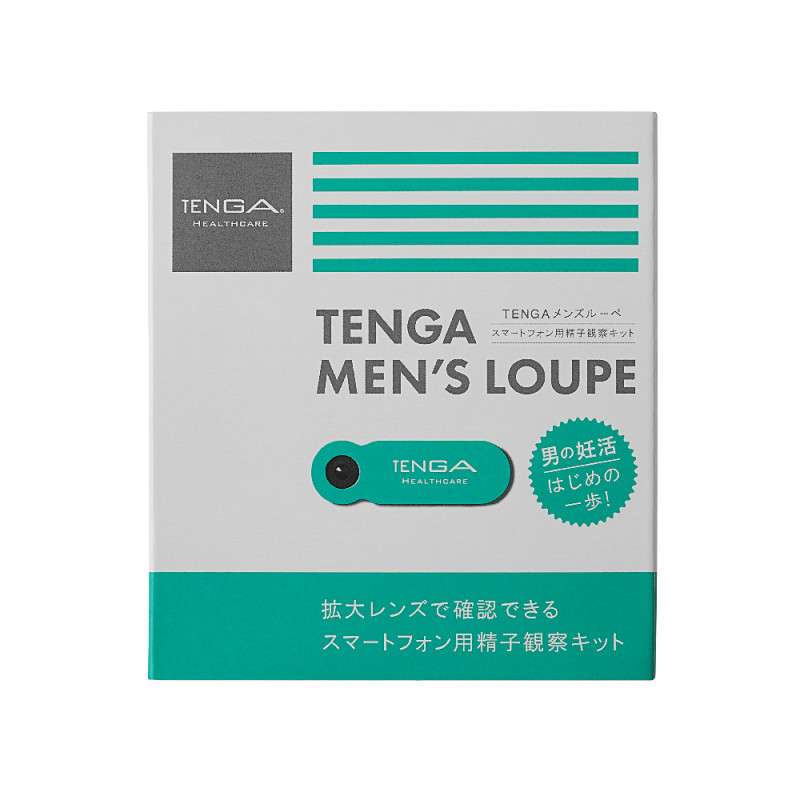
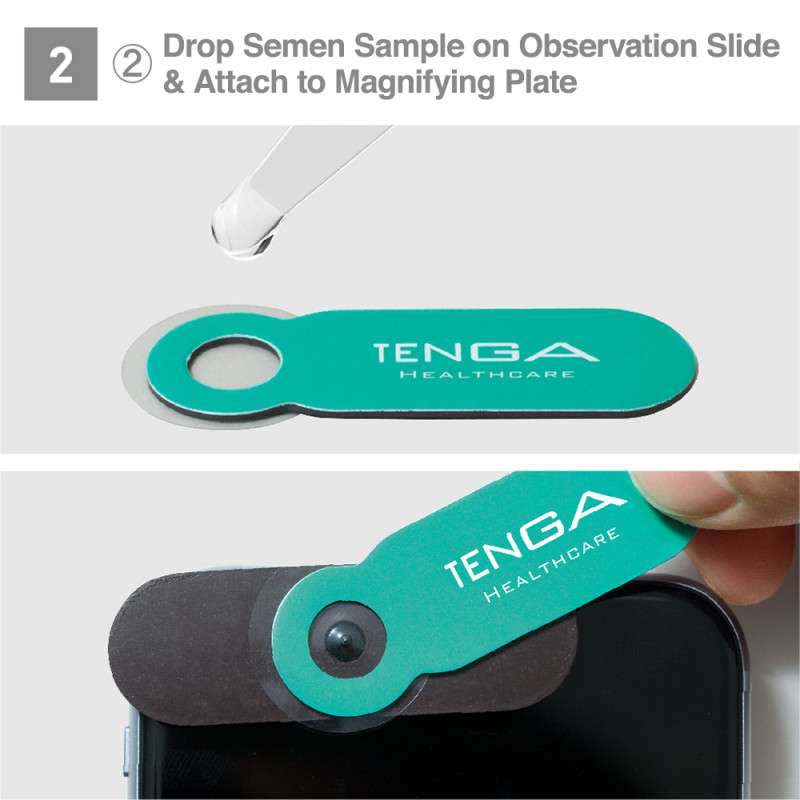
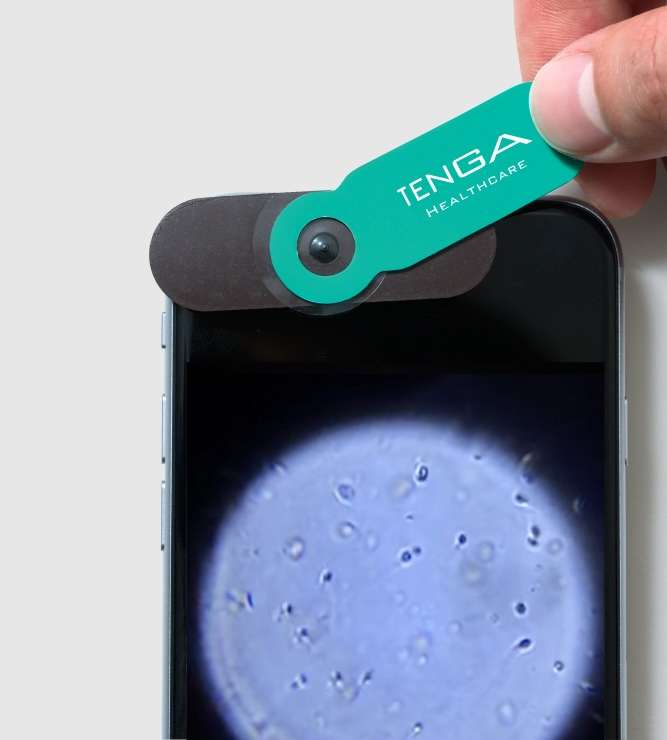
One of its platforms is “Seicil,” a sex education site for middle and high school students. Seicil answers questions submitted by teenagers, with multiple experts responding to topics from body changes and sexual safety to sexuality, identities, coming out and consent. It now exceeds 2 million page views annually. For educators, “with Seicil” offers teaching materials and content and the team also provides guest classes at schools. Recognizing the need for adult sex education, they have also launched “Otona Seicil,” a platform providing sex-positive, scientifically backed knowledge for all ages.
Sex Talk in Japan, Moving Forward
Japan, both historically and today, holds a complex relationship with sex, feeling both prudish and sex-positive at the same time.
Talking about sex requires a balance: serious yet casual, accessible to everyone yet respectful of boundaries. It’s a difficult task.
Addressing issues in Japan’s sex education is equally complex. Simply adding more explicit details to the curriculum isn’t necessarily easy or effective. There’s a growing conversation about rethinking the teacher-student relationship, moving away from rigid hierarchies but maintaining healthy boundaries while avoiding being too personal. Teachers also face the challenge of navigating different parental expectations for each student, often leading to tense family situations.
But while school matters, both young people and adults learn just as much from everyday life and society as they do in class. Attitudes towards talking about sex and masturbation are shaped by daily encounters, like the products you see in shops and the way brands choose to approach them.
TENGA finds a way to avoid being overly medical or textbook-like, recognizing sexuality as pleasure without treating it as something “dirty.” It takes sexual wellness seriously, as seriously as any beautifully designed gadget for daily life.
Read more about Japanese society and culture:
How Drag Queen Labianna Is Changing Sex Ed in Japan
Is Same Sex Marriage Legal in Japan
Her Body, Not Her Choice: Do Women in Japan Need Consent From Their Partner to Get an Abortion?