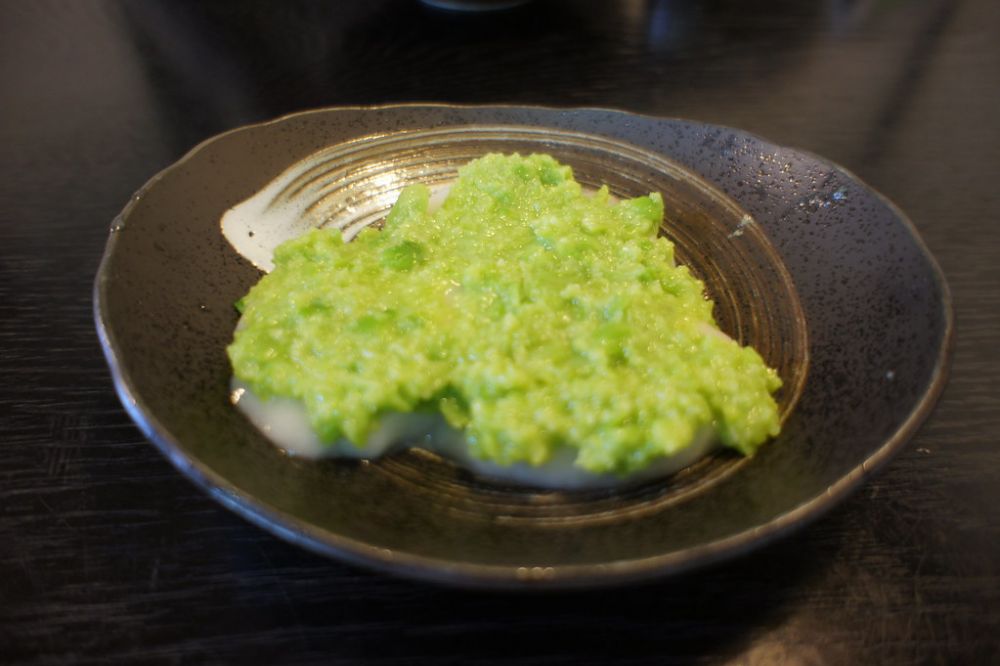
From the streets of Sendai to the tranquil landscapes of Aomori, zunda has woven itself into the culinary fabric of Tohoku, and is a cherished delicacy enjoyed by locals and visitors alike. This vibrant-green, velvety paste made from young, mashed edamame has been passed down through generations. Now it has become a symbol of the region’s history and innovative gastronomy we know today.
Curious about the landscapes of Aomori? Take a look at our article on Aomori Spring and Rockwood Hotel.
What is Zunda?
Zunda is a traditional Japanese sweet made from young, green soybeans. The beans are mashed into a smooth paste, then mixed with a sweetener to create a slightly nutty-flavored treat.
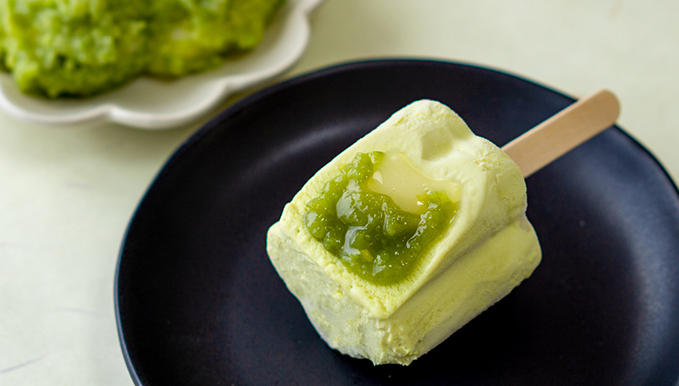
People from the UK might connect its appearance to that of mushy peas, and those in Japan might draw a resemblance to anko, its red bean paste cousin. Like anko, zunda is a versatile food that you’ll see used in all kinds of dishes, from chewy mochi to ice cream and yokan.
Zunda’s Origins
The exact origins of zunda are not precisely documented, but it is believed to have originated in the Tohoku region of Japan, specifically during the Kamakura period (1185–1333). Before this, the story of the treat traces its roots back to ancient China, where edamame, or young soybeans, were first cultivated. The beans made their way through the Silk Road and eventually reached the shores of Japan.
The resulting bountiful soybean harvests inspired Tohoku locals to experiment with this versatile ingredient. Initially, zunda found its place as a nutritious and energy-packed snack for samurai warriors and laborers alike, providing them with sustenance during the region’s challenging winters.
Later, zunda gained prominence and popularity during the Edo period (1603–1868), an era marked by cultural flourishing and culinary innovation in Japan. Trade routes connecting Tohoku to other regions facilitated the spread of its popularity, and it became an integral part of local culinary traditions.
China has influenced Japan beyond zunda. Check out our article on Osaka’s underground Chinatown.
Modern Day Zunda
The modern era witnessed a resurgence of interest in traditional Japanese cuisine, and zunda found itself in the spotlight once again. Chefs across Tohoku embraced the challenge of reinventing the dish, incorporating it into diverse dishes like zunda mochi, ice cream, and even flavored beverages like milkshakes and smoothies.
You might be interested in our article on Cherry Blossom Recipes to find more of Japan’s sweet treats.
Note: This article was last updated on October 30, 2025.