Tokyo Neighborhood Guide: Ebisu
Tokyo’s effortlessly cool quarter
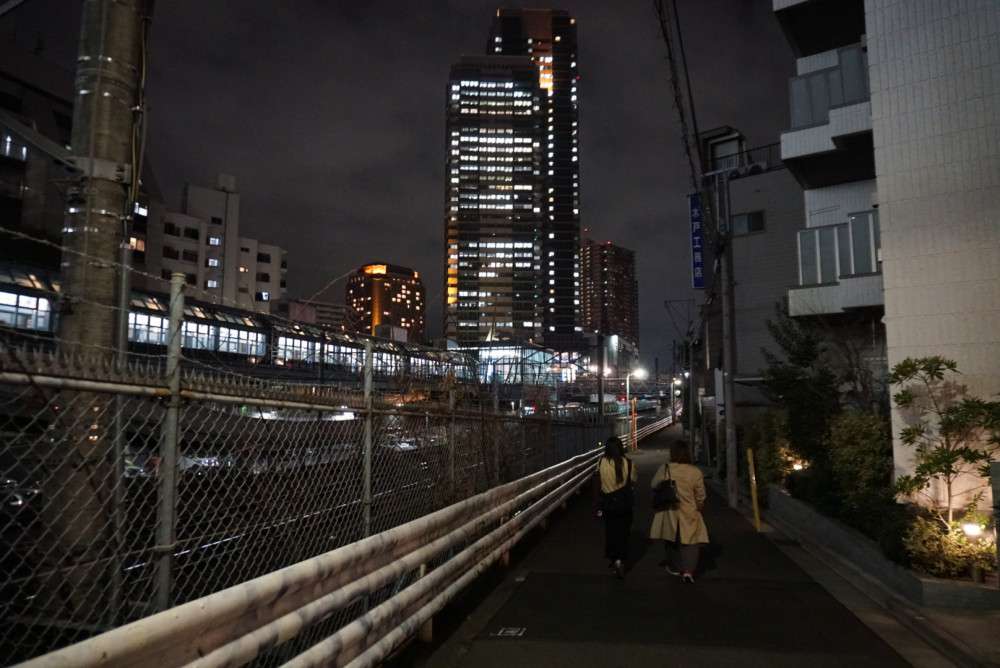
A single stop from Shibuya, Ebisu offers a more balanced pace. While the neighborhood is home to well-known spots such as the Tokyo Metropolitan Museum of Photography and the Yebisu Beer Museum, it doesn’t rely solely on headline attractions. Away from its main streets and station, Ebisu begins to feel more understated. It’s in these quieter alleyways that the neighborhood reveals another side of itself through the rhythm of a morning coffee, the familiarity of a local bar, and restaurants that carry a quiet confidence without needing to announce their presence.
Historically, the area grew around the Yebisu Beer brewery, and while the industrial past has long since given way to residential streets and dining districts, the culture of gathering remains. People still come here to eat, to drink, to meet, much less as an occasion, but more as a habit. There is an ease to it, a sense that the neighborhood exists not for visitors, but for those who choose to stay a while.
Top Notch Eats & Drinks
Ebisu Yokocho
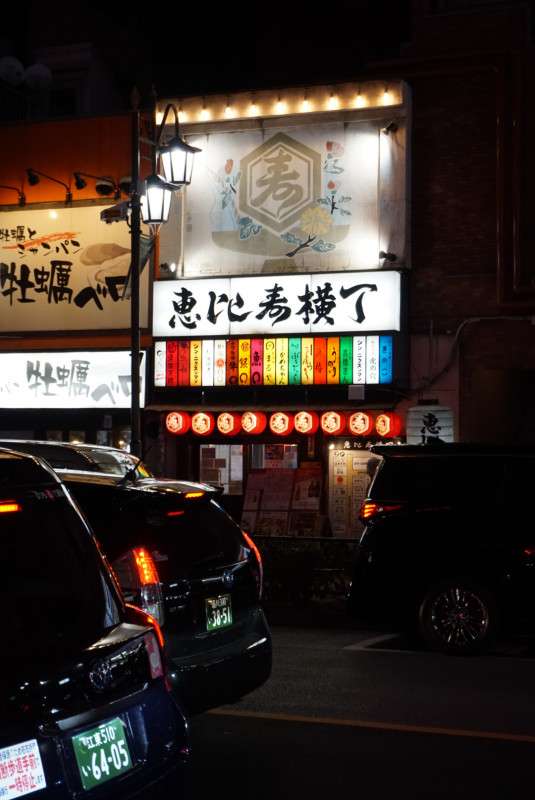
Tucked behind an unassuming entrance, Ebisu Yokocho opens into a tightly packed corridor of smoke, laughter, and overlapping conversations. Dozens of small stalls line the passage, each barely large enough to hold a handful of patrons, yet collectively forming one of the most sociable dining experiences in the city.
Ebisu Yokocho
1-7-4 Ebisu, Shibuya-ku
Banh Mi Bakery Ebisu
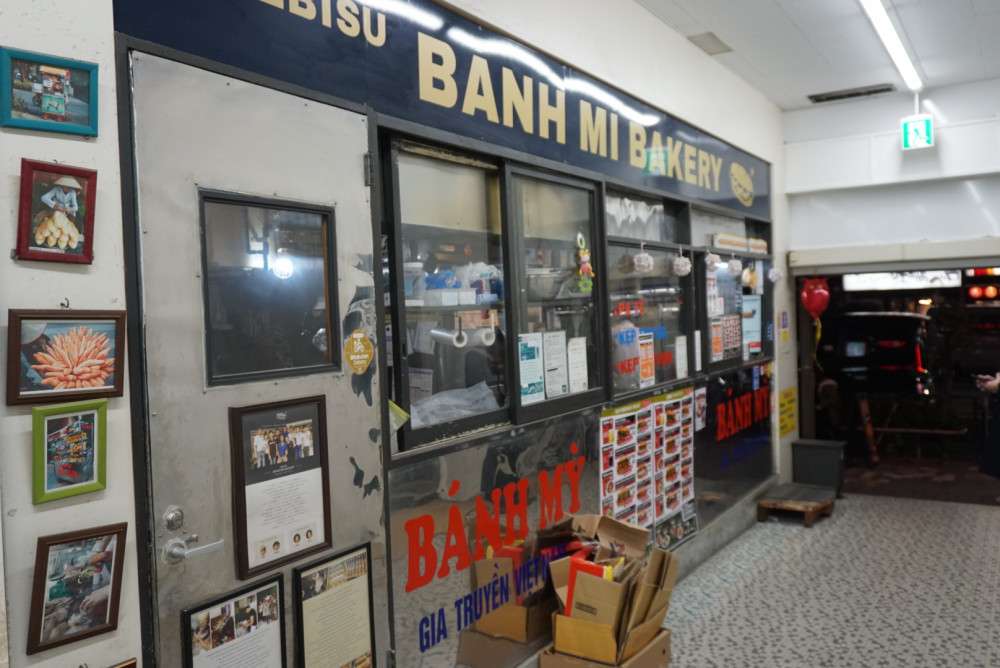
In a neighborhood known for its polished dining scene, this small Vietnamese sandwich shop offers something refreshingly direct. The baguettes crackle on every bite, giving way to layers of pickled vegetables, herbs, and deeply seasoned meats. It’s fast, casual, and quietly excellent, the kind of place locals return to not for novelty, but for consistency.
Ebisu Bánh Mì Bakery
1−8−14 Ebisu, Shibuya-ku
Honolu Ramen Ebisu
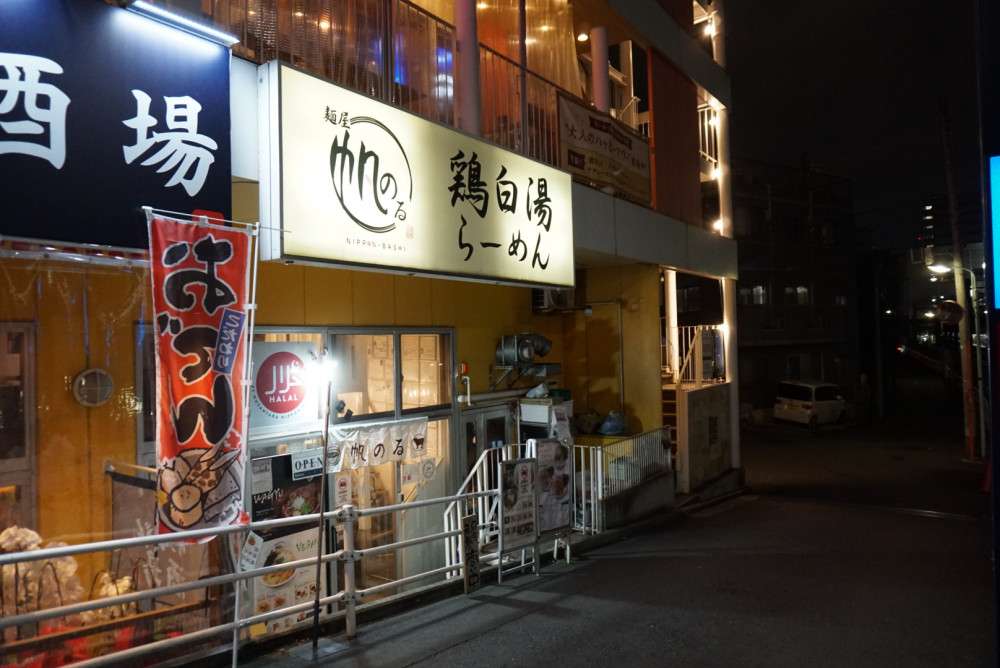
Ramen in Ebisu tends to lean refined rather than heavy, and Honolu follows suit. This Halal-certified ramen shop focuses on a rich broth that is neither excessive nor overwhelming, layered rather than overwhelming, while the noodles hold just enough bite to keep each mouthful balanced.
Halal Ramen Honolu
1F 1−23−1 Ebisuminami, Shibuya-ku
Wagan Sakaba
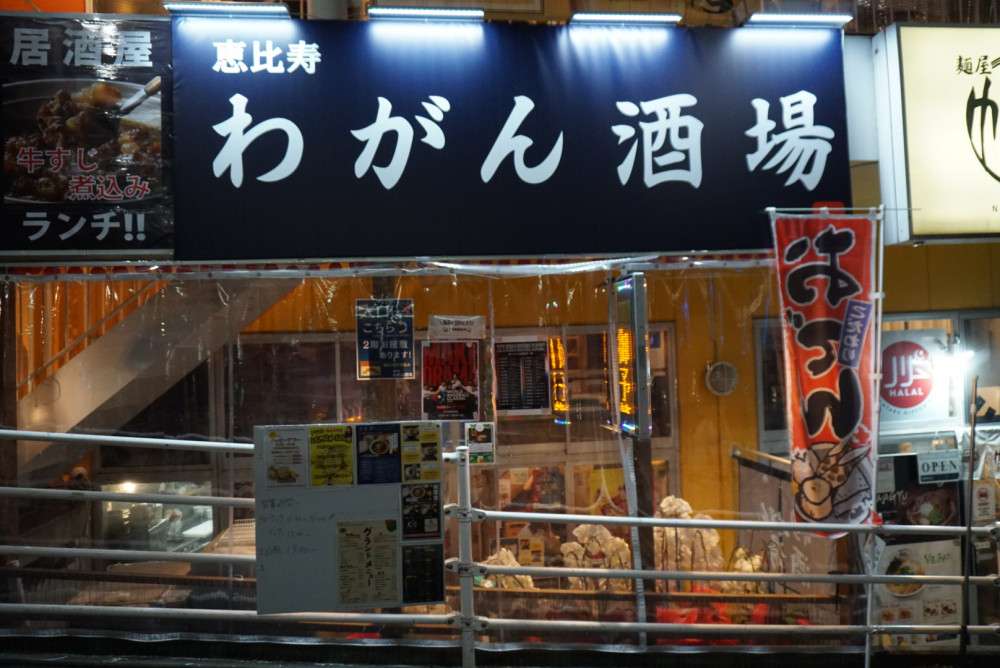
Just right next door from Honolu Ramen, Wagan Sakaba sits somewhere between tradition and reinterpretation. The menu draws on familiar izakaya staples but presents them with a lighter, more contemporary touch, carefully plated, thoughtfully seasoned. It’s a place for longer evenings. Conversations stretch, drinks arrive at an unhurried pace, and the atmosphere encourages you to settle in rather than move on.
Wagan Sakaba
1-23-1 Ebisuminami, Shibuya-ku
Sarutahiko Coffee
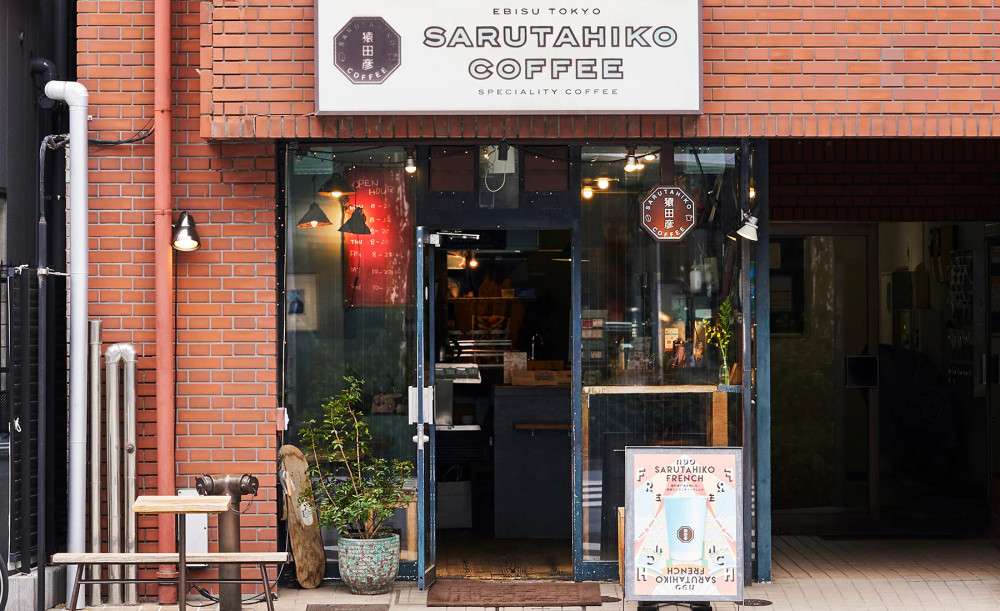
Credit: Sarutahiko Official Site
What began as a small local coffee shop has grown into one of Tokyo’s most respected specialty coffee names, yet its Ebisu origins remain central to its identity. A must-visit in Ebisu, the café balances warmth and precision: wood textures, soft light, and a quiet confidence in its craft.
SARUTAHIKO COFFEE Ebisu Main Shop
1F 1−6−6 Ebisu, Shibuya-ku
Binya Coffee
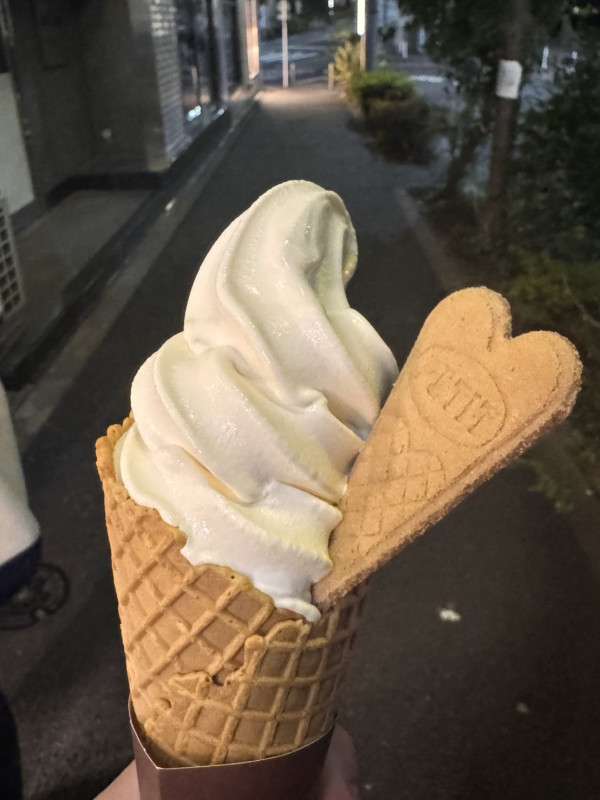
Binya Coffee takes a more minimal approach, but what it does, it does with quiet precision. What sets Binya apart is its soft cream. Light, velvety, and delicately sweet, it sits atop their drinks almost like a finishing touch rather than an addition, elevating the coffee without overpowering it. It’s subtle, but memorable, and quickly becomes the reason many return.
Binya Coffee
4−4−11 Ebisu, Shibuya-ku
The Hub for Culture, Sound & Creative Undercurrents
Blue Note Place
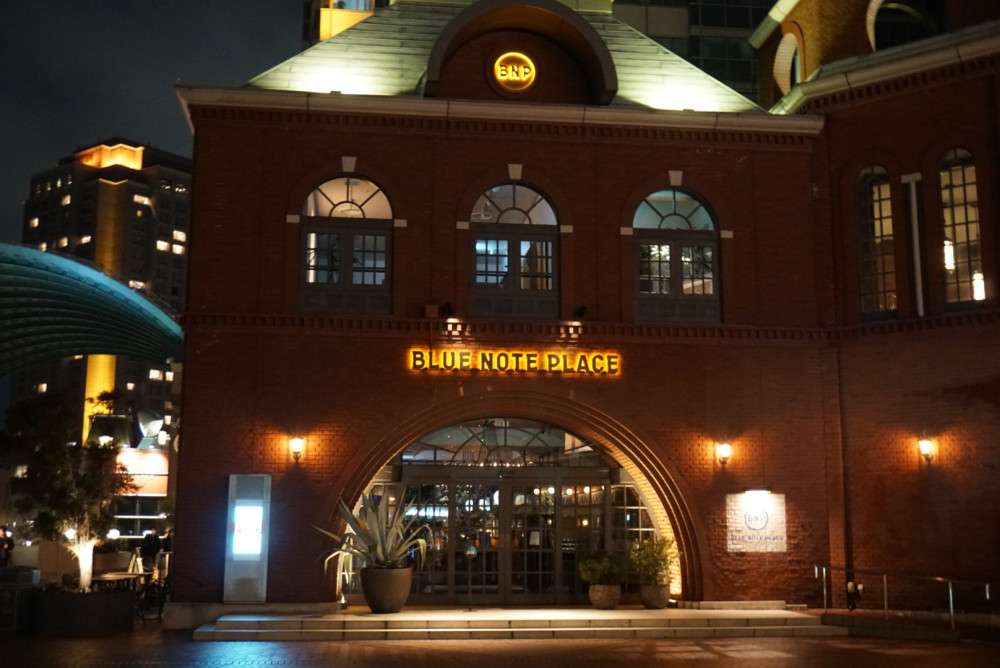
Blue Note Place brings a refined music experience into Ebisu’s orbit. The space is intimate yet polished, designed as much for listening as for atmosphere. Live performances, often jazz or contemporary sets, unfold alongside carefully composed menus and cocktails.
BLUE NOTE PLACE
4−20−4 Ebisu, Shibuya-ku
Noah Sound Studio Ebisu
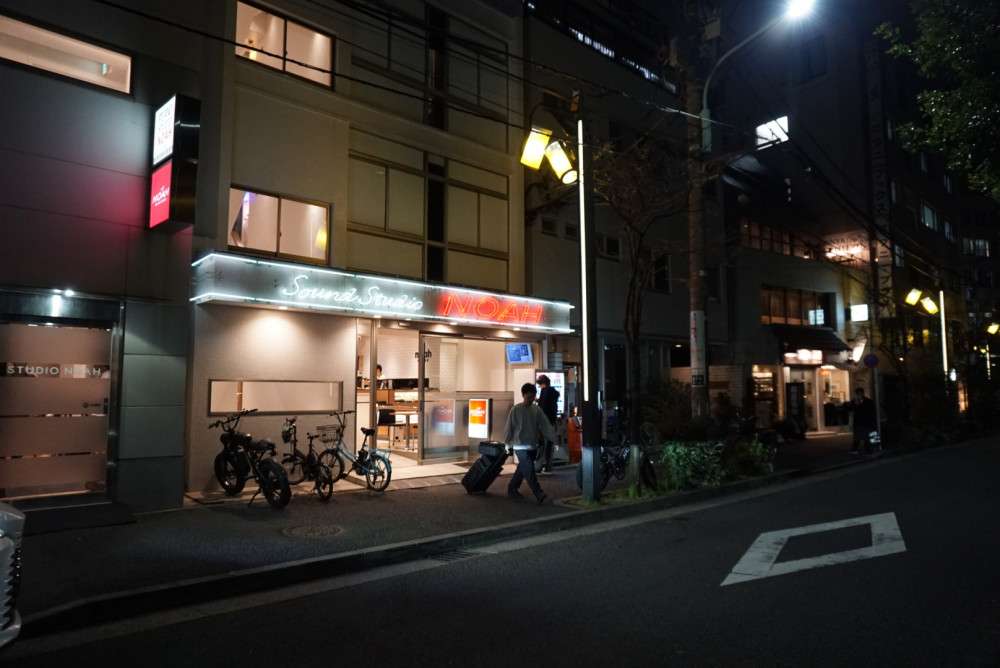
Noah Sound Studio is one of the best places to record music in all of Tokyo. For years, it serves as an anchor for the neighborhood’s creative community. Musicians rehearse, record, and refine their work behind soundproof walls, contributing to a layer of Ebisu that isn’t immediately visible but always present.
Sound Studio NOAH Ebisu
4-4-12 Ebisu, Shibuya-ku
Experience The Ebisu Effect
Ebisu Garden Place
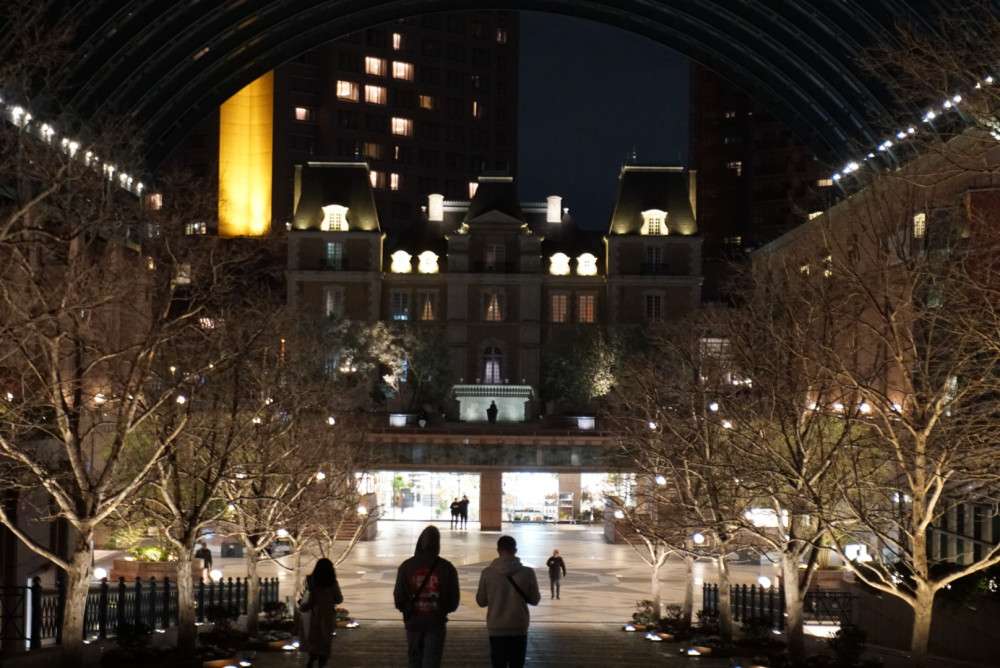
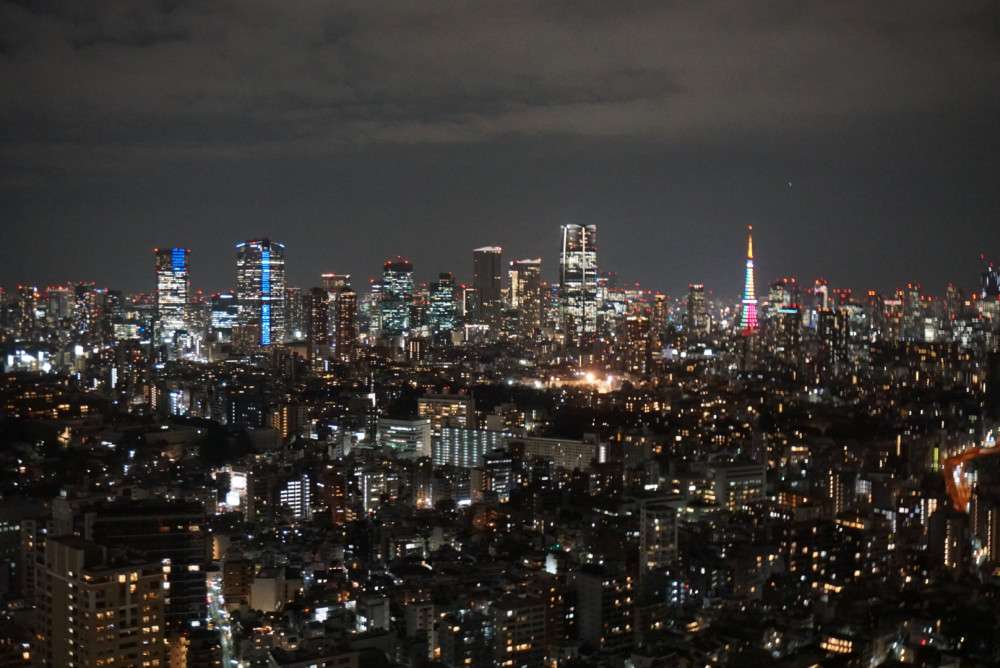
Built on the grounds of the former Yebisu brewery, this expansive complex represents the neighborhood at its most polished. Wide promenades, European-inspired architecture, and cultural institutions create a space that feels distinctly removed from Tokyo’s usual density. Atop its towering building, the Sky Lounge offers one of Tokyo’s more understated panoramic views. There are no long queues or overwhelming crowds, just a wide window onto the city, best enjoyed as day turns into night. Most importantly, admission is free throughout the day.
Yebisu Garden Place
4-20 Ebisu, Shibuya-ku
Ebisu Jinja
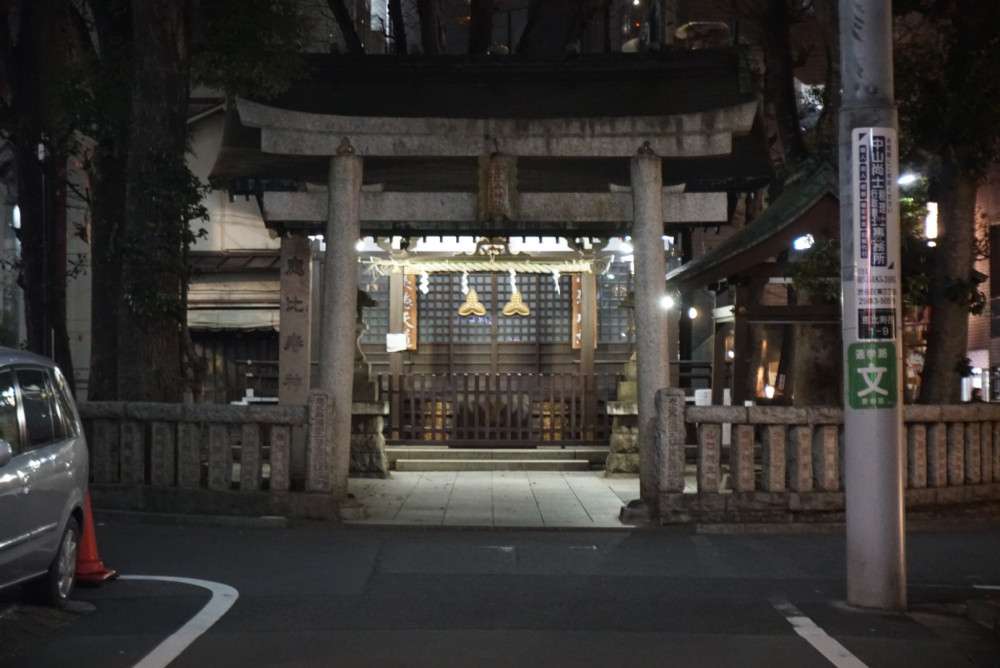
Almost easy to miss, Ebisu Jinja sits quietly within the neighborhood, offering a moment of stillness between cafés and bars. Dedicated to the god of prosperity, it reflects the district’s historical ties to commerce and good fortune. This shrine might just be the best spot to pray for prosperity and wealth, be it for personal finance or business.
Ebisu Shrine
1-11-1 Ebisunishi, Shibuya-ku
Ebisu Store
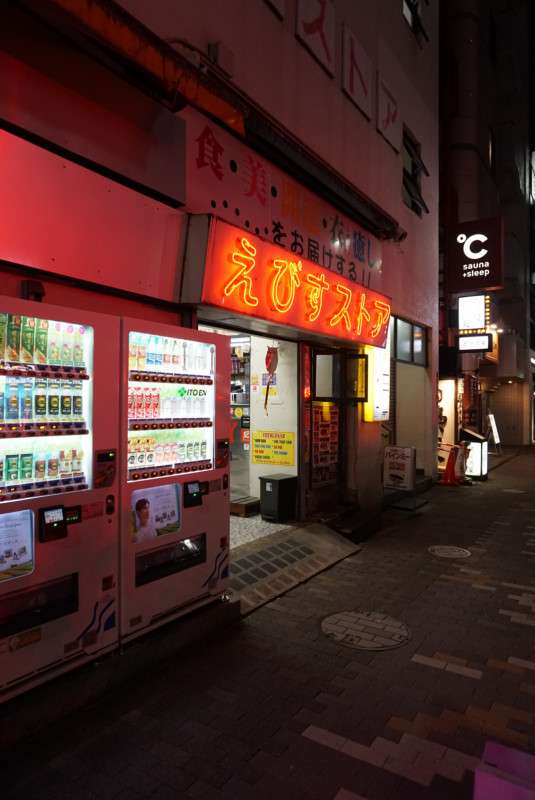
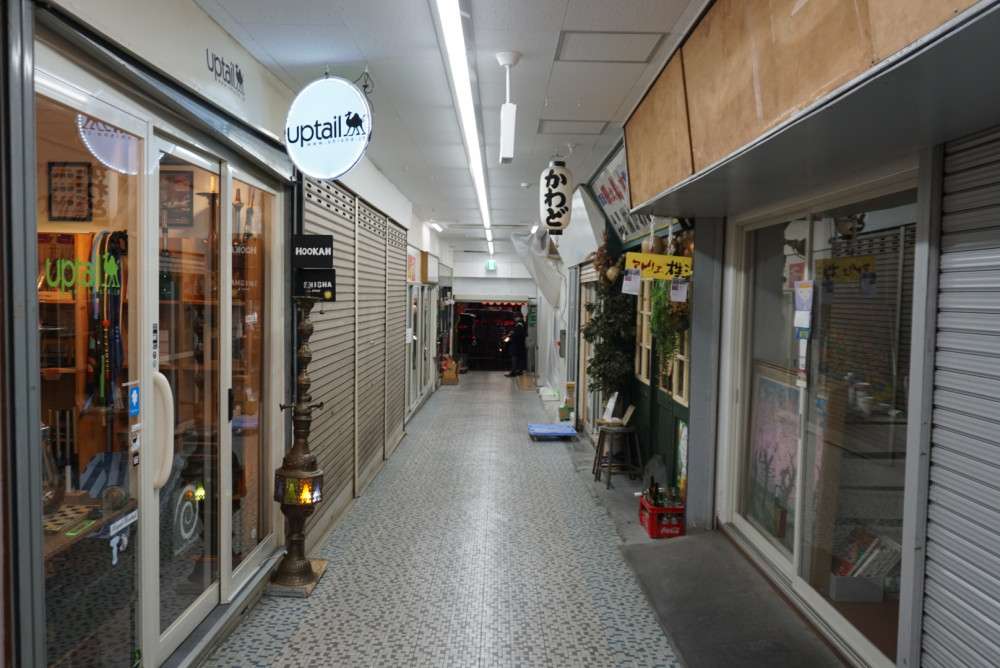
This Showa-style arcade is a subtle nod to the neighborhood’s identity. Ebisu Store reflects the intersection of branding, locality, and history. It’s not a destination in itself, but rather part of the texture, one of many small elements that give Ebisu its sense of cohesion, from its lovely flower shop to the fishmonger in front of the arcade.
Ebisu Store
1-8-3 Ebisu, Shibuya-ku