Tsushima, the Real Japanese Island Behind Ghost of Tsushima
An island where the winds of history still whisper through the mountains, the seas and the swords.
Rising like a silent sentinel in the Korea Strait, Tsushima is one of Japan’s most intriguing islands, not only for its natural beauty and strategic location, but for the way its story bridges deep history and modern myth.
Located in Nagasaki Prefecture, closer to South Korea than Japan’s Kyushu mainland, Tsushima has long served as a crossroads of cultures, conflict and influence.
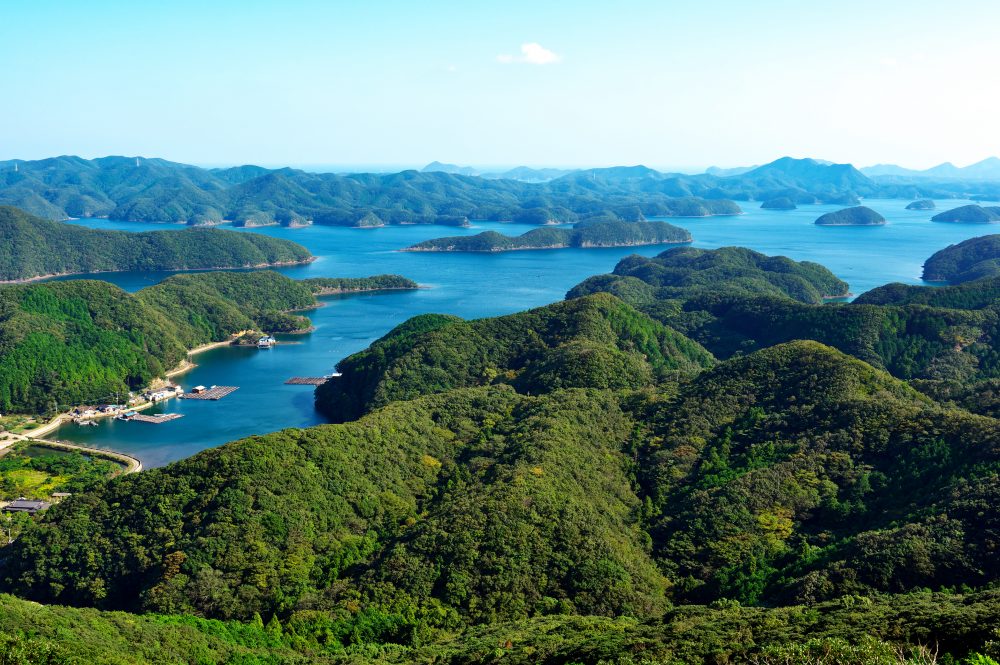
Forests cover nearly ninety percent of its terrain, while winding rias carve a dramatic coastline where gentle beaches and hidden coves meet expansive sea views. This layered landscape has shaped an identity rooted in survival, exchange and narrative, one that now resonates globally thanks in part to the international success of the video game Ghost of Tsushima.
The Frontier Island

Tsushima’s natural setting is a marvel, consisting of dense mountain forests, emerald bays, white-sand beaches and panoramic lookouts such as Mt. Eboshi-dake, from whose summit one can see the distant Korean coastline in clear weather.
The island’s wild beauty invites hiking, bird-watching, fishing and contemplative solitude, while Aso Bay’s rias and scattered islets offer postcard views of coastal Japan.
In Saozaki Park, the Tsushima Wildlife Conservation Center protects the rare Tsushima leopard cat, an endangered emblem of the island’s ecological heritage.
Beyond its allure for nature lovers, Tsushima’s history is inseparable from its edge-of-empire position. Long before the modern era, the archipelago served as an intermediary between Japan, Korea and continental Asia, its people accustomed to trade, diplomacy and military incursions.
In the late 13th century, the Mongol Empire (then the most powerful polity on Earth) set its ambition toward Japan, launching invasions in 1274 and again in 1281. Tsushima was the first battleground, and its shores witnessed the brutal reality of early encounters, with local forces overwhelmed by Mongol troops and their advanced weaponry.
Ultimately, weather played a decisive role in history: storms that struck the invaders’ fleets contributed to their retreat, giving rise to the term kamikaze, or “divine wind,” in later Japanese lore.
Myth, Media and the Modern Imagination
If Tsushima’s landscapes and history are remarkable on their own, few modern works have amplified them as powerfully as Ghost of Tsushima.
Released in 2020 by Sucker Punch Productions, the PlayStation 4 game blends real topography and historical echoes with fictional narrative, placing players in the role of Jin Sakai, a samurai determined to defend his home from Mongol invaders.
While historians note that the game’s characters and battles are dramatized, its setting draws directly on the historical invasions of the Kamakura period; and in the process, bringing unprecedented global attention to the island’s past and present.
The game’s impact has been more than cultural reverence. In response to its popularity, Nagasaki Prefecture collaborated with tourism authorities to highlight real-world Tsushima locations featured in the game, such as Komoda Beach, the Banshoin Temple and rugged peaks like Mount Shiratake, inviting visitors to trace the paths of legend and landscape alike.
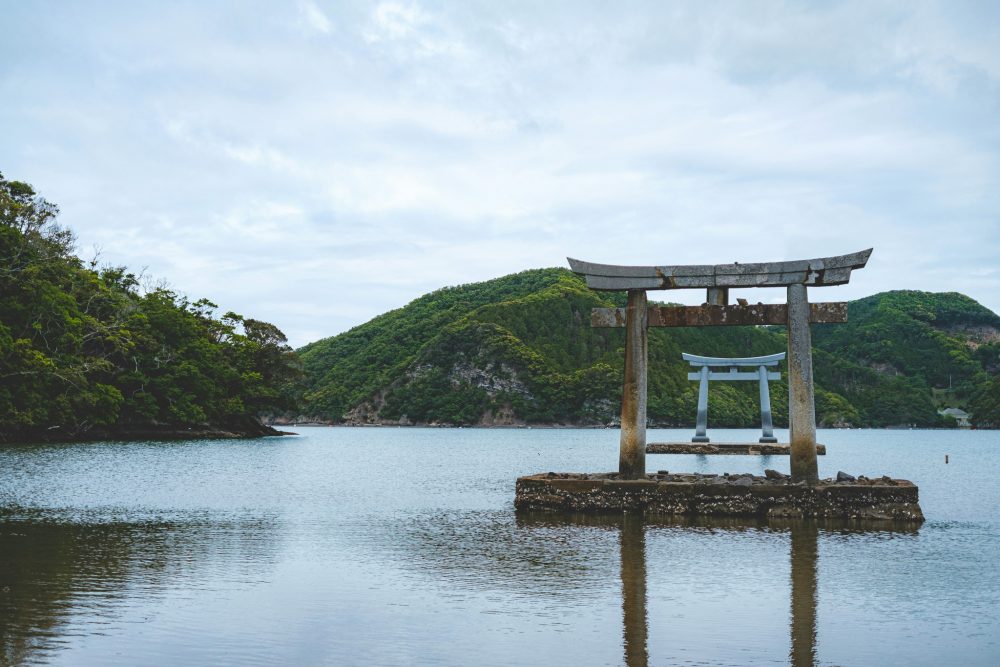
Japanese players and international fans have both helped fund restoration projects, such as repairing the iconic floating torii at Watatsumi Shrine after it was damaged by typhoon winds in 2020.
What distinguishes Ghost of Tsushima is its ability to engage with Tsushima’s deep heritage while reframing it through a contemporary lens. The game’s narrative explores duty, community resistance and personal transformation, themes that all echo the island’s real history of tenacity and negotiation at the edge of empires.
Today, Tsushima’s forests and bays remain havens for explorers, while its battlefields and shrines remind visitors of a turbulent history that helped shape Japanese identity. Through Ghost of Tsushima, this island has entered the global imagination as a place of cinematic landscapes and poignant personal journeys.
This article was originally published in the Summer 2026 “Islands” Issue of Metropolis.