Creative Museum Tokyo: The Creative Origins of Mamoru Hosoda
Original artwork, storyboards, and immersive displays showcase the work of Mamoru Hosoda
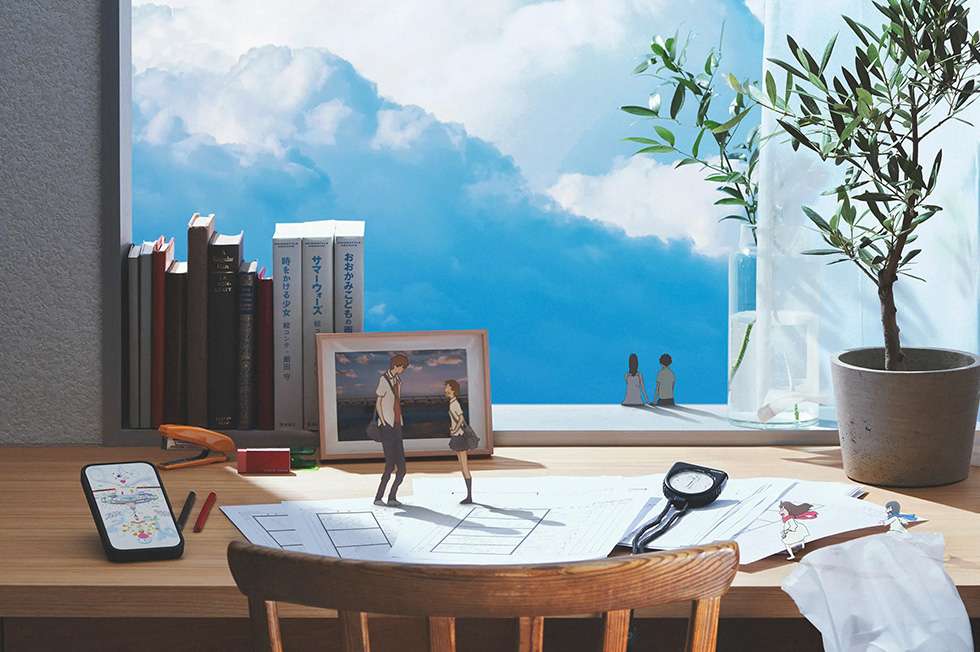
Creative Museum Tokyo has become one of Tokyo’s most talked-about anime attractions this summer thanks to The Creative Origins of Mamoru Hosoda, the largest exhibition ever dedicated to the acclaimed animation director.
Running through August 31, the exhibition marks the 20th anniversary of The Girl Who Leapt Through Time. Rather than focusing solely on Hosoda’s finished films, the exhibition also explores his creative journey.
More than 300 production materials are on display, including storyboards, layouts, key animation drawings, background art and character design sheets. Together, they reveal how ideas evolved from rough sketches into some of Japan’s best-known animated films.
In addition to Hosoda’s acclaimed films, the exhibition also features his earlier works, tracing the evolution of his career. Early 8 mm animations, university film projects, oil paintings and works from his early years as an animation director reveal how his artistic style took shape, while his childhood experiences in Toyama provide further insight into the influences behind his work.
Several large-scale installations take advantage of the museum’s five-meter-high exhibition space. Among the highlights is an immersive recreation of OZ, the virtual world from Summer Wars, along with life-size figures of King Kazma and Love Machine, two of the film’s best-known characters.
Whether you’re a longtime Mamoru Hosoda fan or simply curious about the artistry behind Japanese animation, the exhibition offers a behind-the-scenes perspective rarely available outside an animation studio. By focusing on the making-of process, the exhibition highlights the craftsmanship behind every scene.
For more information about the exhibition, visit the official website.
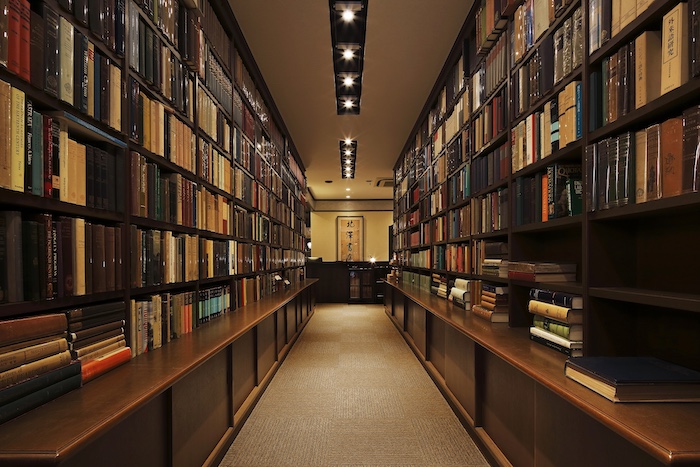
Located near Tokyo Station, Creative Museum Tokyo is a contemporary exhibition venue that hosts rotating large-scale exhibitions dedicated to art, design, film, animation, manga and other creative fields. Past notable exhibitions included a large-scale showcase of Hokusai’s woodblock art and an immersive Demon Slayer exhibition.
Like art museums? Check out our list of Museums and Art Galleries to Visit in Tokyo
Creative Museum Tokyo FAQs
Creative Museum Tokyo (CMT) is a museum dedicated to the art and process behind creative work, spanning anime, manga, music and other pop culture genres alongside contemporary art and design. Rather than presenting finished pieces alone, the museum puts a strong focus on the artists themselves and the process behind each work. It opened in November 2024 with an exhibition on “Demon Slayer: Kimetsu no Yaiba” and has since hosted around four exhibitions a year on rotating themes.
The museum occupies the sixth floor of the TODA BUILDING at 1-7-1 Kyobashi, Chuo-ku, Tokyo, in the Kyobashi Saiku area a short walk from Tokyo Station.
CMT is about a 7-minute walk from the Yaesu Central exit of JR Tokyo Station. It’s also close to Kyobashi Station on the Ginza line (roughly 3 minutes on foot from exit 6), Nihombashi Station on the Ginza and Tozai lines, and Takaracho Station on the Toei Asakusa line.
Yes. The museum has English-speaking staff on-site, and exhibition signage is displayed in both Japanese and English. Video content within exhibitions also comes with English subtitles.
Plan for at least 90 minutes to see the exhibition properly.
The museum’s main gallery covers about 1,200 square meters with 5-meter ceilings, giving it room for large-scale projections, immersive sound design and installations that would be hard to pull off in a conventional museum setting.
Both opening hours and ticket prices vary by exhibition. The museum’s official website lists current hours and pricing for whichever show is running, so it’s worth checking there directly rather than relying on a fixed number, as these details change with each new exhibition.
Yes. The museum has an on-site shop and café, both of which rotate their offerings to match the current exhibition, including exclusive merchandise and themed food and drink menus tied to that show.
No. Re-entry isn’t permitted, so it’s worth planning to see the shop, café and exhibition in one visit.
The museum doesn’t have coin lockers, but it does offer a cloakroom service for bags and coats.
The TODA BUILDING provides Wi-Fi, though connection quality has been described as inconsistent, so it’s best not to rely on it for anything time-sensitive.
The Kyobashi and Yaesu area around the museum is dense with things to do, including the National Film Archive of Japan, Tokyo Station Gallery, Mitsui Memorial Museum, and the shops and restaurants inside Tokyo Midtown Yaesu and the Yaesu underground mall, making it easy to combine a visit with other Tokyo Station-area sightseeing.
There’s no official guidance from the museum on age recommendations or dedicated kids’ activities. Given the format, large-scale projections, immersive sound and content built around anime, manga and design exhibitions, it can appeal to kids who are into the specific franchise or genre on display at the time, but it isn’t set up as an interactive children’s museum with hands-on play areas the way some other Tokyo museums are. Loud sound design and dark rooms in some exhibitions could be a lot for very young or sound-sensitive kids, so it’s worth checking exhibition details for the specific show before bringing young children.