Where is Downtown Tokyo? Finding the Real Center of the City
Let’s explore the six wards that each lay claim to being Tokyo’s true city center
Finding central Tokyo sounds easy, right? At first glance, finding a city’s center seems simple. London calls its center “central,” New York claims Manhattan, and Sydney points to Circular Quay. Most cities designate a central hub for business, commerce, and culture—often called the downtown or CBD. In Tokyo, however, the picture gets murkier.
The foreign tourists might think it is the battle between Shinjuku and Shibuya. But it is Tokyo Station area that bears the name of the city—close to the Imperial Palace. The Edokko (Tokyo natives) will probably say Nihombashi.
Locals, expats, and tourists can’t agree on a single ward that defines Tokyo’s center. Still, many argue over where it should be. The debate draws on location, history, and present-day relevance, with six wards in particular competing for the title of central Tokyo.
Taito-ku: The Historical Shitamachi Center
Before it became Tokyo, people knew the city as Edo. Originally a small castle village on Japan’s east coast, Edo gained prominence when the Tokugawa Shogunate established its seat of power there in 1603. By the 18th century, Edo had already grown into one of the world’s largest metropolises.
Samurai and nobles settled in Yamanote, but the city’s heart beat in the shitamachi—or ‘downtown’—where commoners lived. Narrow streets and dense populations defined the shitamachi, creating a vibrant, chaotic scene of Edo-era life. Merchants and artisans flocked to the area, navigating a grid of streets and an intricate canal system.
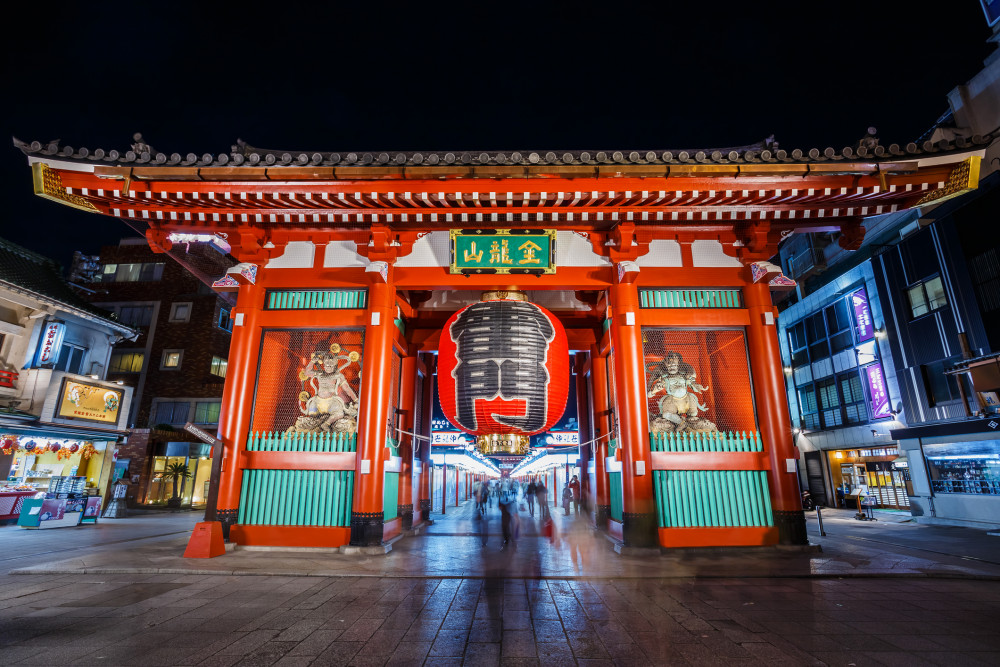
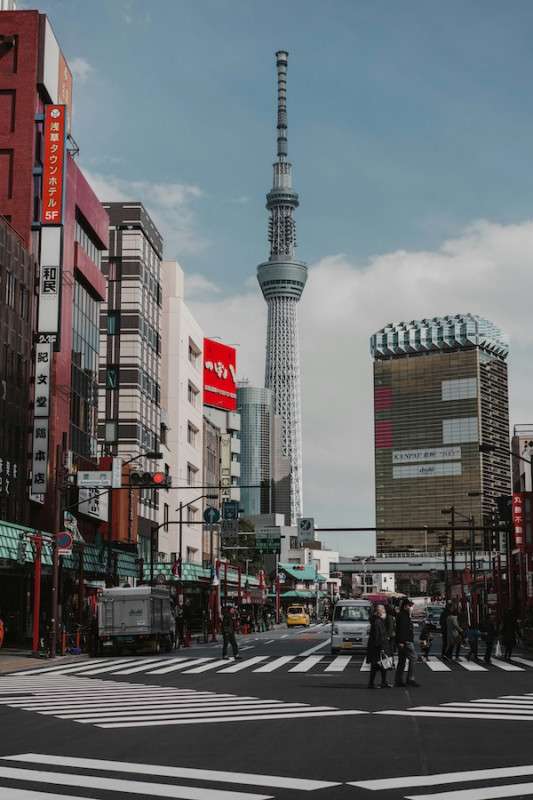
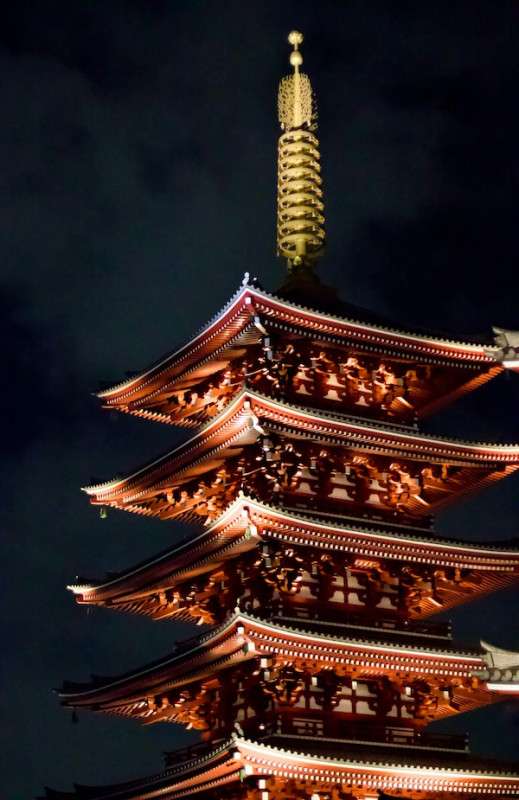
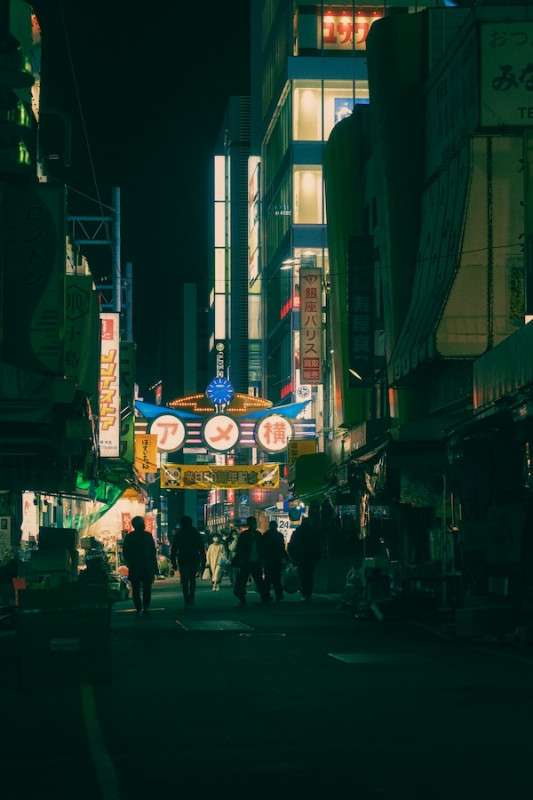
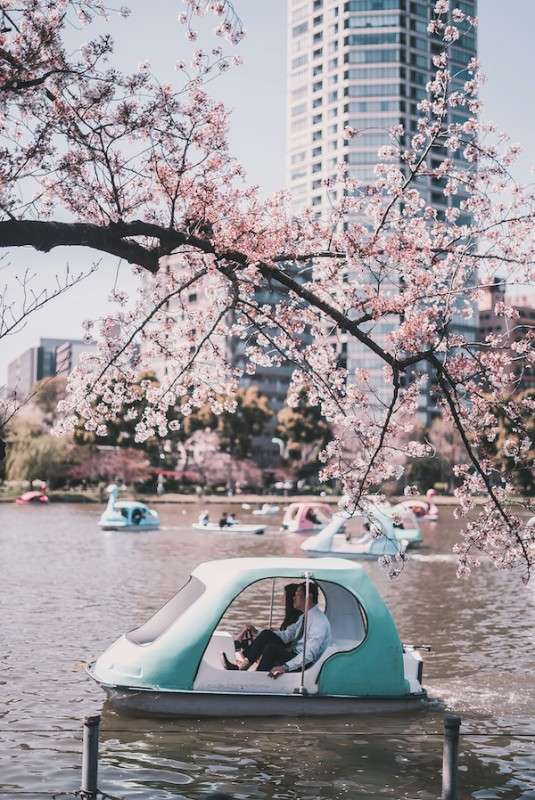
Today, Taito Ward encompasses much of this historic area. A visit to the iconic Senso-Ji temple or a walk through Ueno’s bustling streets can instantly transport visitors back to the heart of old Edo.
・Asakusa
・Ueno
・Yanaka
Chiyoda-ku: The Political and Business Center
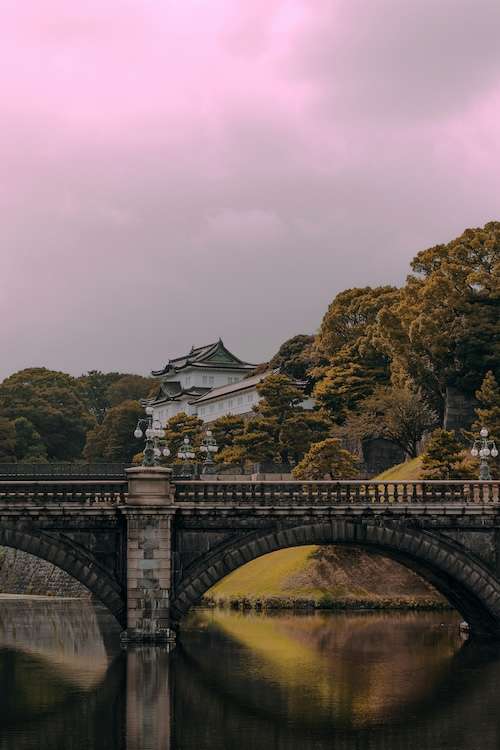
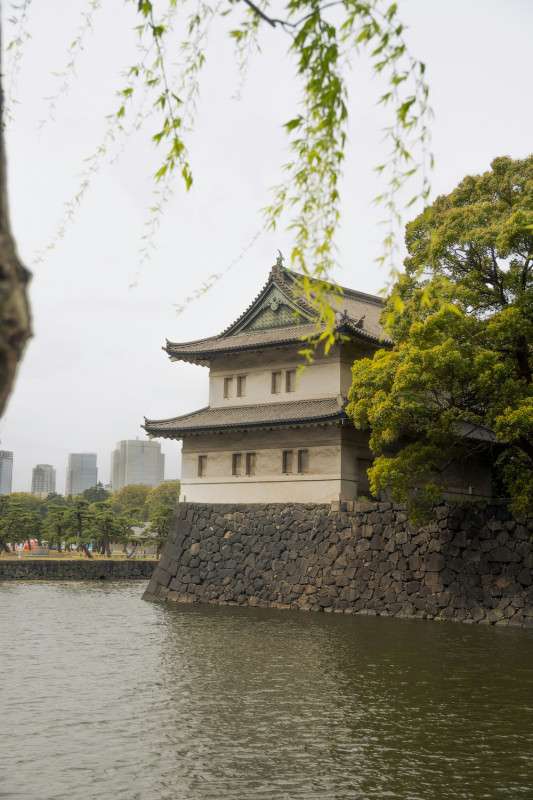
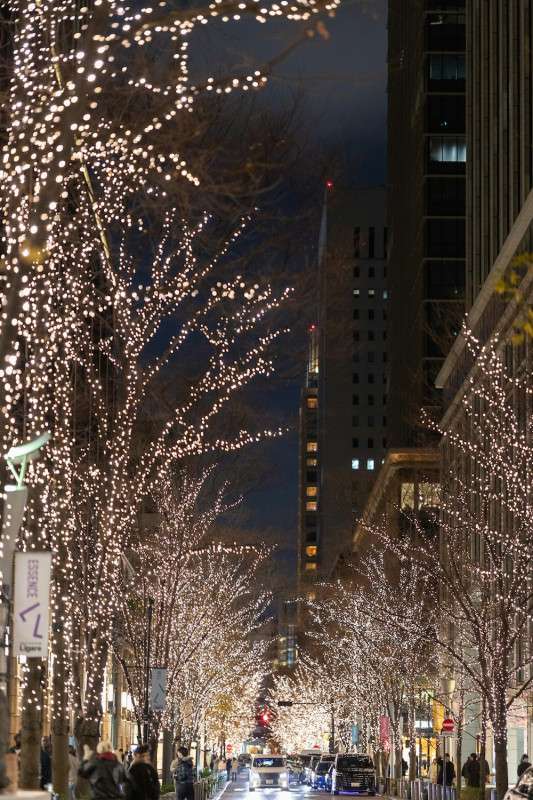
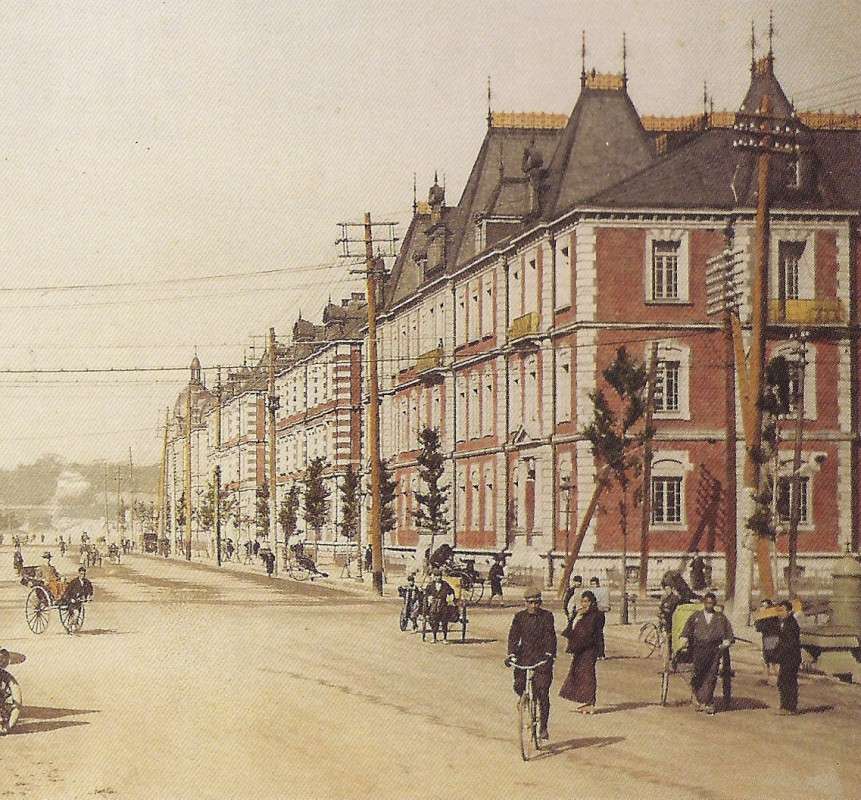
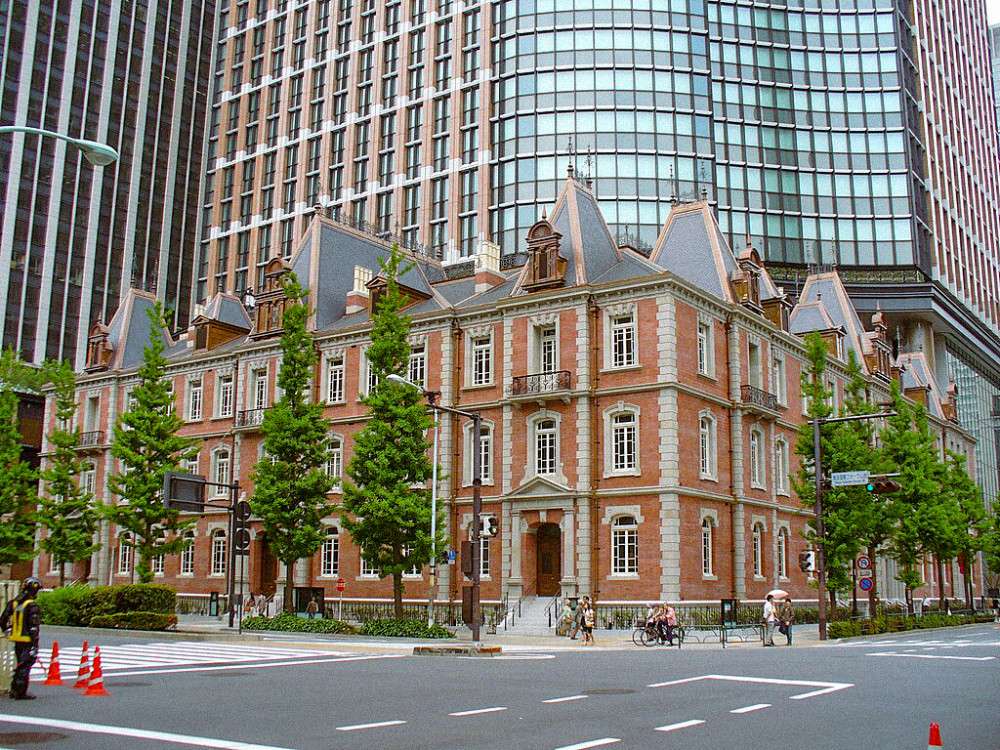
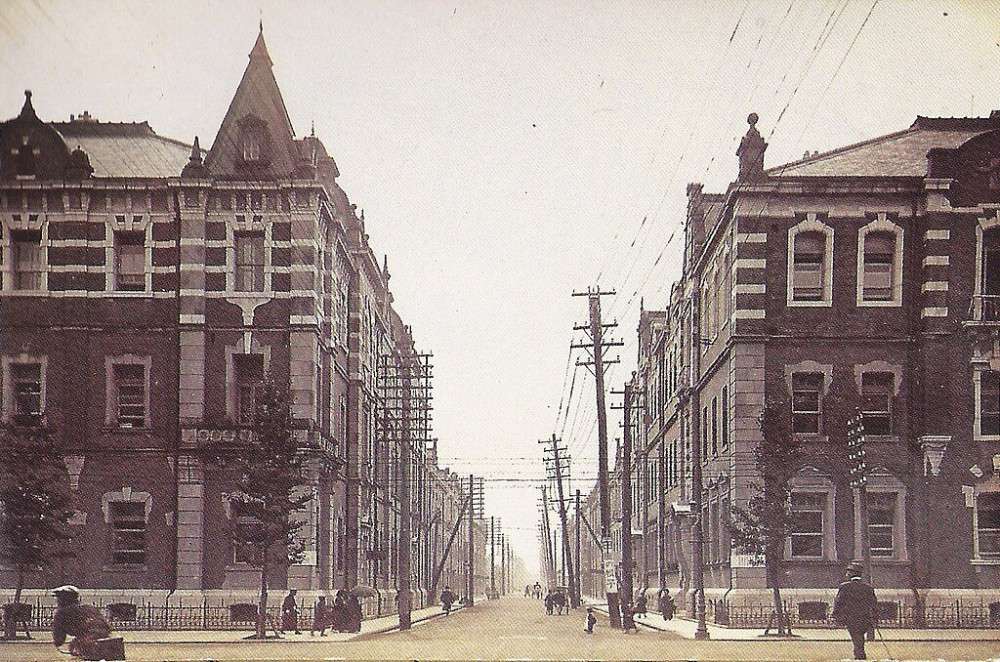
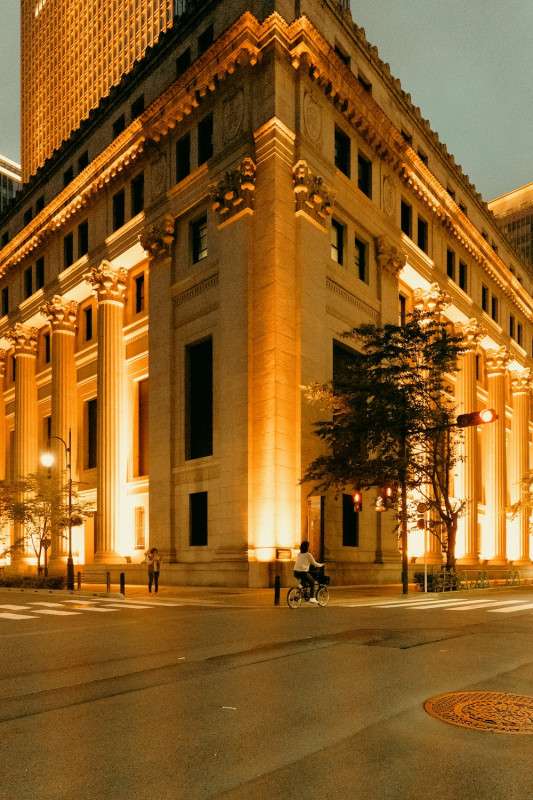
When Japan’s capital moved from Kyoto to Tokyo, officials established the Imperial Palace in the heart of the city—Chiyoda. Soon after, builders developed Marunouchi, just steps from the palace gardens, as Tokyo’s central business district. With its grandeur and prestige, Marunouchi has played a vital role in driving Japan’s economic growth and continues to serve as a cornerstone of Asia’s financial sector.
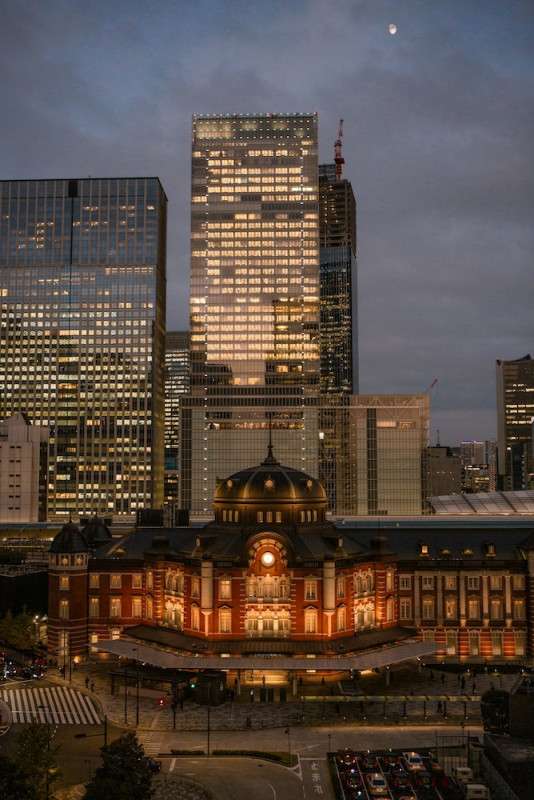
One crucial factor in the debate over Tokyo’s center is the location of Tokyo Station, situated on Marunouchi’s eastern edge. Since its opening in 1914, Tokyo Station has served as the main entry point for domestic travelers arriving in the capital. Planners deliberately positioned it to link Ueno and Nihonbashi through the city’s most esteemed geographic and commercial hub.
・Marunouchi (The Imperial Palace)
・Kasumigaseki (The metonym for the Japanese bureaucracy)
・Hibiya
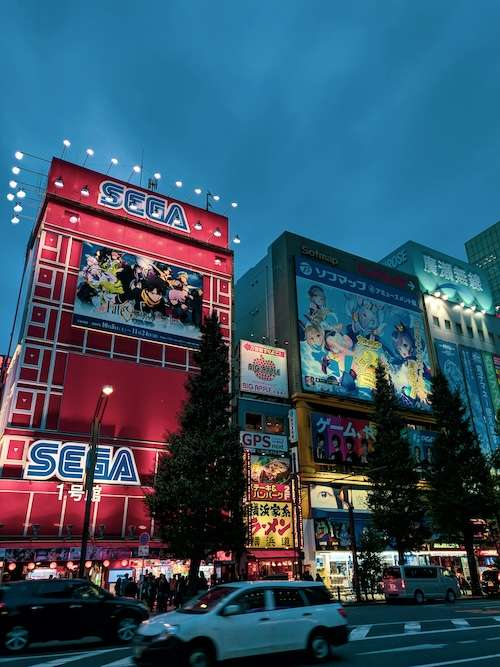
・Akihabara
・Kanda
Chuo-ku: The Original and Financial Center
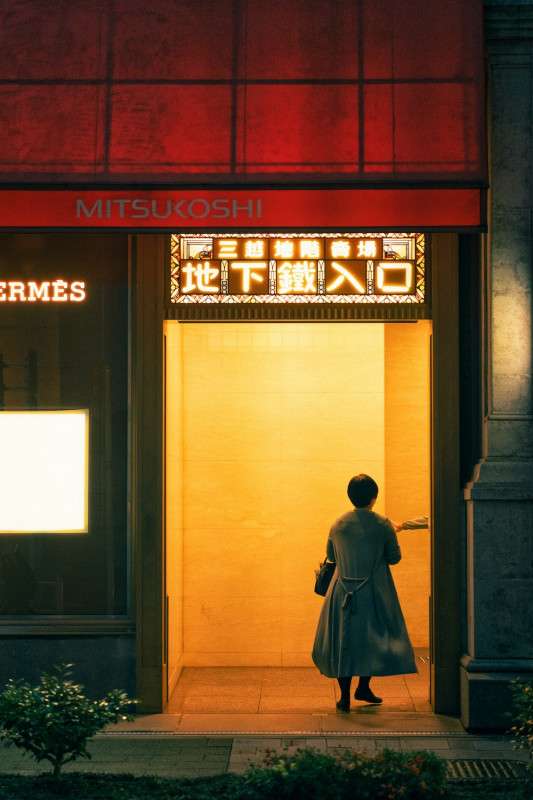
The name “Chuo” directly translates to “center,” and few can deny its relevance in the debate over Tokyo’s core. Established in 1947 during Japan’s post-WWII recovery, city planners created the ward to serve as a commercial hub and help rebuild Japan’s economy. Chuo once housed the city’s silver and gold coin-making mints and hosted Japan’s first department store—the Nihombashi Mitsukoshi Main Store.
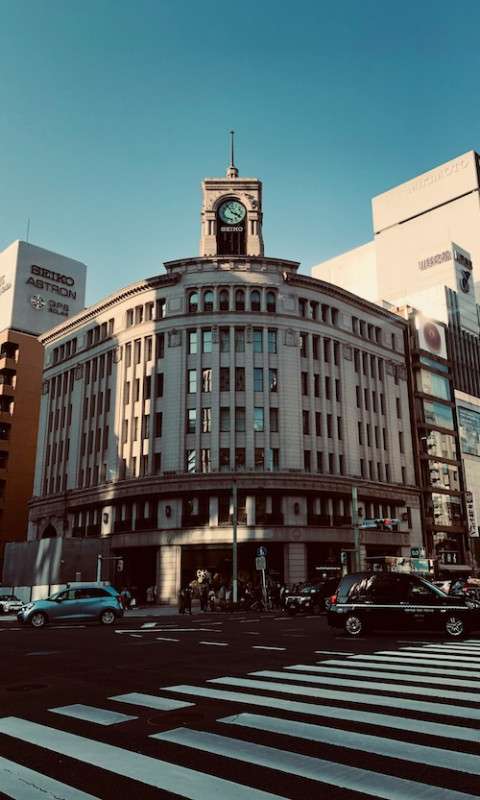
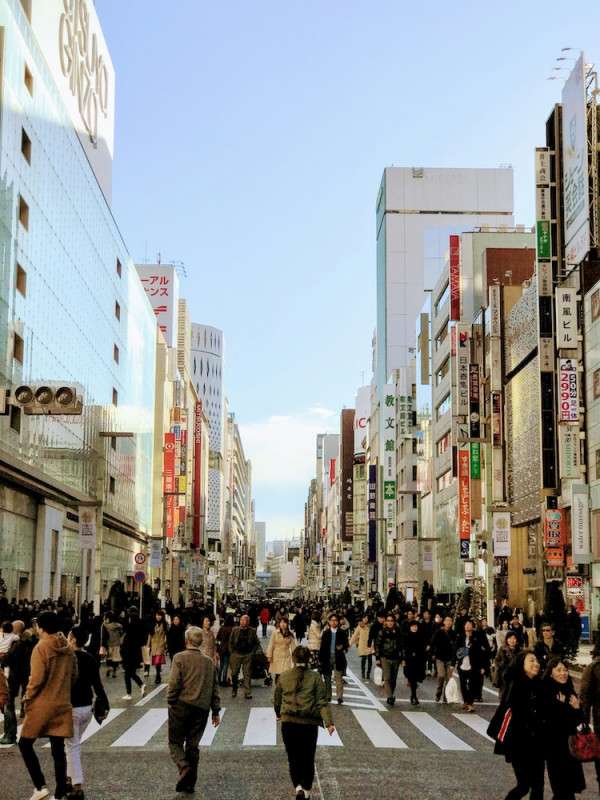
Today, Chuo continues to thrive as a global shopping destination. The former gold mint now serves as the Bank of Japan’s headquarters, and Ginza has evolved into a luxury retail district filled with department stores and designer boutiques.
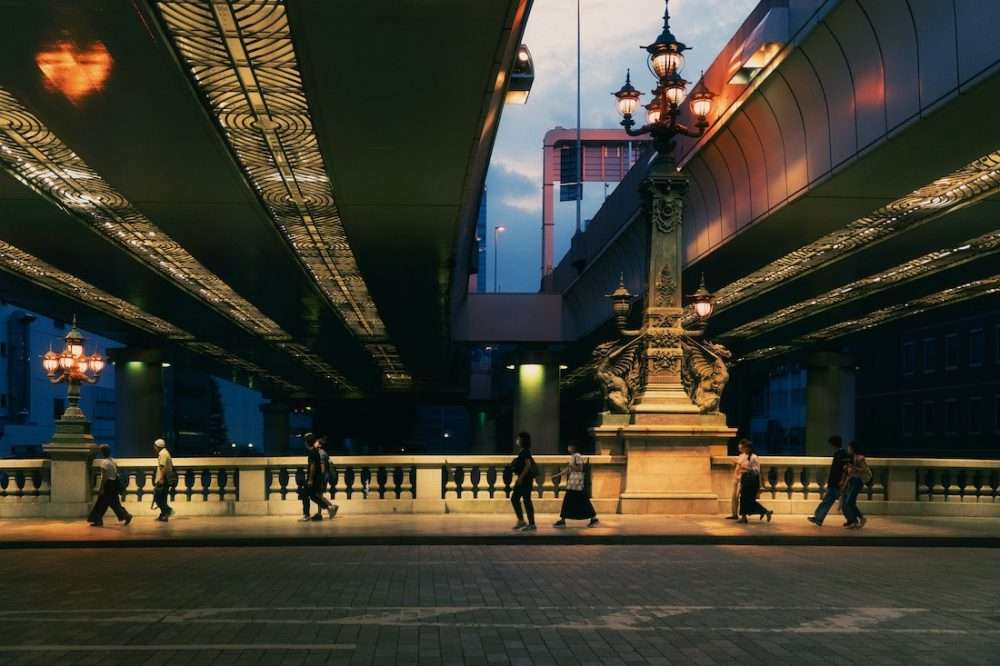
Nihombashi is the center of Japan in the most literal sense—it is the point from which all national road distances are measured, a designation it has held since the Edo period. The same principle applies in Paris, where Point Zéro outside Notre-Dame marks the origin of all French distances, and in London, where Charing Cross has historically served the same function. In Tokyo’s case, the bridge even predates the city’s name.
Interested to know the hidden side of Ginza? Read our guide for the neighborhood here.
・Ginza
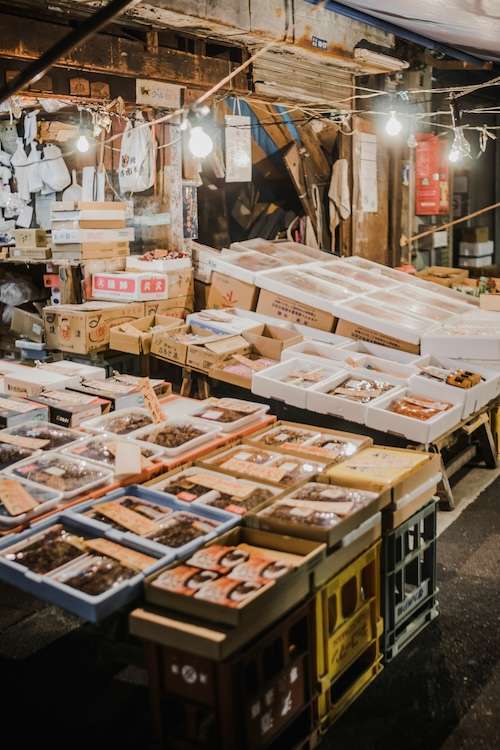
・Tsukiji
・Nihombashi
Minato-ku: The International Center
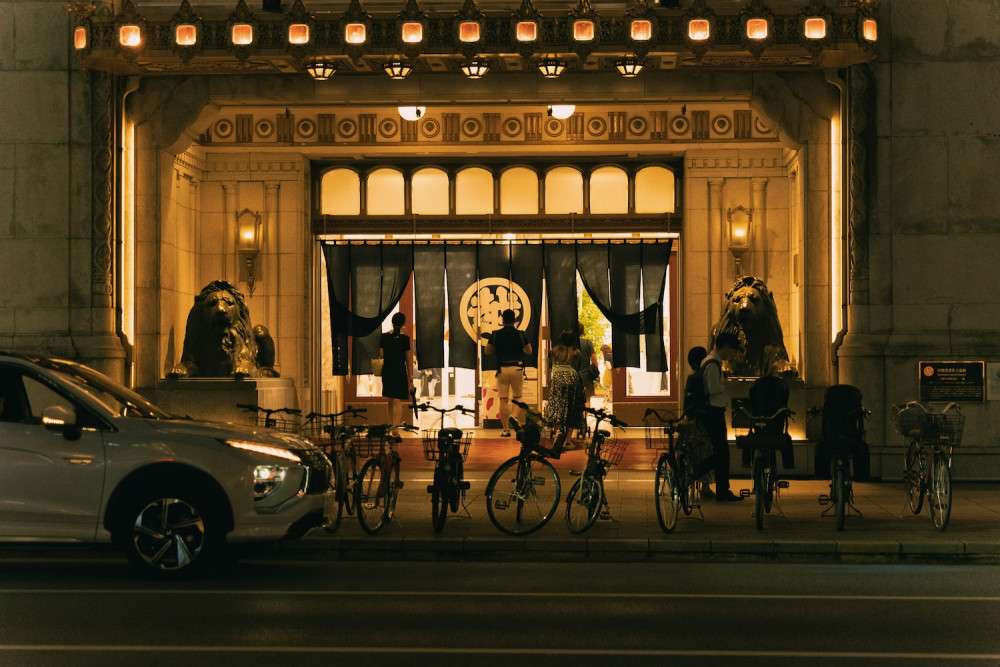
Major global companies like Apple, Goldman Sachs, and Baidu have chosen Roppongi for their Japan headquarters, solidifying Minato’s role at the heart of Tokyo’s international business scene. The ward also carries historic diplomatic weight. During the Edo period, regional daimyo (lords) built residences in the area, effectively creating early domain embassies. Over time, many of these residences transformed into foreign embassies, which explains why Minato now hosts a high concentration of consulates, including those of the U.S., Australia, and China.
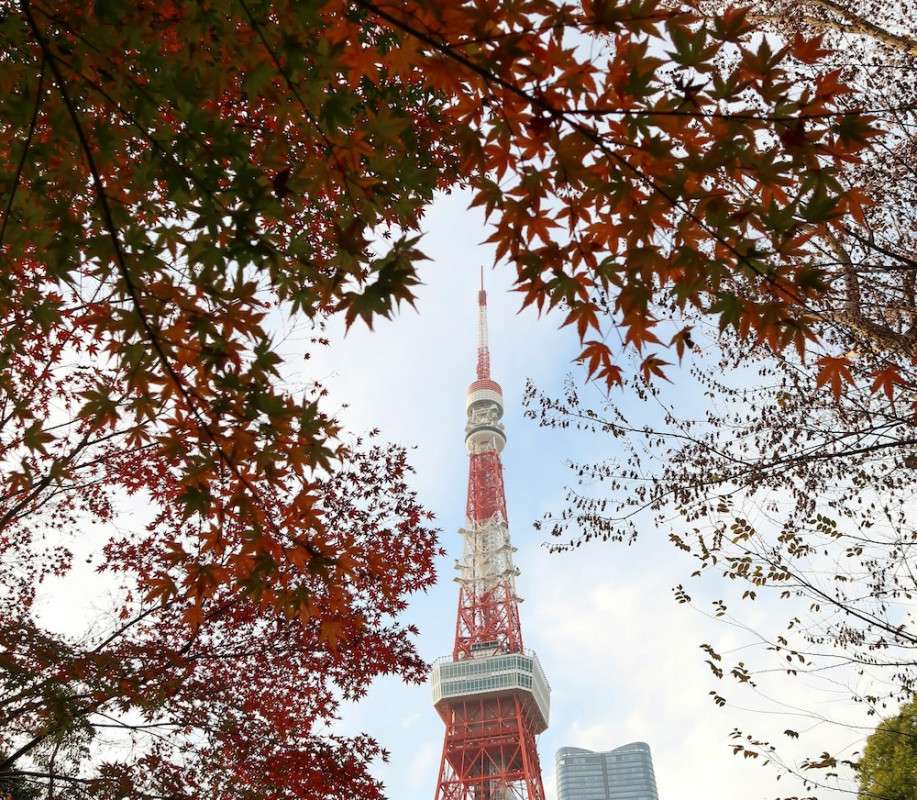
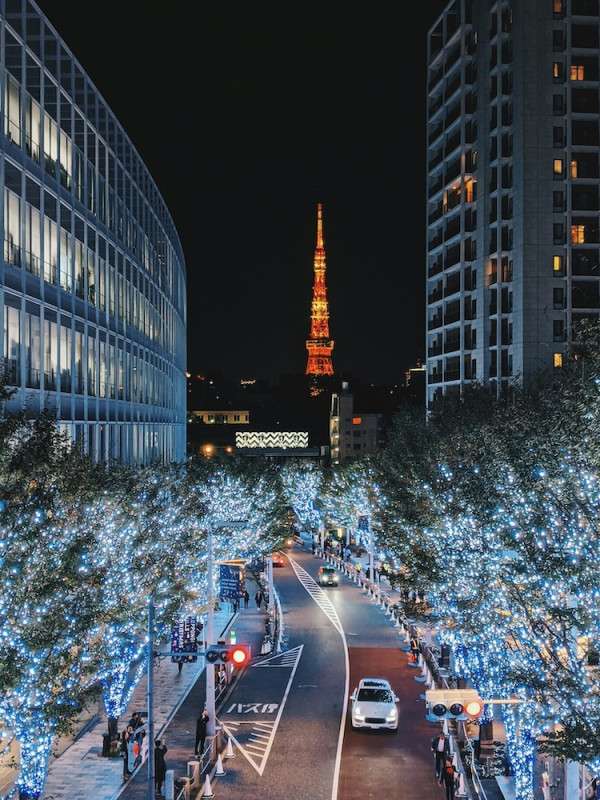
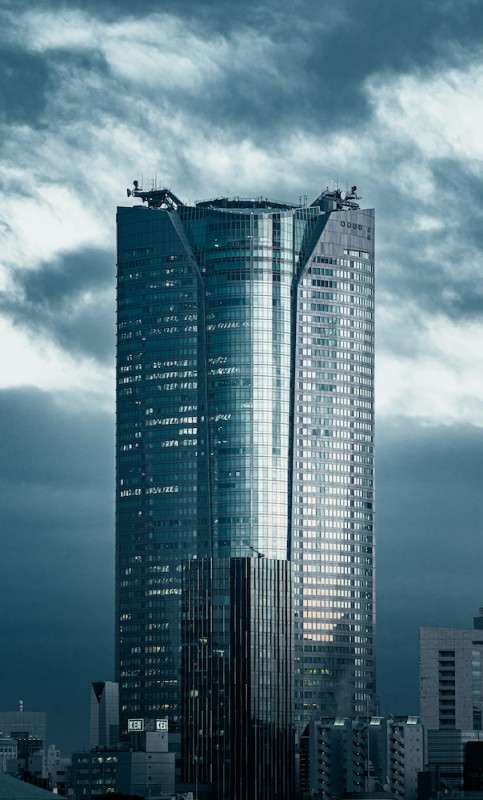
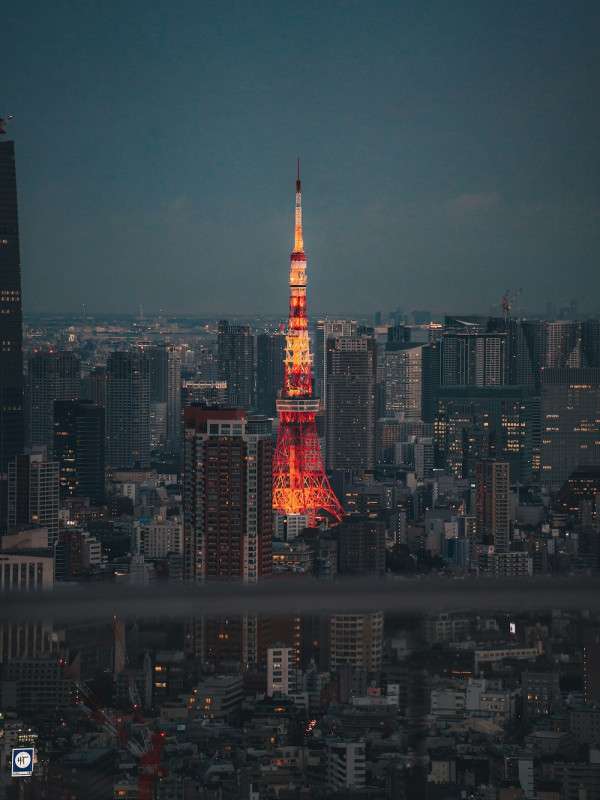
As the 20th century came to a close, major real estate developments accelerated Minato’s growth. By the mid-2000s, its modern skyline embodied wealth, luxury, and Tokyo’s forward-looking spirit. Today, Minato brims with fine dining, art galleries, and a dynamic nightlife. It also boasts Tokyo’s tallest building, Azabudai Hills, alongside the iconic Tokyo Tower.
Want to see the Tokyo Tower from all the best angles whilst catching up on some exercise? Head to our article about the cycling route that takes you on the Tokyo Tower Tour.
・Roppongi
・Azabu
・Akasaka
・Aoyama
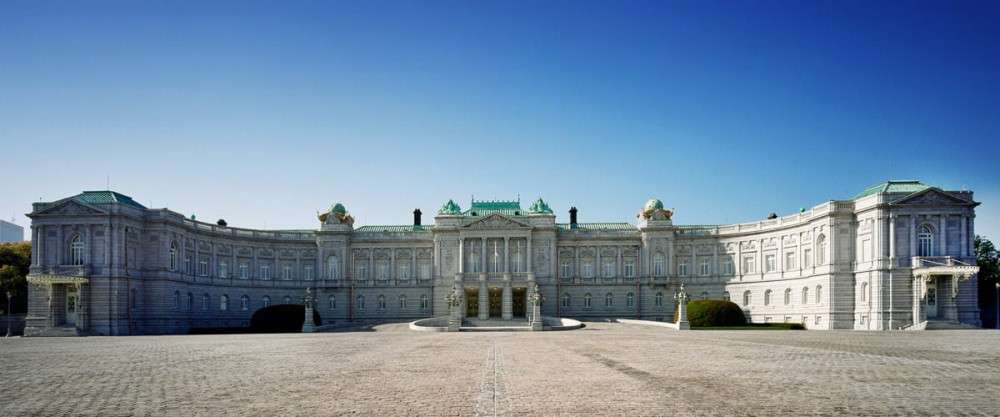
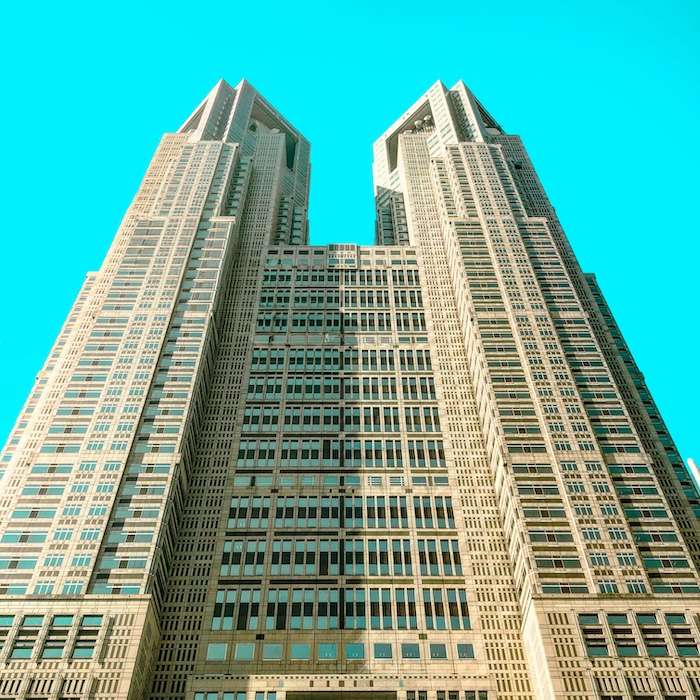
Shinjuku-ku: The Chaotic Cultural Center
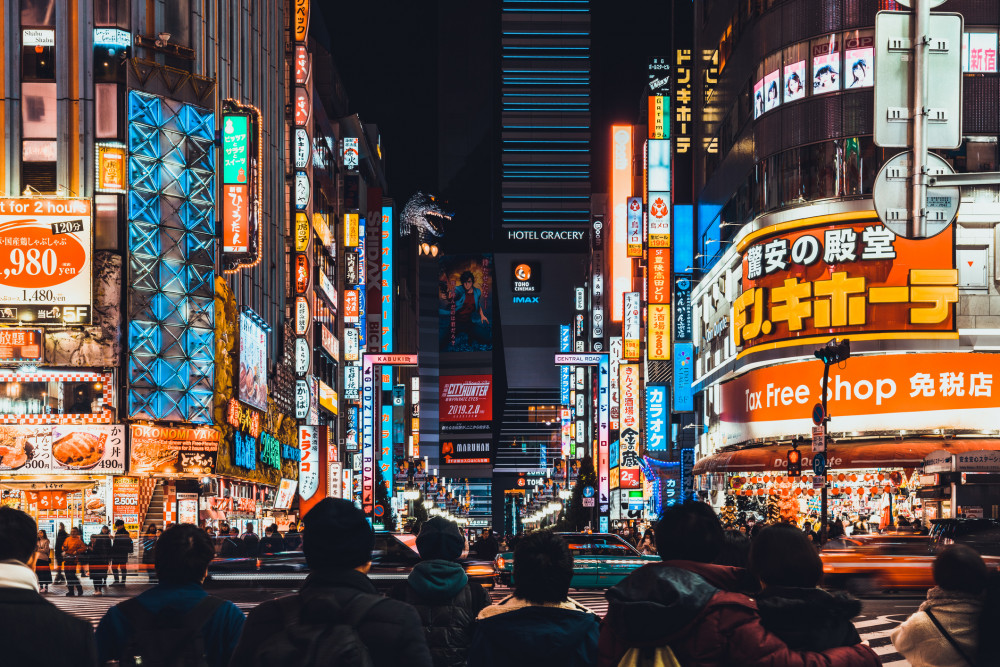
Chiyoda may host the city’s central station, but Shinjuku claims the title of busiest—not just in Japan, but in the world. Shinjuku Station moves an astounding 3.4 million passengers daily, operating 12 lines across 36 platforms. The station connects directly to nearly every major hub in Tokyo, making Shinjuku a vital gateway to the entire city.
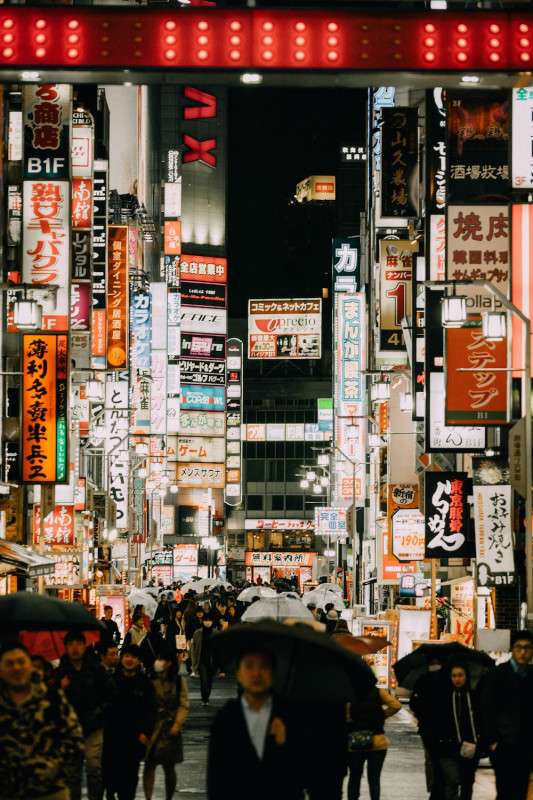
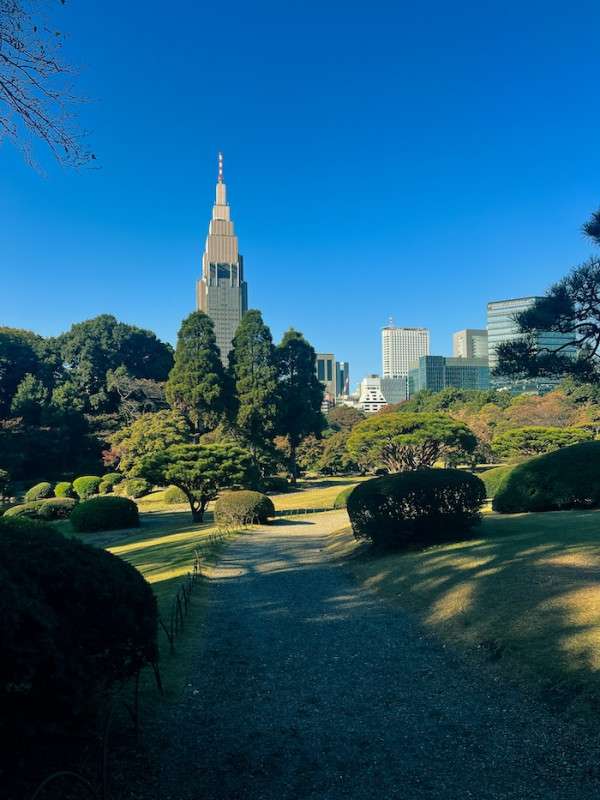
Supporters of Shinjuku argue that the ward has emerged in recent decades as Tokyo’s true downtown. It. It is messy and energetic—arguably where the Western image of a mysterious, neon-lit Tokyo first took hold. It offers a bit of everything, from the tranquility of Shinjuku Gyoen and the heritage of Hanazono Shrine to the vibrant queer culture of Nichome, one of the world’s most densely concentrated LGBTQ+ districts. Head north and you’ll step into Shin-Okubo, Tokyo’s Koreatown, where kbbq restaurants, skincare shops, and K-pop clubs draw crowds day and night.
Shinjuku’s neon-lit high streets have come to symbolize Tokyo itself, and many consider a visit here essential to experiencing the city.
・Shinjuku
・Shinjuku Nichome
・Shin-Okubo
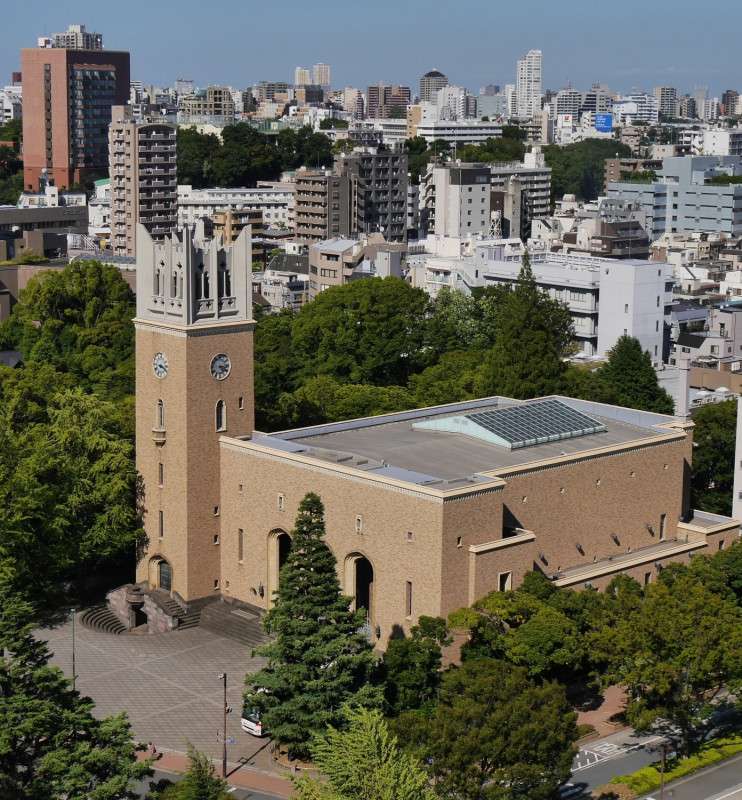
・Waseda
・Kagurazaka
Shibuya-ku: The Trend Center
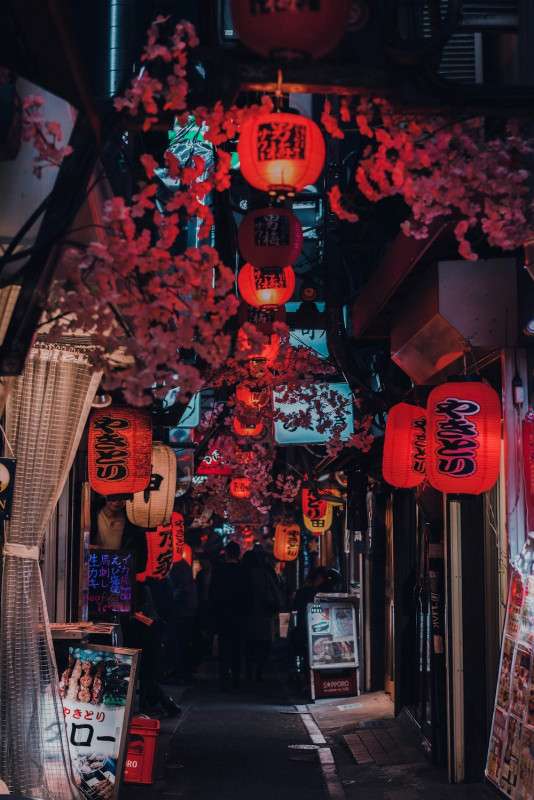
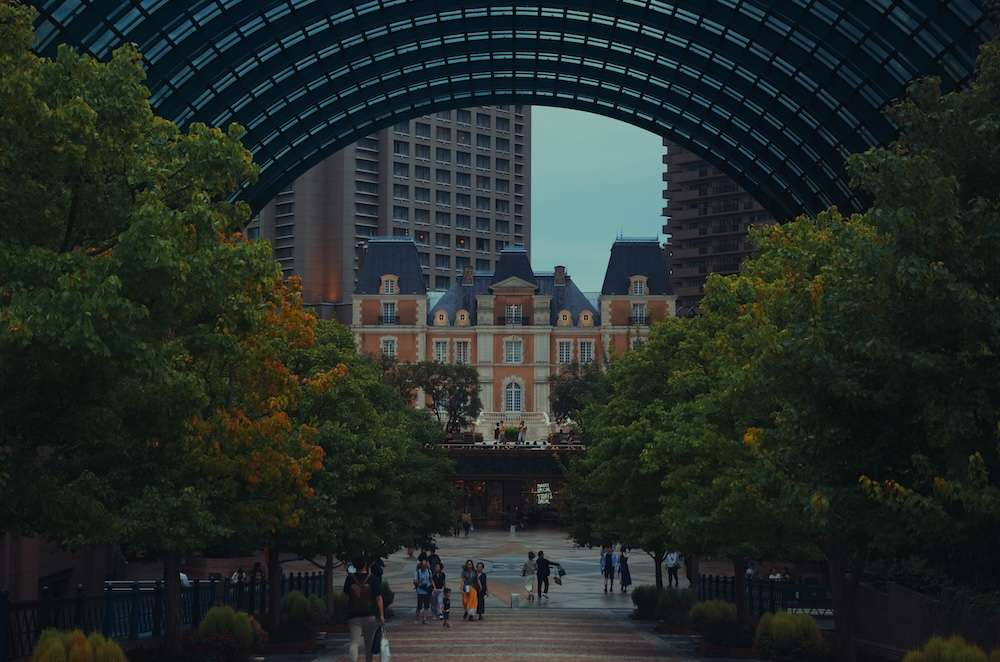
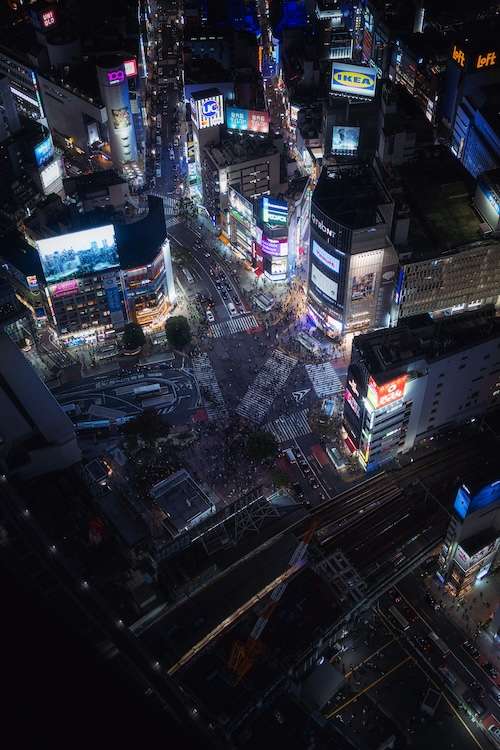
Many holidaymakers choose to stay in Shibuya—and for good reason. Much of Tokyo’s energy centers around this vibrant ward. While tourists flock to icons like Hachiko, Shibuya Crossing, and the colorful streets of Harajuku, Shibuya offers far more than its famous landmarks. It operates like a city within a city, with countless music venues, the open-air freedom of Yoyogi Park, and the culinary delights of Ebisu. Visitors could easily spend an entire week here without ever stepping outside the ward.
On the commercial front, Shibuya overflows with shopping destinations and continues to grow as a business hub. Increasing numbers of companies—especially in tech and startups—have relocated their headquarters to the area, reinforcing its status as a center of innovation and commerce.
・Shibuya
・Harajuku
・Omotesando
・Daikanyama
・Ebisu
The Question Remains on Finding Central Tokyo…
Clearly, no single definition can pinpoint Tokyo’s true city center. A salaryman working in Shimbashi might see Minato as the core, while a tourist might argue for Harajuku in Shibuya. Chuo claims the center in a literal sense with its name and Nihombashi, but Chiyoda holds it in another, with the Imperial Palace.
The truth is, Tokyo has a unique model of urban planning.
As the idea of a city center has evolved, so has Tokyo itself. After beginning as Edo, the city became Japan’s capital in 1868. It endured near-total destruction during WWII, then rapidly rebuilt and expanded throughout the 20th century. Toshin and Fukutoshin.
The Japanese language offers a useful framework here. If you have used Tokyo’s extensive train network you might have noticed the Fukutoshin Line on Tokyo Metro.
Toshin (都心) translates to the “city center”. And fukutoshin (副都心) means “sub city center”—a secondary hub built to absorb the city’s growth. The Fukutoshin Line, was built to connect the city’s new sub-centers, which are Ikebukuro, Shinjuku and Shibuya. These three areas are officially designated fukutoshin, developed in the postwar period along the western edge of the city as planned extensions of the urban core. On the eastern edge, areas like Kinshicho in Sumida and Ueno are also officially considered the fukutoshin, though other metro lines connect these areas. Hence, it leaves the toshin itself as either Chuo or Chiyoda, Nihombashi and its road-origin claim on one side, the Imperial Palace on the other. Tokyo’s centers are plural—toshin and fukutoshin both.
The city’s growth has created a sprawling, decentralized metropolis layered with history, industry, and culture. Rather than form around a single hub, Tokyo has adapted across centuries—reshaping and reinventing itself with each era. It lacks a definitive center not by accident, but by deliberate evolution.
Interested in how cities are shaped, physically and socially? Explore more here:
Dami Lee on the Organized Chaos That is Tokyo
Why Wooden Architecture Is Making a Comeback in Japan
This article was originally written by Jessica Saabor and published on May, 2025 but has been updated in June 2026 by Metropolis editors for accuracy.