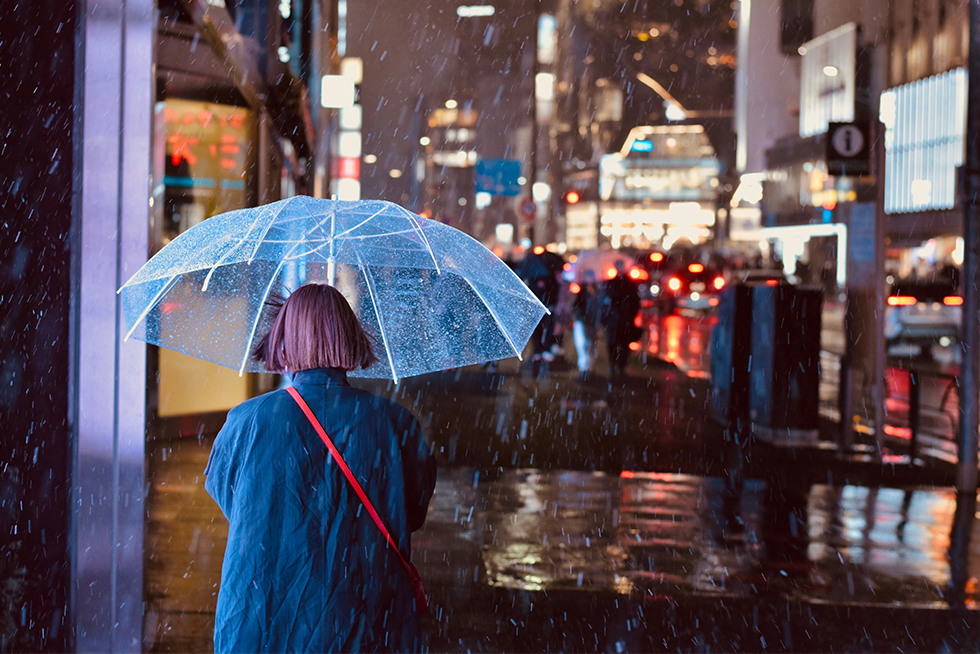
Your Guide to Surviving Rainy Season in Japan
Your complete guide to navigating the infamous tsuyu with confidence.
Early summer marks the beginning of Japan’s rainy season. Despite its name, it is less of a “relentless rain,” but more “persistent overcast” with frequent rainfall, occasional extended downpour, sprinkled with some clear but humid days.
Whether you’re visiting Japan for a short trip or settling in for the long term, understanding what to expect can help you stay comfortable, prepared and safe throughout the season.
When does it start?
In most of Japan, the rainy season usually runs from the beginning of June to mid-July. Okinawa sees it arrive earlier, typically in May, while northern regions such as Hokkaido are largely unaffected.
Although the exact timing varies slightly from year to year, residents can generally expect several weeks of increased rainfall, humidity and cloudy weather before the arrival of summer.
What to pack
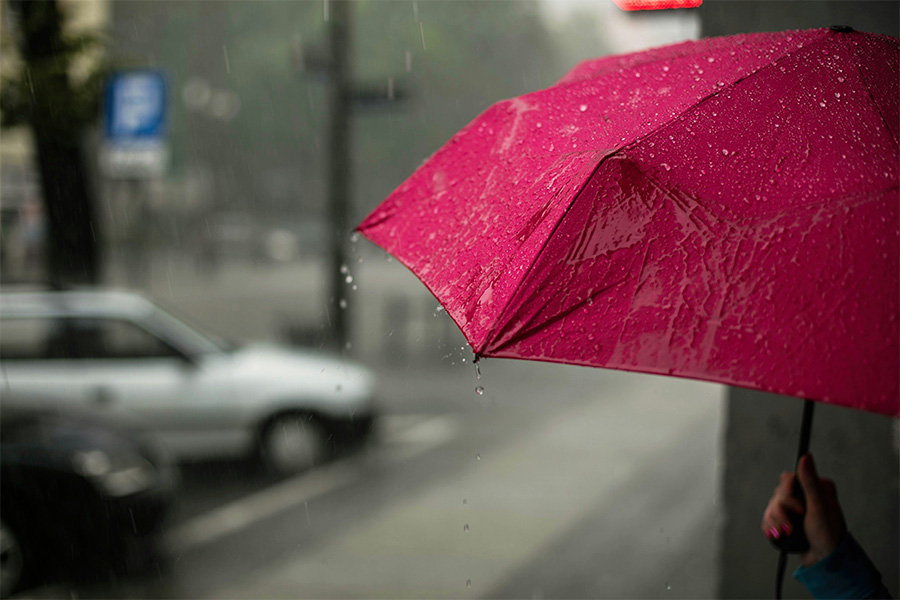
Dress for humidity, prepare for wetness
Choosing the right clothing makes a significant difference during the season.
- Quick-dry clothing: Opt for loose-fitting clothing made with absorbing, breathable and lightweight materials, such as linen or moisture-wicking synthetic blends. Heavy materials such as denim or thick cotton tend to retain moisture, leaving you feeling damp and uncomfortable throughout the day.
- Layers are key: Temperatures can fluctuate, especially during rainy spells. A lightweight jacket that is both packable and water-resistant can provide protection from cool winds without overheating you or adding unnecessary bulk.
- Waterproof footwear: Whether you choose waterproof sneakers or rain boots, prioritize comfort and practicality. Wet pavements, puddles and muddy paths are common during this time of year, so avoid footwear that is difficult to clean or easily damaged by water.
- Bring a second pair of socks or a spare shirt: A sudden downpour, splashes from passing vehicles or simply spending the day in humid conditions can leave clothing damp. Keeping a spare set in your bag can help keep you feeling fresh.
Essential gear
The right equipment can help protect both you and your belongings from the elements.
- Umbrella or raincoat: A compact umbrella or lightweight raincoat is essential during the rainy season. If you are caught unprepared, both can be easily purchased at convenience stores, Muji, Don Quijote and other retailers throughout Japan.
- Waterproof cases: These are quick and easy solutions to keep your bag, documents and electrical gadgets dry. Alternatively, you can also invest in a reliable waterproof handbag or backpack.
Staying safe
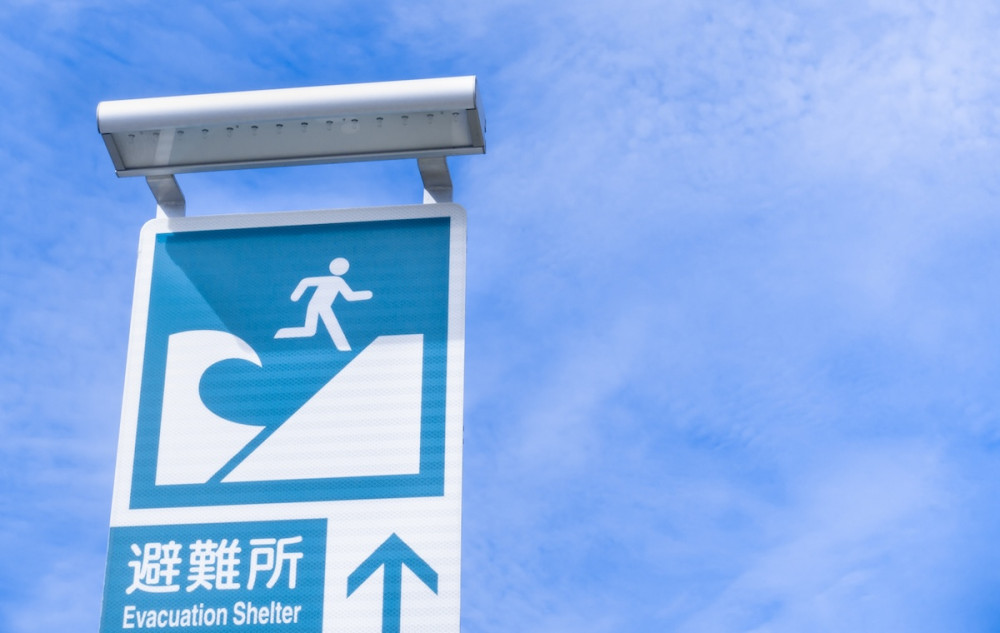
Beyond the inconvenience of rainy weather, the season also brings an increased risk of typhoons and flooding. They are not just possibilities, but recurring events that can have serious impacts on daily life.
Japan has one of the world’s most advanced disaster preparedness systems, but personal preparation remains crucial for both residents and visitors alike.
For more details on preparing for typhoons, see our Typhoon Preparation Guide.
Stay informed
Japan’s emergency warning systems provide timely updates through television broadcasts, mobile apps and local government notifications. Useful resources include:
- Japan Meteorological Agency (JMA)—jma.go.jp/jma—The authoritative source for typhoon tracks, warnings, and advisories
- NHK World—nhk.or.jp/nhkworld—English-language broadcast updates during major weather events
- Weathernews—weathernews.jp—Granular hyperlocal forecasts with an excellent app
Plan your evacuation routes
Knowing where to go in an emergency can save valuable time.
Familiarize yourself with local evacuation routes and designated shelters in your area. Many municipalities provide hazard maps that identify flood-prone zones, landslide risks and nearby evacuation facilities. Checking whether your home or accommodation falls within a risk area is a worthwhile precaution.
Build an emergency go-bag
In Japan, residents are encouraged to keep an emergency go-bag (hijōyō mochidashi bukuro, 非常用持ち出し袋) ready at all times.
The emergency bag should be packed well in advance, regardless of the weather forecast and stored in an easily accessible location.
At a minimum, it should contain enough water and non-perishable food for three days, a basic first aid kit, copies of important documents, cash, a flashlight or portable radio, phone charging equipment, and any necessary medications.
For a complete checklist with recommended items, see our Emergency Evacuation Backpack List.
Things to do

Rainy weather doesn’t mean the fun has to stop. As a recurring part of the country’s annual calendar, the season brings a variety of unique sights, flavors and experiences.
Enjoy seasonal specialties
The name tsuyu, used by locals to describe this season, is commonly translated as “plum rain,” referring to the period when Japanese plums (ume) ripen.
As a result, plum-based foods and drinks become seasonal favorites across the country. From pickled plums (umeboshi) to plum wine (umeshu), this is one of the best times of year to sample Japan’s many ume-inspired specialties.
Admire hydrangea blooms
Another highlight of Japan’s rainy season is the blooming of hydrangeas (ajisai). Thriving in cool, damp conditions, these flowers transform temple grounds, gardens and parks into vibrant displays of blue, purple, pink and white.
Popular viewing spots include the Bunkyo Hydrangea Festival in Tokyo and Kamakura’s famed Meigetsu-in, often referred to as the “Hydrangea Temple,” where thousands of blossoms line the temple pathways each June.
Indoor activities
The rainy season also provides the perfect excuse to explore museums, art galleries, cafés, aquariums and other indoor attractions.
For more ideas, see our guide to Rainy Day Activities in Tokyo
Making the most of it
While Japan’s rainy season brings its share of challenges, a little preparation can go a long way in helping you stay safe and comfortable. Beyond the frequent showers, the season brings beautiful scenery, seasonal blooms and plenty of activities to enjoy.
With the right mindset and a reliable umbrella, residents and visitors alike can make the most of this distinctive time of year.