Japan’s Weirdest Islands
Head out beyond Japan’s big four to explore the strange, the scary and the sublime.
If you love traveling around Japan but have had your fill of Honshu, Kyushu, Shikoku and Hokkaido, fear not: you’ve still got 14,000 islands left to go. While most of these are perfectly normal places, a few stand out as rather odd. Join us, if you dare, on a journey to Japan’s weirdest islands.
Gunkanjima: The Unsinkable Battleship
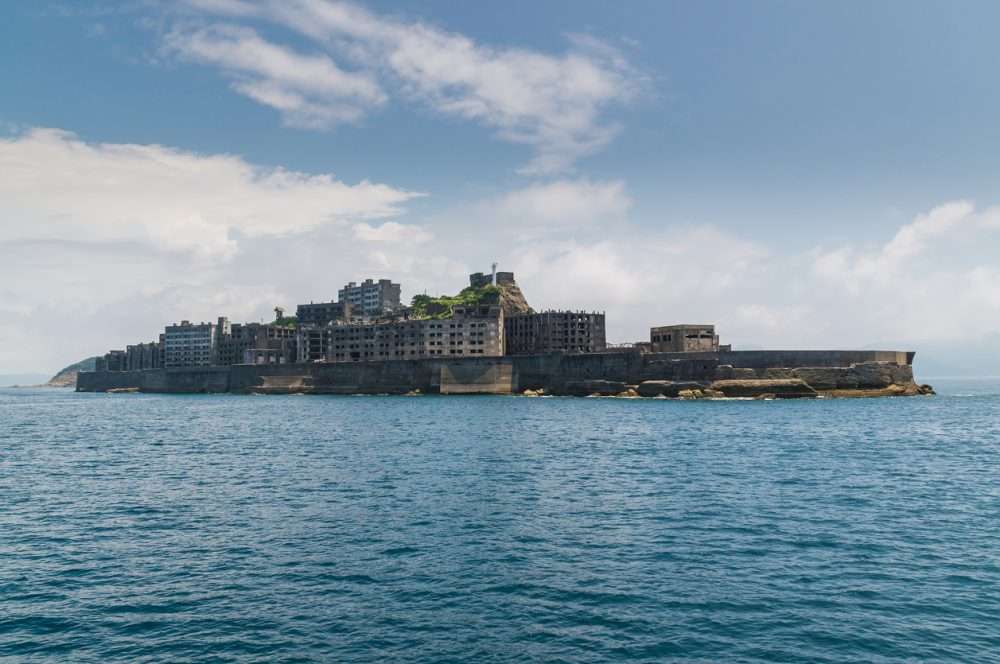
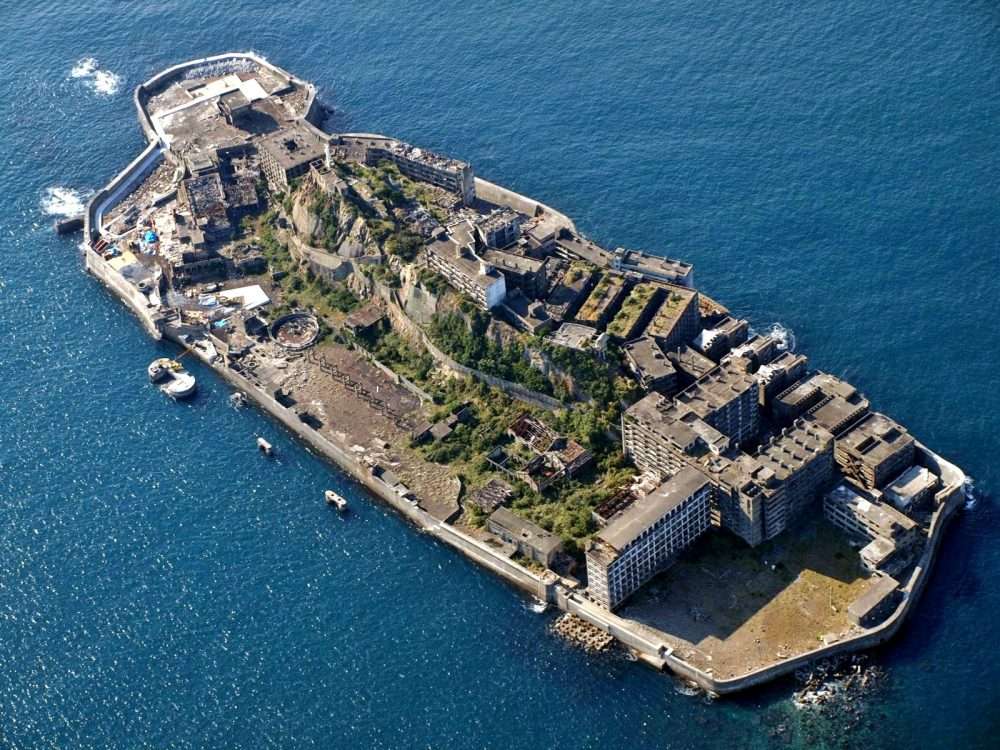
Patrolling the waters off Nagasaki, this tiny island is commonly known as Gunkanjima (“Battleship Island”). And it really does look like a rusty old battleship. Measuring just 480 x 150 meters, the island is almost completely covered in crumbling grey buildings, among them the remnants of a hospital, a public bath, a shrine and two schools.
Over 5,000 people once called the place home, but its coal mine closed down in 1974 and the only inhabitants who now remain are seagulls and ghosts. I first visited on a fisherman’s boat, but the only access these days is via guided tours.
Okunoshima: Poison Gas and Bunny Rabbits
According to most official maps of Japan until the end of World War II, Okunoshima did not exist. This was due to the small matter of its top-secret chemical weapons testing and production facility, which the authorities were anxious to keep under wraps.
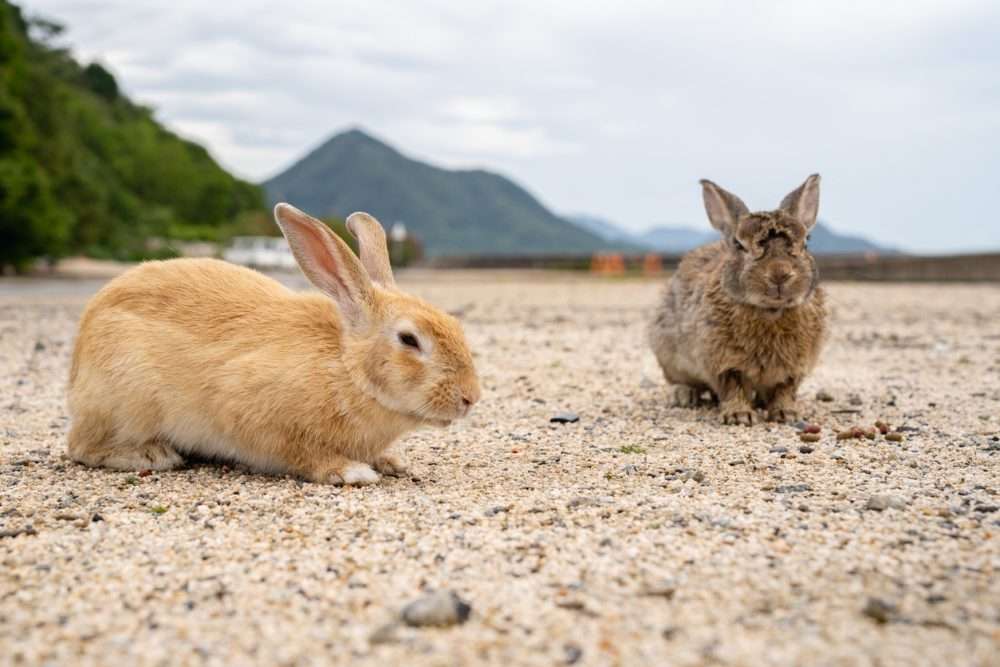
Nowadays, Okunoshima is populated by hundreds of domestic rabbits. But this coexistence of chemical weapons and common testing animals is apparently just a coincidence, according to everything I read at the island’s Poison Gas Museum.
For those cycling across the immensely popular Shimanami Kaido, Okunoshima is an easy (if weird) side-trip by ferry.
Rishiri: I Can See Russia From My House
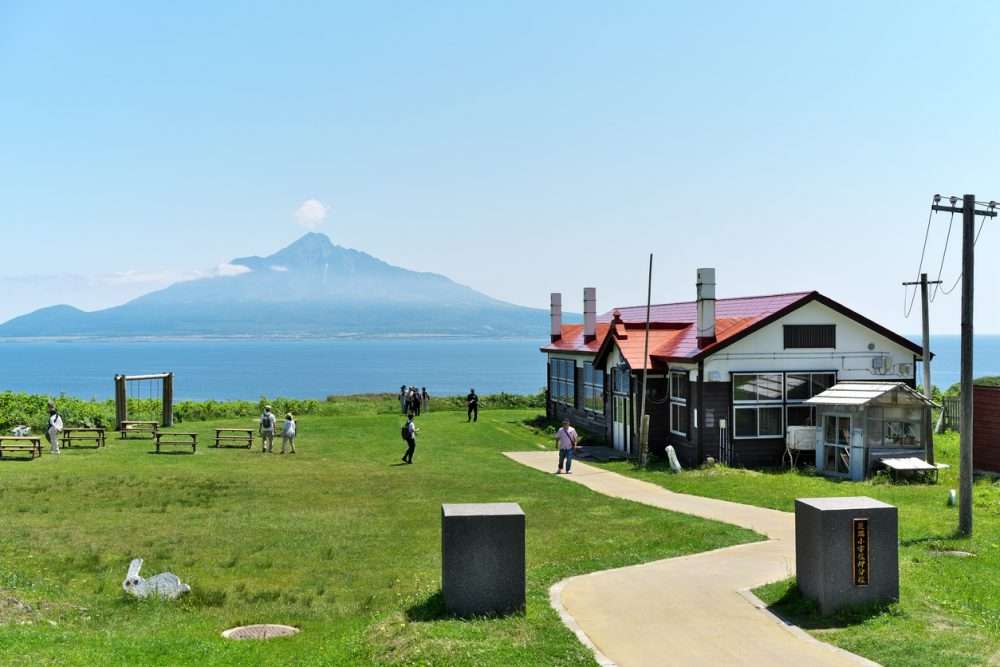
Resembling Mt. Fuji if you lopped off the top and floated it into the Sea of Okhotsk, Rishiri is one of the most strikingly beautiful islands in Japan. What makes Rishiri weird, though, is that Sakhalin is clearly visible on sunny days.
Once called Karafuto, the 48th prefecture of Japan, this long, narrow island was absorbed into the Soviet Union in 1945. That’s right: you can stand on Rishiri and see Russia from your house.
Burdened with a toddler in a backpack, I only made it halfway to the 1721-meter summit, but the views were still pretty good.
Sadogashima: Land of Gilded Exile
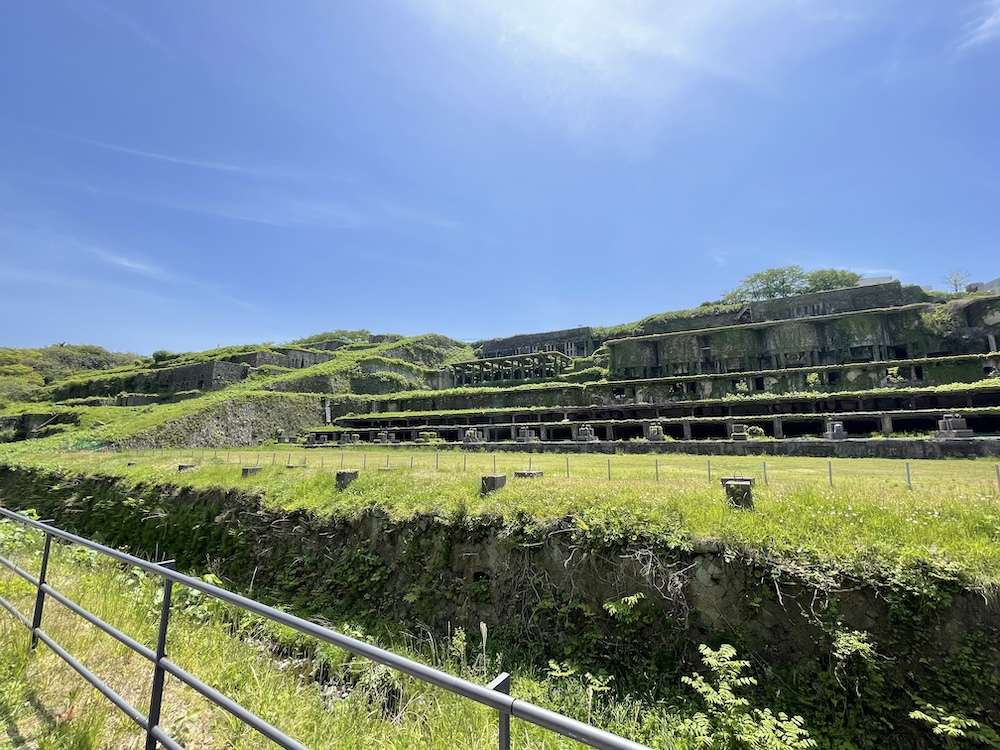
For centuries, the name “Sado-ga-shima” was uttered only in hushed tones. This remote, rugged island off the coast of Niigata was long a place of banishment, with early exiles including artists, intellectuals, courtly nobles, the Emperor Juntoku, and the famous monk Nichiren.
After gold and silver were discovered on Sado in the Edo period, the focus shifted to homeless people and vagrants, who were sent there to toil underground.
Today, visitors can tour the mines to learn about all the fun they once had down there.
Kii Oshima: Graveyard of the Ottomans
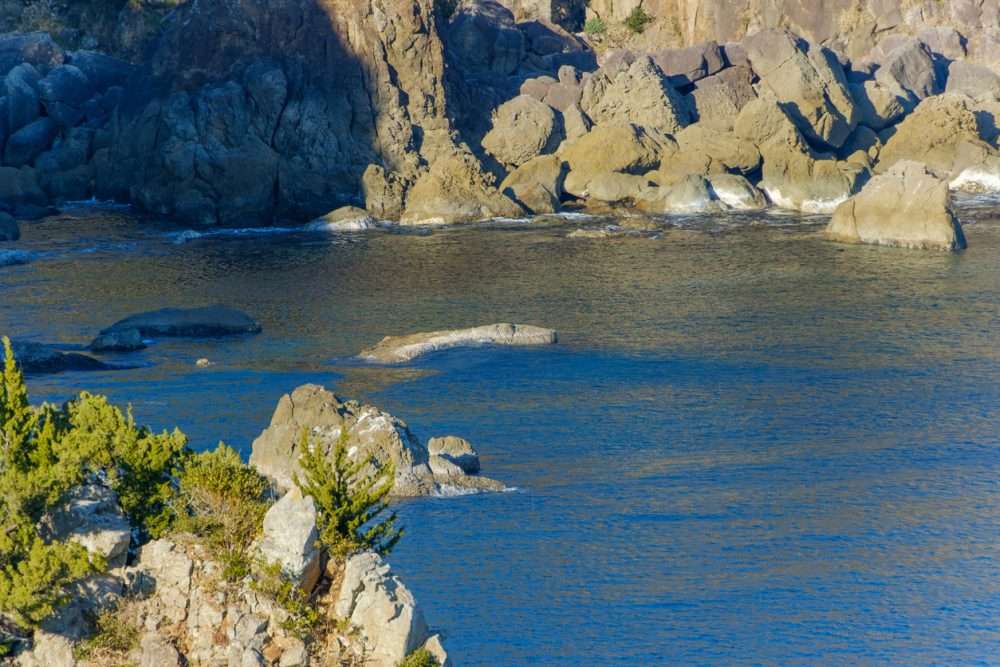
A red and white flag flutters atop a lonely cliff on the island of Kii-Oshima—not the Japanese hinomaru, but the Turkish star-and-crescent.
It commemorates the frigate Ertugrul, which ferried a delegation from the Ottoman Empire to Yokohama in 1890. After three months in port and an audience with the Emperor Meiji, they set sail for home on September 15, ignoring warnings about an incoming typhoon. High winds and waves drove the Ertugrul onto the reefs off Kii-Oshima. While brave villagers saved the lives of 63 sailors, over 500 others were lost at sea.
Nowadays, there is a memorial and a museum, alongside a shop selling Turkish ice cream and carpets.
Sakurajima: The Aspiring Peninsula
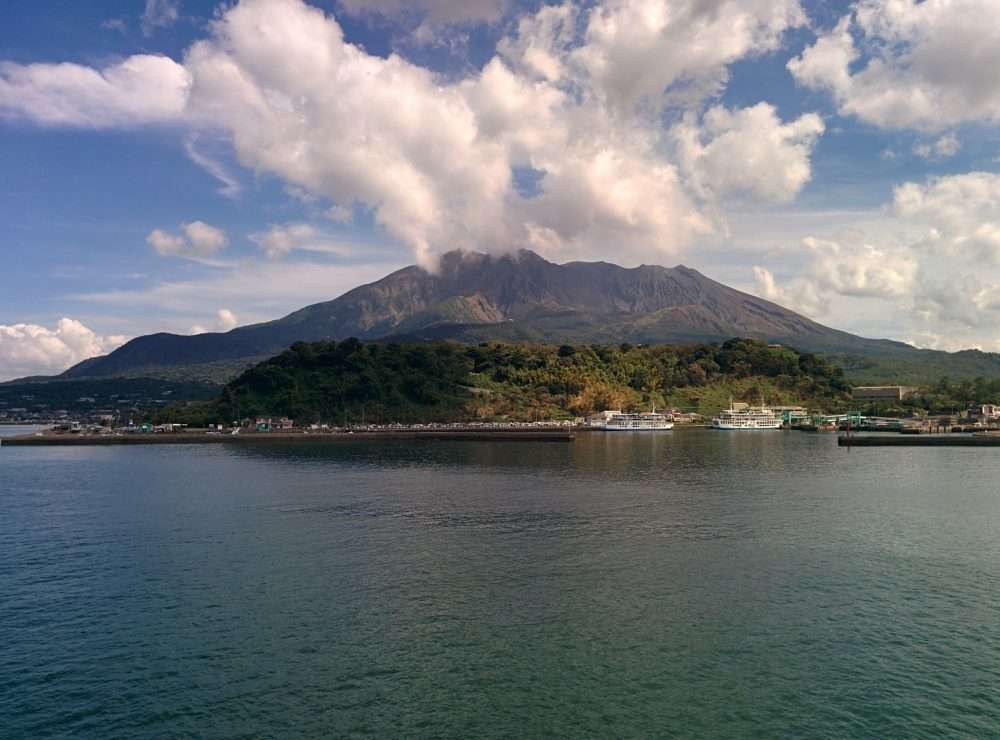
As an ominous cone that consistently spews black plumes of volcanic ash into the sky, it is surprising that Sakurajima has any neighbors at all. But the city of Kagoshima—just 15 minutes across the bay by ferry—is home to nearly 600,000 people.
The mind boggles further when you ride the ferry (slurping as you take on its famous 15-minute udon challenge) to Sakurajima and realize that people actually live there, too.
Sakurajima actually fused itself to Kyushu with lava from a massive eruption in 1914, so enterprising locals built a road across the piles of steaming rock. So, yes: it is not technically an island anymore, but more than weird enough to make this list.
This article was originally published in the Summer 2026 “Islands” Issue of Metropolis.